Superior Print Quality Through Consistent Power Delivery
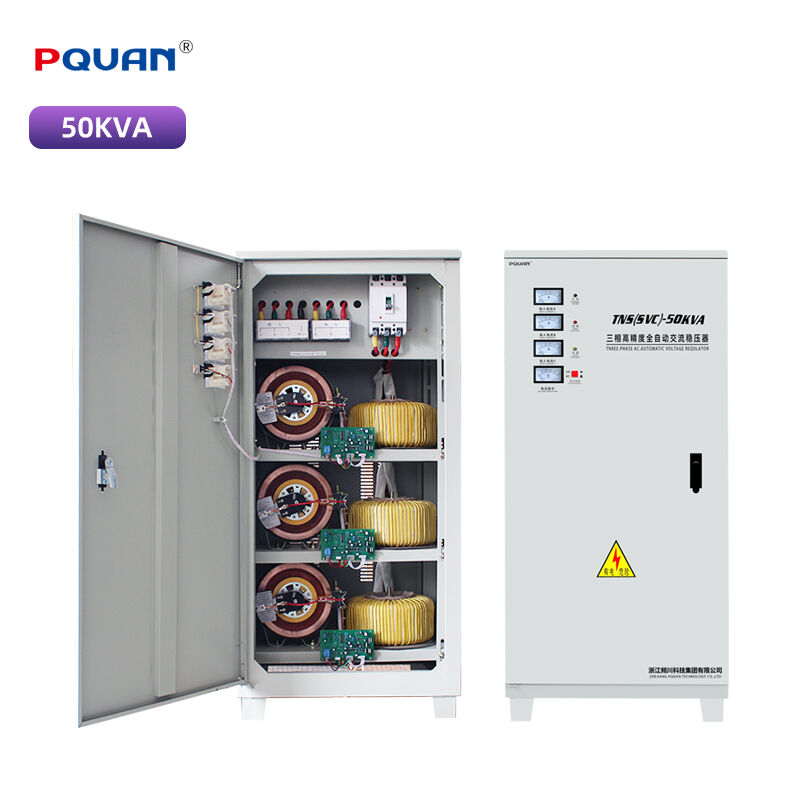
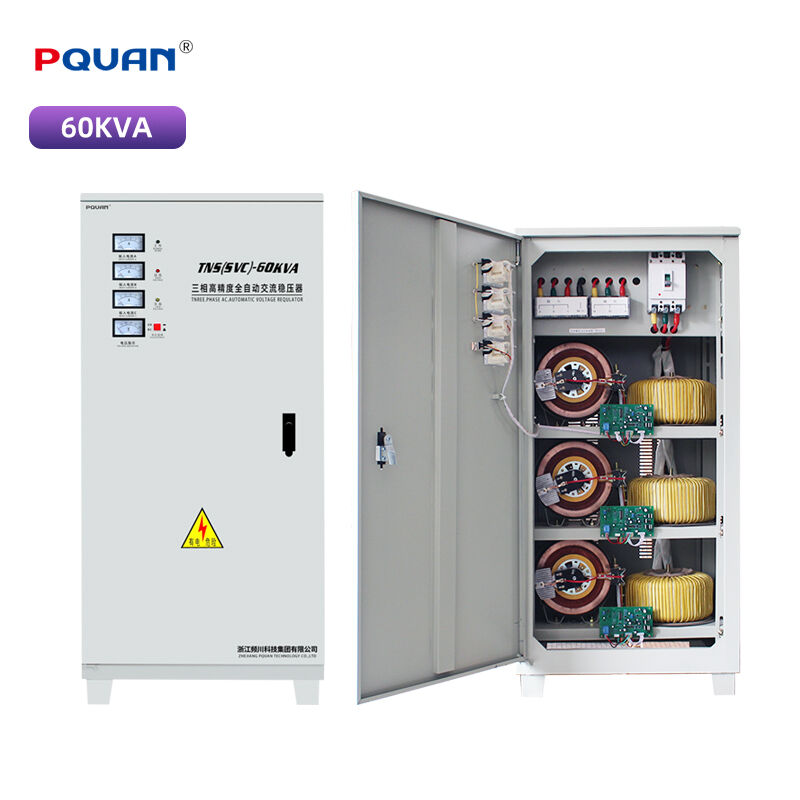
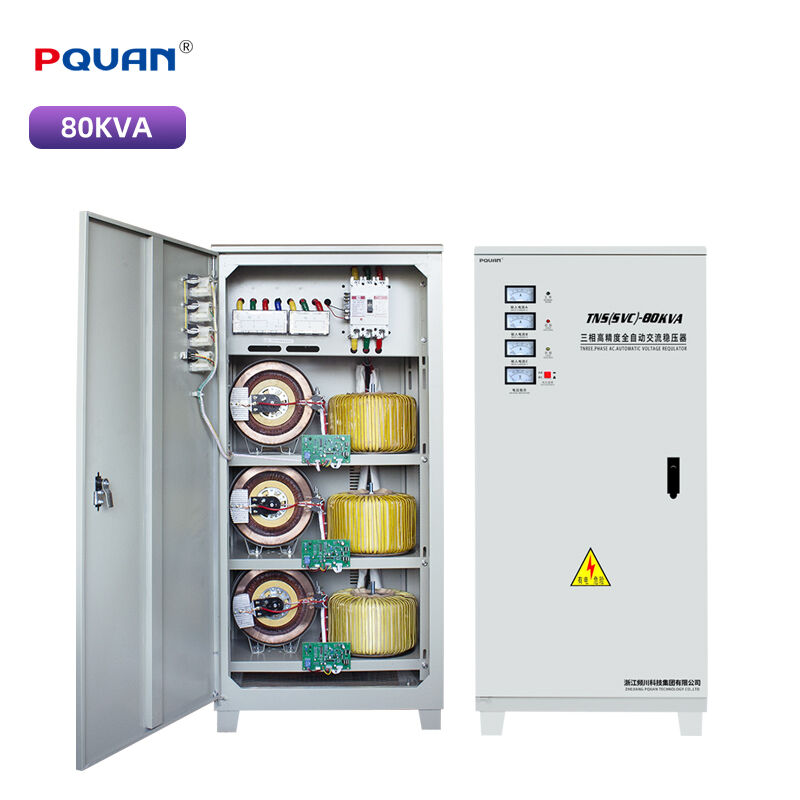
The voltage stabilizer for printing press fundamentally transforms print quality by ensuring that every electrical component receives precisely the voltage it needs throughout entire production runs. Modern printing technology relies heavily on sophisticated electronic controls that govern ink flow, paper feeding, registration alignment, and color management systems. These sensitive electronics demand stable power to function correctly, and even voltage variations of just five percent can produce noticeable defects in finished products. When voltage drops below optimal levels, servo motors lose torque, causing registration drift that results in blurry images or misaligned colors. Conversely, voltage spikes can cause motors to run too fast, creating paper jams, ink smearing, and mechanical stress. The voltage stabilizer for printing press eliminates these variables by maintaining output voltage within a tight tolerance band, typically plus or minus one percent of the target value. This precision allows color management systems to maintain consistent ink density across thousands of impressions, ensuring that the first sheet matches the last sheet perfectly. Digital printing presses benefit particularly from voltage stabilization because their computerized controls and LED exposure systems require extremely stable power for accurate dot placement and tonal reproduction. Commercial printers who install voltage stabilizers report dramatic reductions in makeready waste, as presses reach color approval faster and maintain consistency longer. The voltage stabilizer for printing press also protects against the cumulative effects of repeated voltage stress, which gradually degrades electronic components and leads to calibration drift over time. By providing clean power day after day, these stabilizers help printing equipment maintain factory specifications for years longer than unprotected machinery. Quality control becomes more predictable when voltage variables are removed from the equation, allowing press operators to focus on other process variables like substrate selection, ink formulation, and environmental conditions. Customers notice the difference in finished products, with sharper images, more vibrant colors, and better overall consistency from job to job.
 EN
EN