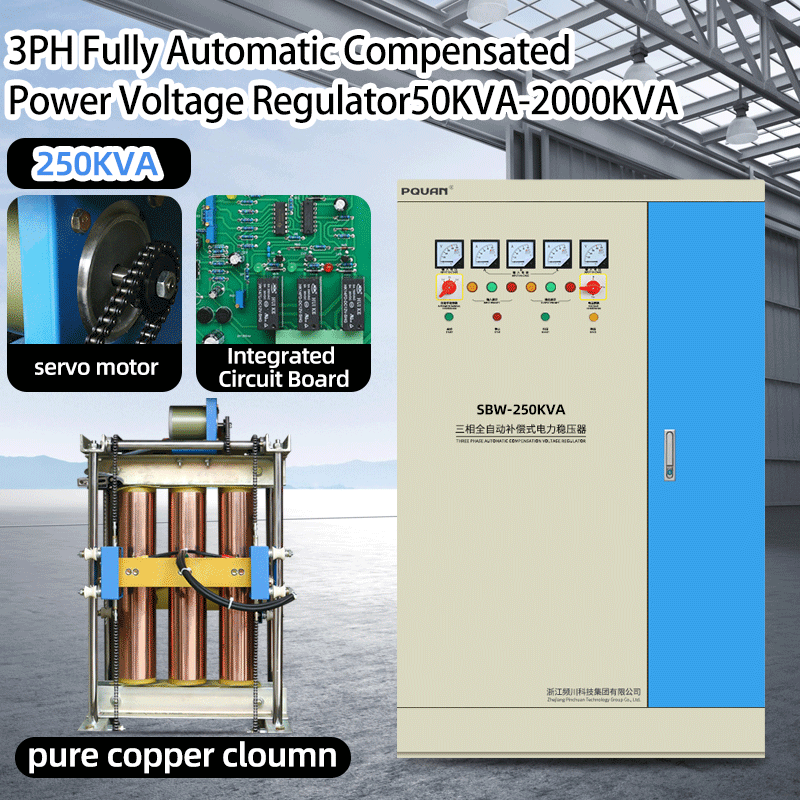
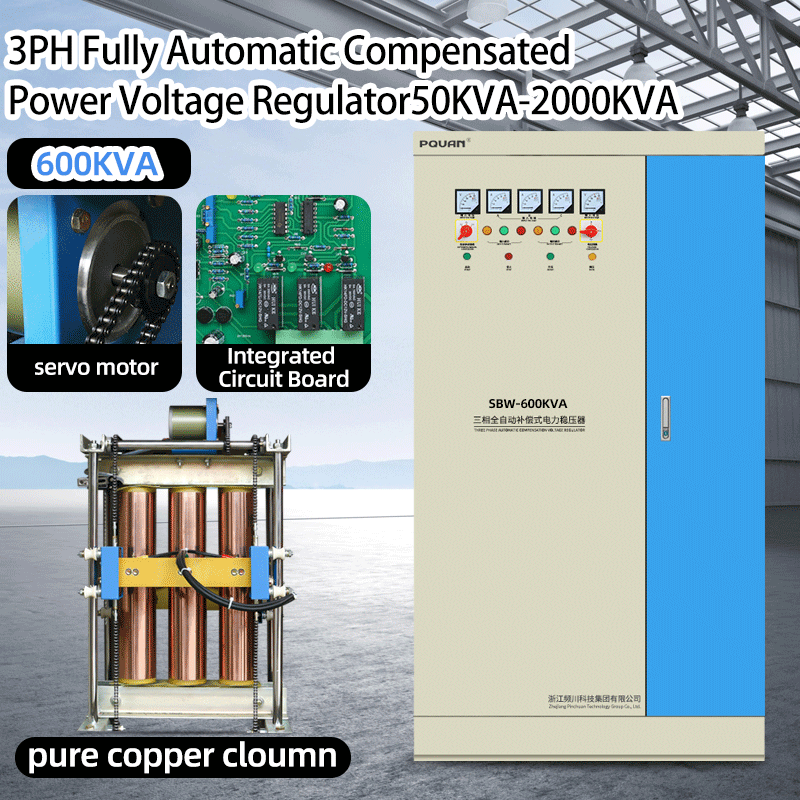
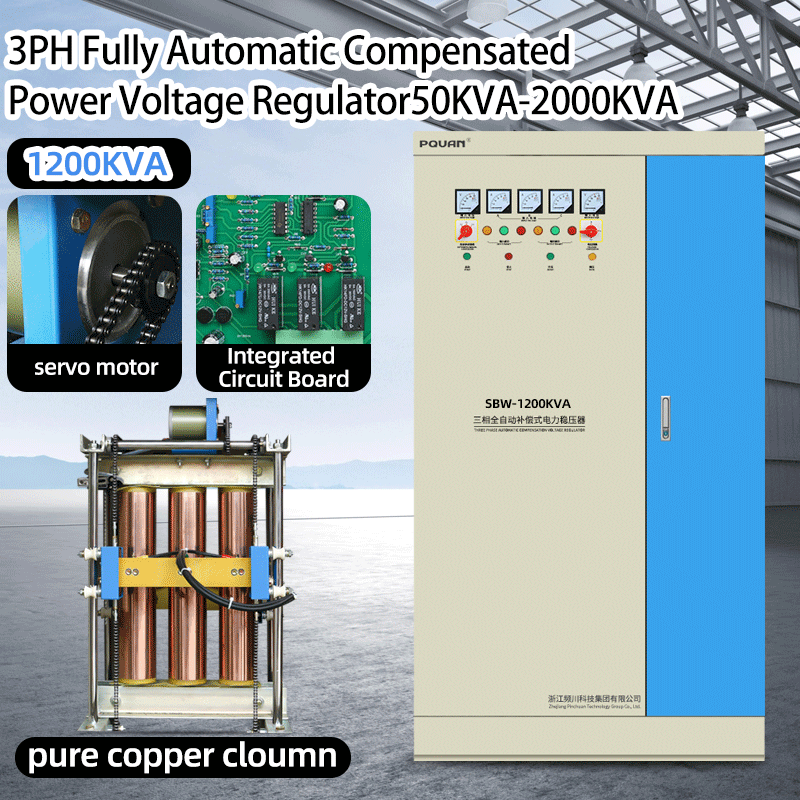
digital voltage stabilizer
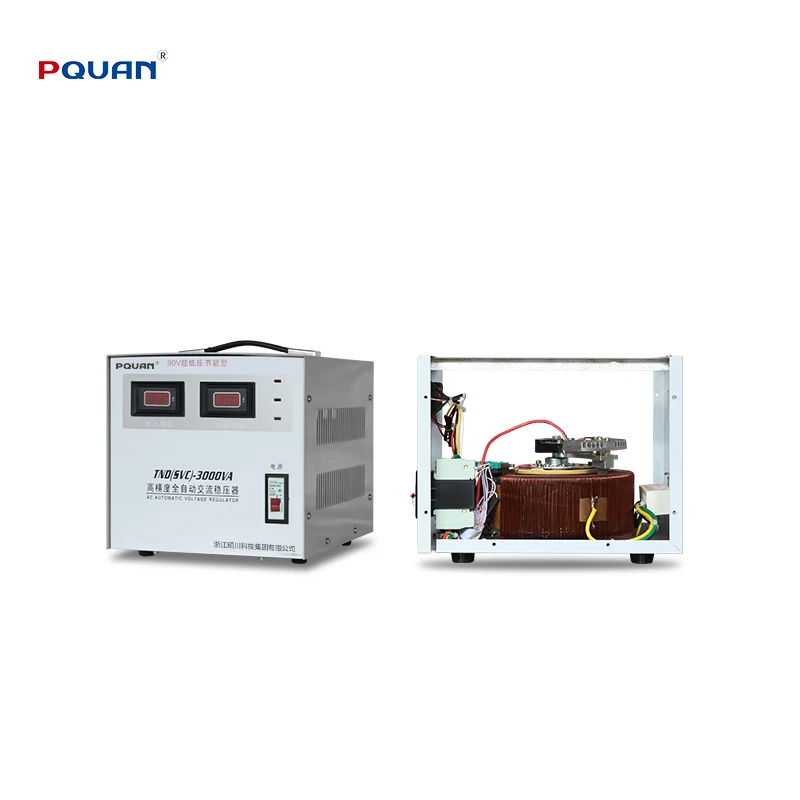
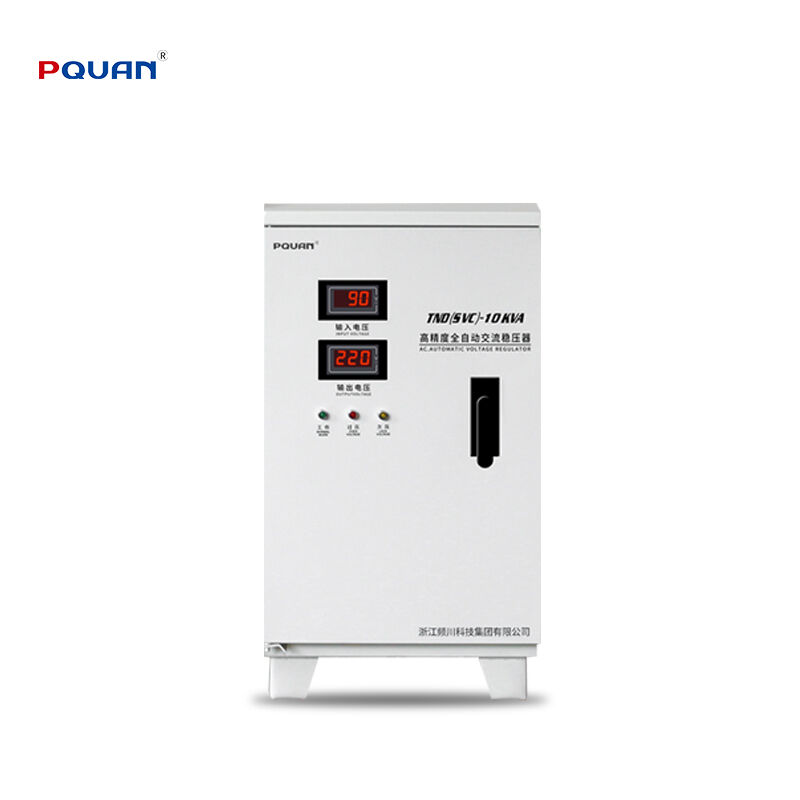
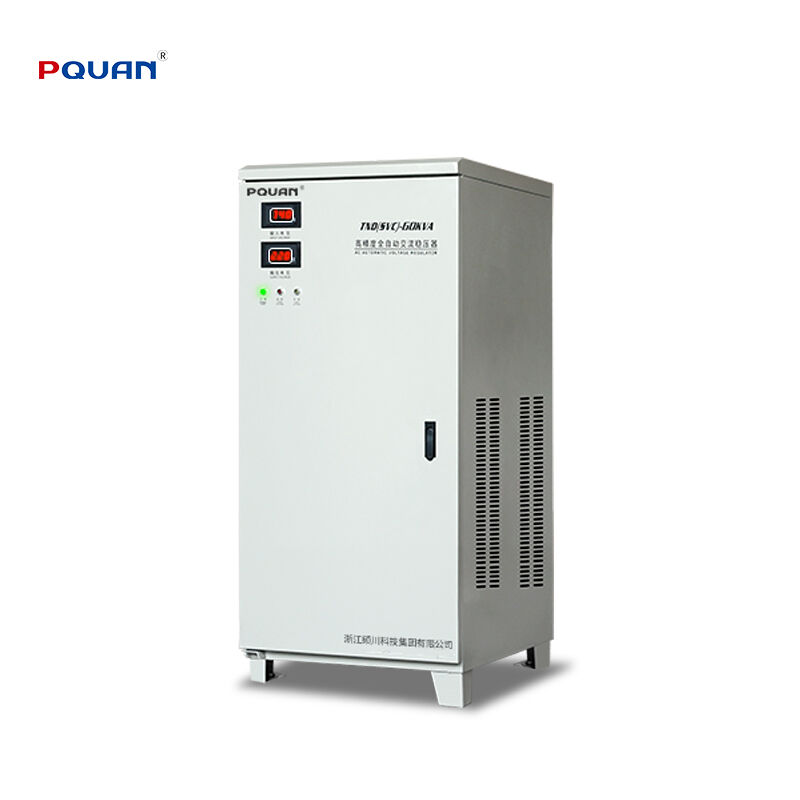
A digital voltage stabilizer represents an advanced power conditioning solution that protects electrical equipment from voltage fluctuations and ensures consistent power delivery. Unlike traditional analog stabilizers, this modern device uses microprocessor-based technology to monitor incoming voltage levels and make rapid adjustments to maintain stable output. The core function of a digital voltage stabilizer involves detecting variations in input voltage and automatically correcting them through precise electronic switching mechanisms. When voltage drops below or rises above the desired range, the stabilizer immediately compensates by adding or subtracting voltage increments to deliver a steady output that matches equipment requirements. This real-time correction happens within milliseconds, providing seamless protection without interrupting connected devices. The technological architecture incorporates sophisticated sensors that continuously measure voltage parameters, a digital control unit that processes this information and determines necessary corrections, and power electronics that execute the adjustments. Advanced models feature LCD displays showing real-time voltage readings, load percentages, and operational status, giving users complete visibility into their power conditions. Digital voltage stabilizers find applications across residential, commercial, and industrial environments. Homeowners use them to protect sensitive electronics like computers, televisions, and refrigerators from grid instability. Businesses deploy these devices to safeguard critical infrastructure including servers, networking equipment, medical devices, and manufacturing machinery. The stabilizer's ability to handle wide input voltage ranges while maintaining precise output makes it invaluable in regions experiencing frequent power quality issues. Modern digital voltage stabilizers also incorporate additional protective features such as overload protection, short circuit protection, and thermal overload safeguards. These built-in safety mechanisms ensure that both the stabilizer and connected equipment remain protected under abnormal conditions, extending equipment lifespan and reducing maintenance costs significantly.
 EN
EN