Industrial Voltage Stabilizers - Advanced Power Protection Solutions for Manufacturing

All Categories
Get a Quote
%}

Get a Free Quote

Our representative will contact you soon.
Email
Name
Company Name
Message
0/1000

industrial voltage stabilizer

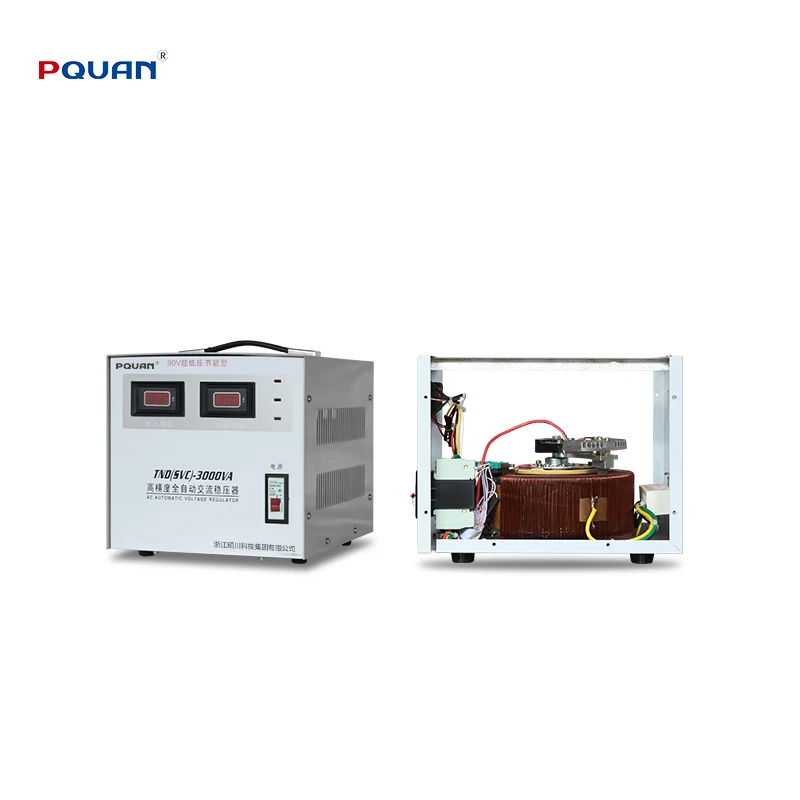
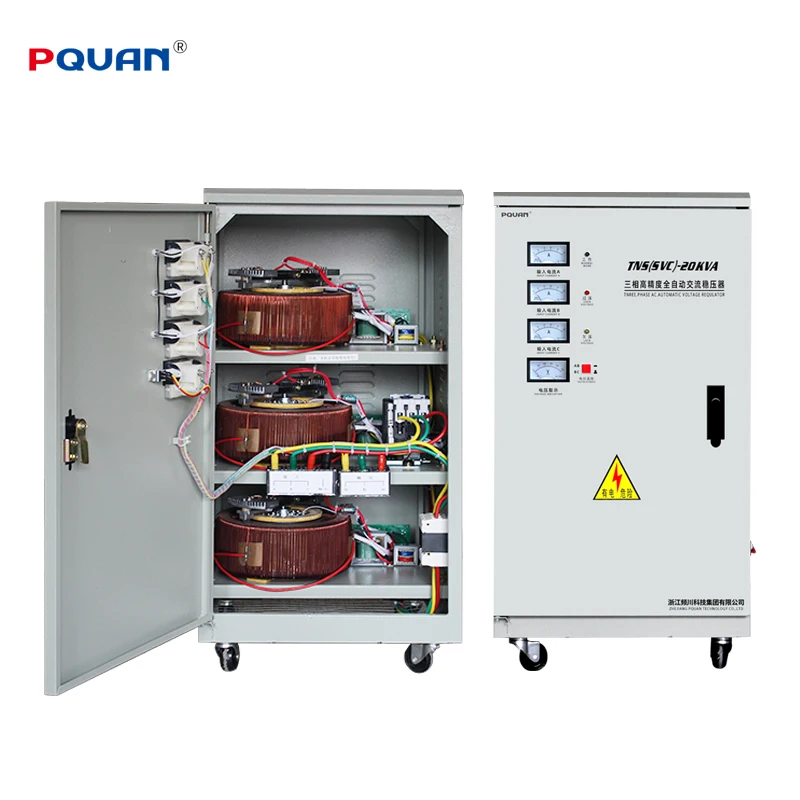
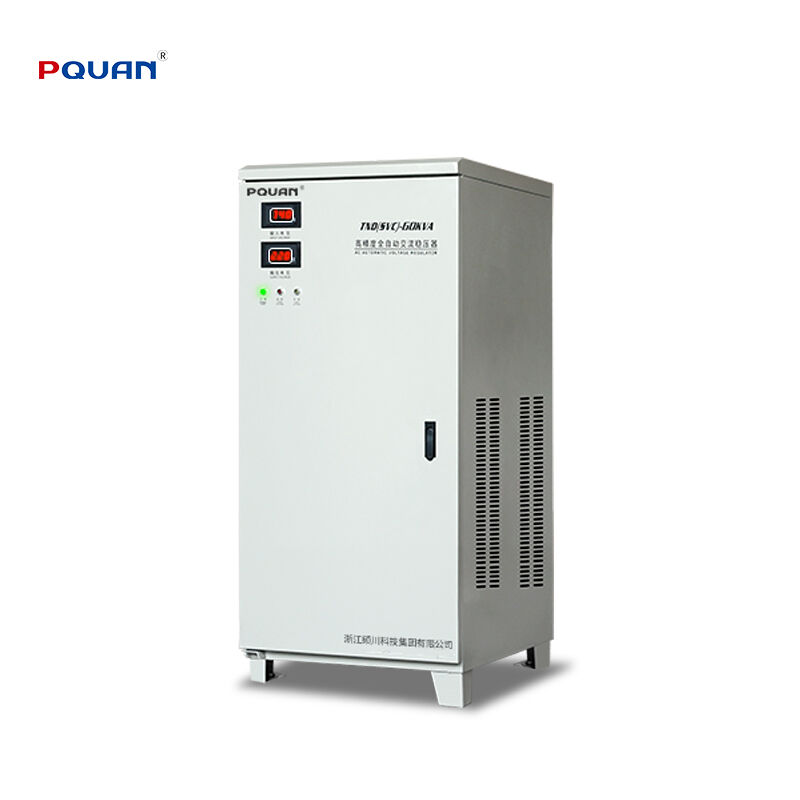
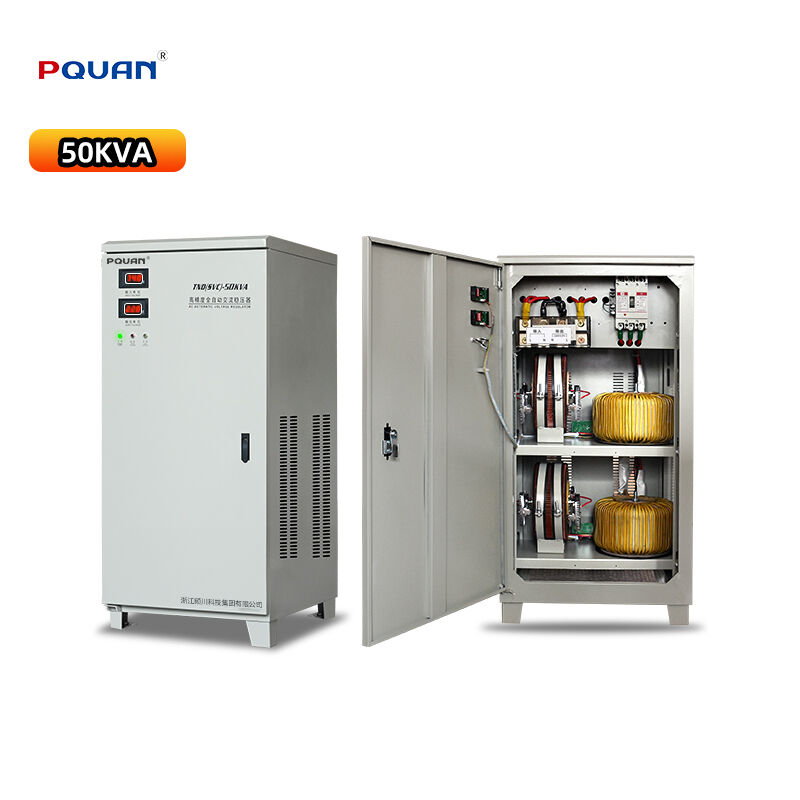
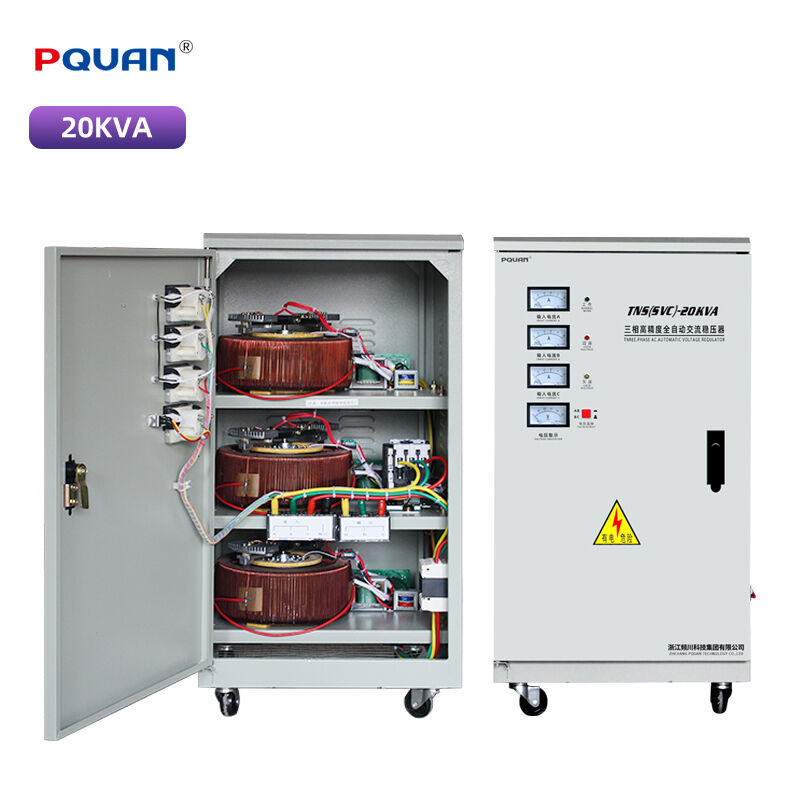
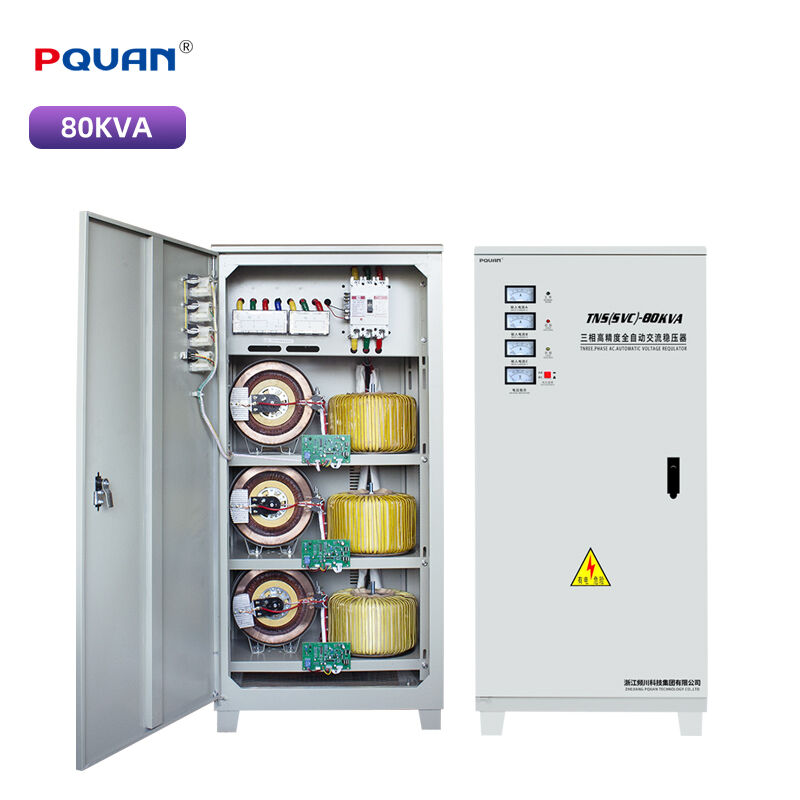
An industrial voltage stabilizer represents a critical power management solution designed to maintain consistent electrical supply across manufacturing facilities, production lines, and heavy-duty operations. This sophisticated equipment automatically regulates incoming voltage fluctuations, ensuring that connected machinery and systems receive stable power within predetermined parameters. The industrial voltage stabilizer operates through advanced servo motor technology, electronic controls, and precision transformers that continuously monitor and adjust voltage levels in real-time. Modern units incorporate microprocessor-based control systems that provide exceptional accuracy and response times measured in milliseconds. These stabilizers handle substantial power loads ranging from several kilowatts to multiple megawatts, making them suitable for diverse industrial applications including textile mills, chemical processing plants, steel manufacturing facilities, and automotive production lines. The technology features automatic voltage correction capabilities that compensate for grid fluctuations, voltage sags, surges, and harmonic distortions that commonly affect industrial power supplies. Built-in protection mechanisms safeguard against overcurrent conditions, short circuits, and phase imbalances while maintaining operational continuity. The industrial voltage stabilizer typically includes comprehensive monitoring systems with digital displays showing real-time voltage readings, load conditions, and operational status. Installation flexibility allows for both indoor and outdoor mounting configurations with weatherproof enclosures designed to withstand harsh industrial environments. Energy efficiency ratings often exceed 95 percent, minimizing operational costs while maximizing system reliability. The equipment supports various input voltage ranges and can accommodate different frequency requirements based on regional power grid specifications. Maintenance requirements remain minimal due to robust construction using high-grade materials and components selected for extended operational life in demanding industrial settings.

New Product Recommendations

Industrial voltage stabilizers deliver substantial operational benefits that directly impact productivity and equipment longevity across manufacturing environments. The primary advantage lies in protecting expensive machinery from voltage-related damage, which prevents costly repairs and unexpected downtime that can halt entire production lines. These stabilizers eliminate the need for frequent equipment replacements by maintaining optimal operating conditions for motors, drives, control systems, and sensitive electronic components. Manufacturers experience significant cost savings through reduced maintenance expenses and extended equipment lifecycles when implementing proper voltage stabilization. The industrial voltage stabilizer enhances product quality consistency by ensuring that production machinery operates within specified electrical parameters, reducing variations in manufacturing processes that can lead to defective products or quality control issues. Energy efficiency improvements result from optimized equipment performance, as motors and electrical systems consume less power when supplied with stable voltage levels, translating to lower electricity bills and improved sustainability metrics. Production reliability increases dramatically because voltage fluctuations no longer cause unexpected equipment shutdowns, process interruptions, or system malfunctions that disrupt manufacturing schedules. The stabilizer provides insurance against power grid instabilities common in industrial areas, where multiple facilities draw substantial loads that create voltage variations throughout the distribution network. Installation simplicity allows integration into existing electrical infrastructure without major modifications or extended shutdown periods. Operators gain peace of mind knowing their critical equipment receives consistent power protection around the clock. The technology adapts automatically to changing load conditions and input voltage variations without requiring manual intervention or constant monitoring. Remote monitoring capabilities enable facility managers to track power quality metrics and receive alerts about potential issues before they impact operations. Compliance with international electrical standards ensures safe operation while meeting regulatory requirements for industrial facilities. Return on investment typically occurs within months through avoided equipment damage and reduced energy consumption.

Tips And Tricks

Pakistani Customers Visit PQUAN for Inspection and Exchange

09

Feb

Pakistani Customers Visit PQUAN for Inspection and Exchange

View More
How to Choose Voltage Regulator Power: A Concise Guide for Industrial & Commercial Users

23

Jan

How to Choose Voltage Regulator Power: A Concise Guide for Industrial & Commercial Users

View More
A Complete Guide to Selecting the Right Variable Frequency Drive (VFD) Model

03

Mar

A Complete Guide to Selecting the Right Variable Frequency Drive (VFD) Model

View More

Get a Free Quote

Our representative will contact you soon.
Email
Name
Company Name
Message
0/1000

industrial voltage stabilizer

Advanced Servo Motor Technology for Precise Voltage Control

Advanced Servo Motor Technology for Precise Voltage Control

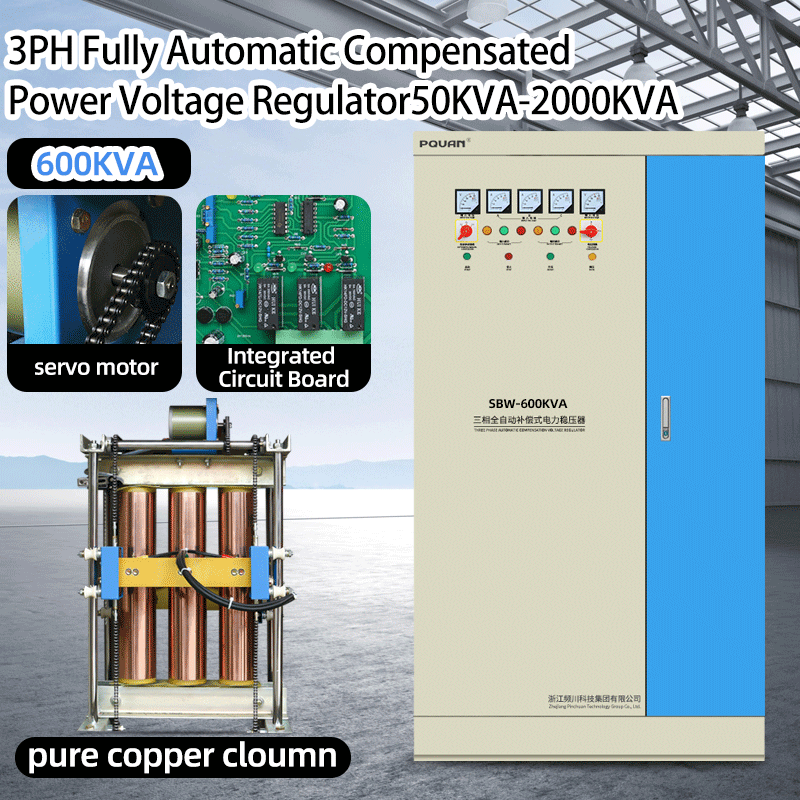
The cornerstone of modern industrial voltage stabilizer systems lies in their sophisticated servo motor technology, which provides unmatched precision in voltage regulation compared to traditional stabilization methods. This advanced mechanism employs high-torque servo motors coupled with precision gear systems that enable minute adjustments to transformer tap positions, achieving voltage accuracy within plus or minus one percent of the desired output level. The servo motor responds to control signals generated by microprocessor-based monitoring circuits that continuously sample input and output voltages at frequencies exceeding 1000 times per second, ensuring instantaneous detection of voltage variations and immediate corrective action. This technology eliminates the hunting and overshooting problems associated with older relay-based or contactor-operated stabilizers, providing smooth and continuous voltage correction without mechanical stress on connected equipment. The servo system operates silently and efficiently, consuming minimal power during normal operation while delivering maximum performance during voltage correction cycles. Advanced position feedback sensors ensure accurate motor positioning and prevent mechanical drift that could compromise voltage regulation accuracy over time. The servo motor assembly includes thermal protection and overload safeguards that prevent damage during extreme operating conditions while maintaining system availability. Maintenance requirements for servo-based systems remain minimal due to the absence of wearing contacts or switching elements, with typical service intervals extending several years between required inspections. The technology adapts seamlessly to varying load conditions, automatically adjusting correction speed and magnitude based on the severity of voltage disturbances and the electrical characteristics of connected equipment. This intelligent response capability prevents overcorrection that could create secondary voltage disturbances while ensuring rapid stabilization when needed. The servo motor technology enables the industrial voltage stabilizer to handle both gradual voltage drifts and sudden voltage changes with equal effectiveness, providing comprehensive protection against all types of power quality issues that affect industrial operations.
Comprehensive Protection Systems for Equipment Safety

Comprehensive Protection Systems for Equipment Safety

Industrial voltage stabilizers incorporate multiple layers of protection systems designed to safeguard both the stabilizer itself and all connected electrical equipment from various power quality issues and fault conditions. The primary protection suite includes overvoltage and undervoltage monitoring circuits that immediately disconnect the load when input voltages exceed safe operating limits, preventing damage to sensitive equipment that could occur during severe grid disturbances or utility switching operations. Overcurrent protection utilizes sophisticated current transformers and electronic trip units that provide precise protection against overload conditions while allowing temporary inrush currents associated with motor starting and transformer energization. Phase monitoring systems continuously verify proper phase rotation, voltage balance between phases, and phase continuity, automatically shutting down three-phase loads when dangerous conditions such as phase loss or reverse rotation are detected. Short circuit protection employs high-speed circuit breakers or fuses designed to interrupt fault currents within milliseconds, preventing damage to downstream equipment and minimizing the impact of electrical faults on facility operations. Harmonic filtering capabilities reduce distortion levels in the electrical supply, protecting sensitive electronic equipment from interference and improving overall power quality for connected loads. Temperature monitoring systems track internal component temperatures and activate cooling systems or protection circuits when thermal limits approach, ensuring reliable operation even under high ambient temperatures or heavy load conditions. Ground fault detection circuits identify insulation failures or accidental contact with live conductors, triggering protective actions that prevent electrical hazards and equipment damage. The protection systems feature configurable settings that allow customization based on specific application requirements and connected equipment characteristics. Diagnostic capabilities provide detailed fault analysis and event logging, enabling maintenance personnel to identify recurring problems and implement preventive measures. Emergency bypass switches allow manual override of protection systems when necessary for critical operations, while maintaining basic voltage monitoring to alert operators of potentially dangerous conditions.
Energy Efficiency and Cost Reduction Benefits

Energy Efficiency and Cost Reduction Benefits

The energy efficiency characteristics of modern industrial voltage stabilizers deliver substantial cost reduction benefits that significantly improve the total cost of ownership for industrial electrical systems. These stabilizers typically achieve efficiency ratings exceeding 95 percent under normal operating conditions, meaning less than five percent of the processed electrical energy is lost as heat during the voltage regulation process. This high efficiency translates directly to lower electricity bills, as the stabilizer adds minimal energy consumption while potentially reducing overall facility power usage through improved equipment efficiency. Connected motors and electrical equipment operate more efficiently when supplied with optimal voltage levels, drawing less current and consuming less power than when operating with voltage variations that force them outside their designed efficiency curves. The industrial voltage stabilizer eliminates voltage-related inefficiencies that cause motors to draw excessive current during low voltage conditions or operate at reduced capacity during high voltage situations. Power factor improvement often occurs as a secondary benefit, as stable voltage conditions enable motors and other inductive loads to maintain better power factor characteristics, potentially reducing demand charges and improving electrical system capacity utilization. Reduced maintenance costs result from decreased wear and tear on electrical equipment that operates consistently within design parameters, extending service intervals and reducing replacement part requirements. Energy monitoring capabilities built into advanced stabilizer systems provide detailed consumption data that enables facility managers to identify energy waste and optimize operations for maximum efficiency. The stabilizer prevents energy losses associated with equipment malfunctions, production delays, and quality issues that result from voltage-related problems affecting manufacturing processes. Predictive maintenance features analyze electrical parameters and equipment performance trends, enabling proactive maintenance scheduling that prevents costly emergency repairs and unplanned downtime. Investment payback periods typically range from six months to two years depending on facility size and local electricity costs, with ongoing savings continuing throughout the stabilizer's operational life exceeding fifteen years. Government incentives and utility rebates may further improve the economic benefits of installing energy-efficient voltage stabilization equipment.
Industrial Voltage Stabilizers - Advanced Power Protection Solutions for Manufacturing

Get a Free Quote

Our representative will contact you soon.
Email
Name
Company Name
Message
0/1000