Precise Process Control and System Optimization for Superior Performance
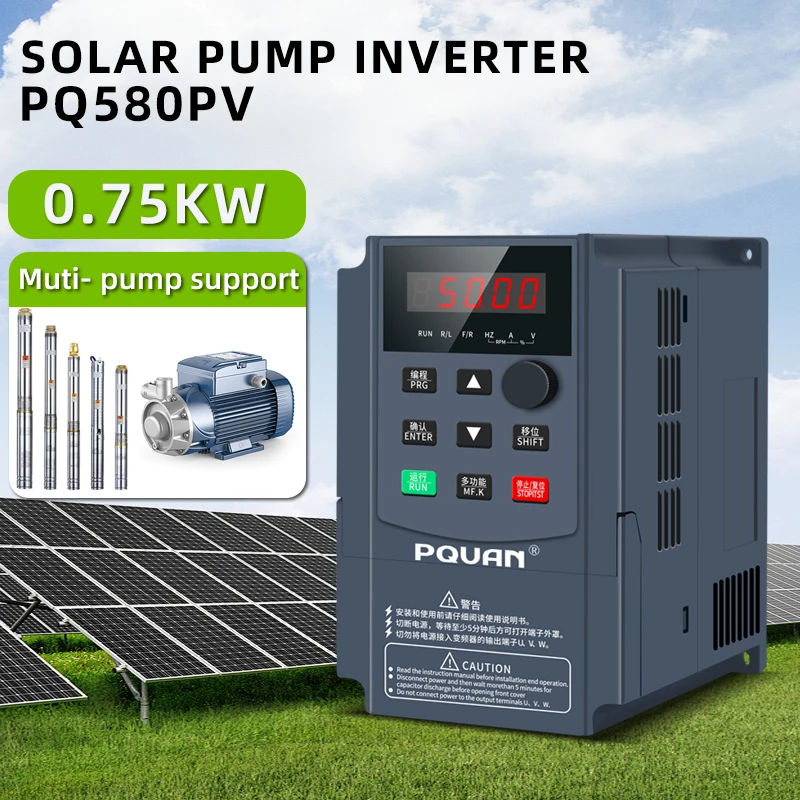
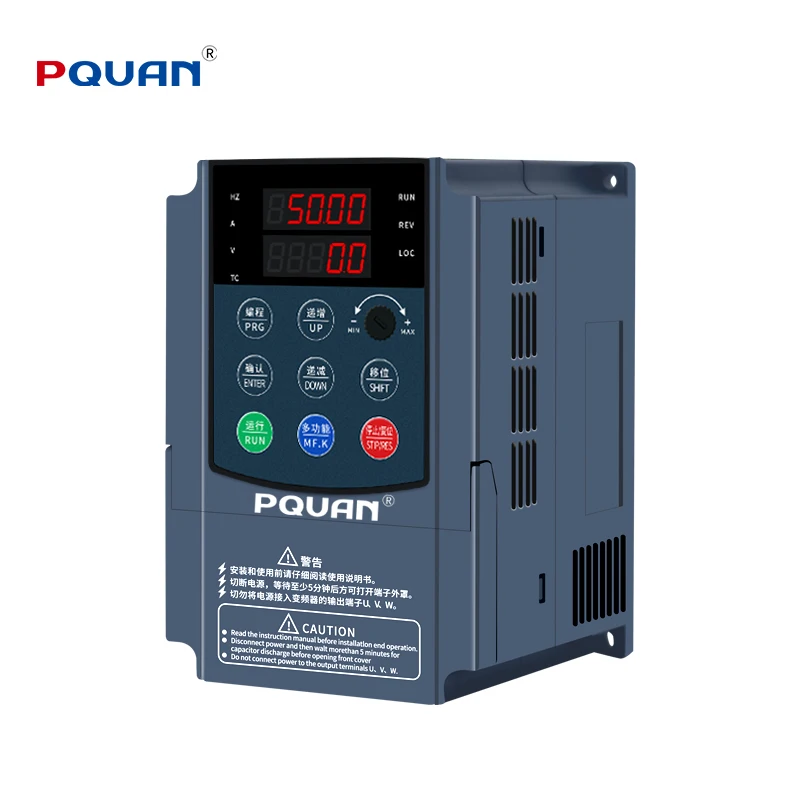
The implementation of a VFD drive for pump systems delivers unprecedented process control capabilities that transform basic fluid movement into precision-engineered performance optimization. Traditional pumping systems operate as simple on-off devices, either running at full speed or completely stopped, creating wide fluctuations in system pressure and flow that compromise process quality, waste resources, and frustrate operators attempting to maintain stable conditions. Variable frequency drives replace this crude control approach with infinitely adjustable speed regulation that maintains target parameters within tight tolerances regardless of changing demand or system conditions. A VFD drive for pump applications receives continuous feedback from pressure transducers, flow meters, level sensors, or temperature probes, comparing actual conditions against programmed setpoints and adjusting motor speed millisecond-by-millisecond to eliminate deviations. This closed-loop control delivers stable pressure in building water systems that prevents faucet flow variations and equipment damage from pressure spikes. Manufacturing processes benefit from consistent flow rates that ensure precise chemical mixing ratios, optimal cooling or heating, and uniform product quality. HVAC systems maintain comfortable temperatures and humidity levels by matching chilled water or condenser water flow exactly to thermal loads. The sophisticated control algorithms within modern VFD drives for pumps include PID functionality that automatically tunes control parameters to system characteristics, eliminating the trial-and-error adjustment process required with traditional controllers. Advanced features such as sleep mode automatically stop pumps during no-demand periods, then restart them instantly when flow is needed, preventing energy waste without sacrificing response time. Multi-pump control capabilities allow a single VFD drive for pump installations to sequence multiple pumps intelligently, distributing runtime evenly to balance wear, bringing additional capacity online smoothly as demand increases, and optimizing the number of operating pumps to maximize system efficiency at every load point. Pressure compensation algorithms adjust setpoints based on system conditions, reducing pressure during low-demand periods to save energy while ensuring adequate pressure during peak usage. Flow limiting prevents system overload and protects equipment from operating beyond design parameters. A VFD drive for pump systems integrates seamlessly with facility automation infrastructure through industry-standard communication protocols including Modbus, BACnet, Profibus, and Ethernet IP, enabling centralized monitoring and control from building management systems or industrial control platforms. Remote access capabilities allow operators and maintenance personnel to monitor performance, adjust parameters, diagnose problems, and optimize efficiency from anywhere with network connectivity. Data logging functions record operating parameters continuously, creating detailed performance histories that support predictive maintenance programs, energy audits, and system optimization initiatives while providing documentation for regulatory compliance and performance verification requirements.
 EN
EN