Low Voltage Stabilizer Solutions - Protect Equipment and Ensure Reliable Power Supply

All Categories
Get a Quote
%}

Get a Free Quote

Our representative will contact you soon.
Email
Mobile/WhatsApp
Name
Message
0/1000

low voltage stabilizer

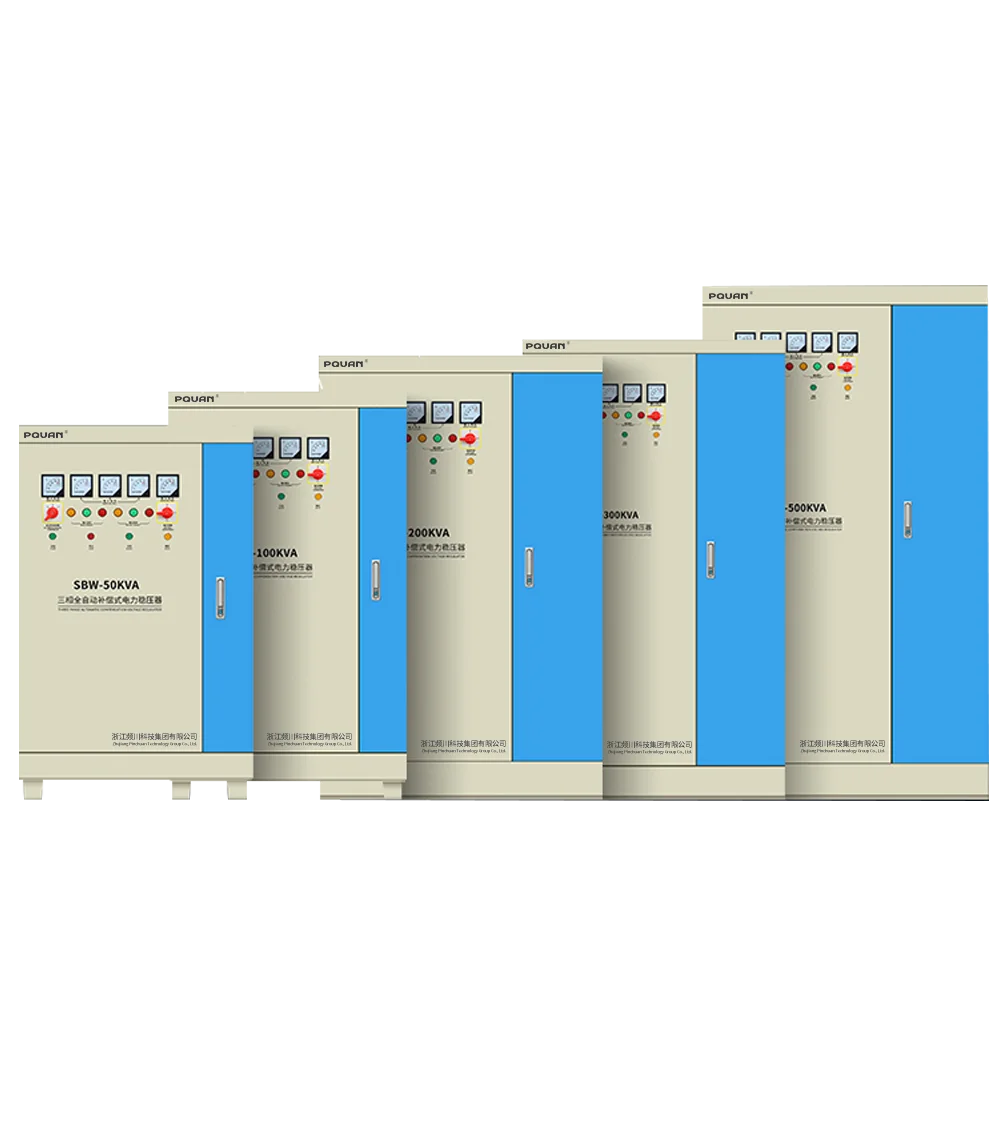
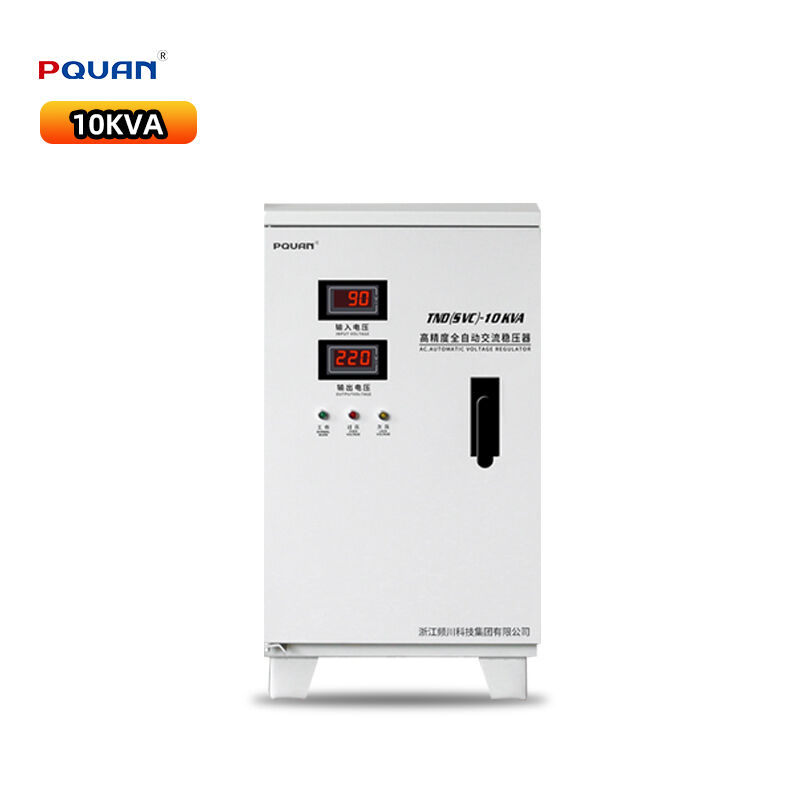
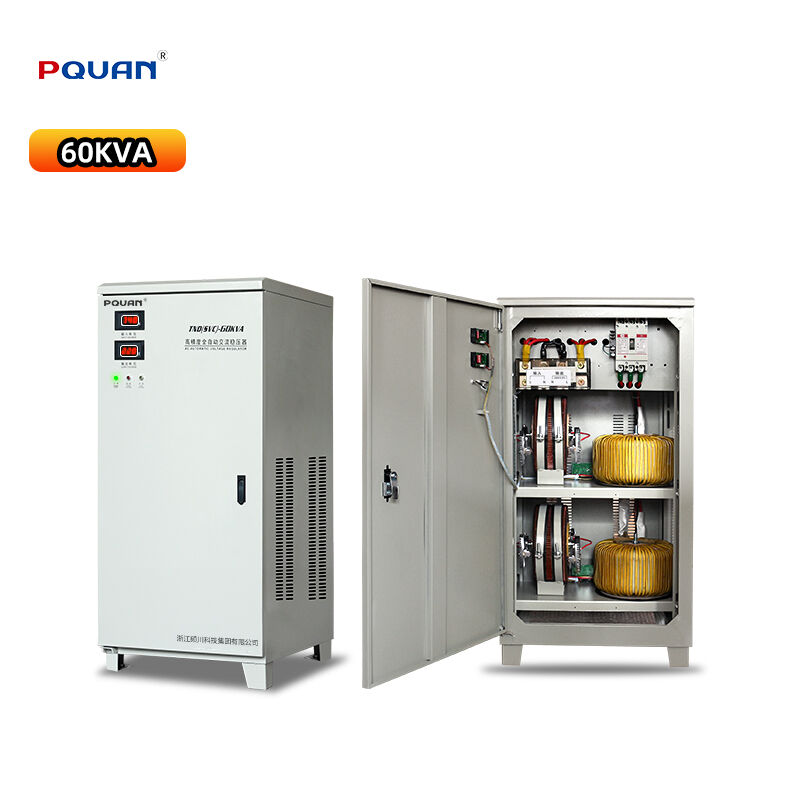
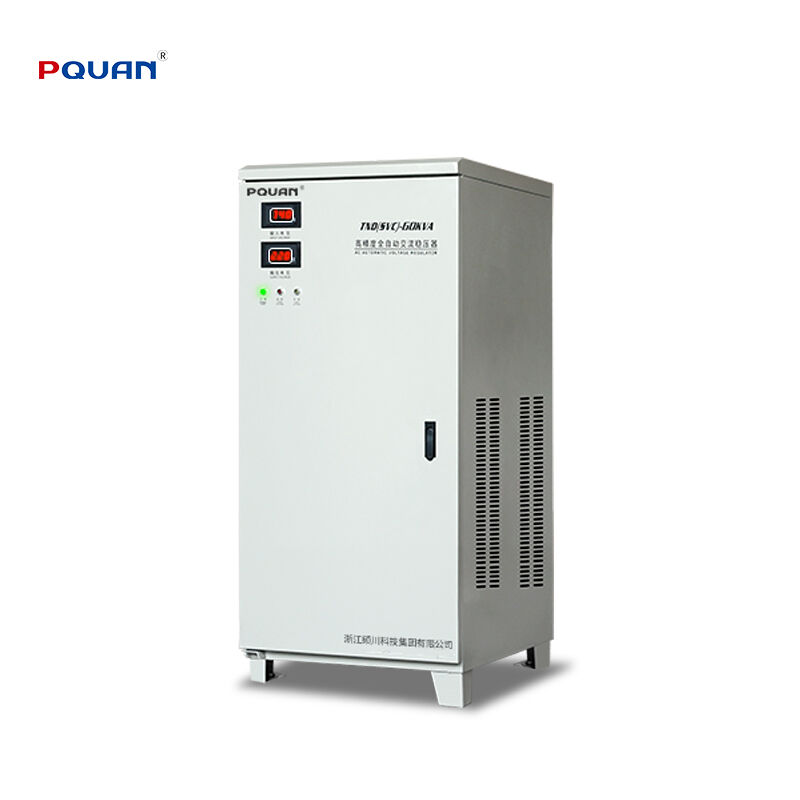
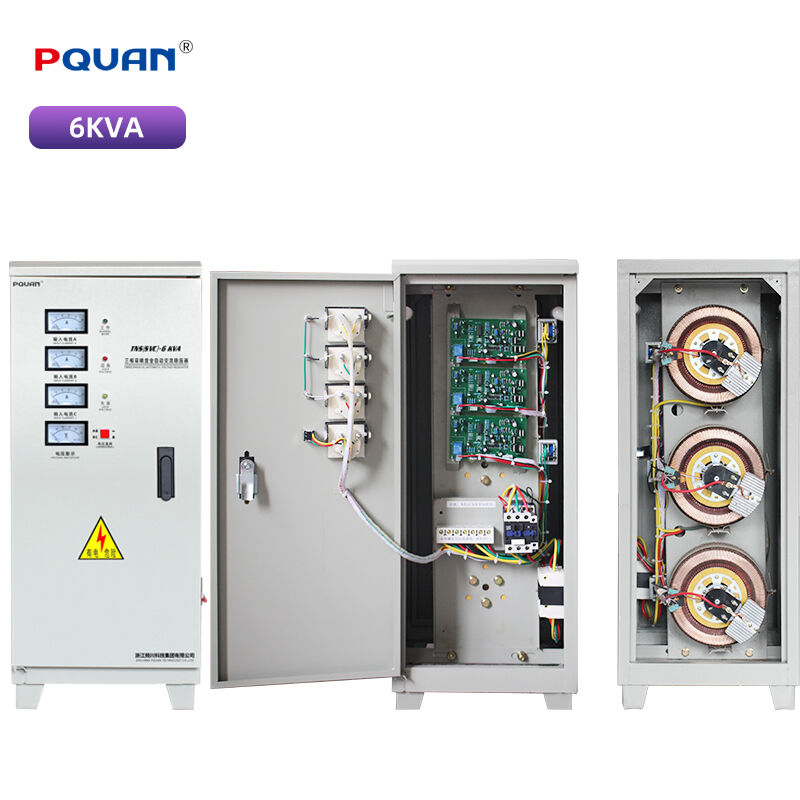
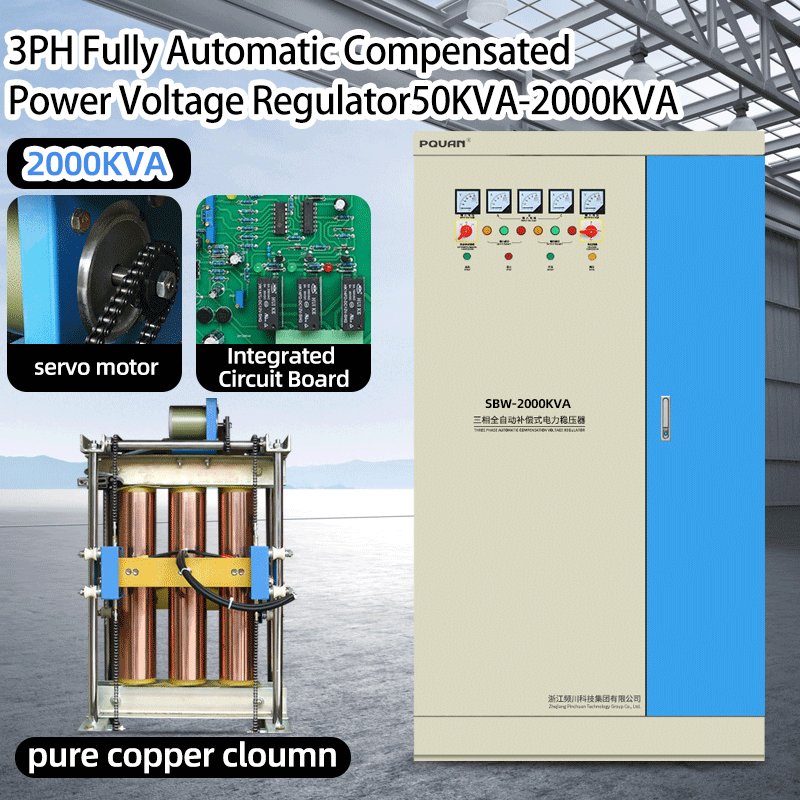
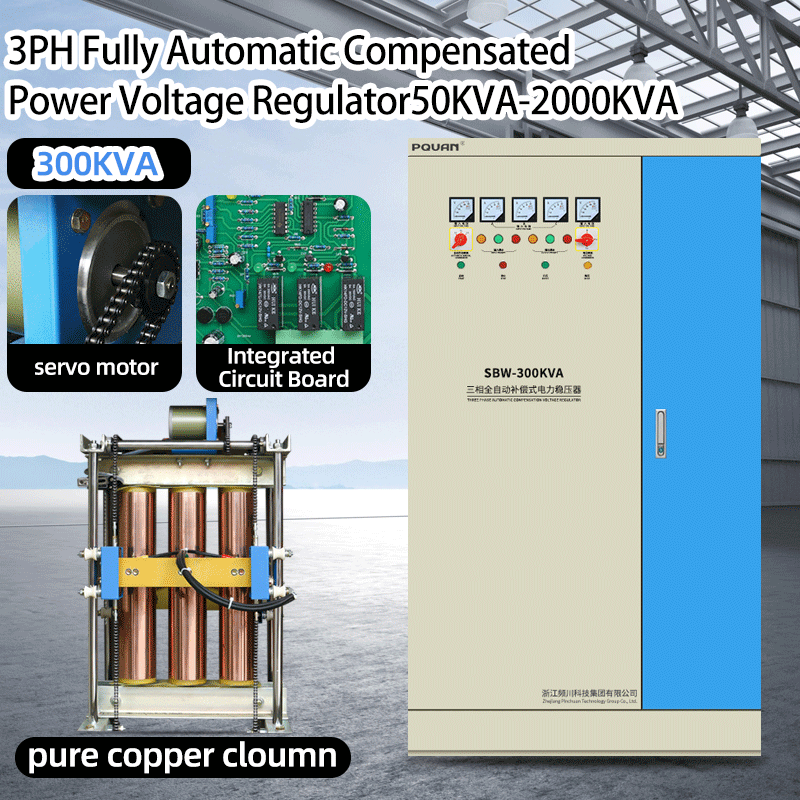
A low voltage stabilizer represents an essential electrical device designed to maintain consistent voltage output even when input voltage fluctuates or drops below standard levels. This sophisticated equipment protects sensitive electronics and machinery from the damaging effects of voltage variations, ensuring optimal performance and longevity of connected devices. The primary function of a low voltage stabilizer involves detecting incoming voltage irregularities and automatically adjusting the output to deliver stable, reliable power within acceptable parameters. Modern low voltage stabilizer units incorporate advanced circuitry and intelligent monitoring systems that respond instantaneously to voltage changes, providing seamless protection without interrupting operations. These devices find widespread application across residential, commercial, and industrial settings where power quality issues threaten equipment reliability. The technological foundation of a low voltage stabilizer typically includes transformer-based regulation, semiconductor switching components, and microprocessor control systems that work in harmony to maintain voltage stability. Unlike traditional stabilizers that only address high voltage scenarios, a low voltage stabilizer specifically targets situations where incoming power falls below required thresholds, making it invaluable in areas experiencing frequent brownouts or inadequate power supply infrastructure. The device functions by boosting insufficient voltage levels through step-up transformation, ensuring that connected equipment receives adequate power for normal operation. Applications span diverse sectors including healthcare facilities requiring uninterrupted power for critical medical equipment, manufacturing plants operating precision machinery, data centers protecting valuable server infrastructure, and residential installations safeguarding expensive home appliances and entertainment systems. The importance of a low voltage stabilizer becomes particularly evident in regions with unstable electrical grids or during peak demand periods when voltage sag commonly occurs. By implementing this protective technology, users effectively eliminate the risks associated with undervoltage conditions such as equipment malfunction, reduced operational efficiency, premature component failure, and costly downtime that impacts productivity and profitability.

New Products

Implementing a low voltage stabilizer delivers numerous practical benefits that directly impact operational reliability and cost efficiency. First and foremost, this technology extends equipment lifespan significantly by preventing the stress and damage caused by insufficient voltage supply. When electrical devices operate under low voltage conditions, they draw excessive current to compensate, generating heat that degrades internal components and accelerates wear. A low voltage stabilizer eliminates this problem by ensuring consistent voltage delivery, allowing machinery and electronics to function within their designed parameters. This protection translates into substantial cost savings by reducing repair expenses and postponing expensive equipment replacements. Additionally, maintaining proper voltage levels optimizes energy consumption, as devices operating efficiently use less power than those struggling under suboptimal conditions. Users notice reduced electricity bills alongside improved performance, creating a compelling return on investment. The reliability factor cannot be overstated, particularly for businesses where equipment downtime directly affects revenue generation. A low voltage stabilizer provides peace of mind by creating a buffer against power quality issues that would otherwise interrupt operations unexpectedly. Installation proves straightforward, with most units designed for simple integration into existing electrical systems without requiring extensive modifications or specialized expertise. The technology operates automatically without manual intervention, continuously monitoring incoming voltage and making instantaneous adjustments as needed. This hands-off operation means users benefit from protection without adding complexity to their daily routines. Modern low voltage stabilizer models feature compact designs that minimize space requirements while delivering robust performance, making them suitable for environments where installation area is limited. The durability of quality stabilizers ensures years of reliable service with minimal maintenance requirements, further enhancing their value proposition. Safety represents another critical advantage, as these devices include built-in protection mechanisms against overload, short circuits, and other electrical faults that could pose hazards. By stabilizing voltage, the technology also reduces electromagnetic interference and electrical noise that can affect sensitive electronic equipment, improving overall system performance. For businesses operating in competitive markets, the consistency enabled by a low voltage stabilizer supports quality control efforts by ensuring production equipment maintains precise operating conditions. Similarly, residential users enjoy improved performance from air conditioners, refrigerators, computers, and entertainment systems that function optimally when receiving stable power. The versatility of low voltage stabilizer technology accommodates various load capacities and voltage ranges, allowing customization to specific application requirements and ensuring appropriate protection regardless of installation context or connected equipment characteristics.

Tips And Tricks

Voltage Regulator Types: Which One Is Right for Your Application?

17

Mar

Voltage Regulator Types: Which One Is Right for Your Application?

In the industrial sector, maintaining a steady, reliable power supply is essential to safeguarding sophisticated automated machinery, high-precision laboratory instruments, and data infrastructures. A voltage regulator serves as a vital safeguard aga...
View More
Voltage Stabilizer: Reliable Protection for Your Low-Voltage Electrical System

30

Apr

Voltage Stabilizer: Reliable Protection for Your Low-Voltage Electrical System

Maintaining stable power quality within low-voltage distribution networks is one of the most critical challenges faced by modern industrial facilities. Fluctuations in grid voltage, such as sudden voltage sags or high-energy surges, can severely comp...
View More
Automatic Voltage Regulator vs. Manual Voltage Stabilizer: Which Is Better?

21

May

Automatic Voltage Regulator vs. Manual Voltage Stabilizer: Which Is Better?

Electrical grid instability is a constant challenge for modern industrial facilities and commercial infrastructure. Power fluctuations, ranging from sudden voltage sags during peak demand hours to high-energy transient spikes caused by lightning, can...
View More
VFD Drive Troubleshooting: Common Issues and Quick Fixes

13

May

VFD Drive Troubleshooting: Common Issues and Quick Fixes

Variable Frequency Drives (VFDs) are the unsung heroes of modern industrial automation. By controlling the speed and torque of AC motors, a VFD drive optimizes energy consumption, reduces mechanical wear, and enhances process control across various...
View More

Get a Free Quote

Our representative will contact you soon.
Email
Mobile/WhatsApp
Name
Message
0/1000

low voltage stabilizer

Advanced Voltage Regulation Technology Ensures Uninterrupted Operations

Advanced Voltage Regulation Technology Ensures Uninterrupted Operations

The core technological innovation within a low voltage stabilizer lies in its sophisticated voltage regulation mechanism that combines precision engineering with intelligent control systems. This advanced technology continuously monitors incoming electrical supply through high-sensitivity sensors that detect even minor voltage fluctuations within milliseconds. When the system identifies voltage dropping below preset thresholds, it activates automatic correction protocols that boost the supply to required levels without any perceptible delay. The regulation process employs step-up transformer technology enhanced by electronic switching circuits that provide smooth, graduated voltage adjustment rather than abrupt changes that could stress connected equipment. Modern low voltage stabilizer units incorporate microprocessor-based control systems that analyze voltage patterns, predict potential issues, and preemptively adjust output to maintain absolute stability. This intelligent operation distinguishes contemporary models from older mechanical designs, delivering superior performance with faster response times and greater accuracy. The technology accommodates wide input voltage ranges, functioning effectively even when supply voltage drops significantly below nominal levels, which proves essential in areas with chronically weak electrical infrastructure. Users benefit from seamless operation as the low voltage stabilizer works invisibly in the background, correcting power quality issues before they impact connected devices. The regulation accuracy typically achieves tolerance levels within plus or minus one percent, ensuring that sensitive equipment receives precisely calibrated power regardless of input variations. This level of precision proves critical for applications involving computer systems, medical instruments, laboratory equipment, and industrial automation where even slight voltage deviations can cause errors or malfunctions. The technology also incorporates voltage surge suppression capabilities, providing comprehensive protection against both low voltage conditions and sudden spikes that occasionally occur when supply is restored after outages. This dual protection feature enhances the value proposition by addressing multiple power quality challenges through a single integrated solution. The robust construction of quality low voltage stabilizer units ensures reliable performance across varying environmental conditions, with designs that withstand temperature fluctuations, humidity, and other factors that might affect operation in real-world installations. Energy efficiency considerations have been integrated into modern designs, with circuitry optimized to minimize power losses during the regulation process, ensuring that the protective benefit does not come at the cost of wasted electricity or excessive heat generation that would require additional cooling measures.
Comprehensive Equipment Protection Delivers Long-Term Cost Savings

Comprehensive Equipment Protection Delivers Long-Term Cost Savings

The protective capabilities of a low voltage stabilizer extend far beyond simple voltage correction, delivering comprehensive safeguarding that preserves equipment integrity and generates significant long-term financial benefits. When electrical devices operate under insufficient voltage conditions, they experience multiple forms of stress that accumulate over time and eventually cause failures requiring expensive repairs or complete replacement. Motors, which are particularly vulnerable to low voltage, draw excessive current when supply drops, causing windings to overheat and insulation to degrade rapidly. A low voltage stabilizer prevents this destructive scenario by maintaining adequate voltage that allows motors to operate within safe current limits, effectively multiplying their service life. Similarly, electronic components in computers, control systems, and communication equipment depend on stable voltage for proper function, with undervoltage conditions causing data corruption, processing errors, and premature component failure. The protection provided by a low voltage stabilizer eliminates these risks, ensuring reliable operation and preserving valuable data and system integrity. The economic impact becomes clear when considering replacement costs for damaged equipment, which often run into thousands of dollars for industrial machinery or specialized electronics. By preventing these failures, a low voltage stabilizer typically pays for itself within months through avoided repair costs alone, with continued savings accumulating throughout its operational lifespan. Businesses also benefit from eliminated downtime costs, which represent an often-overlooked expense that can exceed direct repair costs significantly. When critical equipment fails due to voltage issues, operations halt, productivity suffers, delivery schedules are missed, and customer satisfaction declines. A low voltage stabilizer prevents these disruptions by ensuring continuous, reliable power that keeps operations running smoothly regardless of external power quality variations. The protection extends to warranty preservation, as many equipment manufacturers void warranties when failures result from improper power supply conditions. Users who implement low voltage stabilizer protection maintain warranty coverage and can claim manufacturer support if issues arise from actual defects rather than power-related damage. Insurance considerations also favor protected installations, with some commercial policies offering reduced premiums when proper electrical protection measures are documented. The cumulative effect of extended equipment life, reduced repairs, eliminated downtime, preserved warranties, and potential insurance benefits creates a compelling financial case that makes low voltage stabilizer implementation a sound investment rather than an optional expense for businesses and homeowners concerned with protecting valuable assets and maintaining operational reliability.
Versatile Applications Across Diverse Industries and Settings

Versatile Applications Across Diverse Industries and Settings

The adaptability and broad applicability of low voltage stabilizer technology make it an invaluable solution across remarkably diverse industries and settings, each benefiting from customized protection tailored to specific operational requirements. In healthcare environments, a low voltage stabilizer protects life-critical medical equipment including diagnostic imaging systems, patient monitoring devices, surgical instruments, and laboratory analyzers that cannot tolerate voltage variations without risking patient safety or diagnostic accuracy. Hospitals and clinics in regions with unreliable power infrastructure depend on this technology to maintain continuous operation of essential equipment regardless of grid conditions. Manufacturing facilities utilize low voltage stabilizer protection for computer numerical control machines, robotics systems, quality control instrumentation, and automated production lines where voltage instability would compromise precision, product quality, and manufacturing efficiency. The technology ensures that production processes maintain consistent parameters, reducing defect rates and supporting quality assurance objectives. Data centers and information technology operations represent another critical application area, as server equipment, networking hardware, storage systems, and telecommunications infrastructure require absolutely stable power to prevent data loss, system crashes, and service interruptions that could affect thousands of users and damage business reputation. A low voltage stabilizer provides the foundation for reliable IT operations by eliminating voltage-related disruptions. Commercial establishments including retail stores, restaurants, hotels, and office buildings protect air conditioning systems, refrigeration equipment, elevators, lighting systems, and point-of-sale technology through low voltage stabilizer implementation, ensuring comfortable environments and uninterrupted business operations. Educational institutions safeguard computer labs, audiovisual equipment, research apparatus, and administrative systems, supporting continuous learning and institutional functions. Residential applications have grown as homeowners increasingly invest in expensive electronics, smart home systems, home theater equipment, and energy-efficient appliances that benefit from stable voltage protection. A low voltage stabilizer installed at the main electrical panel protects the entire home, or individual units can safeguard specific high-value equipment. Agricultural operations utilize the technology to protect irrigation control systems, automated feeding equipment, climate control systems for greenhouses, and dairy farm machinery where voltage fluctuations could disrupt operations and affect livestock welfare. Telecommunications infrastructure relies on low voltage stabilizer technology to maintain signal quality and prevent equipment damage at cell towers, switching stations, and fiber optic network nodes. The versatility extends to mobile and temporary installations, with portable low voltage stabilizer units available for construction sites, outdoor events, emergency response operations, and other scenarios requiring reliable power protection in variable locations. This remarkable breadth of application demonstrates the universal value of voltage stabilization technology across virtually any context where electrical equipment operates and power quality cannot be guaranteed through grid infrastructure alone.

Low Voltage Stabilizer Solutions - Protect Equipment and Ensure Reliable Power Supply

Get a Free Quote

Our representative will contact you soon.
Email
Mobile/WhatsApp
Name
Message
0/1000