Long-Term Reliability and Cost-Effective Operation
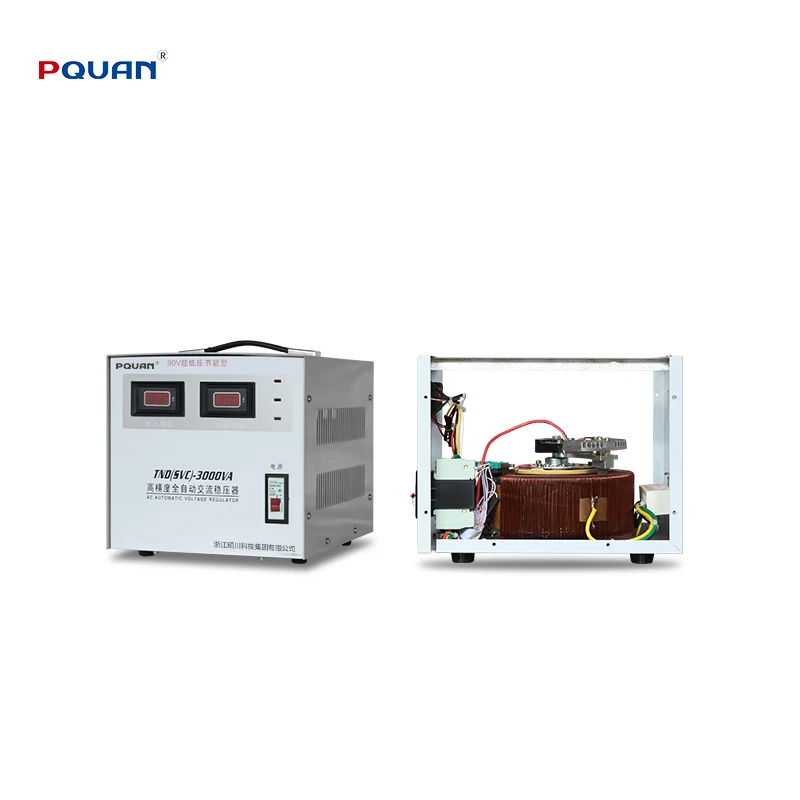
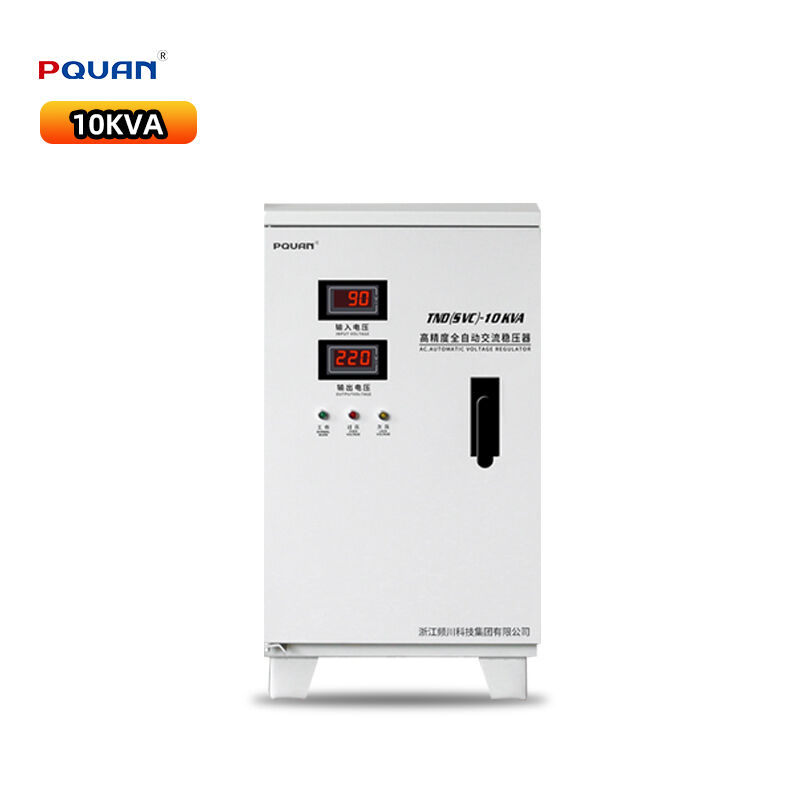
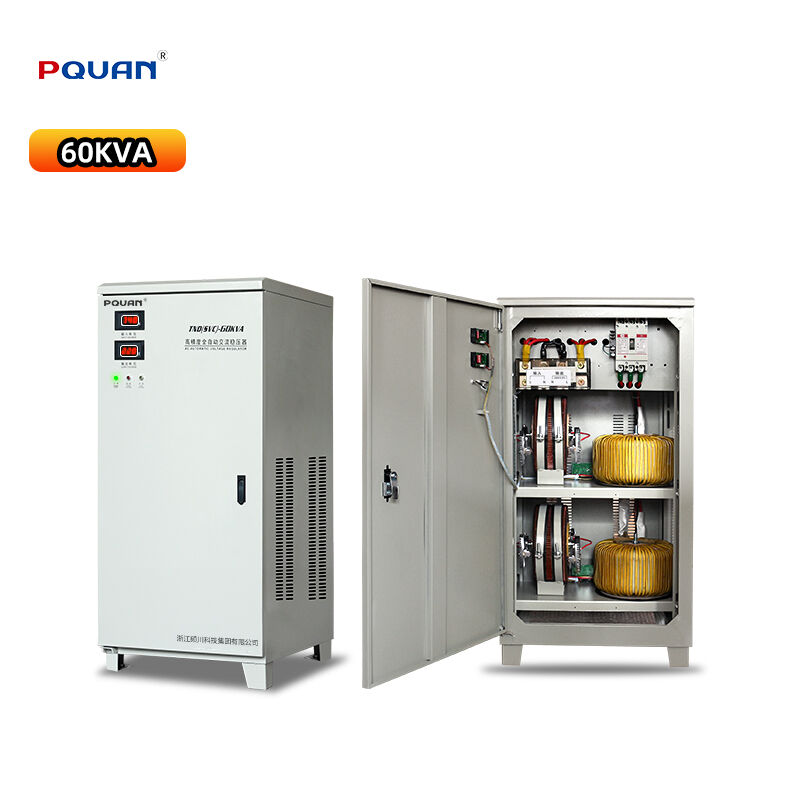
Investment in an inverter voltage stabilizer yields substantial long-term financial returns through enhanced reliability and operational cost reductions that accumulate over the device's extended service life. The solid-state construction eliminates mechanical components that traditionally represent the primary failure points in voltage regulation equipment. Servo motors require regular maintenance, develop wear patterns that degrade accuracy, and eventually fail, necessitating costly repairs or replacement. The inverter voltage stabilizer avoids these reliability challenges entirely through its electronic switching approach, dramatically reducing maintenance requirements and associated labor costs. The mean time between failures for quality inverter voltage stabilizers exceeds 100,000 hours under normal operating conditions, providing years of trouble-free operation. This exceptional reliability minimizes unplanned downtime that disrupts productivity and generates opportunity costs far exceeding equipment repair expenses. The energy efficiency characteristics of the inverter voltage stabilizer contribute significantly to operational savings, particularly in high-power applications or facilities with multiple units. Every percentage point of efficiency improvement translates directly to reduced electricity consumption, and with efficiency ratings surpassing 95 percent, the inverter voltage stabilizer wastes minimal energy during voltage conversion. Over years of continuous operation, these energy savings accumulate to substantial amounts that offset the initial equipment investment. The inverter voltage stabilizer protects connected equipment from voltage-related stress, extending the operational lifespan of expensive machinery, computers, medical devices, and telecommunications equipment. Premature equipment failure due to poor power quality represents a hidden cost that organizations often underestimate until experiencing repeated failures. By maintaining optimal voltage conditions continuously, the inverter voltage stabilizer prevents the cumulative damage that leads to early replacement cycles. The modular design of modern inverter voltage stabilizers facilitates repairs when service becomes necessary, allowing replacement of individual circuit boards rather than entire units. This serviceability extends economic life and reduces lifecycle costs compared to monolithic designs requiring complete replacement upon failure. The inverter voltage stabilizer requires minimal consumables, with no brushes, contacts, or moving parts to replace periodically. Cooling systems utilize long-life fans or passive heat dissipation that operates maintenance-free for years. The compact footprint conserves valuable real estate in equipment rooms where space commands premium costs, particularly in urban data centers or medical facilities. Installation flexibility allows wall mounting, floor standing, or rack mounting configurations that optimize space utilization. The inverter voltage stabilizer supports scalable deployment, enabling organizations to start with capacity matching current needs and expand incrementally as requirements grow, avoiding over-investment in excessive capacity.
 EN
EN