Seamless Integration and Operational Flexibility
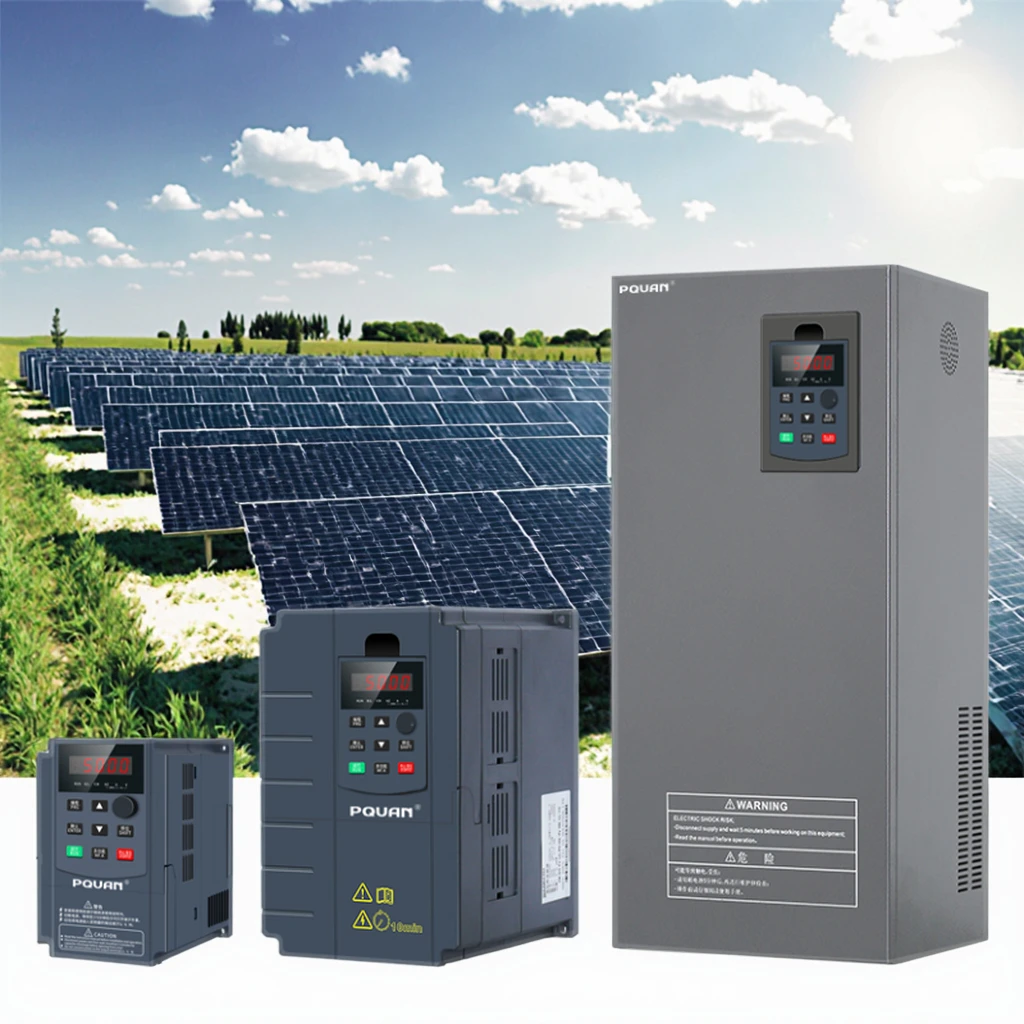
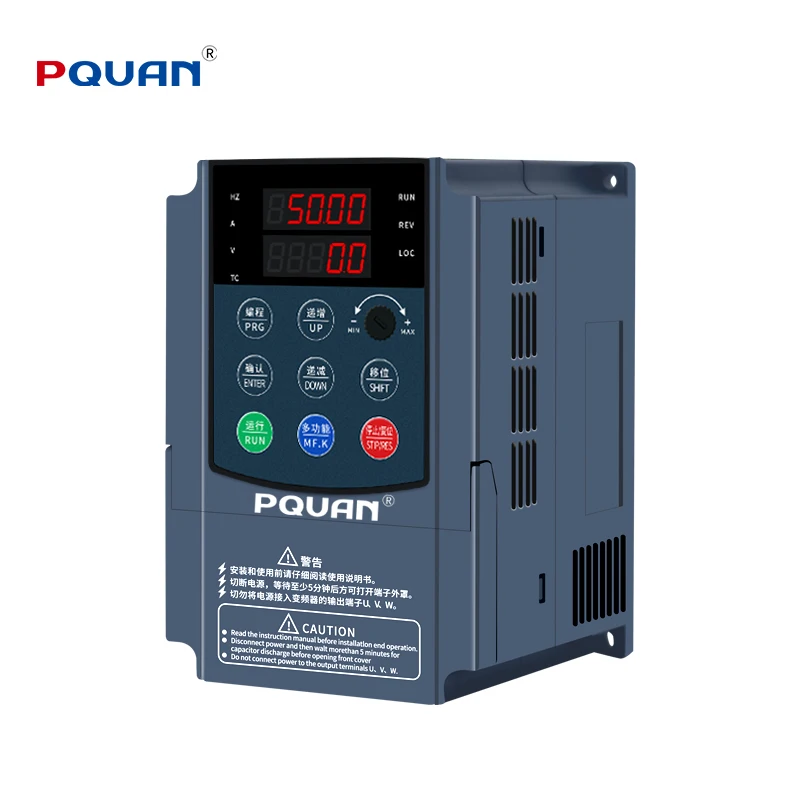
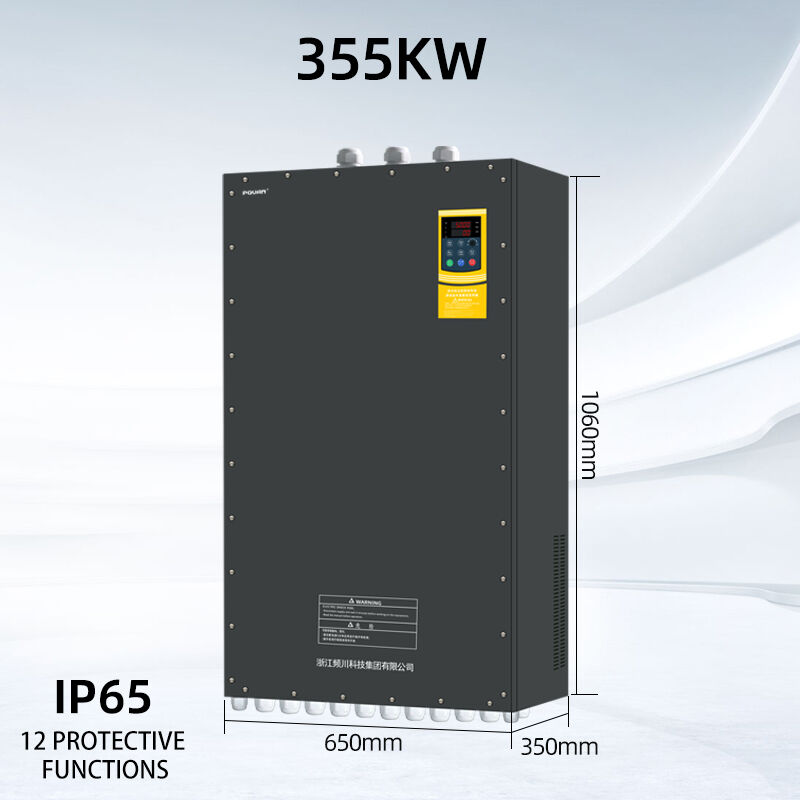
The integration capabilities of an industrial inverter drive enable it to function as a central component within sophisticated automation architectures while remaining accessible for standalone applications. Modern drives support multiple communication protocols including Modbus, Profibus, EtherNet/IP, and DeviceNet, allowing seamless connectivity with programmable logic controllers, supervisory control systems, and enterprise resource planning platforms. This connectivity transforms individual motor drives into networked intelligent devices that contribute operational data to facility-wide information systems. Operators gain centralized visibility and control over distributed drive populations, monitoring performance metrics, adjusting parameters, and responding to alarms from a single interface. The industrial inverter drive accepts various input signal types for speed control, accommodating analog voltage or current signals, digital pulse trains, and discrete on-off commands. This flexibility simplifies integration with existing control infrastructure without requiring signal conversion equipment or specialized interfaces. Multi-speed operation allows programming of preset speeds accessible through simple switch inputs, enabling operators without technical expertise to switch between common operating modes reliably. The drives store multiple parameter sets, permitting quick changeovers between different products or processes that require distinct motor control characteristics. Recipe management functionality allows saving complete drive configurations for different applications, streamlining product changes that previously required manual parameter adjustments prone to errors and inconsistency. An industrial inverter drive brings operational flexibility that extends equipment capabilities beyond original design limitations. A single motor and drive combination can replace multiple fixed-speed motors or complex mechanical transmission systems, simplifying machinery while expanding functionality. This versatility reduces spare parts inventory requirements and simplifies maintenance procedures since technicians work with standardized drive platforms rather than diverse specialized equipment. The technology accommodates future expansion through scalable architecture that allows adding drives to existing networks without disrupting operational systems. Software updates delivered through communication networks enhance drive capabilities over time, providing access to improved algorithms and features without hardware replacement. Diagnostic capabilities built into industrial inverter drives accelerate troubleshooting when issues occur, reducing downtime duration and maintenance costs. Detailed fault histories record the sequence of events leading to shutdowns, helping technicians identify root causes rather than merely addressing symptoms. Real-time monitoring displays provide immediate visibility into operational parameters, allowing quick verification that systems operate within expected ranges. Remote access capabilities enable expert support personnel to evaluate drive performance and adjust settings without traveling to site locations, reducing response times and support costs particularly for geographically distributed facilities.
 EN
EN