Extended Equipment Lifespan and Reduced Maintenance
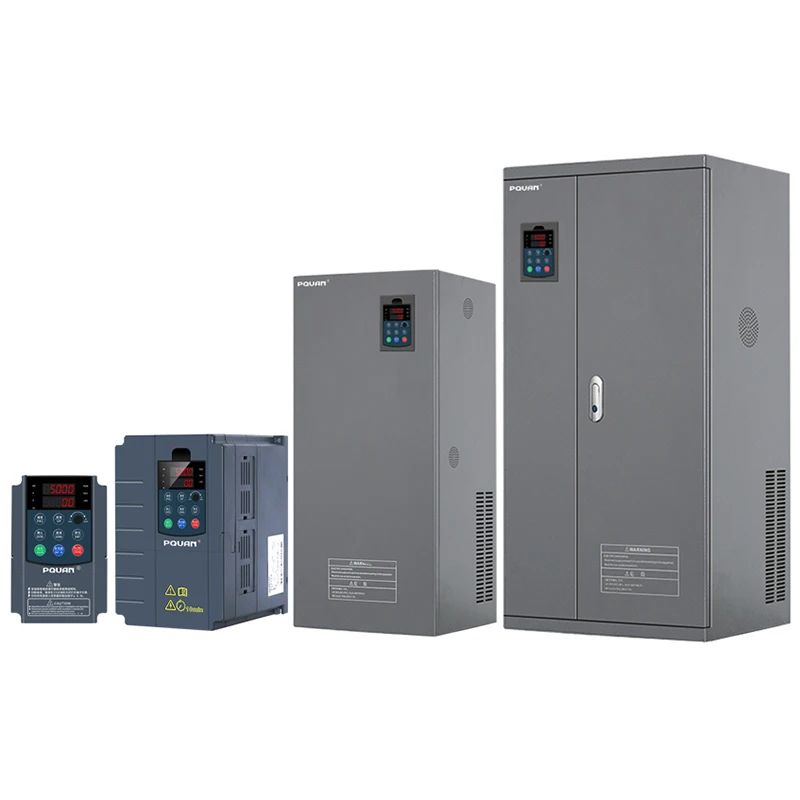
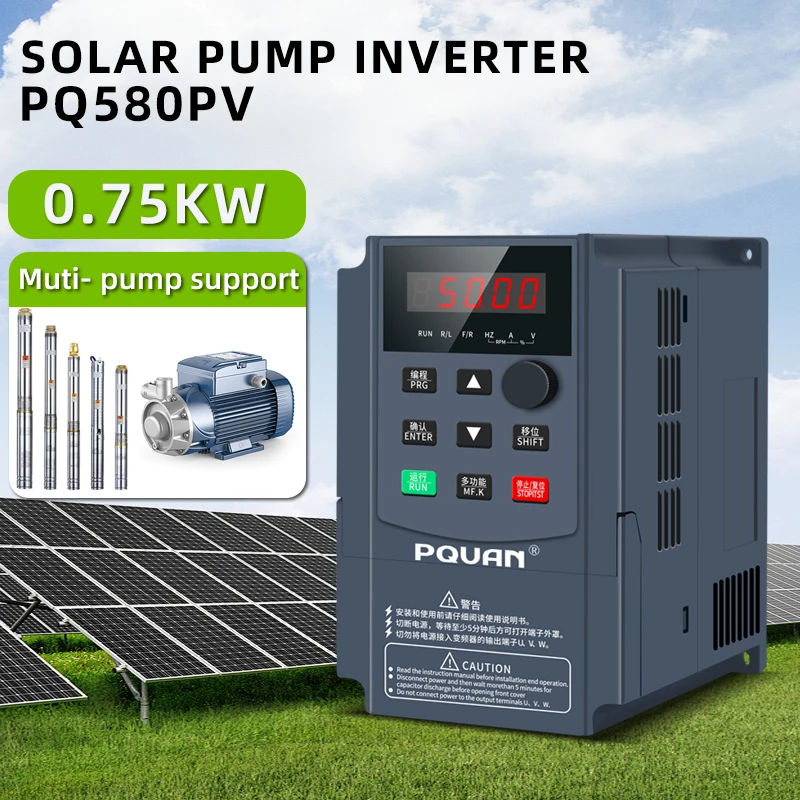
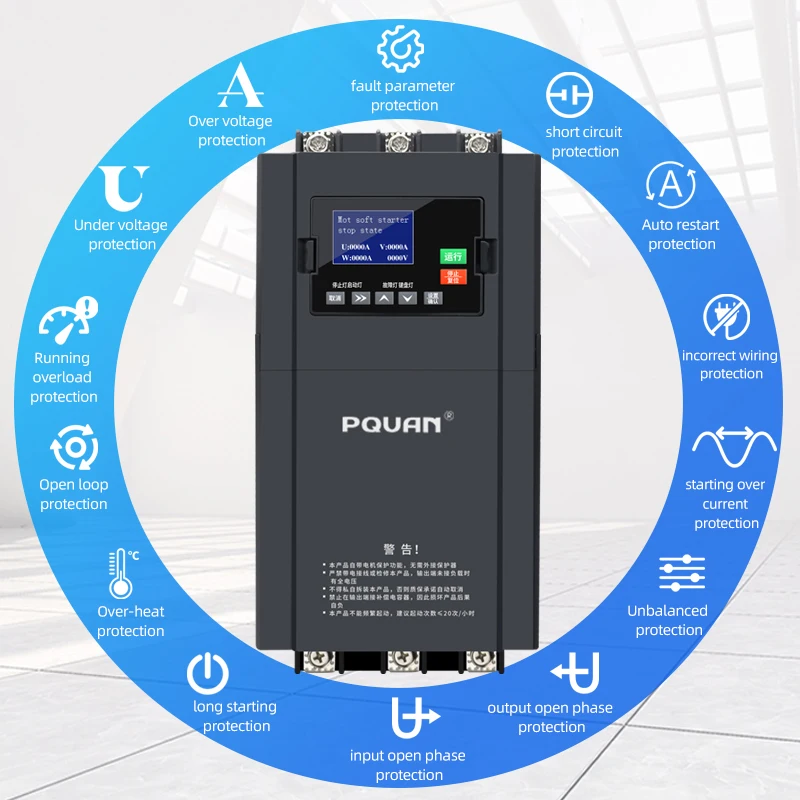
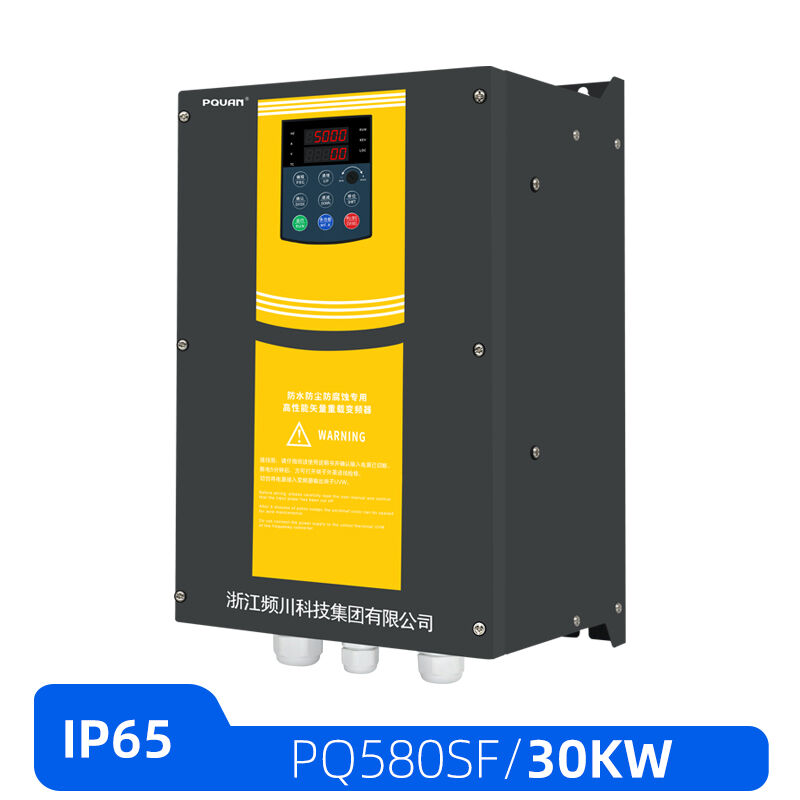
The extended equipment lifespan and reduced maintenance requirements enabled by an inverter for plastic injection molding machine deliver long-term financial benefits that complement the immediate energy savings, creating a comprehensive value proposition for manufacturing facilities. Traditional constant-speed hydraulic systems subject pumps, motors, valves, and seals to continuous high-speed operation and the associated mechanical wear, heat generation, and vibration stresses that accelerate component degradation. An inverter for plastic injection molding machine fundamentally changes this wear pattern by operating the hydraulic pump motor only at the speeds necessary to meet instantaneous production demands, significantly reducing the cumulative hours of high-speed operation over the machine's lifetime. During low-demand phases of the molding cycle, when the inverter for plastic injection molding machine reduces motor speed to match reduced hydraulic requirements, all rotating components experience decreased wear rates, bearing loads diminish, and mechanical stresses decline proportionally. The reduced operating speeds also generate less heat in the hydraulic oil, one of the most significant benefits of an inverter for plastic injection molding machine for maintenance planning. Hydraulic fluid degradation accelerates at elevated temperatures, with oxidation, viscosity breakdown, and additive depletion occurring more rapidly when oil temperatures exceed optimal ranges. By minimizing heat generation through intelligent speed control, an inverter for plastic injection molding machine extends hydraulic oil life by 50 percent or more, reducing the frequency of oil changes and the associated costs of fluid disposal, new oil purchases, and production downtime for maintenance activities. The cooler operating temperatures maintained by an inverter for plastic injection molding machine also extend the service life of hydraulic seals, hoses, and elastomeric components that deteriorate rapidly when exposed to excessive heat. Pump life increases substantially because the inverter for plastic injection molding machine eliminates the constant high-speed operation that causes cavitation, internal wear, and eventual pump failure in traditional systems. The soft-start capability of an inverter for plastic injection molding machine protects the motor from the electrical and mechanical stresses of across-the-line starting, where inrush currents can reach six to eight times normal running current, creating electromagnetic forces that stress windings and connections.
 EN
EN