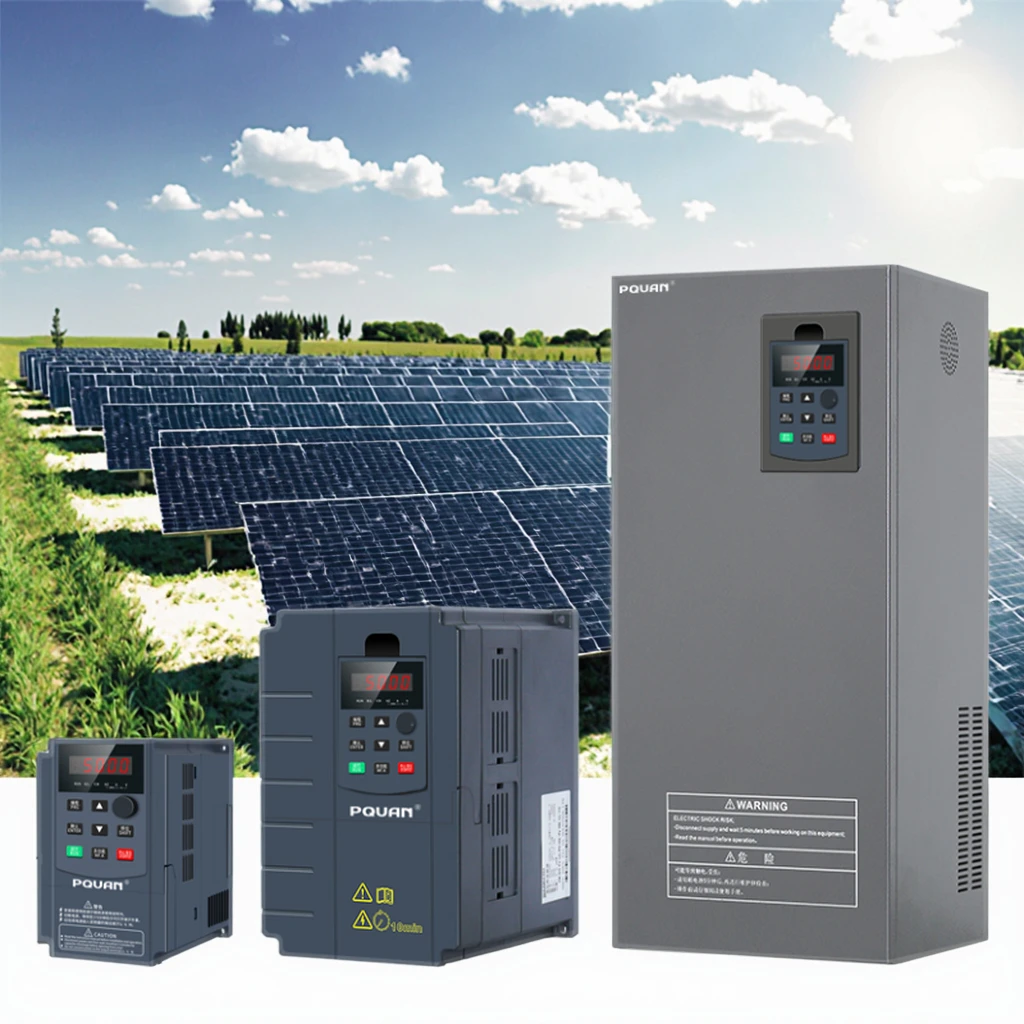
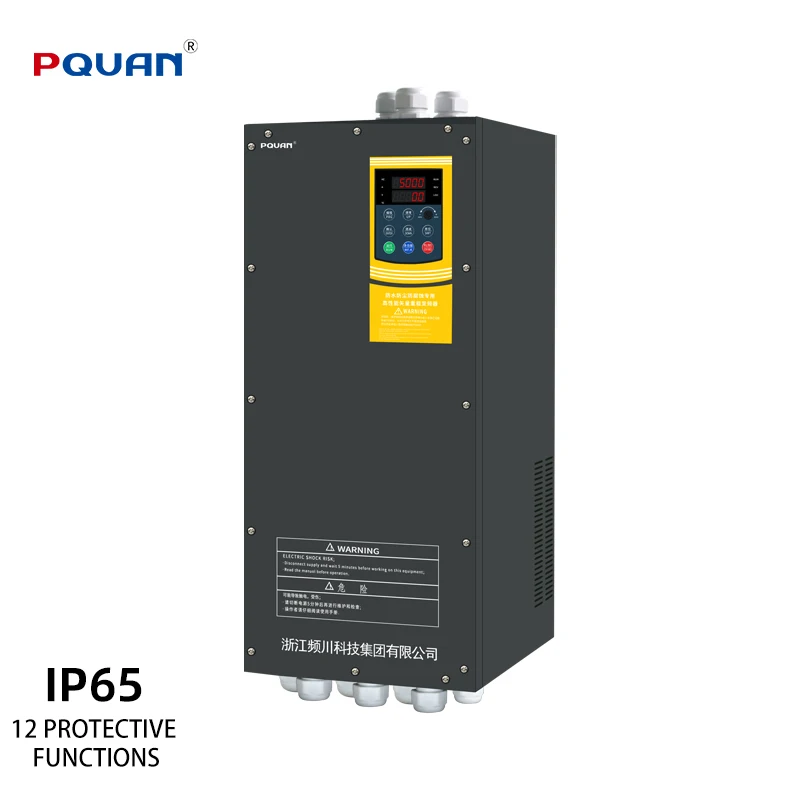
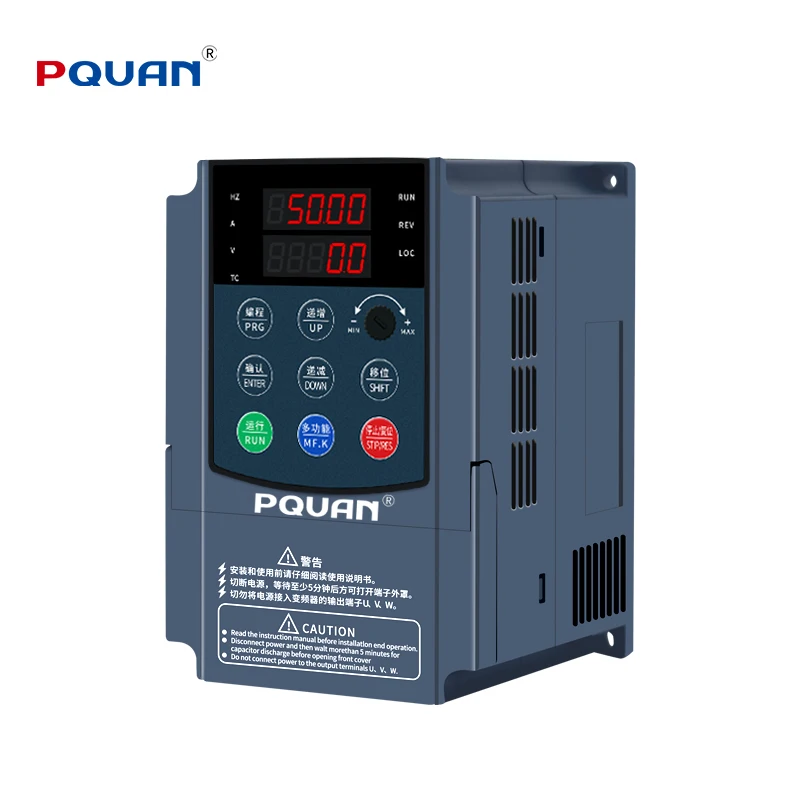
High-Performance Inverter for Textile Machinery - Energy-Efficient Motor Control Solutions

All Categories
Get a Quote
%}

Get a Free Quote

Our representative will contact you soon.
Email
Name
Company Name
Message
0/1000

inverter for textile machinery

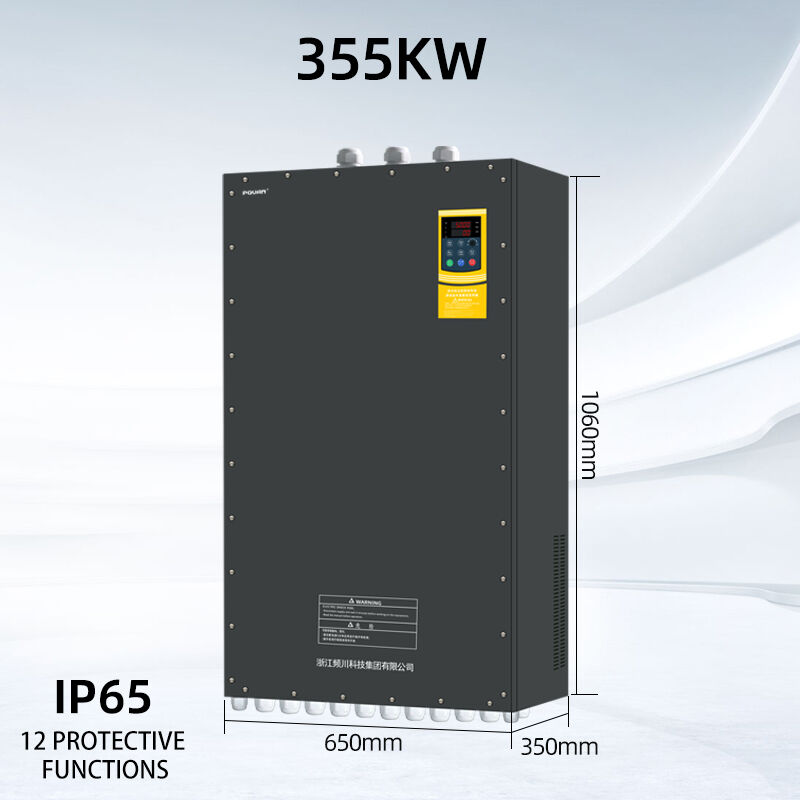
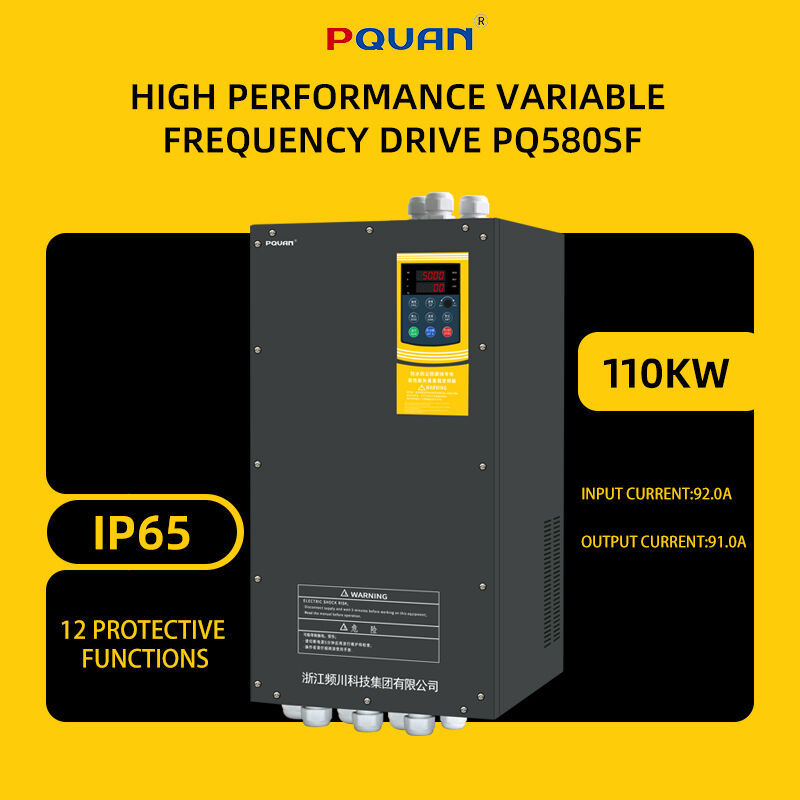
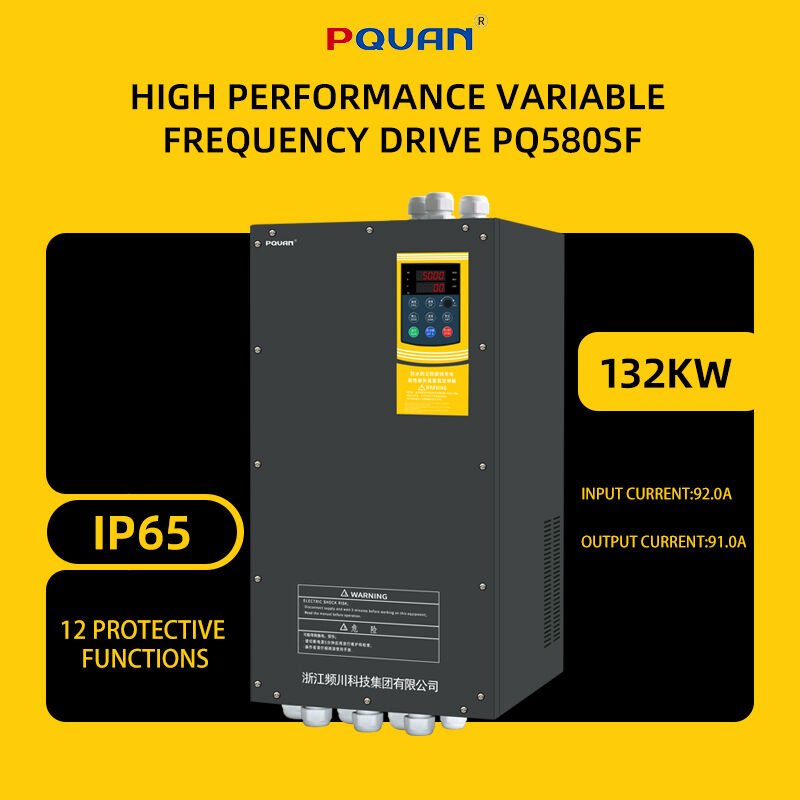
The inverter for textile machinery represents a crucial technological advancement that has revolutionized manufacturing processes across the global textile industry. This sophisticated electronic device serves as the central control system for regulating motor speed, power consumption, and operational efficiency in various textile production equipment. By converting alternating current (AC) into direct current (DC) and then back to variable frequency AC, the inverter for textile machinery enables precise control over motor operations, resulting in enhanced productivity and reduced operational costs. Modern textile manufacturing facilities rely heavily on these advanced control systems to maintain consistent quality standards while optimizing energy consumption. The inverter for textile machinery incorporates cutting-edge microprocessor technology that allows operators to program specific parameters for different production requirements. These intelligent systems feature advanced algorithms that automatically adjust motor performance based on real-time feedback from sensors throughout the production line. The technological architecture of the inverter for textile machinery includes multiple protection mechanisms such as overcurrent protection, overvoltage safeguards, and thermal monitoring systems that prevent equipment damage and ensure continuous operation. Contemporary models offer sophisticated communication capabilities, enabling seamless integration with factory automation systems and remote monitoring platforms. The versatility of the inverter for textile machinery makes it suitable for various applications including spinning machines, weaving looms, dyeing equipment, and finishing machinery. These systems deliver exceptional performance across different textile production stages, from fiber preparation to final product packaging. The robust construction and reliable performance characteristics of the inverter for textile machinery ensure long-term operational stability even in demanding industrial environments with high humidity, temperature fluctuations, and continuous operation cycles.

New Product Releases

The inverter for textile machinery delivers substantial operational benefits that directly impact manufacturing efficiency and profitability. Energy savings represent the most significant advantage, with these systems typically reducing power consumption by 20-40 percent compared to traditional motor control methods. The inverter for textile machinery achieves these savings through intelligent load management and optimized motor operation at variable speeds based on actual production requirements. This dynamic power management eliminates energy waste during idle periods and low-demand operations, resulting in dramatically lower electricity bills and improved environmental sustainability. Production quality improvements constitute another major advantage of the inverter for textile machinery. These systems provide precise speed control that maintains consistent tension throughout the manufacturing process, eliminating variations that can cause defects in fabric texture, yarn strength, or dyeing uniformity. The smooth acceleration and deceleration capabilities prevent sudden mechanical stress that often damages delicate fibers or causes thread breakage during production runs. Maintenance costs decrease significantly when facilities implement the inverter for textile machinery due to reduced mechanical wear on motors, gears, and drive systems. The soft-start functionality eliminates the harsh mechanical shocks associated with direct motor starting, extending equipment lifespan and reducing replacement part requirements. Operators benefit from enhanced process control through intuitive digital interfaces that display real-time performance data and allow instant parameter adjustments. The inverter for textile machinery enables quick changeovers between different product specifications without lengthy setup procedures, improving overall equipment effectiveness and reducing downtime. Production flexibility increases substantially as these systems accommodate various material types, weights, and processing speeds within the same equipment setup. Quality control becomes more reliable through consistent operating parameters that eliminate human error and maintain repeatable results across different production shifts. The inverter for textile machinery also provides comprehensive diagnostic capabilities that identify potential issues before they cause equipment failures, enabling proactive maintenance scheduling that prevents costly production interruptions and ensures optimal operational efficiency throughout the manufacturing facility.

Tips And Tricks

Pakistani Customers Visit PQUAN for Inspection and Exchange

09

Feb

Pakistani Customers Visit PQUAN for Inspection and Exchange

View More
How to Choose Voltage Regulator Power: A Concise Guide for Industrial & Commercial Users

23

Jan

How to Choose Voltage Regulator Power: A Concise Guide for Industrial & Commercial Users

View More
A Complete Guide to Selecting the Right Variable Frequency Drive (VFD) Model

03

Mar

A Complete Guide to Selecting the Right Variable Frequency Drive (VFD) Model

View More

Get a Free Quote

Our representative will contact you soon.
Email
Name
Company Name
Message
0/1000

inverter for textile machinery

Advanced Energy Management System

Advanced Energy Management System

The inverter for textile machinery incorporates state-of-the-art energy management technology that revolutionizes power consumption patterns in textile manufacturing facilities. This sophisticated system employs intelligent algorithms to continuously monitor production demands and automatically adjust motor performance to match actual requirements, eliminating unnecessary energy consumption during periods of reduced activity or load variations. The advanced energy management capabilities of the inverter for textile machinery include regenerative braking technology that captures kinetic energy during deceleration phases and feeds it back into the electrical system, further enhancing overall energy efficiency. This innovative feature is particularly valuable in textile operations involving frequent speed changes, such as winding and unwinding processes, where traditional systems waste significant energy through mechanical braking. The system's power factor correction functionality optimizes electrical efficiency by reducing reactive power consumption, which not only lowers energy costs but also reduces strain on the facility's electrical infrastructure. The inverter for textile machinery features programmable sleep modes that automatically reduce power consumption during idle periods while maintaining quick response capabilities for immediate production resumption. Real-time energy monitoring displays provide operators with instant feedback on power consumption patterns, enabling data-driven decisions for further optimization opportunities. The energy management system includes load balancing features that distribute power consumption evenly across multiple machines, preventing peak demand charges and optimizing overall facility energy usage. Environmental benefits extend beyond cost savings, as the inverter for textile machinery significantly reduces carbon footprint through improved efficiency, supporting corporate sustainability initiatives and regulatory compliance requirements in environmentally conscious markets.
Precision Speed Control Technology

Precision Speed Control Technology

The inverter for textile machinery delivers unparalleled precision in speed control through advanced vector control technology that maintains exact motor performance regardless of load variations or external conditions. This sophisticated control methodology ensures consistent fabric quality by eliminating speed fluctuations that can cause tension variations, resulting in superior product consistency and reduced waste due to quality defects. The precision speed control system of the inverter for textile machinery employs high-resolution encoders and feedback systems that continuously monitor motor performance and make instantaneous adjustments to maintain programmed parameters within extremely tight tolerances. This level of accuracy is essential for delicate textile processes such as silk weaving, fine yarn spinning, and precision dyeing operations where even minor speed variations can compromise product quality. The system's torque control capabilities ensure optimal performance across varying load conditions, maintaining consistent output even when processing different material densities or thicknesses. The inverter for textile machinery features programmable acceleration and deceleration curves that can be customized for specific applications, preventing mechanical stress on both the equipment and the materials being processed. Advanced synchronization capabilities allow multiple machines to operate in perfect coordination, essential for complex textile manufacturing processes that require precise timing between different production stages. The speed control system includes adaptive learning algorithms that optimize performance based on historical operating data, continuously improving efficiency and reducing operator intervention requirements. Emergency stop functionality provides immediate response capabilities while maintaining controlled deceleration to prevent damage to materials in process. The inverter for textile machinery offers micro-speed adjustments that enable fine-tuning of production parameters for specialized applications, ensuring optimal results for premium textile products that demand exceptional quality standards.
Comprehensive Protection and Monitoring Systems

Comprehensive Protection and Monitoring Systems

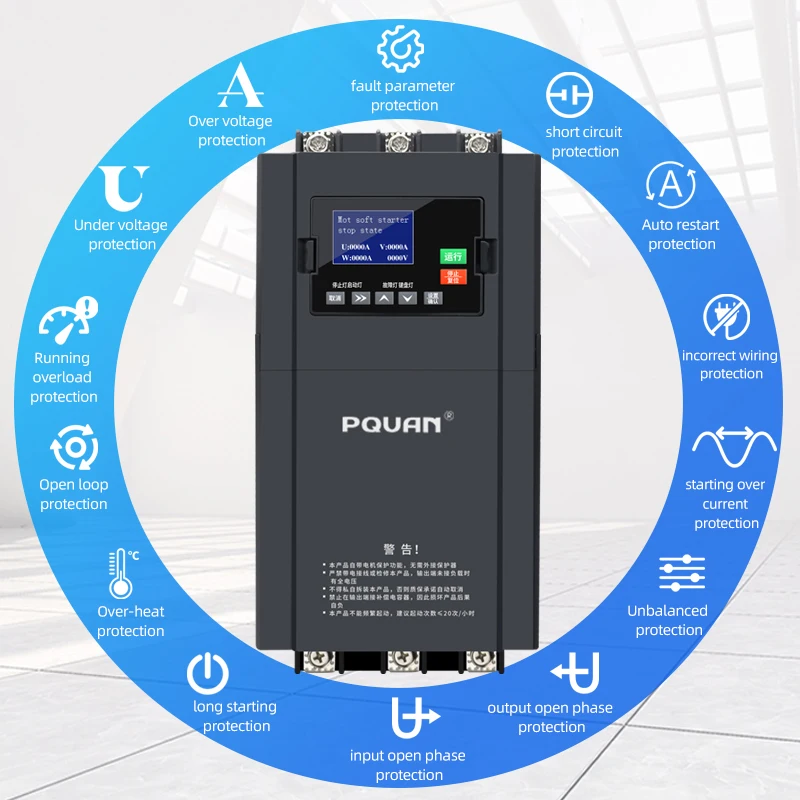
The inverter for textile machinery incorporates extensive protection and monitoring systems designed to safeguard equipment, ensure operator safety, and maintain continuous production operations in demanding industrial environments. These comprehensive safety features include advanced overcurrent protection that instantly responds to abnormal electrical conditions, preventing motor damage and potential fire hazards while maintaining production continuity through rapid fault detection and isolation. The sophisticated monitoring capabilities of the inverter for textile machinery provide real-time visibility into all critical operational parameters, including temperature, voltage, current, and frequency measurements that enable proactive maintenance scheduling and prevent unexpected equipment failures. Thermal protection systems continuously monitor motor and inverter temperatures, automatically adjusting operation parameters or initiating protective shutdowns when temperatures approach critical thresholds, ensuring equipment longevity and preventing costly repairs. The ground fault detection system provides enhanced safety by immediately identifying insulation failures or electrical leakage that could pose risks to personnel or equipment, triggering appropriate protective responses while maintaining production safety standards. Vibration monitoring capabilities detect mechanical anomalies that may indicate bearing wear, misalignment, or other mechanical issues, enabling predictive maintenance strategies that prevent catastrophic failures and extend equipment lifespan. The inverter for textile machinery features comprehensive data logging capabilities that record all operational events, fault conditions, and performance metrics for detailed analysis and troubleshooting purposes. Remote monitoring capabilities allow maintenance teams to assess equipment status from central control rooms or off-site locations, enabling rapid response to potential issues and minimizing production downtime. The system includes customizable alarm configurations that notify operators of specific conditions requiring attention, with different priority levels for various types of events ranging from routine maintenance reminders to critical safety warnings. Advanced diagnostic tools built into the inverter for textile machinery provide detailed fault analysis and troubleshooting guidance, reducing repair times and minimizing the need for specialized technical expertise during routine maintenance operations.
High-Performance Inverter for Textile Machinery - Energy-Efficient Motor Control Solutions

Get a Free Quote

Our representative will contact you soon.
Email
Name
Company Name
Message
0/1000