Adjustable Frequency AC Drive: Energy-Efficient Motor Control Solutions for Industrial Applications

All Categories
Get a Quote
%}

Get a Free Quote

Our representative will contact you soon.
Email
Mobile/WhatsApp
Name
Message
0/1000

adjustable frequency ac drive

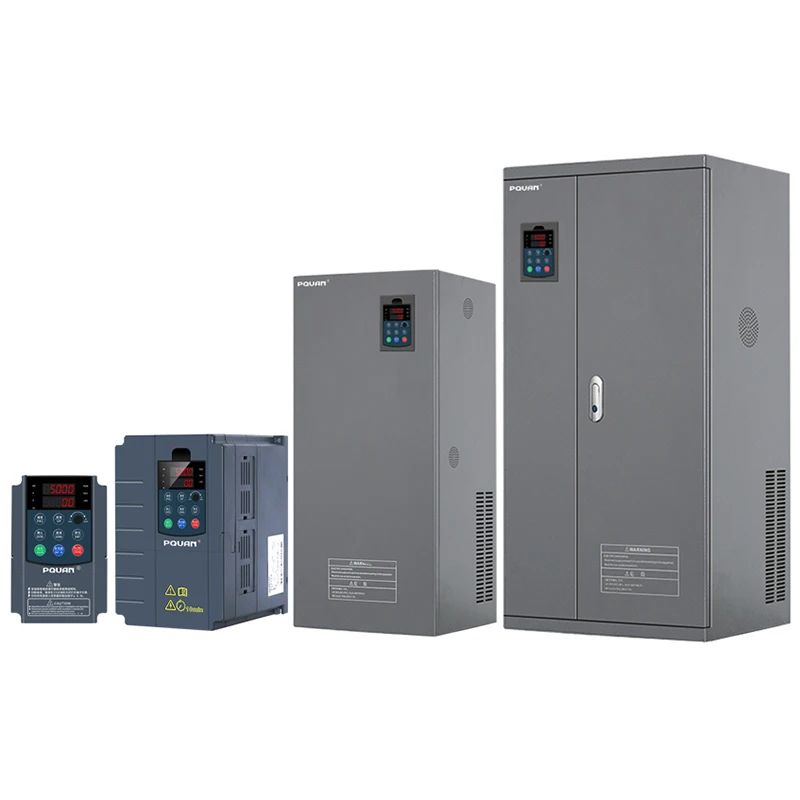
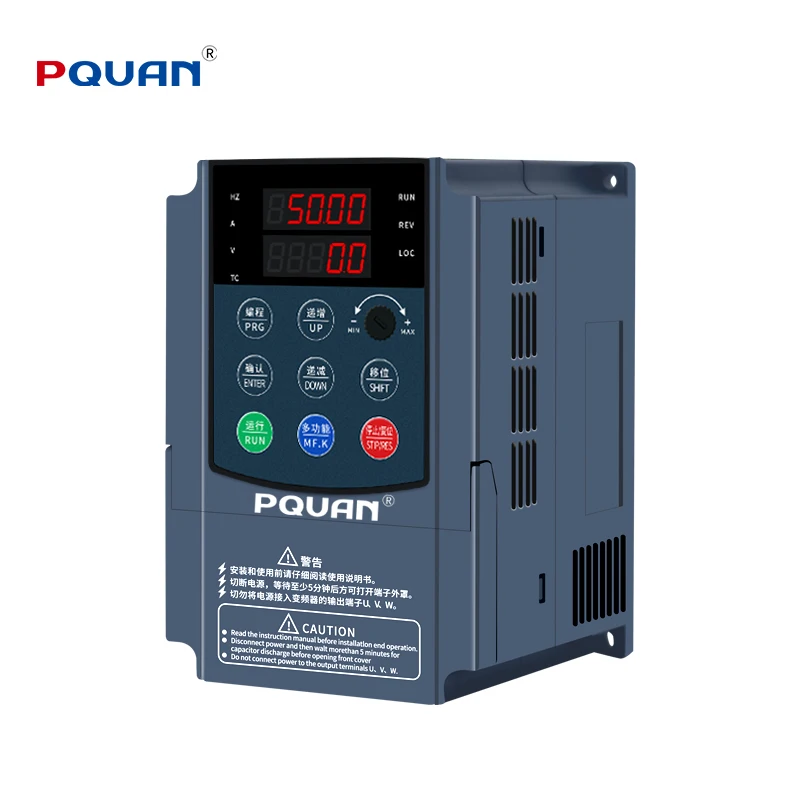
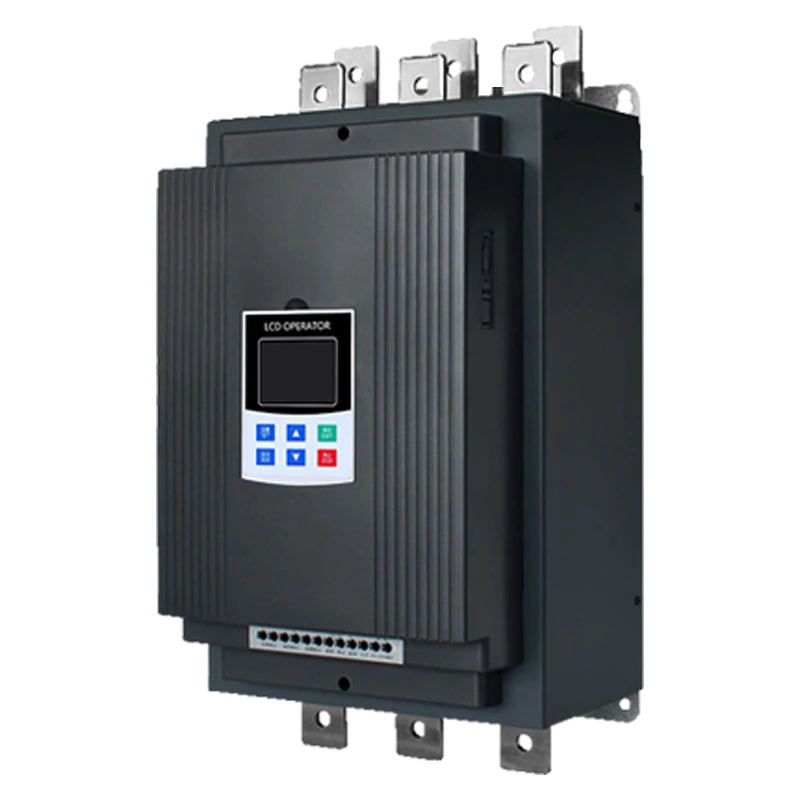
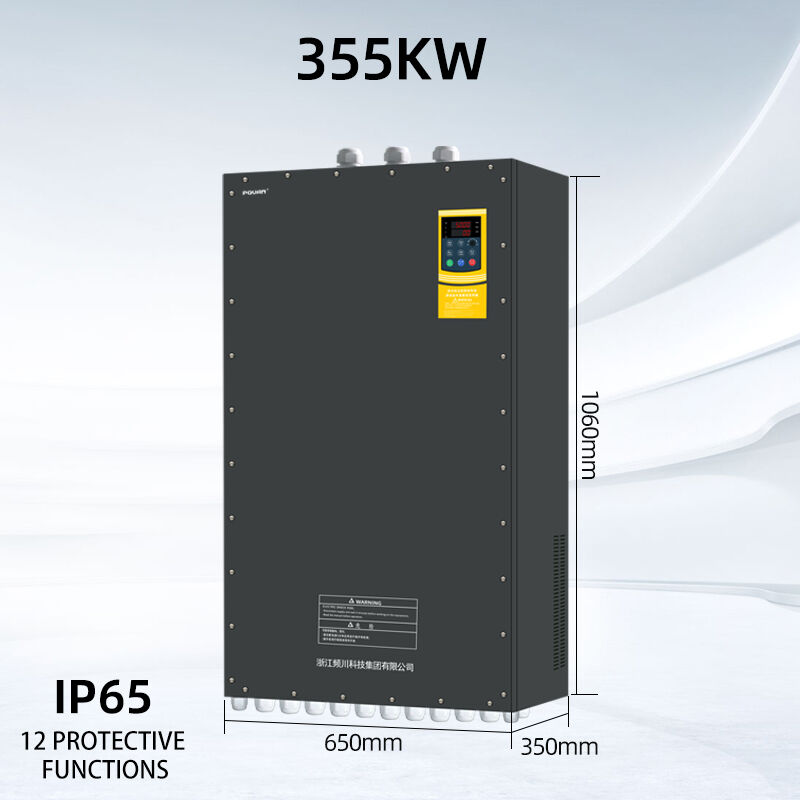
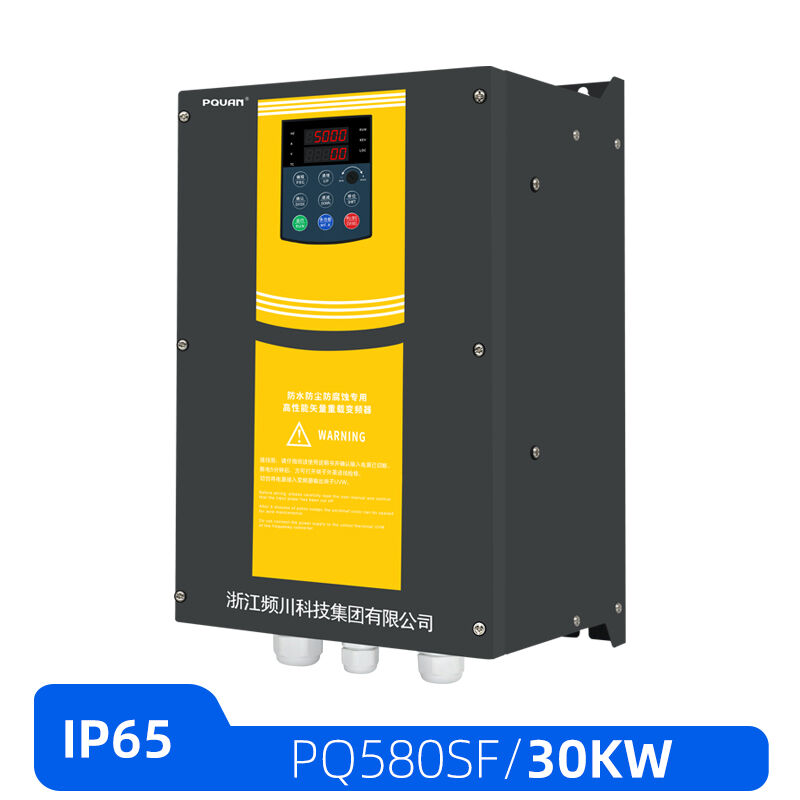
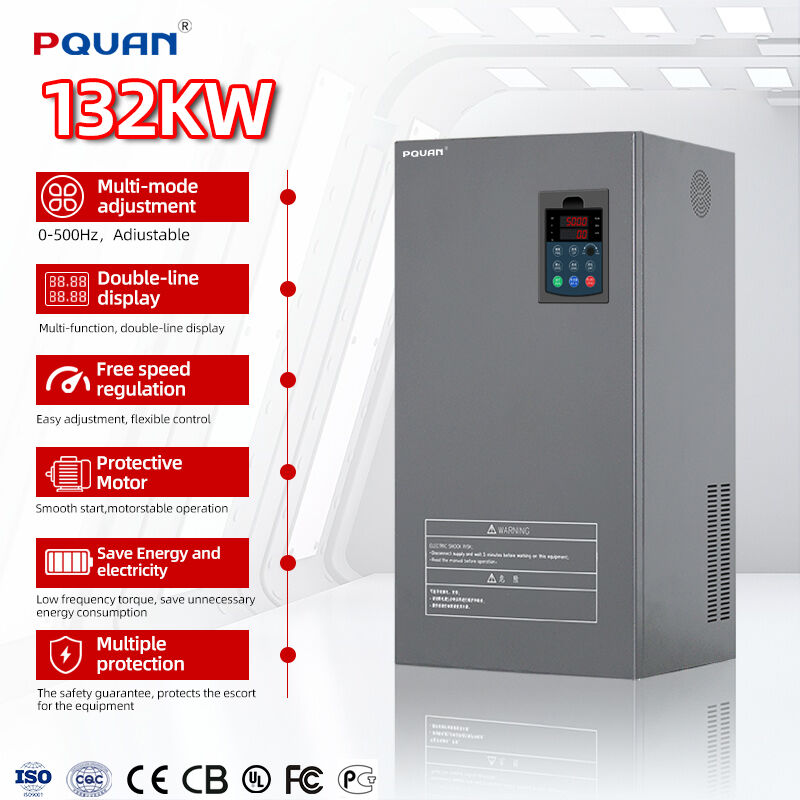
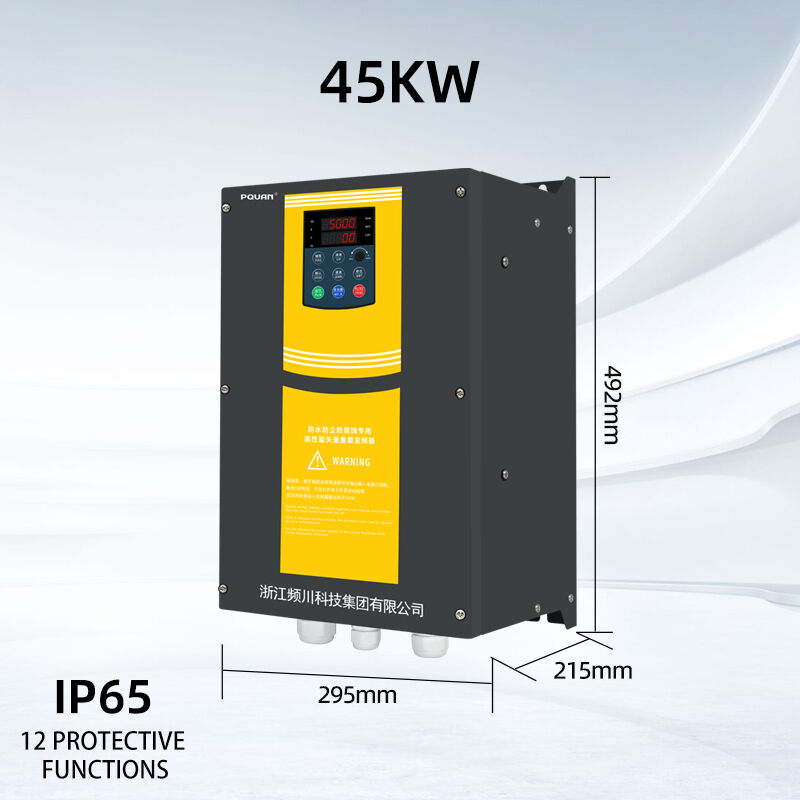
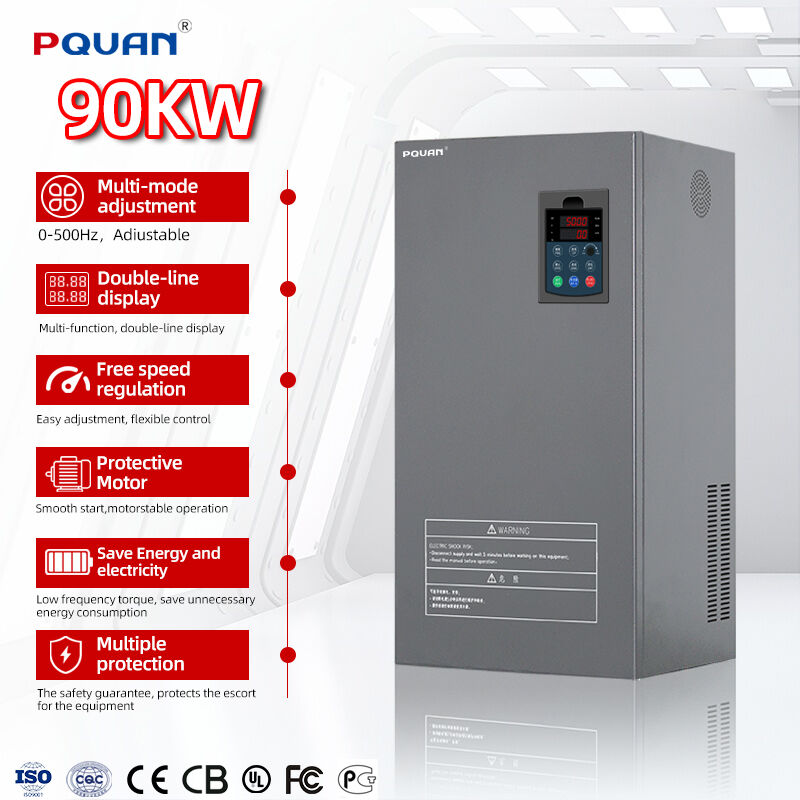
An adjustable frequency ac drive represents a sophisticated power conversion system that controls the speed and torque of electric motors by varying the frequency and voltage of the power supplied to them. This technology has revolutionized industrial automation and energy management across countless applications. At its core, an adjustable frequency ac drive converts incoming alternating current into direct current through a rectifier circuit, then inverts it back to alternating current at the desired frequency and voltage levels. This precise control mechanism enables operators to match motor performance exactly to application requirements, eliminating the inefficiencies associated with fixed-speed operation. The main functions of an adjustable frequency ac drive include speed regulation, torque control, energy optimization, and motor protection. Modern drives incorporate advanced microprocessor technology that monitors operating conditions in real time, adjusting parameters automatically to maintain optimal performance. The technological features include pulse width modulation techniques that produce smooth, low-harmonic output waveforms, protecting both the motor and connected equipment from electrical stress. Built-in protection features safeguard against overcurrent, overvoltage, undervoltage, and thermal overload conditions. Communication capabilities allow integration with supervisory control systems through industrial protocols like Modbus, Profibus, and Ethernet-based networks. Applications span virtually every industry where electric motors provide mechanical power. Manufacturing facilities use adjustable frequency ac drive systems to control conveyor speeds, pump flow rates, fan speeds, and machine tool operations. HVAC systems benefit from variable speed control of compressors and air handlers, delivering comfort while minimizing energy consumption. Water treatment plants employ these drives to regulate pump speeds based on demand, reducing wear on equipment and cutting operating costs. The food and beverage industry relies on precise speed control for mixing, packaging, and material handling processes. Mining operations use heavy-duty adjustable frequency ac drive units to power crushers, conveyors, and ventilation systems under demanding conditions. The versatility and reliability of adjustable frequency ac drive technology make it an essential component in modern industrial infrastructure.

New Product Recommendations

The advantages of using an adjustable frequency ac drive extend far beyond simple speed control, delivering measurable benefits that directly impact your bottom line and operational efficiency. Energy savings stand out as the most compelling advantage, with typical installations reducing electricity consumption by twenty to fifty percent compared to traditional motor control methods. When you match motor speed precisely to actual load requirements rather than running at full speed continuously, you eliminate wasted energy. This becomes particularly significant in applications like pumps and fans where power consumption follows the cube of speed, meaning a twenty percent speed reduction cuts energy use by nearly fifty percent. Your electric bills decrease substantially while your environmental footprint shrinks. Reduced mechanical stress represents another major benefit that extends equipment lifespan and lowers maintenance costs. Traditional across-the-line starting subjects motors and driven equipment to severe mechanical shock, with starting currents reaching six to eight times normal running current. An adjustable frequency ac drive provides soft start capability, gradually ramping up speed and eliminating these damaging stress events. Belts, bearings, gears, and couplings last longer when not subjected to repeated shock loading. You spend less time on repairs and replacements while avoiding costly unplanned downtime. Process control improvements enable you to fine-tune production parameters for better product quality and consistency. Whether controlling conveyor speeds to match production rates, regulating pump flows to maintain precise pressure levels, or adjusting fan speeds to control temperature and humidity, an adjustable frequency ac drive gives you the control precision that fixed-speed systems cannot provide. Your operators can make adjustments on the fly without stopping equipment or making mechanical changes. This flexibility allows you to respond quickly to changing production requirements and market demands. Power factor correction happens automatically as the drive maintains optimal power factor across the operating range, potentially eliminating penalties from utility companies and reducing demand charges. The drives also provide comprehensive motor protection features that detect fault conditions before they cause damage, preventing expensive motor failures and extending motor life. Installation costs decrease because you can often use smaller motors when equipped with drives, and electrical infrastructure requirements reduce due to lower starting currents. The drives eliminate the need for mechanical speed control devices like gearboxes, variable pitch sheaves, and throttling valves, simplifying system design and reducing maintenance points. Noise levels drop significantly when motors run at reduced speeds, creating a more pleasant work environment and helping you meet workplace safety regulations. Remote monitoring and diagnostic capabilities built into modern adjustable frequency ac drive systems allow maintenance teams to identify potential problems before they cause failures, shifting your maintenance strategy from reactive to predictive.

Tips And Tricks

Variable Frequency Drive (VFD): What It Is and How It Saves Energy

09

Mar

Variable Frequency Drive (VFD): What It Is and How It Saves Energy

Industrial facilities worldwide are increasingly turning to advanced motor control technologies to optimize their energy consumption and operational efficiency. Among these technologies, a variable frequency drive stands out as one of the most effect...
View More
Voltage Regulator Types: Which One Is Right for Your Application?

17

Mar

Voltage Regulator Types: Which One Is Right for Your Application?

In the industrial sector, maintaining a steady, reliable power supply is essential to safeguarding sophisticated automated machinery, high-precision laboratory instruments, and data infrastructures. A voltage regulator serves as a vital safeguard aga...
View More
Variable Frequency Drive Installation: Key Steps and Best Practices

20

Mar

Variable Frequency Drive Installation: Key Steps and Best Practices

Installing a Variable Frequency Drive correctly is just as important as selecting the right one. A drive that is improperly wired, poorly mounted, or inadequately configured will underperform, trip on faults, and wear out far sooner than its rated se...
View More
How to Choose the Right AC Drive for Your Industrial Needs

01

Jun

How to Choose the Right AC Drive for Your Industrial Needs

In modern industrial automation, optimizing energy efficiency and maintaining precise control over motor speeds are critical for operational success. An AC Drive (Alternating Current Drive), also commonly known as a Variable Frequency Drive (VFD), pl...
View More

Get a Free Quote

Our representative will contact you soon.
Email
Mobile/WhatsApp
Name
Message
0/1000

adjustable frequency ac drive

Dramatic Energy Cost Reduction Through Intelligent Speed Matching

Dramatic Energy Cost Reduction Through Intelligent Speed Matching

The energy-saving potential of an adjustable frequency ac drive delivers immediate and ongoing financial returns that make it one of the smartest investments you can make in your facility. Understanding how these savings accumulate requires looking at the relationship between motor speed and power consumption, particularly in variable torque applications like centrifugal pumps and fans. The affinity laws governing these applications show that power consumption varies with the cube of speed, creating exponential savings opportunities. When you reduce motor speed by just twenty percent using an adjustable frequency ac drive, power consumption drops by approximately forty-eight percent. This mathematical relationship means that even modest speed reductions generate substantial energy savings. Traditional control methods like throttling valves and dampers waste energy by running motors at full speed and then restricting output, similar to driving a car with the accelerator floored while using the brake to control speed. An adjustable frequency ac drive eliminates this waste by producing only the power needed for current demand. Real-world installations consistently demonstrate payback periods of twelve to thirty-six months through energy savings alone, after which the reduced operating costs flow directly to your bottom line. Beyond the direct electricity savings, reduced energy consumption often qualifies for utility rebates and incentives that accelerate payback. Many power companies offer substantial rebates for adjustable frequency ac drive installations because they reduce peak demand on the electrical grid. The drives also improve overall power quality in your facility by maintaining high power factor and reducing harmonic distortion, potentially eliminating power factor penalties that appear on utility bills. Energy monitoring features built into modern adjustable frequency ac drive systems provide detailed consumption data that helps identify additional optimization opportunities. You can track energy use by shift, product line, or operating mode to pinpoint inefficiencies. This visibility supports continuous improvement initiatives and helps justify additional automation investments. The environmental benefits of reduced energy consumption align with corporate sustainability goals and regulatory requirements, positioning your company as an environmental steward while reducing operating costs. When you multiply these savings across multiple motor applications throughout your facility, the cumulative impact becomes truly significant, often representing hundreds of thousands of dollars annually for medium to large industrial operations.
Extended Equipment Life Through Controlled Operation and Protection

Extended Equipment Life Through Controlled Operation and Protection

An adjustable frequency ac drive functions as a comprehensive protection system that safeguards your valuable motor and driven equipment investments while dramatically extending their operational lifespan. The soft start capability alone eliminates one of the most destructive forces affecting electric motors and mechanical systems. During conventional across-the-line starting, the massive inrush current creates intense magnetic forces within the motor that stress windings and insulation. Simultaneously, the mechanical shock of instant acceleration from zero to full speed propagates through the entire drive train, punishing bearings, couplings, gearboxes, and the driven load. This repetitive abuse accumulates over thousands of start cycles, leading to premature failures that conventional maintenance practices cannot prevent. An adjustable frequency ac drive transforms this violent process into a smooth, controlled acceleration that you can program to match your application requirements exactly. The current remains at normal running levels throughout the start sequence, eliminating thermal stress on motor windings and reducing electrical infrastructure requirements. Mechanical components experience gradual acceleration that prevents shock loading, allowing bearings to develop proper lubrication films and eliminating the micro-fractures that lead to fatigue failures in shafts and couplings. The protection extends beyond starting to encompass every aspect of operation. Built-in monitoring continuously tracks motor current, voltage, temperature, and other parameters, detecting abnormal conditions instantly. When the adjustable frequency ac drive senses overcurrent that might indicate a jam or overload, it can automatically reduce torque or stop the motor before damage occurs. Thermal protection prevents motor overheating by calculating accumulated heat based on load history and ambient conditions, providing more accurate protection than simple thermal overloads. Phase loss detection identifies wiring problems or utility issues immediately, shutting down equipment safely rather than allowing single-phase operation that destroys motors within minutes. Overvoltage and undervoltage protection shields sensitive electronics from power quality problems that would otherwise cause failures. Ground fault detection identifies insulation breakdown early, preventing catastrophic failures and potential fire hazards. The controlled deceleration capability prevents water hammer in pumping systems and reduces wear on brake systems in material handling applications. By eliminating the mechanical and electrical stresses that cause most equipment failures, an adjustable frequency ac drive investment pays dividends through reduced maintenance costs, fewer emergency repairs, extended equipment replacement intervals, and elimination of production losses from unexpected breakdowns. Maintenance teams spend their time on planned preventive activities rather than reactive emergency responses, improving both efficiency and morale.
Superior Process Control and Production Flexibility for Competitive Advantage

Superior Process Control and Production Flexibility for Competitive Advantage

The precision control capabilities of an adjustable frequency ac drive transform rigid mechanical systems into flexible, responsive production assets that adapt instantly to changing requirements. This flexibility creates competitive advantages that extend far beyond the immediate application, influencing product quality, production efficiency, and market responsiveness. Traditional fixed-speed motor systems force you to design processes around motor capabilities rather than optimal production parameters. When you need different speeds, you shut down equipment, change pulleys or gears, and restart, losing valuable production time. When you need to adjust flow rates or feed speeds, you install throttling devices that waste energy and limit control precision. An adjustable frequency ac drive eliminates these constraints by providing infinite speed adjustment across the entire operating range with response times measured in milliseconds. Your operators can fine-tune process parameters from control panels or remote interfaces, optimizing production for different products, materials, or market conditions without stopping equipment or calling maintenance technicians. This responsiveness enables just-in-time manufacturing strategies that minimize inventory costs while meeting customer delivery requirements. The precision available through adjustable frequency ac drive systems exceeds what mechanical control methods can achieve. Speed regulation accuracy of zero point one percent or better maintains consistent production rates regardless of load variations or voltage fluctuations. This consistency translates directly into product quality improvements, reducing scrap rates and rework costs. In applications like web processing, packaging, and conveying, synchronized speed control between multiple motors ensures proper tension and alignment, preventing defects and material waste. The ability to program complex speed profiles enables sophisticated process sequences that were previously impossible or impractical. An adjustable frequency ac drive can execute acceleration ramps, dwells at specific speeds, and controlled deceleration patterns automatically, repeating them precisely for every cycle. This programmability supports automated production sequences that reduce labor requirements while improving consistency. Integration capabilities allow the adjustable frequency ac drive to participate in plant-wide control strategies, receiving setpoints from supervisory systems and providing operational feedback. This connectivity enables advanced control algorithms like cascade control, ratio control, and model predictive control that optimize entire process lines rather than individual machines. Data logging features record operating parameters continuously, creating detailed production records that support quality management systems and regulatory compliance requirements. When problems occur, these records help identify root causes quickly, reducing troubleshooting time and preventing recurrence. The flexibility to adjust production rates quickly in response to demand changes helps you avoid overproduction and minimize finished goods inventory while maintaining the ability to surge capacity when needed.

Adjustable Frequency AC Drive: Energy-Efficient Motor Control Solutions for Industrial Applications

Get a Free Quote

Our representative will contact you soon.
Email
Mobile/WhatsApp
Name
Message
0/1000