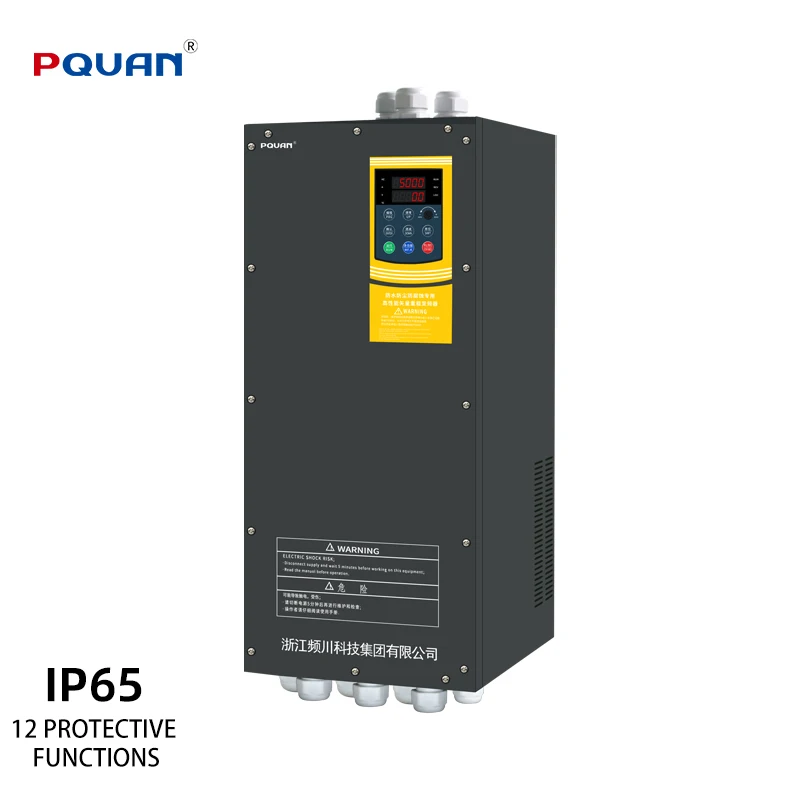
AC Frequency Converter: Advanced Motor Control Solutions for Industrial Efficiency

All Categories
Get a Quote
%}

Get a Free Quote

Our representative will contact you soon.
Email
Name
Company Name
Message
0/1000

ac frequency converter

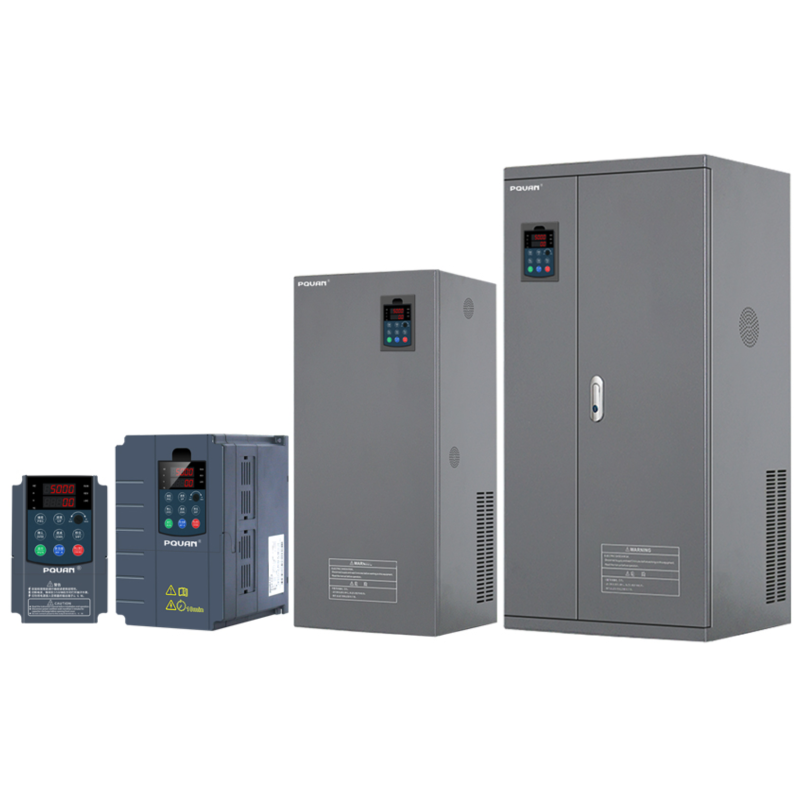
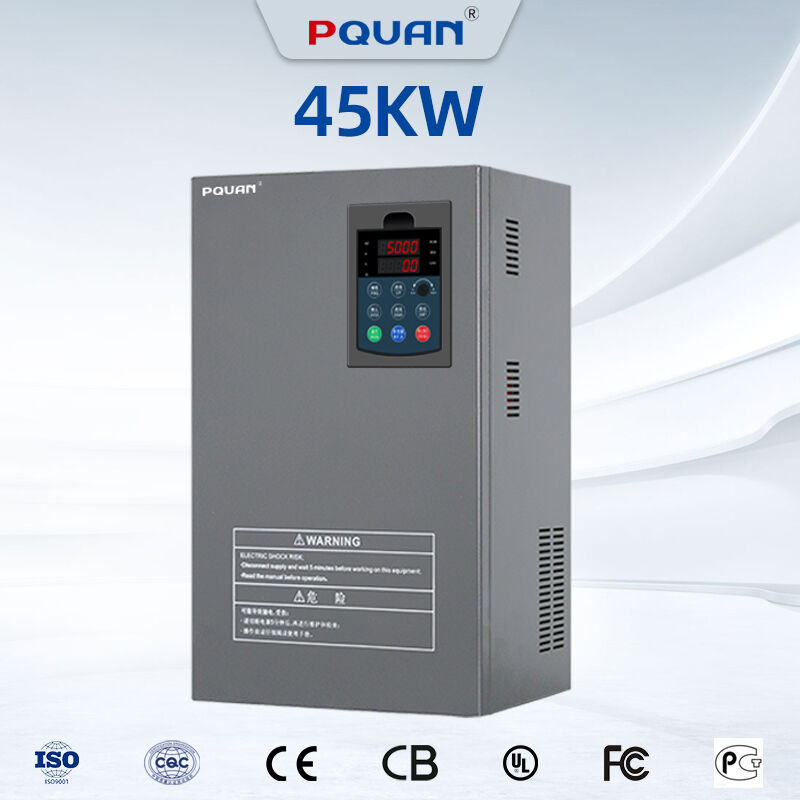
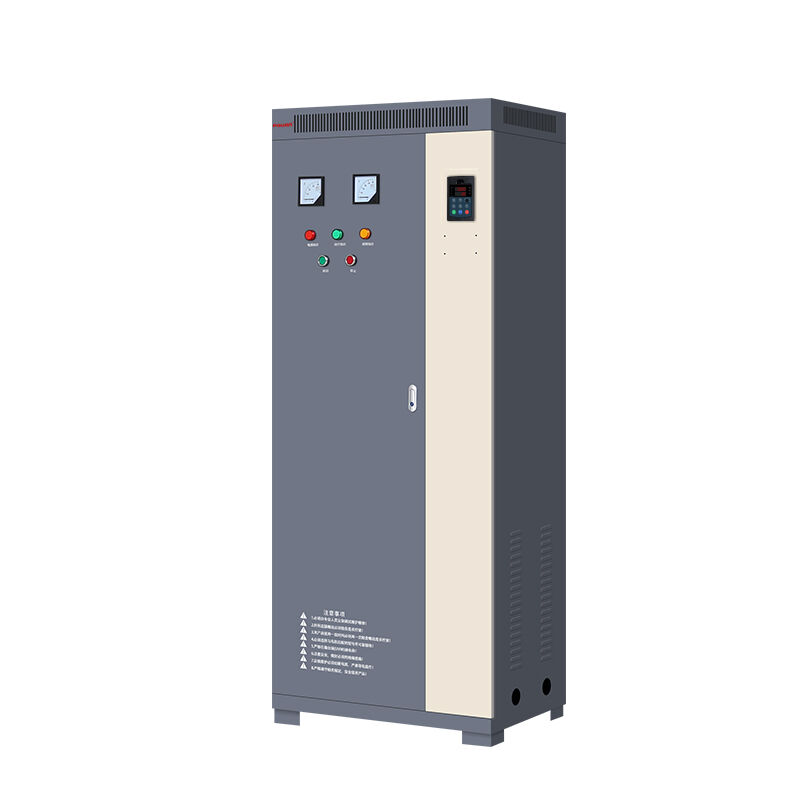
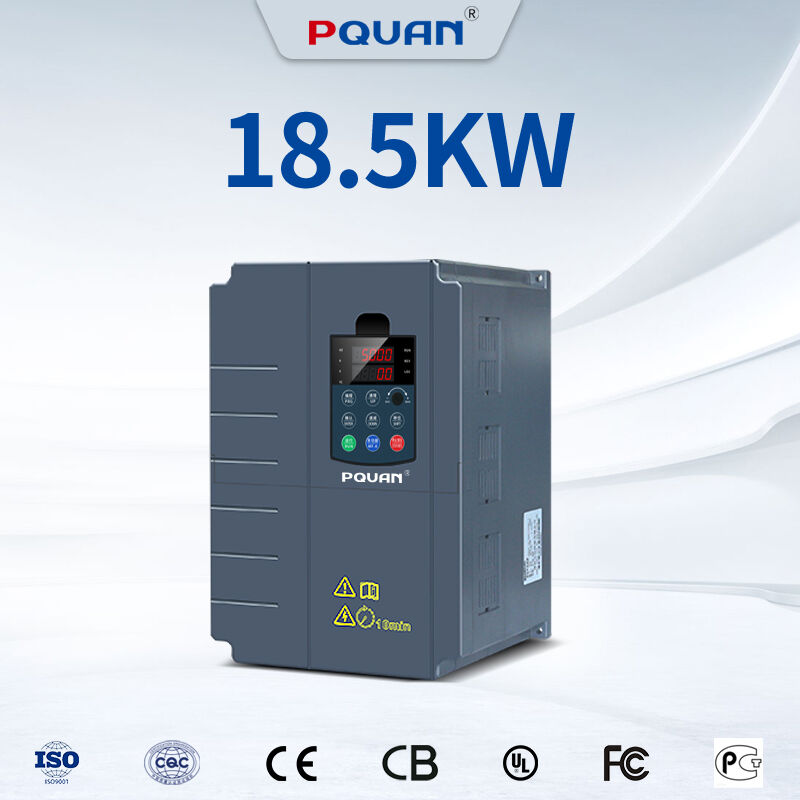
An ac frequency converter, also known as a variable frequency drive or inverter, represents a sophisticated electrical control device that transforms alternating current power from one frequency to another while maintaining optimal voltage regulation. This advanced technology serves as the cornerstone of modern industrial automation, enabling precise control over electric motor operations across diverse manufacturing environments. The ac frequency converter accomplishes this transformation through a three-stage process: rectification, filtering, and inversion, which collectively ensure smooth, efficient power delivery to connected equipment. The primary function of an ac frequency converter centers on motor speed control, allowing operators to adjust rotational speeds with exceptional precision. This capability proves invaluable in applications requiring variable operational parameters, such as conveyor systems, pumps, fans, and manufacturing machinery. By modulating the frequency of electrical supply, these devices enable motors to operate at optimal efficiency levels while reducing energy consumption significantly. Technologically, modern ac frequency converters incorporate advanced microprocessor-based control systems that provide real-time monitoring and adjustment capabilities. These intelligent systems feature sophisticated algorithms that optimize performance based on load conditions, environmental factors, and operational requirements. Additionally, many units include integrated communication protocols, enabling seamless integration with existing automation networks and supervisory control systems. The applications for ac frequency converters span numerous industries, including manufacturing, water treatment, HVAC systems, mining operations, and renewable energy installations. In manufacturing facilities, these devices control production line speeds, ensuring consistent product quality while maximizing throughput. Water treatment plants utilize ac frequency converters to regulate pump operations, optimizing flow rates based on demand fluctuations. HVAC applications benefit from precise fan and compressor control, resulting in improved climate management and energy efficiency. The versatility of ac frequency converters makes them indispensable components in modern electrical systems, providing reliable, efficient operation while reducing maintenance requirements and operational costs.

New Product Releases

The implementation of an ac frequency converter delivers substantial benefits that directly impact operational efficiency and cost-effectiveness across industrial applications. Energy savings represent the most compelling advantage, with typical installations achieving 20-50% reduction in electrical consumption compared to traditional fixed-speed motor systems. This significant decrease occurs because the ac frequency converter adjusts motor speed precisely to match actual load requirements, eliminating the waste associated with constant high-speed operation during low-demand periods. The financial impact extends beyond reduced electricity bills, as lower energy consumption translates to decreased carbon footprint and enhanced environmental sustainability credentials for businesses. Operational flexibility stands as another major benefit of ac frequency converter implementation. These devices enable smooth speed transitions, eliminating the mechanical stress and electrical surges associated with direct-on-line motor starting. This gentle acceleration and deceleration capability protects connected equipment from damage while extending operational lifespan significantly. Maintenance costs decrease substantially because reduced mechanical stress means fewer component failures and longer intervals between service requirements. The precision control offered by ac frequency converters allows operators to fine-tune system performance for specific applications, optimizing productivity while maintaining consistent quality standards. Process control improvements become immediately apparent when ac frequency converters are integrated into existing systems. The ability to maintain precise speeds regardless of load variations ensures consistent product quality in manufacturing environments. Temperature control in HVAC applications becomes more accurate, resulting in improved comfort levels and reduced energy waste. Water pressure management in pumping systems achieves better stability, preventing damage from pressure fluctuations while ensuring adequate supply during peak demand periods. Reliability enhancements represent another crucial advantage of ac frequency converter technology. Built-in protection features safeguard connected motors from overload conditions, voltage fluctuations, and phase imbalances that could cause costly damage. Diagnostic capabilities provide early warning of potential issues, enabling proactive maintenance scheduling that prevents unexpected downtime. The robust construction of modern ac frequency converters ensures dependable operation in challenging industrial environments, withstanding temperature extremes, vibration, and electrical interference that might compromise other control methods. Return on investment calculations consistently demonstrate the financial wisdom of ac frequency converter installation, with payback periods typically ranging from 12 to 36 months depending on application specifics and energy costs.

Latest News

Pakistani Customers Visit PQUAN for Inspection and Exchange

09

Feb

Pakistani Customers Visit PQUAN for Inspection and Exchange

View More
How to Choose Voltage Regulator Power: A Concise Guide for Industrial & Commercial Users

23

Jan

How to Choose Voltage Regulator Power: A Concise Guide for Industrial & Commercial Users

View More
A Complete Guide to Selecting the Right Variable Frequency Drive (VFD) Model

03

Mar

A Complete Guide to Selecting the Right Variable Frequency Drive (VFD) Model

View More

Get a Free Quote

Our representative will contact you soon.
Email
Name
Company Name
Message
0/1000

ac frequency converter

Advanced Energy Efficiency and Cost Reduction

Advanced Energy Efficiency and Cost Reduction

The exceptional energy efficiency capabilities of an ac frequency converter represent a revolutionary advancement in industrial power management, delivering unprecedented cost savings while maintaining superior operational performance. This sophisticated technology achieves remarkable efficiency improvements by precisely matching motor speed to actual load requirements, eliminating the substantial energy waste inherent in traditional fixed-speed motor systems. When motors operate at constant high speeds regardless of demand variations, they consume excessive electricity during low-load periods, creating unnecessary operational expenses that accumulate significantly over time. The ac frequency converter addresses this inefficiency through intelligent speed modulation, automatically adjusting motor operations to optimize power consumption based on real-time demand analysis. Industrial facilities implementing ac frequency converter technology typically experience energy consumption reductions ranging from 20% to 50%, with some applications achieving even greater savings depending on load characteristics and operational patterns. These substantial reductions translate directly to decreased electricity costs, providing immediate financial benefits that continue accumulating throughout the system's operational lifespan. The environmental impact of these energy savings extends beyond cost considerations, as reduced power consumption contributes to lower carbon emissions and enhanced corporate sustainability initiatives. Many organizations discover that ac frequency converter installation enables them to meet environmental compliance requirements while simultaneously improving their bottom line. The intelligent control algorithms within modern ac frequency converters continuously monitor system performance, making real-time adjustments to maintain optimal efficiency levels under varying operational conditions. This adaptive capability ensures consistent energy savings regardless of changing load patterns, seasonal variations, or operational modifications. Additionally, the soft-start functionality of ac frequency converters reduces peak demand charges imposed by utility companies, further enhancing the financial benefits of implementation. The cumulative effect of these efficiency improvements creates compelling return-on-investment scenarios, with most installations paying for themselves within two to three years through reduced energy costs alone. Beyond immediate savings, the extended equipment lifespan resulting from gentler operation translates to reduced replacement costs and lower total cost of ownership over the long term.
Precise Motor Control and Enhanced System Performance

Precise Motor Control and Enhanced System Performance

The sophisticated motor control capabilities of an ac frequency converter provide unparalleled precision and flexibility that transforms industrial operations across diverse applications and environments. This advanced technology enables operators to achieve exact speed control with remarkable accuracy, maintaining consistent rotational speeds regardless of load variations or external conditions that typically cause performance fluctuations in conventional motor systems. The precise control mechanisms within an ac frequency converter utilize advanced feedback systems and intelligent algorithms to continuously monitor motor performance, making instantaneous adjustments to maintain desired operational parameters. This level of control precision proves invaluable in manufacturing processes where consistent speeds directly impact product quality, dimensional accuracy, and production efficiency. The ability to program specific acceleration and deceleration profiles allows operators to optimize system performance for particular applications, ensuring smooth transitions that protect mechanical components while maximizing productivity. Variable torque control represents another significant advantage of ac frequency converter technology, enabling motors to deliver appropriate power levels throughout their operational range while maintaining efficiency. This capability proves especially beneficial in applications with varying load requirements, such as conveyor systems handling different product weights or pumping systems managing fluctuating demand patterns. The smooth speed transitions provided by ac frequency converters eliminate the mechanical shock and electrical stress associated with direct motor starting, significantly extending equipment lifespan while reducing maintenance requirements. Process optimization becomes achievable through the comprehensive control features available in modern ac frequency converter systems. Operators can establish multiple operating modes, each optimized for specific conditions or production requirements, switching between configurations seamlessly based on operational needs. The integration capabilities of contemporary ac frequency converters enable seamless communication with supervisory control systems, providing centralized monitoring and control that enhances overall system coordination. Real-time performance data collection and analysis capabilities allow operators to identify optimization opportunities and implement continuous improvement initiatives. The diagnostic features built into ac frequency converters provide valuable insights into system performance, enabling proactive maintenance scheduling and preventing costly unexpected failures that disrupt production schedules.
Superior Protection and Reliability Features

Superior Protection and Reliability Features

The comprehensive protection and reliability features integrated into modern ac frequency converter systems provide exceptional safeguarding for valuable motor equipment while ensuring consistent, dependable operation in demanding industrial environments. These advanced protection mechanisms represent a significant technological achievement, incorporating multiple layers of monitoring and response systems that detect potential issues before they can cause equipment damage or operational disruptions. Overload protection stands as one of the most critical safety features, continuously monitoring motor current and automatically reducing speed or shutting down operations when excessive loads are detected. This intelligent protection prevents motor damage from overheating, mechanical binding, or other conditions that could result in costly repairs or replacement requirements. Voltage protection capabilities shield connected motors from power supply irregularities, including voltage sags, surges, and phase imbalances that frequently occur in industrial electrical systems. The ac frequency converter automatically compensates for minor voltage variations while providing complete protection during severe disturbances that could damage sensitive motor components. Phase loss protection ensures that motors cannot operate under dangerous single-phase conditions that would cause immediate damage to three-phase equipment. Temperature monitoring systems within the ac frequency converter track both internal device temperature and motor temperature, implementing protective measures when thermal limits approach dangerous levels. Ground fault protection detects insulation failures and immediately isolates the system to prevent electrical hazards and equipment damage. Short circuit protection provides instantaneous response to electrical faults, utilizing advanced current sensing technology to distinguish between normal inrush currents and dangerous fault conditions. The diagnostic capabilities of contemporary ac frequency converters extend far beyond basic protection functions, providing comprehensive system monitoring that enables predictive maintenance strategies. Real-time parameter monitoring tracks voltage levels, current consumption, temperature variations, and operational hours, creating detailed performance histories that identify developing problems before they cause failures. Fault logging systems record all protection events with precise timestamps, enabling maintenance personnel to analyze patterns and implement preventive measures. Communication capabilities allow remote monitoring of system status, enabling proactive maintenance scheduling and rapid response to any operational issues. The robust construction of modern ac frequency converters ensures reliable operation in harsh industrial environments, with protection ratings suitable for dusty, humid, or temperature-extreme conditions that would compromise less sophisticated control equipment.
AC Frequency Converter: Advanced Motor Control Solutions for Industrial Efficiency

Get a Free Quote

Our representative will contact you soon.
Email
Name
Company Name
Message
0/1000