AC Drive for Blower: Advanced Variable Frequency Drive Solutions for Energy-Efficient Blower Control Systems

All Categories
Get a Quote
%}

Get a Free Quote

Our representative will contact you soon.
Email
Name
Company Name
Message
0/1000

ac drive for blower

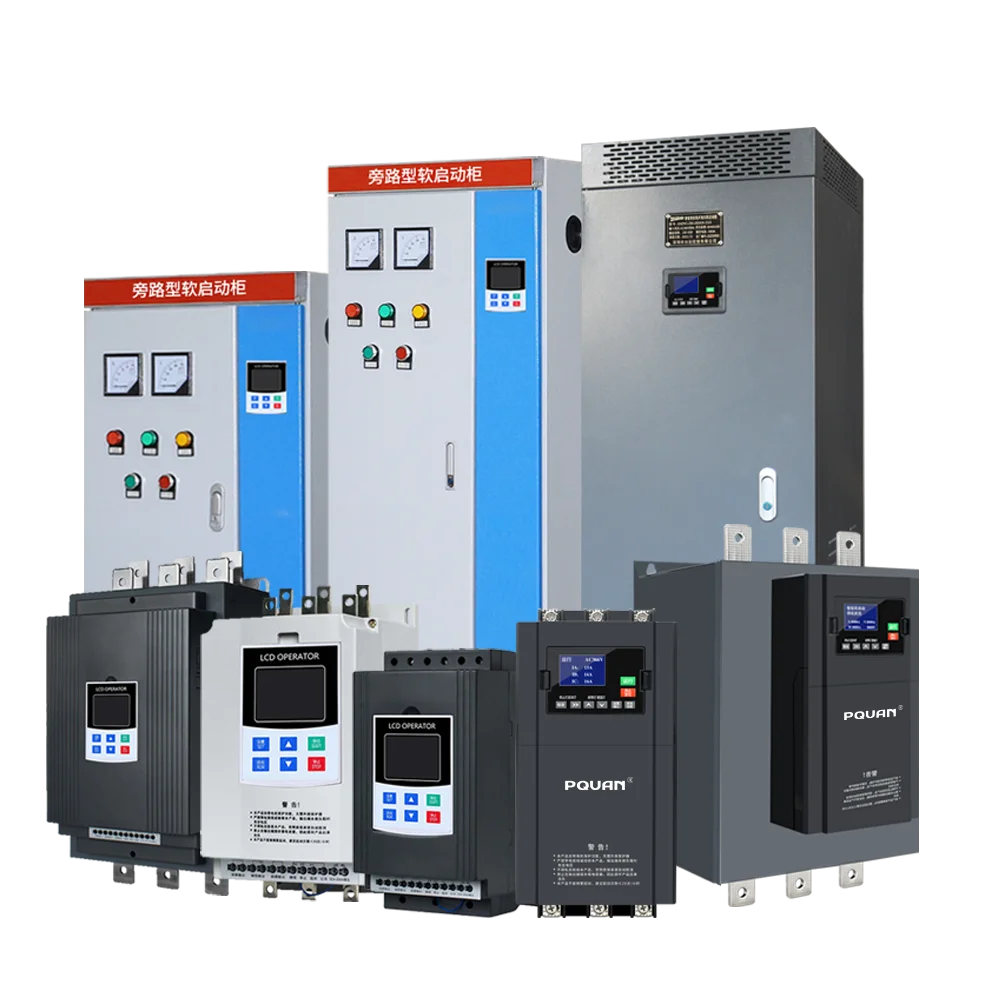
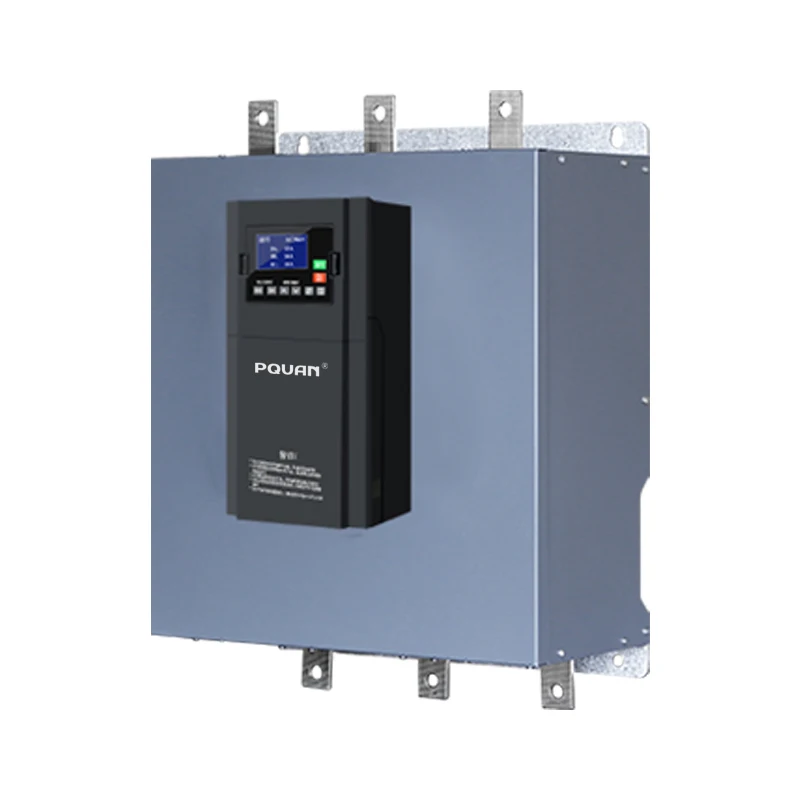
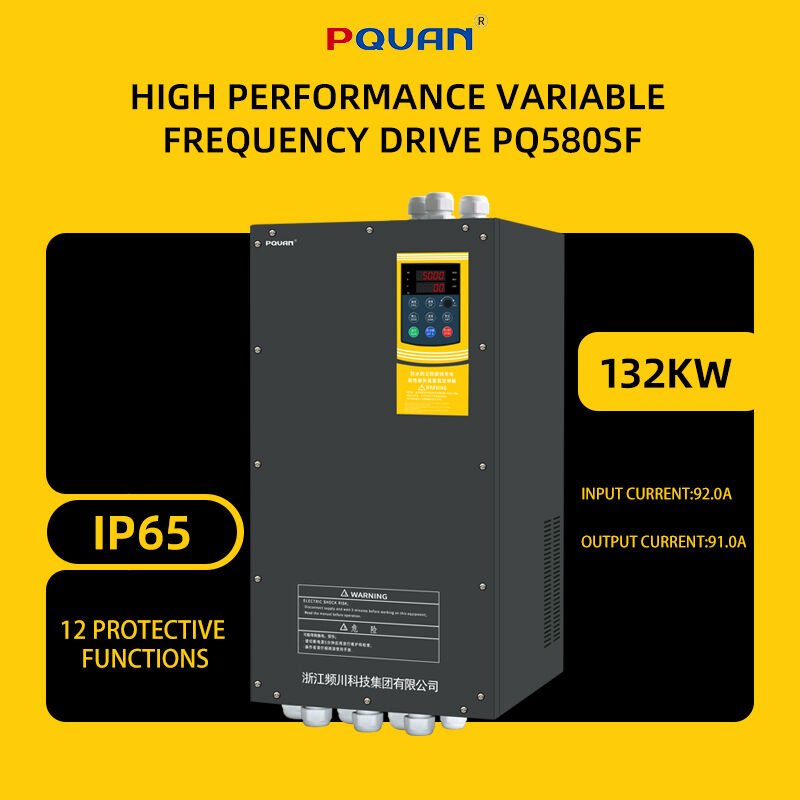
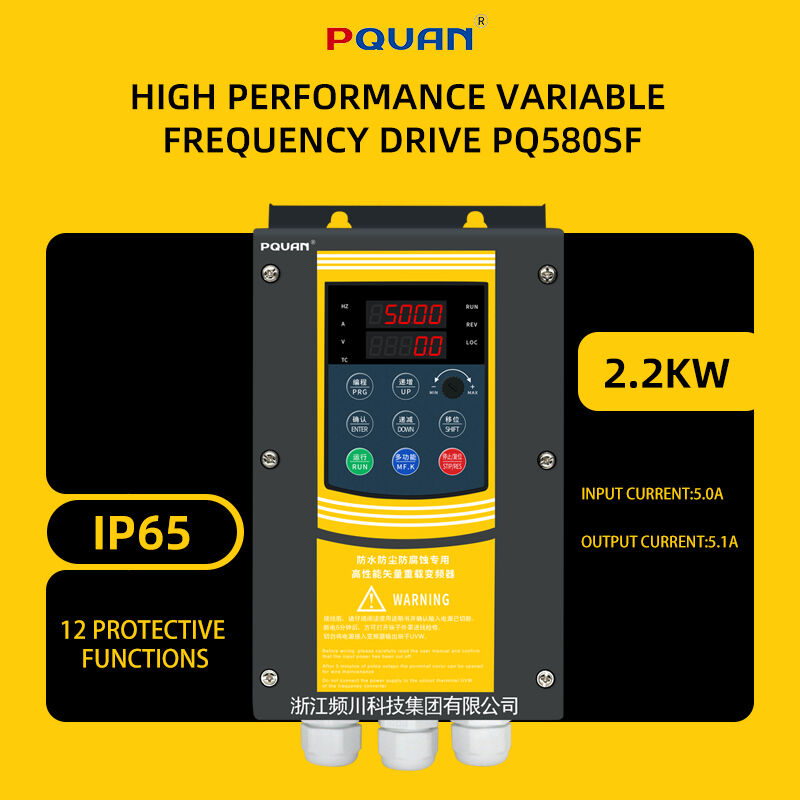
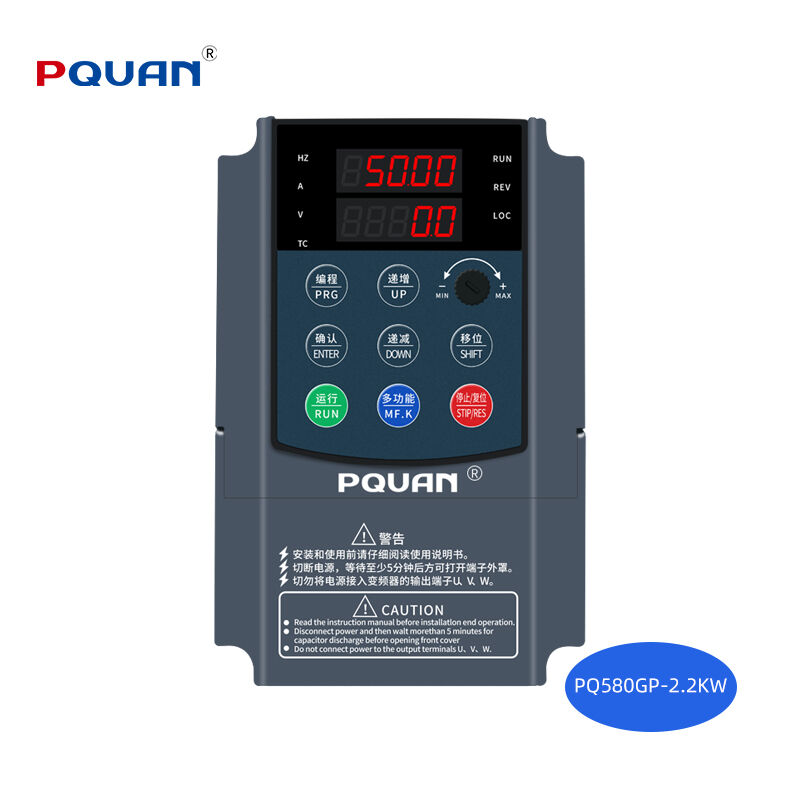
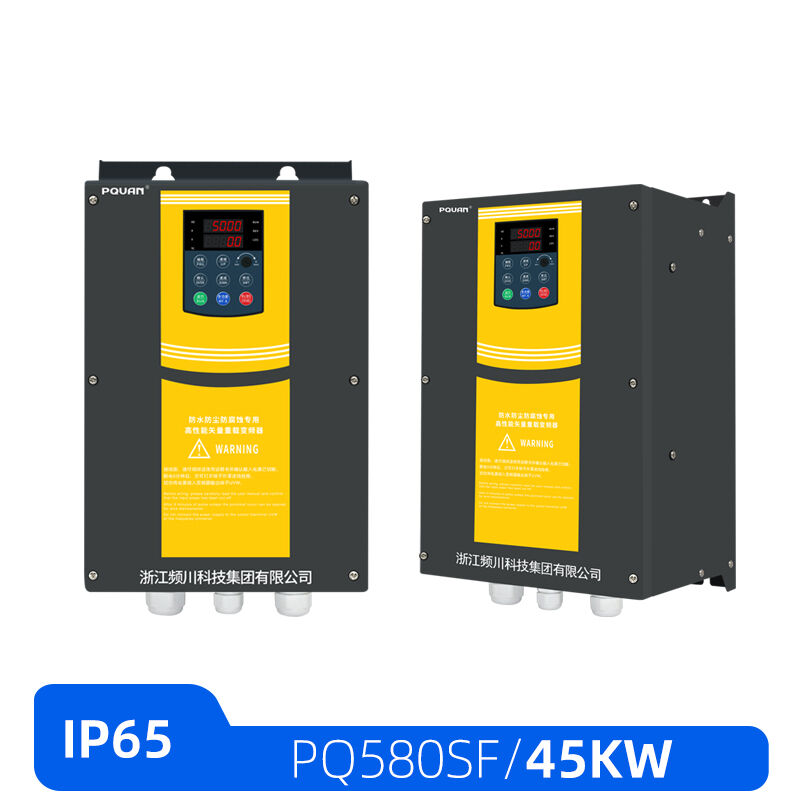
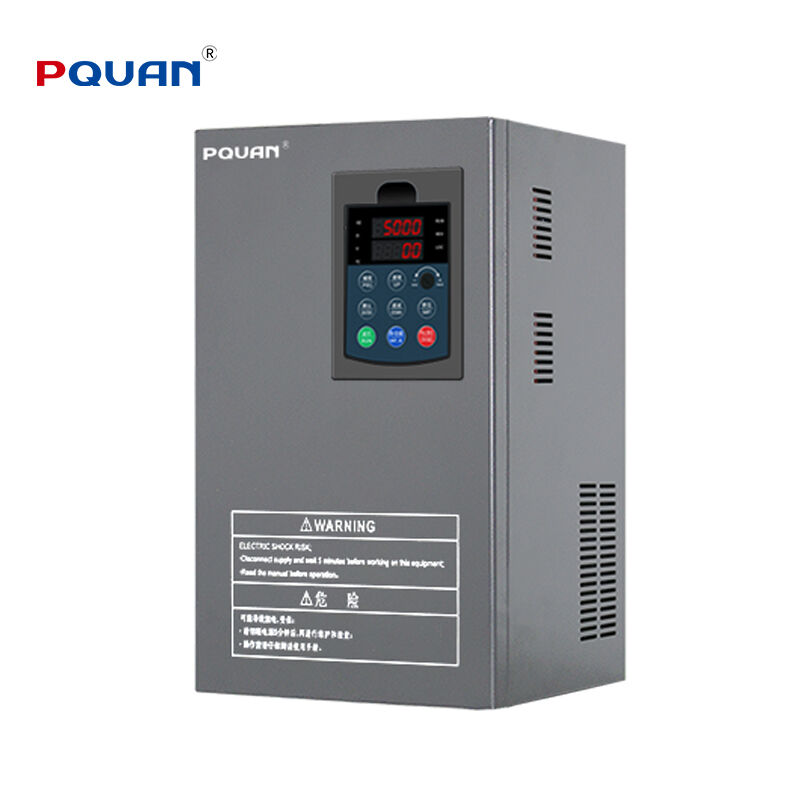
An ac drive for blower represents a sophisticated electronic control system designed to regulate the speed and performance of alternating current motors that power various blower applications. This advanced technology serves as the central nervous system for industrial and commercial ventilation equipment, providing precise control over airflow, pressure, and energy consumption. The ac drive for blower functions by converting fixed-frequency AC power into variable-frequency output, enabling operators to adjust motor speed according to specific operational requirements. The primary functions of an ac drive for blower include speed control, torque regulation, energy optimization, and system protection. Through advanced microprocessor technology, these drives monitor motor performance continuously, adjusting parameters in real-time to maintain optimal efficiency. The speed control capability allows users to fine-tune blower output from zero to maximum rated speed, providing unprecedented flexibility in managing airflow requirements. Torque regulation ensures consistent performance across varying load conditions, while energy optimization features significantly reduce power consumption during partial load operations. Technological features of modern ac drive for blower systems include vector control algorithms, programmable logic integration, communication protocols, and advanced monitoring capabilities. Vector control technology provides superior motor control precision by independently managing motor flux and torque components. Programmable logic integration enables seamless coordination with building automation systems and process control networks. Communication protocols such as Modbus, Profibus, and Ethernet facilitate remote monitoring and control capabilities. Applications for ac drive for blower technology span numerous industries including HVAC systems, industrial ventilation, wastewater treatment, mining operations, and manufacturing processes. In HVAC applications, these drives optimize indoor air quality while minimizing energy costs. Industrial ventilation systems benefit from precise airflow control that adapts to changing environmental conditions. Wastewater treatment facilities utilize ac drive for blower technology to maintain optimal aeration levels while reducing operational expenses.

New Product Recommendations

The ac drive for blower technology delivers substantial benefits that transform operational efficiency and cost management across diverse applications. Energy savings represent the most compelling advantage, with typical installations achieving 20-50 percent reduction in electricity consumption compared to traditional constant-speed systems. This remarkable efficiency stems from the drive's ability to match motor speed precisely to actual demand, eliminating the energy waste associated with throttling valves or inlet guide vanes. The ac drive for blower automatically adjusts power consumption in proportion to the cube of speed reduction, meaning that operating at 80 percent speed consumes approximately 50 percent of full-speed power. Improved process control constitutes another significant benefit of ac drive for blower implementation. Operators gain unprecedented precision in managing airflow rates, pressure levels, and system response times. This enhanced control capability enables facilities to maintain optimal environmental conditions while adapting quickly to changing operational requirements. The smooth acceleration and deceleration characteristics of ac drive for blower systems eliminate mechanical stress on equipment components, extending service life and reducing maintenance requirements. Reduced mechanical wear translates directly into lower replacement costs and extended intervals between scheduled maintenance activities. The ac drive for blower technology also provides comprehensive system protection through built-in monitoring and diagnostic capabilities. Advanced protection features include overcurrent detection, overvoltage protection, phase loss monitoring, and thermal overload prevention. These protective functions safeguard expensive motor and blower equipment from damage while providing early warning of potential issues. Operational flexibility represents another key advantage of ac drive for blower systems. Users can easily modify system performance parameters through intuitive programming interfaces without requiring mechanical modifications. This adaptability proves invaluable in applications where requirements change seasonally or due to process variations. The ac drive for blower enables facilities to optimize performance for different operating scenarios without compromising equipment reliability. Noise reduction benefits make ac drive for blower technology particularly attractive in commercial and residential environments. Variable speed operation allows systems to operate at lower speeds during periods of reduced demand, significantly decreasing noise levels compared to constant-speed alternatives. This capability proves especially valuable in applications where noise pollution concerns impact community relations or worker comfort. Environmental benefits extend beyond energy savings to include reduced carbon footprint and improved sustainability metrics. Organizations implementing ac drive for blower technology demonstrate measurable progress toward environmental goals while achieving tangible cost reductions.

Latest News

Pakistani Customers Visit PQUAN for Inspection and Exchange

09

Feb

Pakistani Customers Visit PQUAN for Inspection and Exchange

View More
How to Choose Voltage Regulator Power: A Concise Guide for Industrial & Commercial Users

23

Jan

How to Choose Voltage Regulator Power: A Concise Guide for Industrial & Commercial Users

View More
A Complete Guide to Selecting the Right Variable Frequency Drive (VFD) Model

03

Mar

A Complete Guide to Selecting the Right Variable Frequency Drive (VFD) Model

View More

Get a Free Quote

Our representative will contact you soon.
Email
Name
Company Name
Message
0/1000

ac drive for blower

Advanced Energy Optimization Technology

Advanced Energy Optimization Technology

The ac drive for blower incorporates cutting-edge energy optimization algorithms that revolutionize power consumption management in industrial and commercial applications. This sophisticated technology employs real-time load analysis to continuously adjust motor performance parameters, ensuring optimal efficiency across the complete operating range. The energy optimization system within the ac drive for blower utilizes proprietary algorithms that monitor system demand patterns and automatically implement power-saving strategies without compromising performance requirements. Advanced power factor correction capabilities integrated into the ac drive for blower design maintain near-unity power factor across varying load conditions, maximizing electrical system efficiency and minimizing utility demand charges. The intelligent energy management system learns operational patterns over time, developing predictive models that anticipate demand fluctuations and pre-emptively adjust system parameters for maximum efficiency. Sleep mode functionality allows the ac drive for blower to automatically reduce power consumption during periods of minimal demand while maintaining system readiness for immediate response when required. Dynamic voltage regulation ensures optimal motor excitation levels throughout the operating range, preventing energy waste associated with over-excitation while maintaining adequate torque production capability. The ac drive for blower energy optimization technology includes regenerative braking capabilities that capture kinetic energy during deceleration phases and feed it back into the electrical system, further enhancing overall efficiency. Soft-start functionality eliminates the high inrush currents associated with direct-on-line motor starting, reducing electrical demand peaks and minimizing stress on electrical infrastructure components. Power quality improvement features integrated into the ac drive for blower design include harmonic filtering and electromagnetic interference suppression, ensuring clean power delivery that benefits the entire electrical system. Energy monitoring and reporting capabilities provide detailed consumption analytics that enable facilities management teams to identify additional optimization opportunities and track performance improvements over time.
Precision Speed and Torque Control Systems

Precision Speed and Torque Control Systems

The ac drive for blower features sophisticated speed and torque control systems that deliver unparalleled precision in managing blower performance across diverse operating conditions. Advanced vector control technology enables independent regulation of motor flux and torque components, providing exceptional control accuracy that surpasses traditional scalar control methods. The precision control capabilities of the ac drive for blower allow for speed regulation accuracy within 0.01 percent of setpoint, ensuring consistent airflow delivery regardless of system load variations or environmental changes. Closed-loop feedback systems continuously monitor actual motor performance and compare it against programmed setpoints, automatically implementing corrective actions to maintain desired operating parameters. The torque control functionality within the ac drive for blower enables precise management of starting torque, running torque, and braking torque to optimize equipment performance and longevity. Sensorless vector control algorithms eliminate the need for external speed feedback devices while maintaining exceptional control precision, reducing system complexity and installation costs. Advanced PID control loops integrated into the ac drive for blower provide superior regulation of process variables such as pressure, flow rate, and temperature, enabling tight control of critical system parameters. Multi-point speed reference capability allows operators to program multiple operating speeds and seamlessly transition between them based on process requirements or time-of-day scheduling. The ac drive for blower control system includes sophisticated ramp functions that provide smooth acceleration and deceleration profiles, minimizing mechanical stress and eliminating water hammer effects in fluid systems. Torque limiting features protect mechanical components from overload conditions while maintaining optimal performance within safe operating parameters. Load compensation algorithms automatically adjust motor parameters to maintain consistent performance despite variations in system resistance or environmental conditions. The precision control capabilities of the ac drive for blower enable implementation of advanced control strategies such as cascade control, ratio control, and adaptive control algorithms that optimize system performance for specific applications and operating conditions.
Comprehensive System Integration and Monitoring

Comprehensive System Integration and Monitoring

The ac drive for blower incorporates comprehensive system integration and monitoring capabilities that transform traditional blower systems into intelligent, connected assets within modern industrial automation environments. Advanced communication protocols including Ethernet/IP, Modbus TCP, Profibus, and DeviceNet enable seamless integration with supervisory control and data acquisition systems, building automation networks, and enterprise resource planning platforms. The integrated monitoring system within the ac drive for blower continuously tracks dozens of operational parameters including motor current, voltage, power consumption, operating temperature, vibration levels, and performance efficiency metrics. Real-time data collection and analysis capabilities provide facility managers with detailed insights into system performance trends, enabling predictive maintenance strategies that minimize unplanned downtime and optimize maintenance scheduling. The ac drive for blower features built-in web server functionality that allows authorized personnel to access system status, modify operating parameters, and retrieve historical data using standard web browsers from any network-connected device. Advanced diagnostic capabilities continuously monitor system health and automatically generate alerts when operational parameters exceed predetermined thresholds or when potential issues are detected through trend analysis. Programmable logic controller functionality integrated into the ac drive for blower enables implementation of complex control sequences and interlocking schemes without requiring external control hardware. Remote monitoring and control capabilities allow facility managers to oversee multiple ac drive for blower installations from centralized control rooms, reducing operational overhead and improving response times to system issues. Historical data logging functionality captures operational trends over extended periods, enabling analysis of seasonal patterns, equipment degradation rates, and optimization opportunities. The system integration capabilities of the ac drive for blower include support for industry-standard protocols and communication interfaces that facilitate connection to existing control systems without requiring extensive infrastructure modifications. Cybersecurity features protect system integrity through encrypted communications, user authentication protocols, and access control mechanisms that prevent unauthorized system modifications. Mobile device compatibility enables field technicians to access system information and perform diagnostic procedures using smartphones and tablets, improving maintenance efficiency and reducing response times to service calls.
AC Drive for Blower: Advanced Variable Frequency Drive Solutions for Energy-Efficient Blower Control Systems

Get a Free Quote

Our representative will contact you soon.
Email
Name
Company Name
Message
0/1000