ac drive for packaging machinery
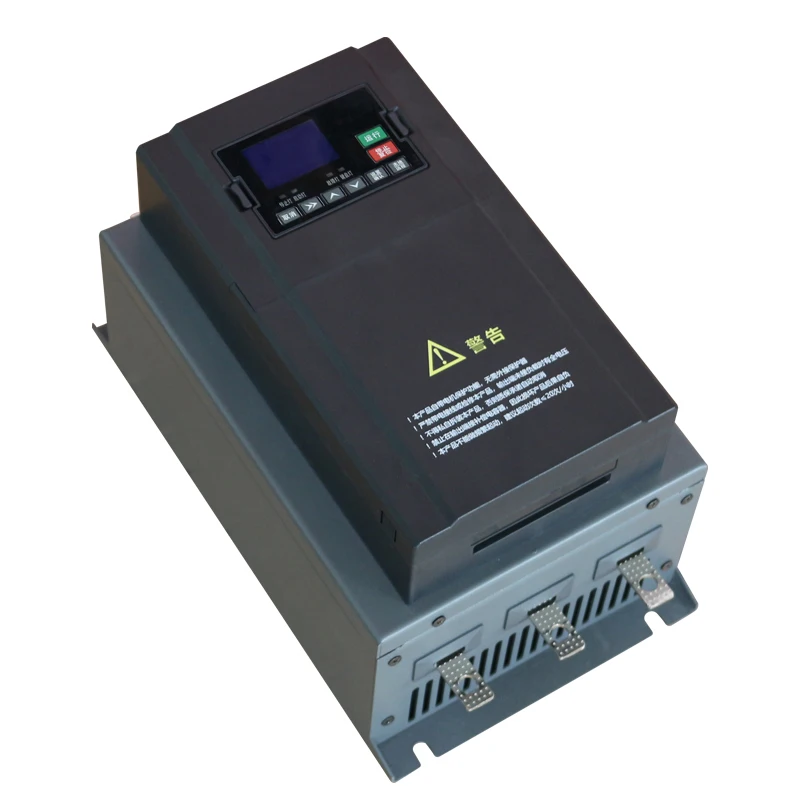
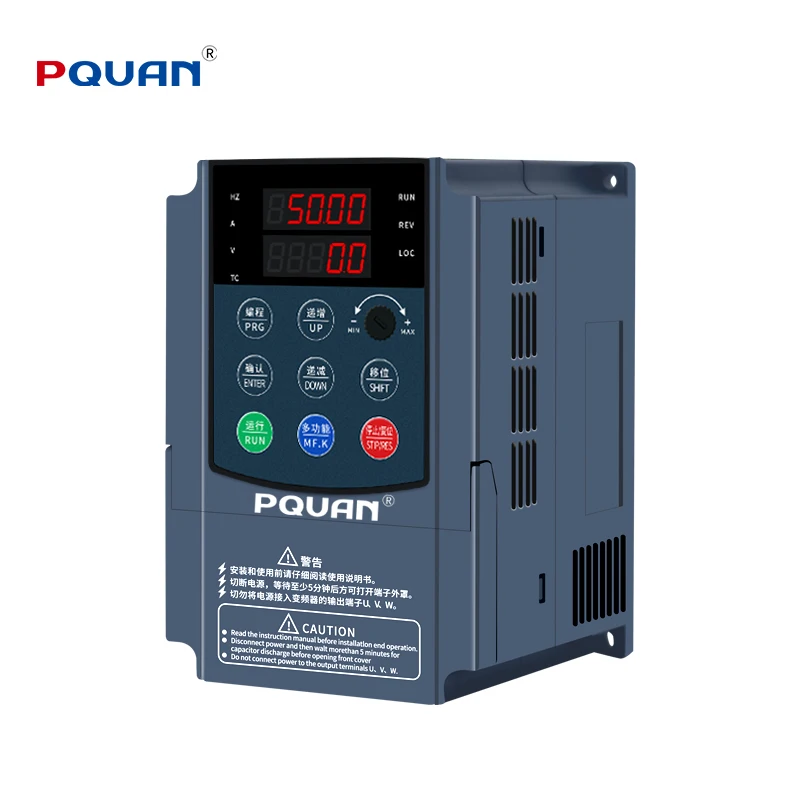
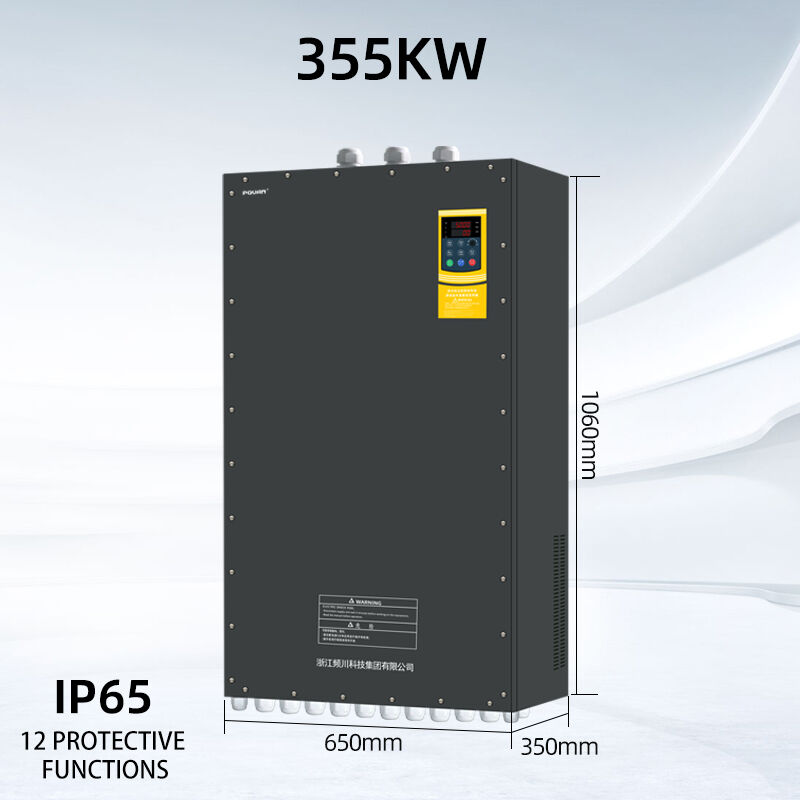
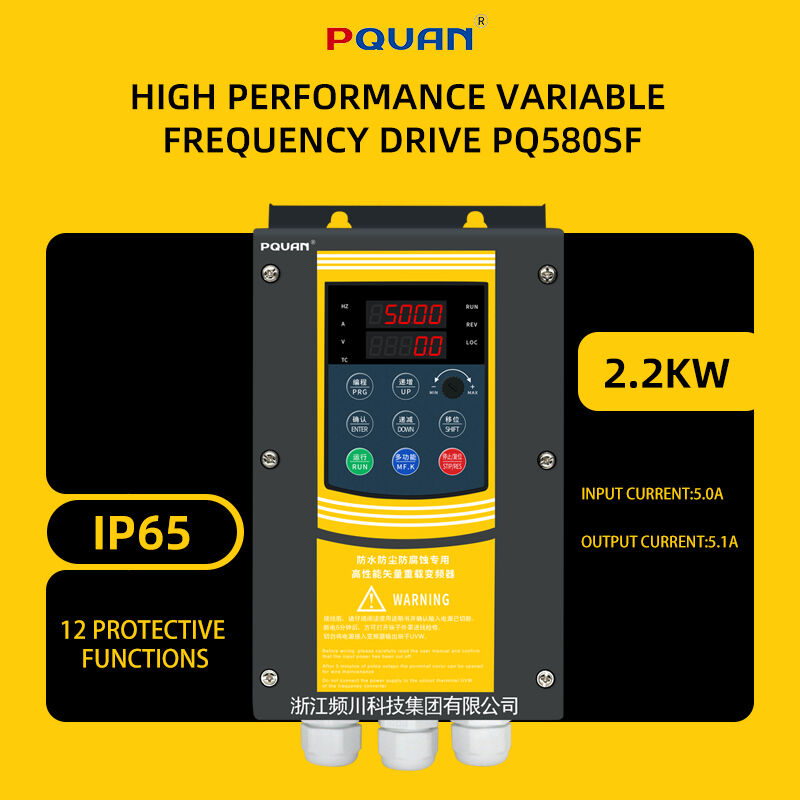
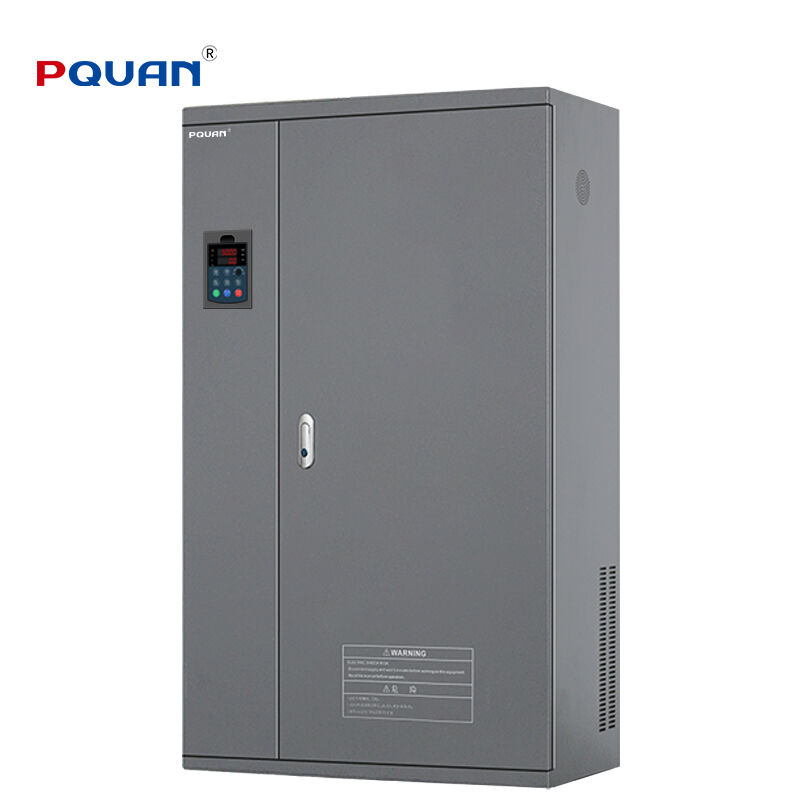
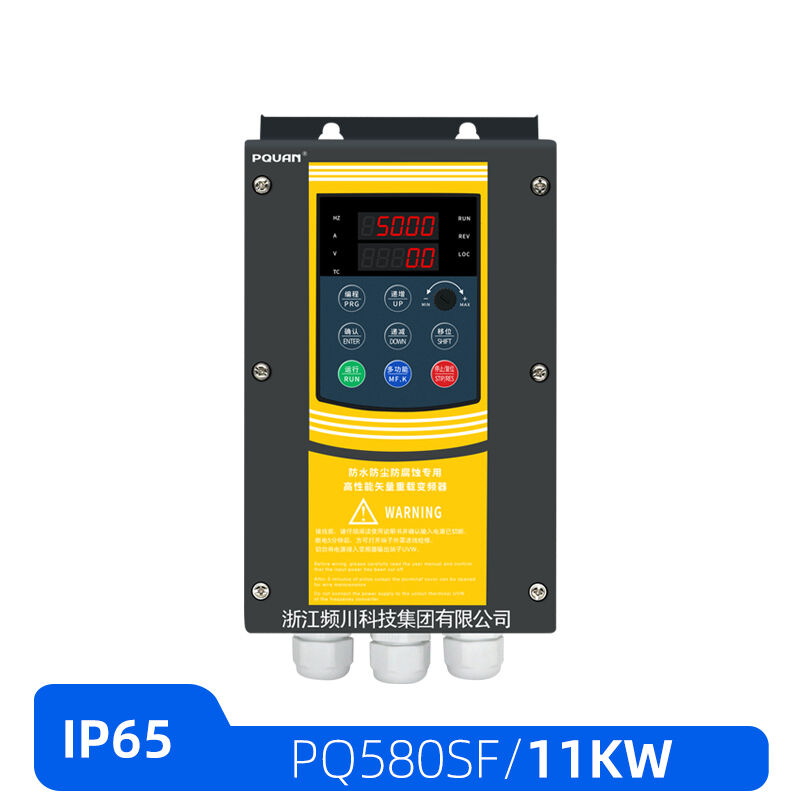
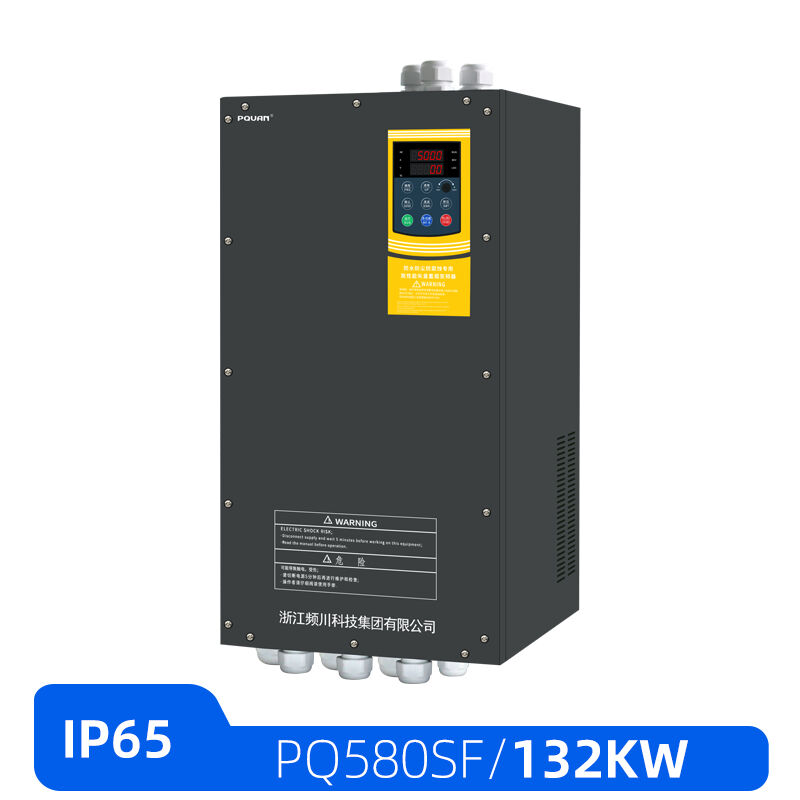
The ac drive for packaging machinery represents a critical component in modern packaging operations, delivering precise motor control and enhanced operational efficiency. This sophisticated electronic device regulates the speed, torque, and overall performance of electric motors that power various packaging equipment. An ac drive for packaging machinery converts incoming alternating current into variable frequency and voltage outputs, enabling operators to adjust machine speeds seamlessly according to production requirements. The primary functions include speed regulation across a wide range, smooth acceleration and deceleration profiles, energy consumption optimization, and protection of connected motors from electrical faults. Technological features of the ac drive for packaging machinery encompass advanced vector control algorithms, built-in PLC functionality for simplified automation, multiple communication protocol support including Ethernet, Modbus, and Profibus, and intuitive human-machine interfaces with touchscreen displays. These drives incorporate regenerative braking capabilities that recover energy during deceleration cycles, reducing overall power consumption. Modern units feature predictive maintenance alerts through integrated diagnostic systems that monitor temperature, current draw, and vibration patterns. The ac drive for packaging machinery finds extensive applications across diverse packaging sectors including food and beverage bottling lines, pharmaceutical blister packaging equipment, flexible film wrappers, case erectors and sealers, palletizing systems, and labeling machines. In filling operations, these drives maintain consistent flow rates regardless of product viscosity changes. For conveyor systems, they synchronize multiple belts operating at different speeds within a single packaging line. The precision positioning capabilities make the ac drive for packaging machinery indispensable for cut-to-length applications in film wrapping and label placement. With protection ratings suitable for washdown environments and compact designs for space-constrained installations, these drives have become the standard solution for upgrading legacy packaging systems and designing new production facilities.
 EN
EN