vector vfd
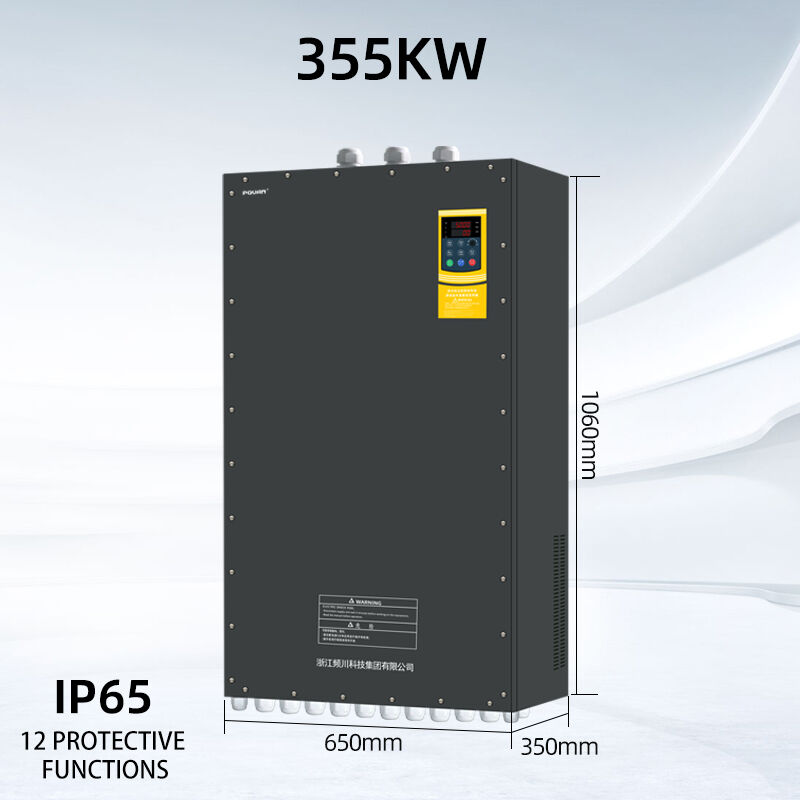
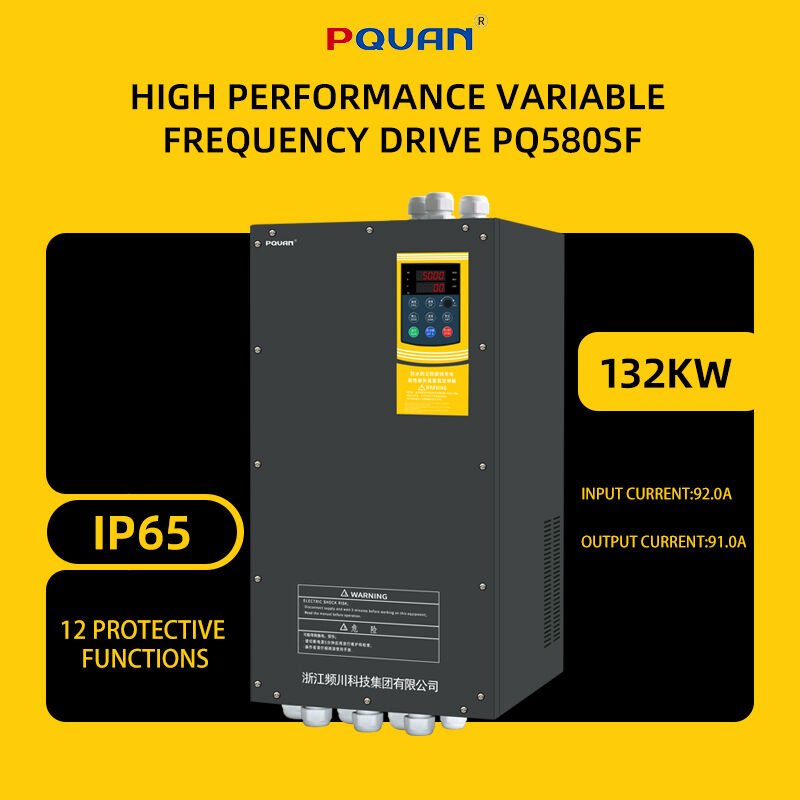
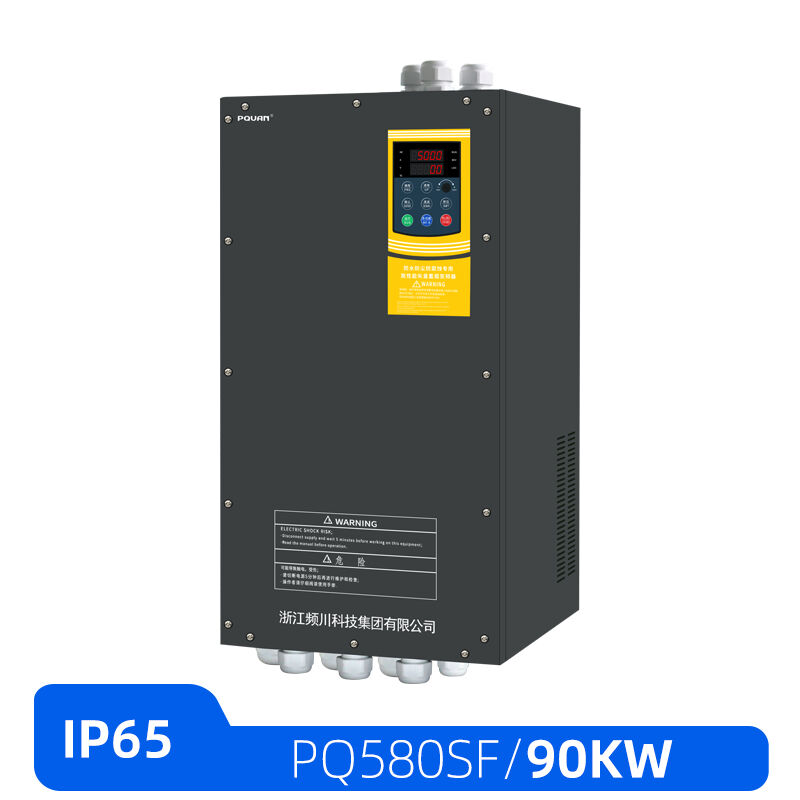
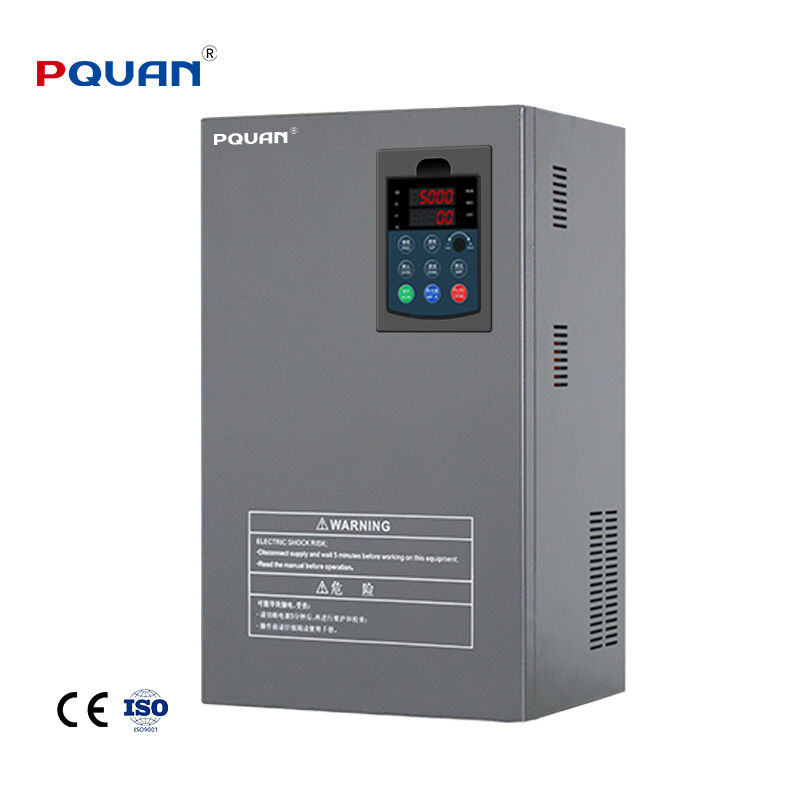
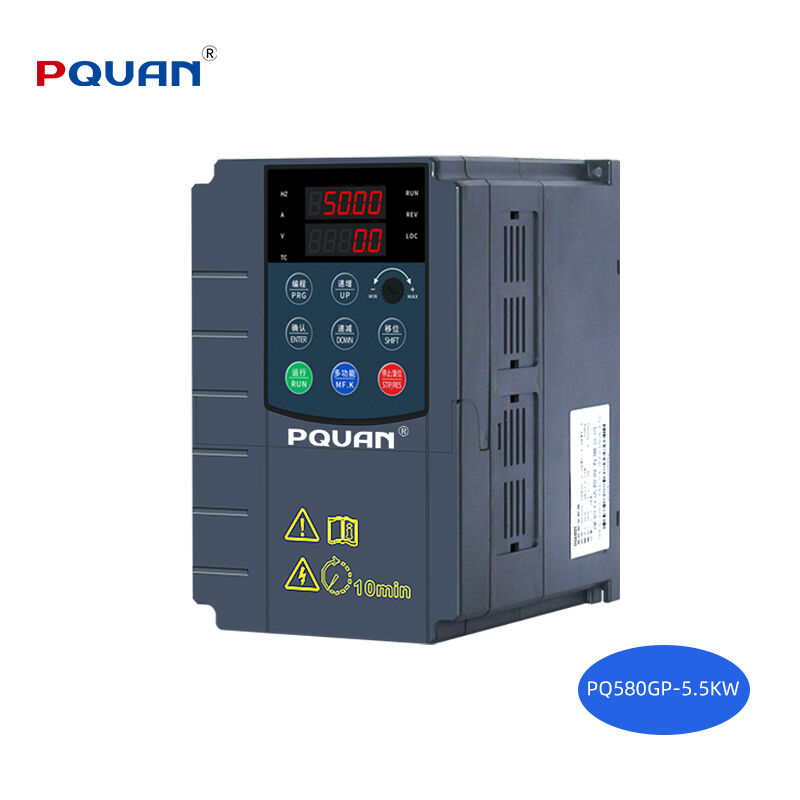
A vector VFD represents an advanced motor control solution that delivers precise speed regulation and torque management for industrial applications. This sophisticated drive technology uses vector control algorithms to independently manage motor flux and torque components, providing superior performance compared to traditional scalar drives. The vector VFD monitors rotor position and adjusts the magnetic field orientation in real-time, enabling accurate motor control across the entire speed range from zero to maximum capacity. Modern vector VFD systems incorporate advanced microprocessors and digital signal processing capabilities to calculate complex mathematical models of motor behavior. These drives can operate in both open-loop and closed-loop configurations, with closed-loop systems utilizing encoder feedback for enhanced precision. The technology excels in applications requiring high starting torque, precise positioning, or dynamic speed changes. Vector VFD units feature multiple control modes including V/F control for standard applications and space vector modulation for demanding processes. The drives communicate through various industrial protocols such as Modbus, Profibus, and EtherNet/IP, integrating seamlessly into automated production environments. Built-in protection features safeguard motors against overcurrent, overvoltage, undervoltage, and thermal overload conditions. Energy-saving capabilities reduce power consumption by matching motor output to actual load requirements, eliminating waste from constant-speed operation. The vector VFD adapts to different motor types including induction motors, permanent magnet synchronous motors, and servo motors. Installation flexibility allows wall mounting, panel mounting, or cabinet integration depending on environmental conditions and space constraints. User-friendly interfaces with LCD displays and intuitive programming simplify parameter configuration and operation monitoring. Remote monitoring capabilities enable operators to track performance metrics, diagnose issues, and adjust settings from central control rooms.
 EN
EN