Enhanced Process Control and Operational Flexibility
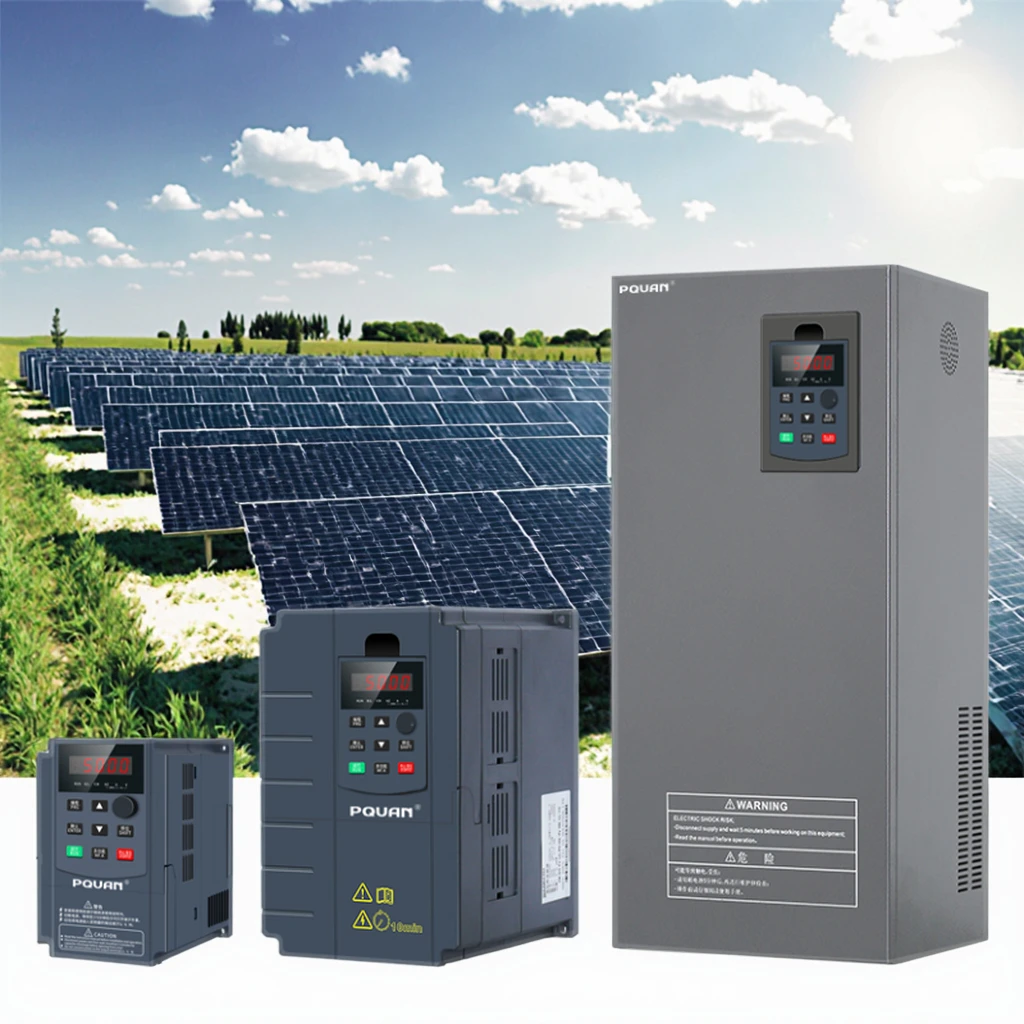
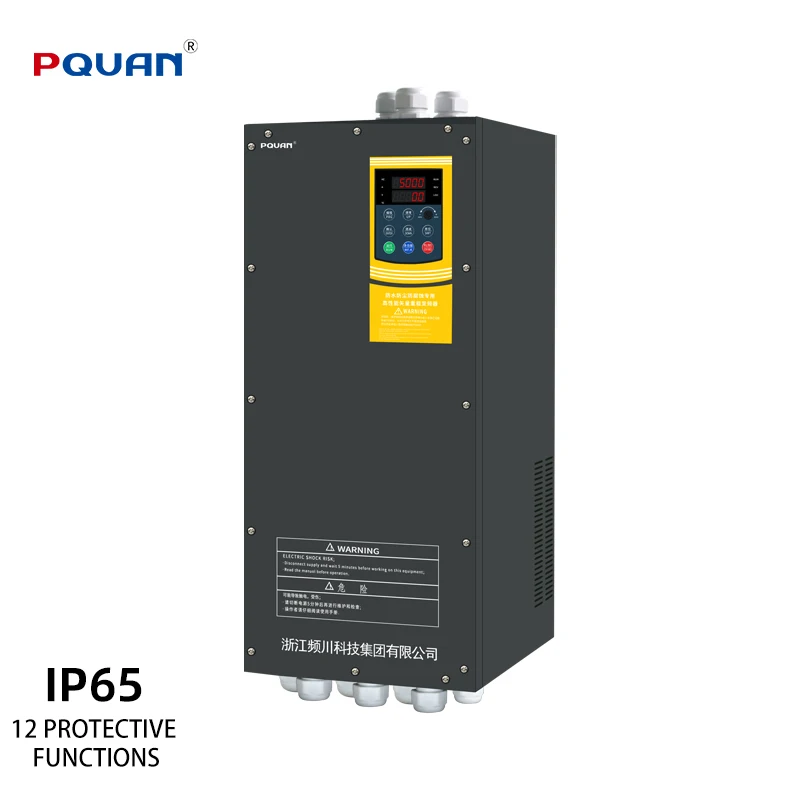
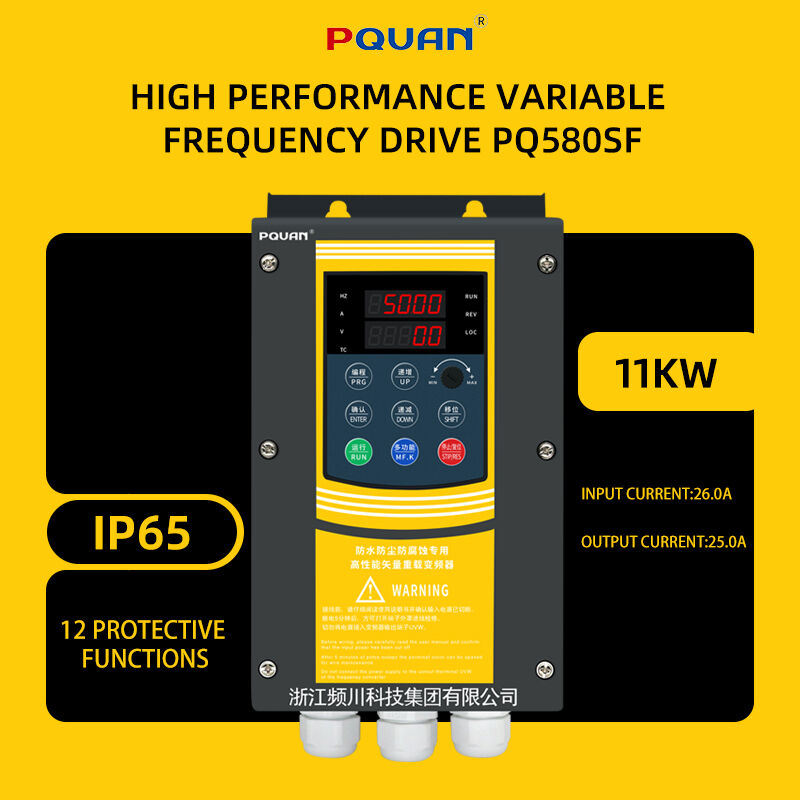
The vfd frequency converter transforms rigid motor operations into flexible, precisely controlled systems that adapt seamlessly to changing process requirements and production demands. This operational versatility enables manufacturers and facility operators to optimize performance across diverse conditions without compromising quality or efficiency. The ability to adjust motor speeds across a wide range, typically from five percent to one hundred percent of rated speed, provides unprecedented control over connected equipment and processes. In material handling applications, the vfd frequency converter allows operators to modify conveyor speeds to accommodate different product types, packaging requirements, or production rates without mechanical modifications. This flexibility eliminates bottlenecks, reduces product damage, and enables rapid changeovers between production runs. The precise speed control provided by vfd frequency converters proves invaluable in applications requiring synchronization between multiple motors or coordination with other process variables. Textile manufacturing, printing operations, and film production all depend on exact speed relationships between different machine sections, and vfd frequency converters make maintaining these relationships straightforward through master-follower configurations and ratio control. The acceleration and deceleration parameters programmable in vfd frequency converters prevent sudden changes that could damage products, spill materials, or stress mechanical components. Gentle ramping protects fragile items on conveyors, prevents water hammer in piping systems, and extends the service life of belts, chains, and gearboxes. Process optimization becomes practical when operators can experiment with different speeds to identify ideal operating points for specific conditions. The vfd frequency converter makes this experimentation simple and risk-free, encouraging continuous improvement initiatives. Remote control capabilities and communication interfaces allow vfd frequency converters to integrate with supervisory control systems, enabling centralized monitoring and automated adjustments based on sensor feedback. This connectivity supports advanced control strategies like closed-loop process control, where the vfd frequency converter automatically adjusts motor speed to maintain desired pressure, flow, temperature, or other process variables. The operational data available through vfd frequency converter communication interfaces provides valuable insights into equipment performance, energy consumption patterns, and maintenance needs. Predictive maintenance strategies leverage this data to schedule service activities before failures occur, maximizing uptime and avoiding costly emergency repairs. The programmability of vfd frequency converters allows customization for specific applications through parameter settings and configurable inputs and outputs that adapt the device to unique operational requirements without custom engineering.
 EN
EN