Voltage Stabilizer for Data Center - Reliable Power Protection Solutions

All Categories
Get a Quote
%}

Get a Free Quote

Our representative will contact you soon.
Email
Mobile/WhatsApp
Name
Message
0/1000

voltage stabilizer for data center

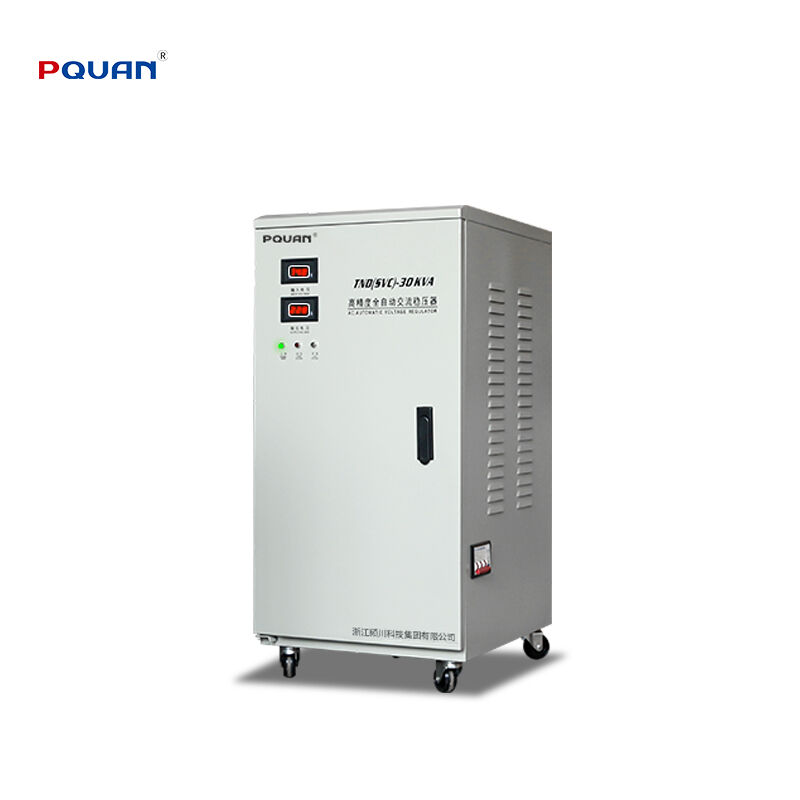
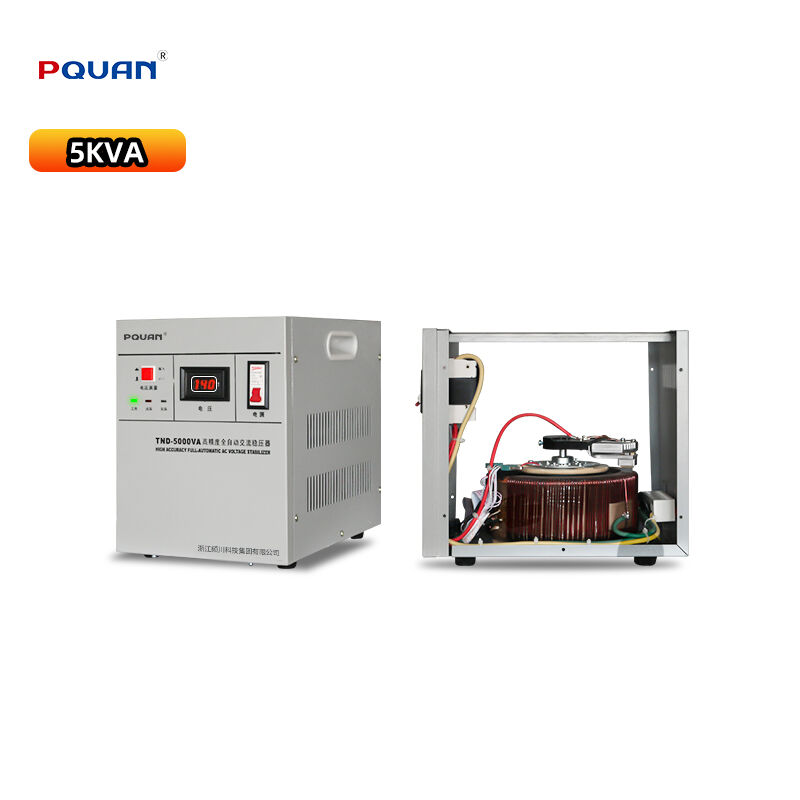
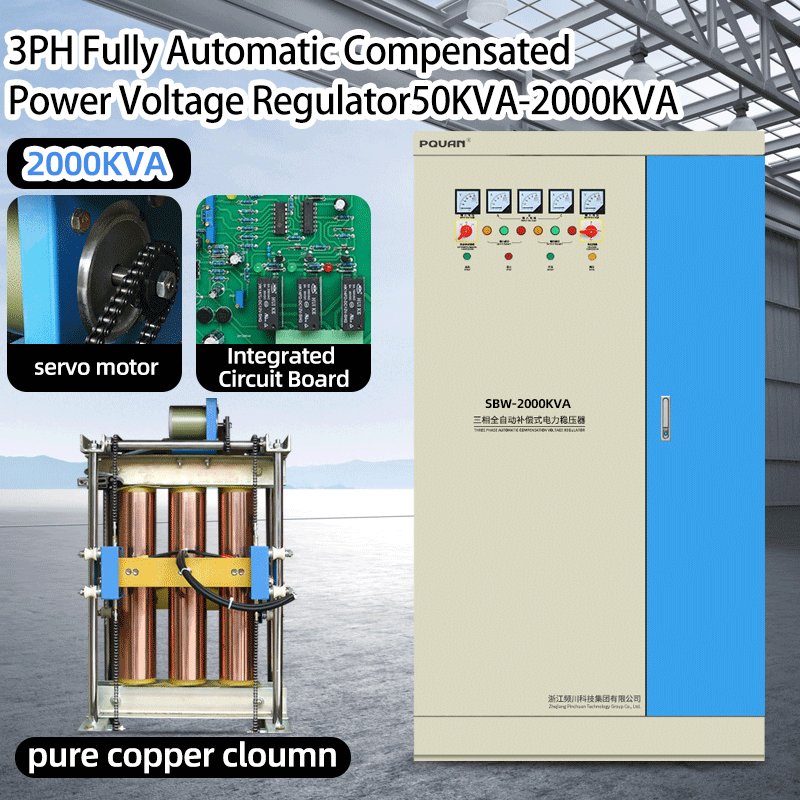
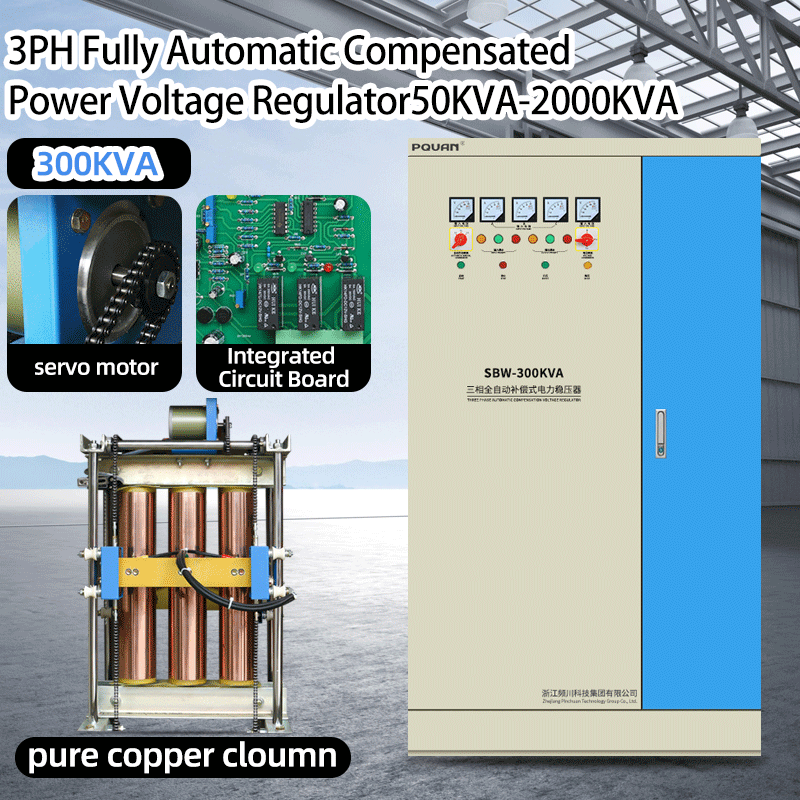
A voltage stabilizer for data center serves as a critical power protection system that maintains consistent electrical supply to sensitive computing equipment. Data centers house thousands of servers, storage systems, networking devices, and cooling infrastructure that require stable voltage levels to operate reliably. The voltage stabilizer for data center automatically corrects voltage fluctuations, sags, surges, and brownouts before they reach mission-critical equipment. Modern voltage stabilizers employ advanced semiconductor technology and intelligent monitoring systems to detect incoming power irregularities within milliseconds and apply precise corrections. These systems typically feature automatic voltage regulation circuits that maintain output voltage within a tight tolerance band, usually plus or minus one percent of nominal values. The voltage stabilizer for data center incorporates multiple protection stages including overvoltage protection, undervoltage protection, short circuit protection, and thermal overload protection. Most units feature modular designs that allow for easy maintenance and scalability as data center power requirements grow. The technological architecture often includes microprocessor-based control systems that continuously monitor input and output parameters, making real-time adjustments to compensate for grid instabilities. Many voltage stabilizers for data centers utilize servo motor driven variable transformers or static voltage regulation technology depending on load requirements and response time specifications. The application scope extends across colocation facilities, enterprise data centers, cloud service provider infrastructure, telecommunications central offices, and edge computing installations. These stabilizers protect against the financial losses associated with equipment damage, data corruption, and unplanned downtime that result from poor power quality. Installation typically occurs at the main distribution panel or as dedicated protection for critical equipment racks. The voltage stabilizer for data center integrates seamlessly with existing power distribution infrastructure and works in conjunction with uninterruptible power supplies and backup generators to create comprehensive power protection strategies.

Popular Products

The primary advantage of implementing a voltage stabilizer for data center operations is the dramatic reduction in equipment failures caused by voltage fluctuations. Server components, particularly power supplies, processors, and storage drives, suffer accelerated wear when exposed to inconsistent voltage levels, leading to premature failures and costly replacements. By maintaining steady voltage output, these stabilizers extend hardware lifespan by up to forty percent, translating directly into lower capital expenditure and reduced maintenance costs. Data centers experience fewer unexpected shutdowns and service interruptions when protected by quality voltage regulation systems. Each minute of downtime in a data center can cost thousands of dollars in lost revenue, damaged reputation, and service level agreement penalties. The voltage stabilizer for data center acts as the first line of defense against power quality issues that originate from the utility grid or internal distribution problems. Another significant benefit involves improved energy efficiency across the entire facility. When voltage levels remain stable and optimized, computing equipment operates at peak efficiency, drawing only the power necessary for actual workloads rather than compensating for voltage variations. This efficiency gain typically reduces overall energy consumption by five to eight percent, which accumulates into substantial savings given that power represents one of the largest operational expenses for data centers. The stabilization technology also protects against harmonic distortions and electrical noise that can interfere with sensitive electronic components and cause data transmission errors. Modern voltage stabilizers for data centers feature intelligent monitoring capabilities that provide facility managers with real-time visibility into power quality metrics. This diagnostic information enables proactive maintenance strategies and helps identify developing problems before they cause service disruptions. The systems generate detailed logs and reports that prove valuable for capacity planning, troubleshooting, and compliance documentation. Installation and integration require minimal disruption to existing operations, and most units operate silently without generating heat that would add to cooling loads. The voltage stabilizer for data center supports various input voltage ranges and can accommodate different regional power standards, making them suitable for global deployments. These devices require little ongoing maintenance compared to other power protection equipment, typically needing only periodic inspections and basic cleaning. The investment in voltage stabilization technology typically achieves return on investment within eighteen to twenty-four months through avoided downtime costs and extended equipment life.

Practical Tips

How Variable Frequency Drives Improve Motor Performance and Lifespan

09

Mar

How Variable Frequency Drives Improve Motor Performance and Lifespan

Electric motors are the workhorses of modern industry, powering everything from HVAC systems and pumps to conveyors and compressors. Yet running these motors at fixed speeds — regardless of actual load demand — wastes significant energy a...
View More
What Size Automatic Voltage Regulator Do You Need for Your Equipment?

12

Mar

What Size Automatic Voltage Regulator Do You Need for Your Equipment?

Choosing the wrong size automatic voltage regulator is one of the most common — and costly — mistakes in power protection planning. An undersized unit will overload under normal operating conditions, while an oversized one wastes capital ...
View More
Top Features to Look for in a High-Quality VFD Drive

06

May

Top Features to Look for in a High-Quality VFD Drive

Selecting the right industrial automation components is crucial for maintaining operational efficiency, minimizing energy expenditure, and extending the lifespan of your mechanical systems. A Variable Frequency Drive (VFD) serves as the core controll...
View More
Benefits of Using VFD Drives for Pump and Fan Applications

26

May

Benefits of Using VFD Drives for Pump and Fan Applications

In modern industrial facilities, fluid and air handling systems represent a massive portion of total energy expenditure. Traditionally, centrifugal pumps and ventilation fans operated at a constant, fixed speed, utilizing mechanical throttling valves...
View More

Get a Free Quote

Our representative will contact you soon.
Email
Mobile/WhatsApp
Name
Message
0/1000

voltage stabilizer for data center

Advanced Real-Time Voltage Correction Technology

Advanced Real-Time Voltage Correction Technology

The voltage stabilizer for data center employs sophisticated real-time correction algorithms that respond to power quality issues in microseconds, ensuring that connected equipment never experiences harmful voltage variations. Unlike basic surge protectors that only address extreme events, these advanced stabilizers continuously monitor incoming power and make constant micro-adjustments to maintain perfect voltage output. The correction mechanism utilizes either servo-controlled variable transformers or solid-state electronic switching systems depending on the specific model and capacity requirements. Servo-based systems offer exceptional accuracy and can handle significant voltage swings, making them ideal for locations with unstable utility power. These systems feature high-torque motors that drive carbon brushes across transformer windings, selecting the optimal tap position to achieve the desired output voltage. The microprocessor control system calculates the required correction hundreds of times per second, ensuring smooth and precise regulation even during rapid voltage changes. Solid-state voltage stabilizers for data centers use power electronic components such as IGBTs and thyristors to perform voltage correction without mechanical movement, resulting in faster response times and zero maintenance requirements for moving parts. These electronic systems can react to voltage disturbances within one millisecond, providing protection against brief voltage dips that might otherwise cause server power supplies to drop offline. The voltage stabilizer for data center typically maintains output accuracy within plus or minus one percent regardless of input variations ranging from twenty to thirty percent above or below nominal voltage. This precision ensures that all connected computing equipment receives power within manufacturer specifications at all times. Advanced models incorporate predictive algorithms that anticipate voltage trends based on load patterns and grid behavior, pre-positioning correction circuits for even faster response. The stabilization technology also filters out voltage spikes, transients, and harmonic distortions that can degrade component reliability over time. Many systems feature independent regulation for each phase in three-phase installations, preventing voltage imbalance issues that cause neutral current problems and overheating in distribution systems. The correction process operates with high efficiency, typically above ninety-eight percent, meaning minimal energy loss during the stabilization process.
Comprehensive Protection and Monitoring Capabilities

Comprehensive Protection and Monitoring Capabilities

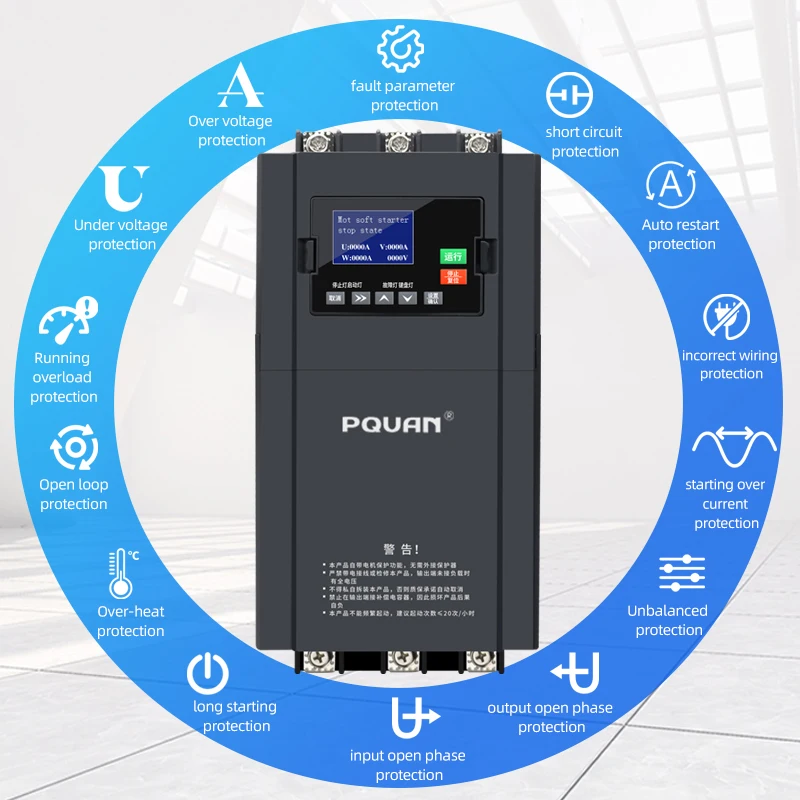
Modern voltage stabilizers for data centers incorporate multi-layered protection systems that safeguard against virtually every type of electrical fault condition that could threaten critical infrastructure. Beyond basic voltage regulation, these units provide overvoltage protection that automatically disconnects the load if input voltage exceeds safe thresholds, preventing damage from lightning strikes or utility switching transients. Undervoltage protection prevents equipment from operating during brownout conditions when low voltage could cause motors to overheat or power supplies to operate outside their design parameters. Short circuit protection uses fast-acting circuit breakers or current limiting technology to isolate faults before they cascade through the electrical system. Thermal monitoring systems continuously measure internal component temperatures and activate cooling systems or reduce load if overheating conditions develop. The voltage stabilizer for data center features sophisticated monitoring interfaces that display real-time electrical parameters including input voltage, output voltage, load current, frequency, power factor, and total harmonic distortion. Many models include network connectivity options supporting SNMP, Modbus, or proprietary protocols that integrate with building management systems and data center infrastructure management platforms. This connectivity enables remote monitoring from network operations centers and automated alerting when parameters drift outside acceptable ranges. Historical data logging captures power quality trends over weeks or months, helping facility managers identify recurring problems or gradual degradation in utility power quality. The diagnostic capabilities prove invaluable during troubleshooting sessions, allowing technicians to correlate equipment problems with specific power events. Advanced units provide predictive maintenance alerts based on component operating hours, temperature cycles, and stress factors, scheduling service interventions before failures occur. The voltage stabilizer for data center typically includes bypass circuits that allow maintenance without taking critical loads offline, supporting continuous operation requirements. Manual bypass switches enable emergency routing around the stabilizer if internal faults develop, while automatic bypass systems engage instantly if the stabilizer detects internal problems. The monitoring systems also track energy consumption through the stabilizer, providing accountability for specific equipment racks or zones within larger facilities. Some models offer power quality analysis features that identify problematic loads generating harmonics or causing power factor issues.
Scalable and Redundant Architecture for Mission-Critical Reliability

Scalable and Redundant Architecture for Mission-Critical Reliability

The voltage stabilizer for data center features modular designs that support both initial deployment sizing and future expansion as computing capacity grows. Scalability represents a critical consideration for data center infrastructure given the rapid evolution of computing demands and business growth trajectories. Modular stabilizer systems allow facilities to install capacity matching current loads while preserving the option to add additional units in parallel configurations as requirements increase. This approach optimizes capital expenditure by avoiding over-provisioning while maintaining flexibility for expansion without major electrical system redesigns. Parallel operation capabilities enable multiple voltage stabilizers to work together, sharing load and providing redundancy that eliminates single points of failure. In N plus one redundant configurations, the facility installs one more stabilizer than required to carry the full load, ensuring continuous protection even if one unit requires maintenance or experiences failure. Some installations implement N plus two or even two-N architectures for applications demanding the highest reliability levels. The voltage stabilizer for data center includes sophisticated load sharing algorithms that distribute power evenly across parallel units, preventing overload conditions and maximizing equipment lifespan. Automatic switchover mechanisms detect unit failures and instantly redistribute load to remaining operational stabilizers without any interruption to protected equipment. Hot-swappable modules in advanced designs allow technicians to replace failed components while the system continues operating, supporting true continuous availability requirements. The modular architecture also simplifies maintenance scheduling by enabling technicians to service individual units while others carry the load. Capacity planning becomes straightforward with modular systems since adding computing capacity directly correlates with adding stabilizer capacity in predictable increments. The voltage stabilizer for data center supports various voltage and frequency standards, accommodating international deployments and mixed equipment environments within single facilities. Standardized mounting configurations and electrical connection methods streamline installation across multiple sites, reducing deployment time and training requirements. The redundant design philosophy extends to control systems, with backup microprocessors and sensors that automatically take over if primary systems fail. Environmental hardening ensures reliable operation across temperature ranges typical in data center environments, from cold aisle temperatures to warmer equipment room conditions.
Voltage Stabilizer for Data Center - Reliable Power Protection Solutions

Get a Free Quote

Our representative will contact you soon.
Email
Mobile/WhatsApp
Name
Message
0/1000