oil and gas voltage stabilizer
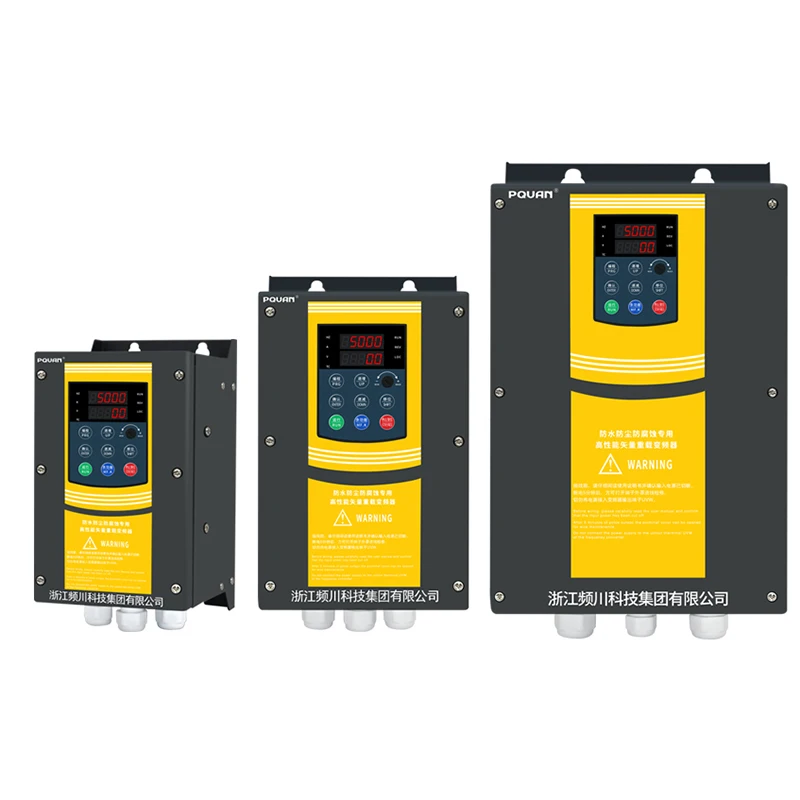
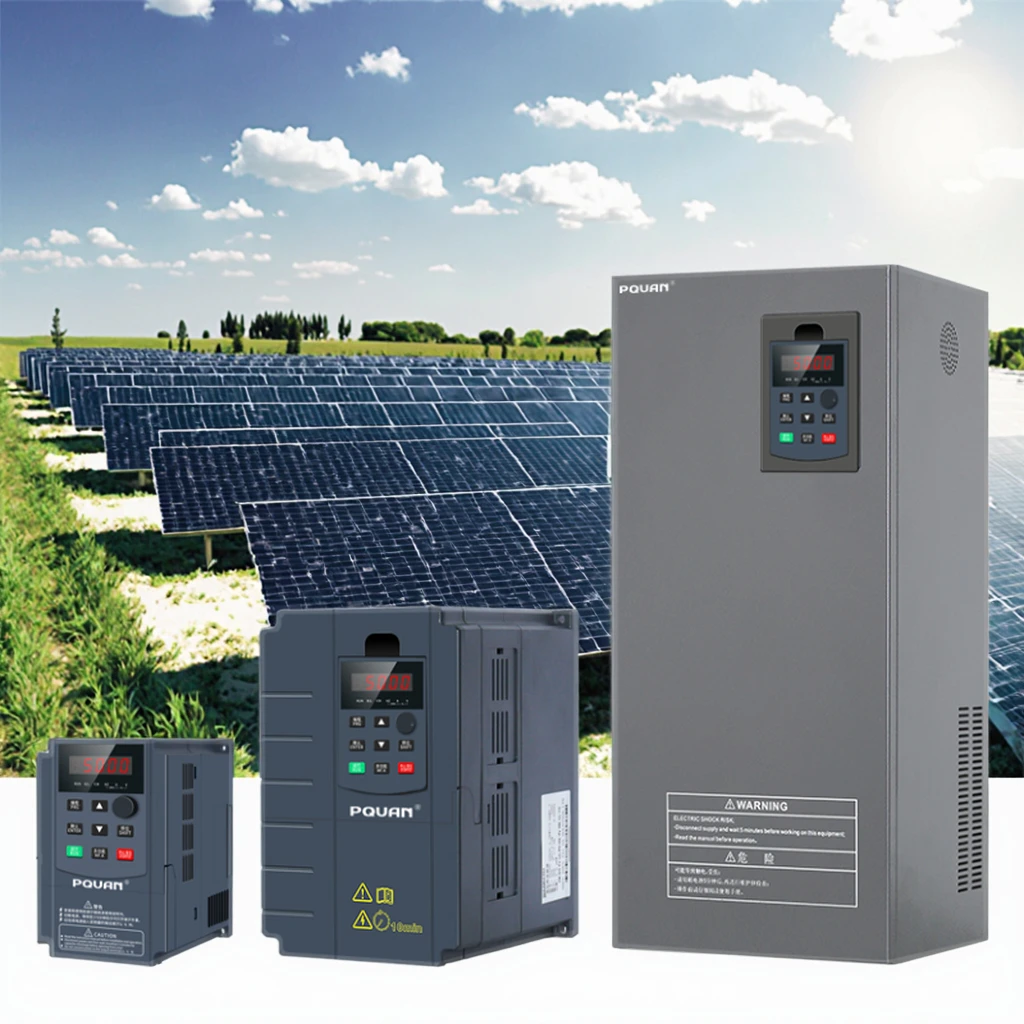
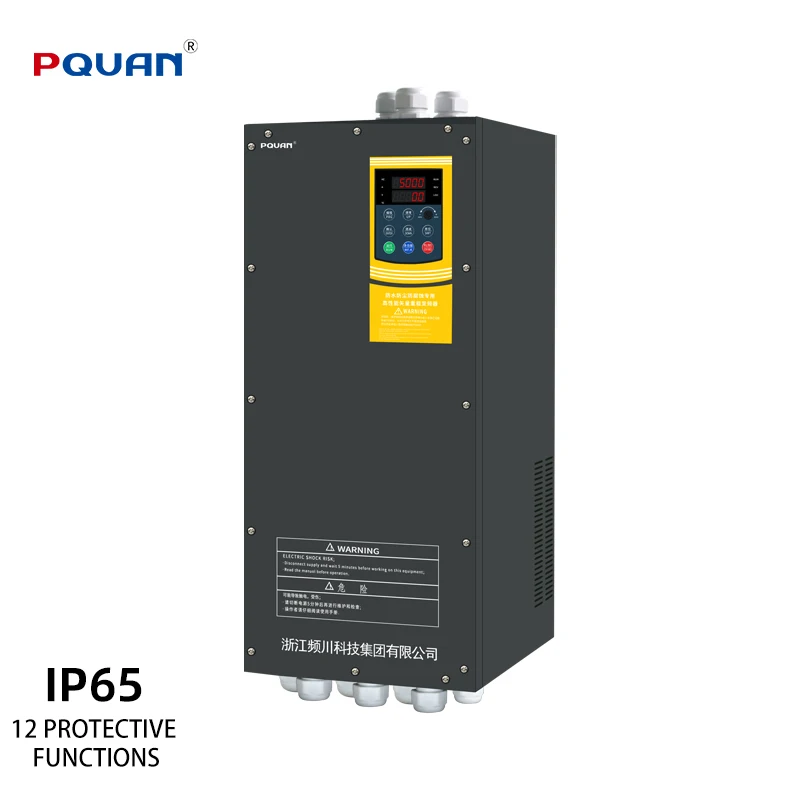
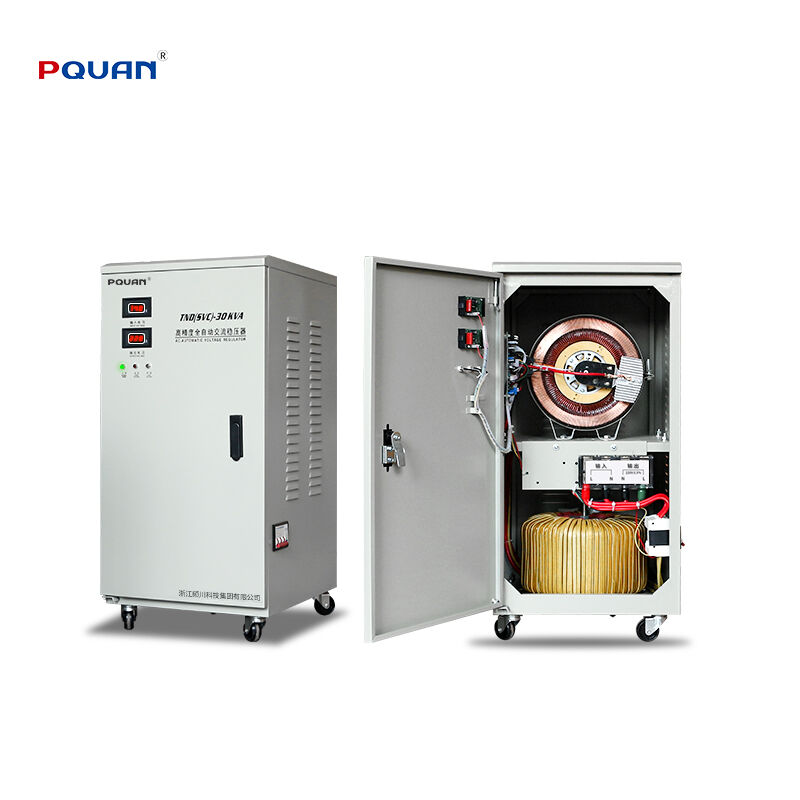
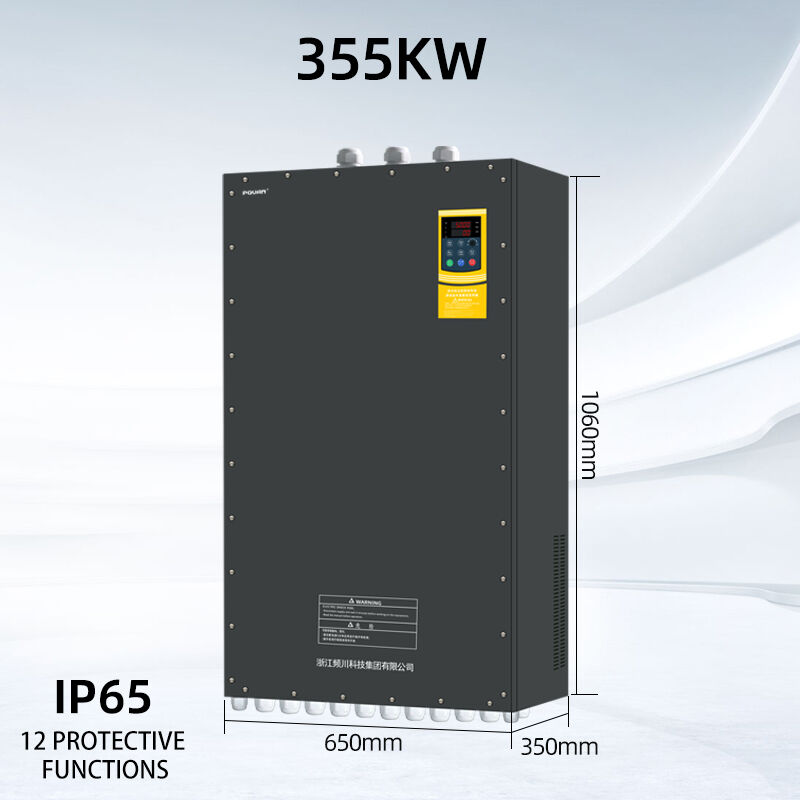
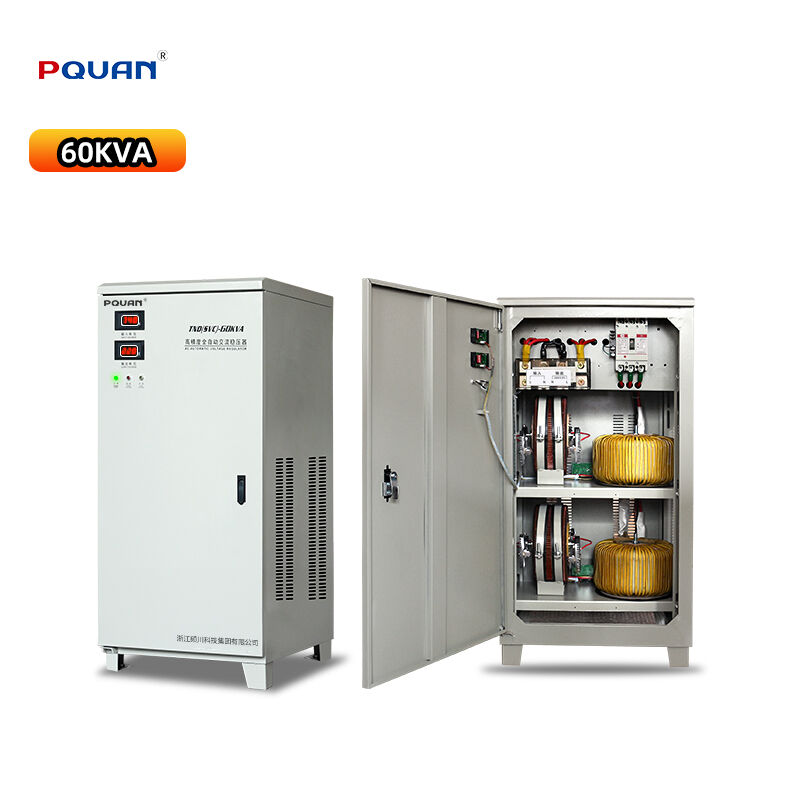
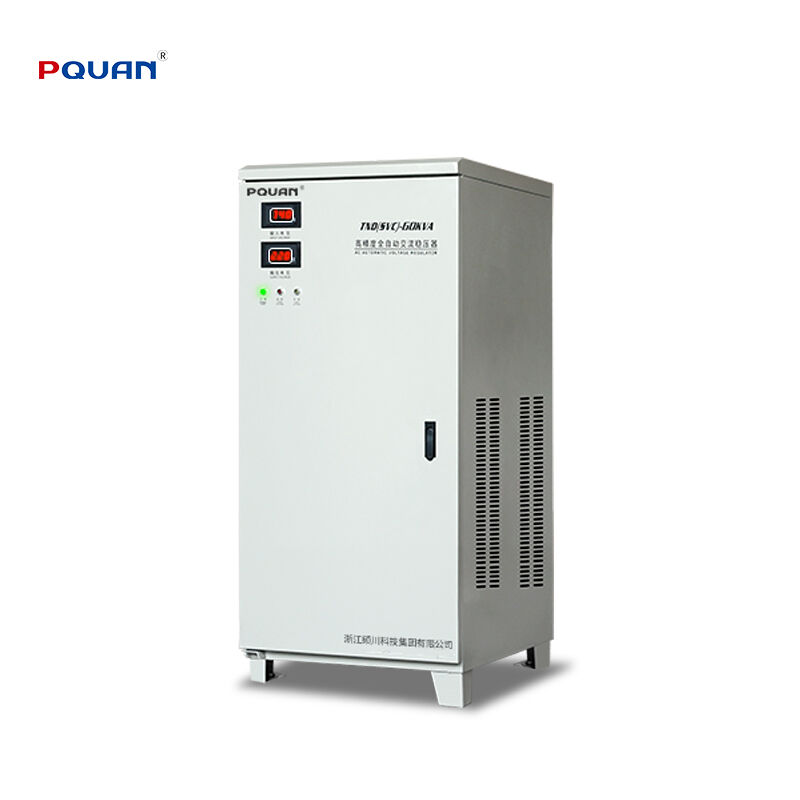
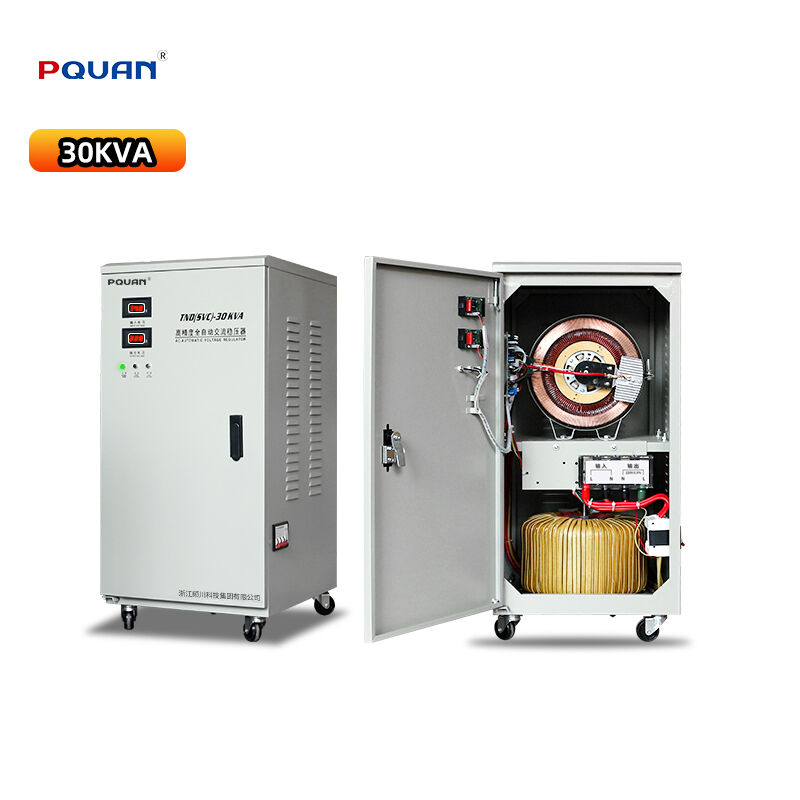
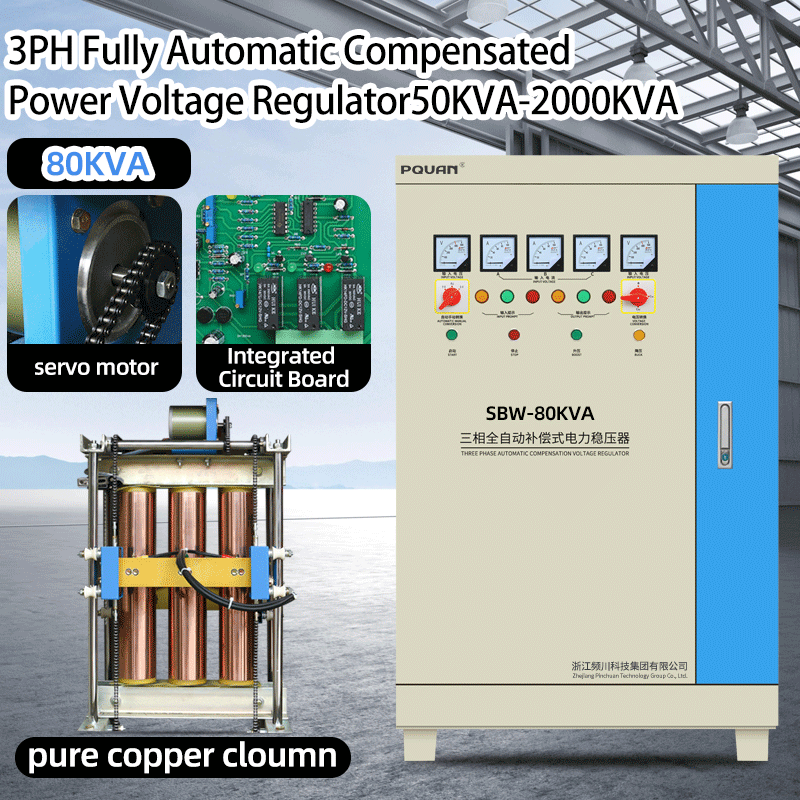
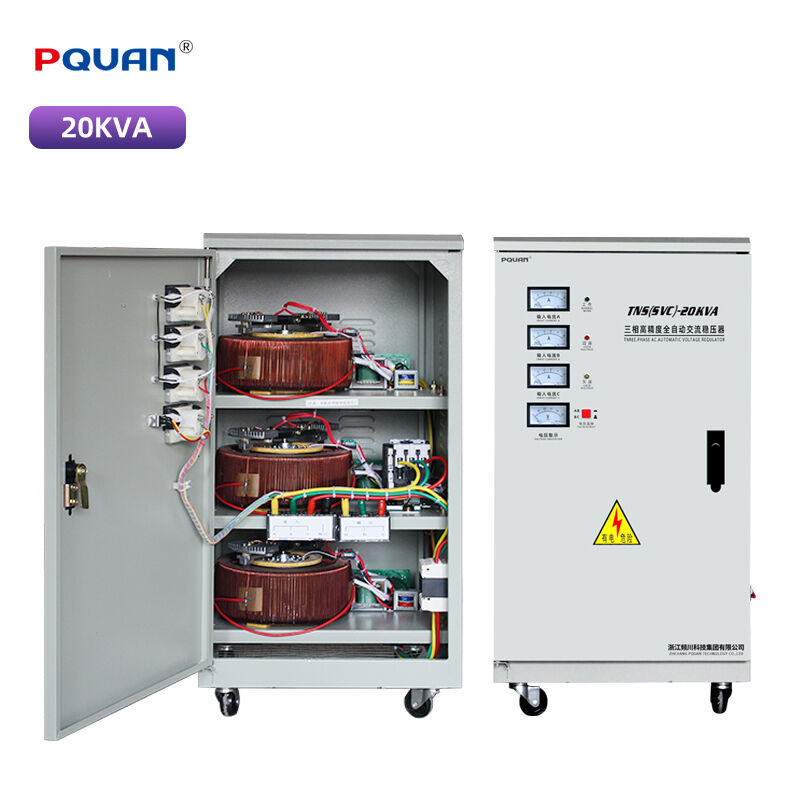
An oil and gas voltage stabilizer represents a critical power conditioning solution specifically engineered to address the unique electrical challenges found in petroleum extraction, refining, and distribution facilities. This specialized equipment maintains consistent voltage levels despite fluctuations in the primary power supply, ensuring that sensitive instruments, control systems, and heavy machinery operate within their designated parameters. The device works by continuously monitoring incoming voltage and automatically adjusting output to maintain a steady state, typically within a tolerance of plus or minus one percent. In oil and gas operations, where equipment downtime can result in substantial financial losses and safety hazards, the oil and gas voltage stabilizer serves as an essential safeguard against power irregularities. These stabilizers are built to withstand harsh environmental conditions commonly encountered in drilling sites, offshore platforms, and processing plants, including extreme temperatures, humidity, corrosive atmospheres, and vibration. The technology employs either servo-motor driven variable transformers or advanced solid-state electronic regulation, depending on the specific application requirements and load characteristics. Modern oil and gas voltage stabilizer units incorporate intelligent monitoring systems that provide real-time data on voltage quality, load conditions, and operational status, enabling proactive maintenance and system optimization. The equipment protects expensive assets such as programmable logic controllers, variable frequency drives, analytical instruments, and computerized control systems from voltage sags, surges, and harmonics that can cause malfunctions, data corruption, or permanent damage. Installation configurations range from compact single-phase units for small instrumentation loads to large three-phase systems capable of handling megawatt-level power demands for entire facilities. The oil and gas voltage stabilizer functions as a buffer between unstable grid power or generator output and critical loads, ensuring operational continuity even in remote locations where power quality is inherently poor or where multiple generation sources create complex power dynamics.
 EN
EN