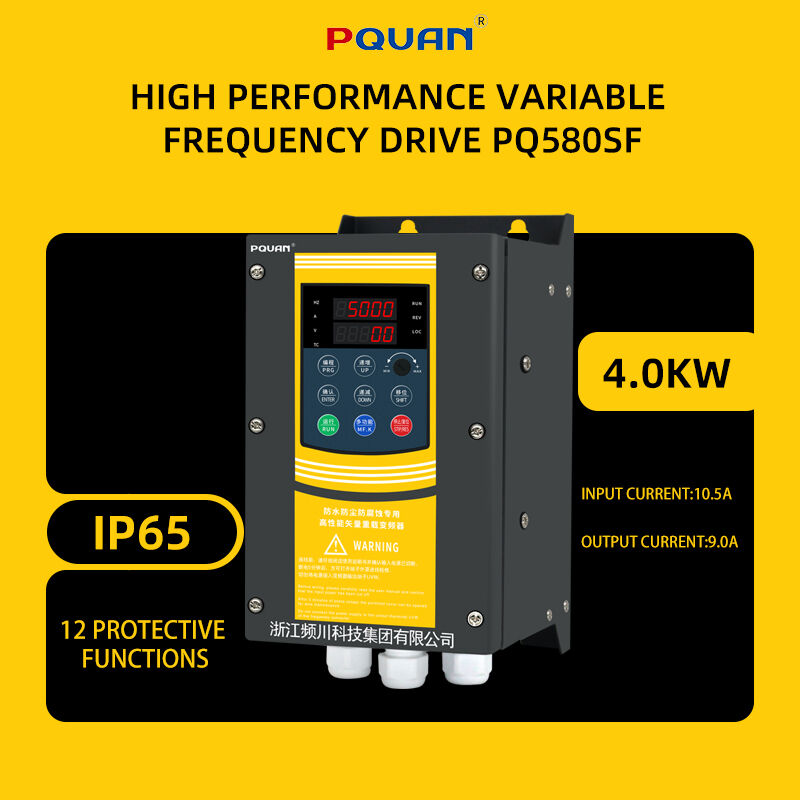
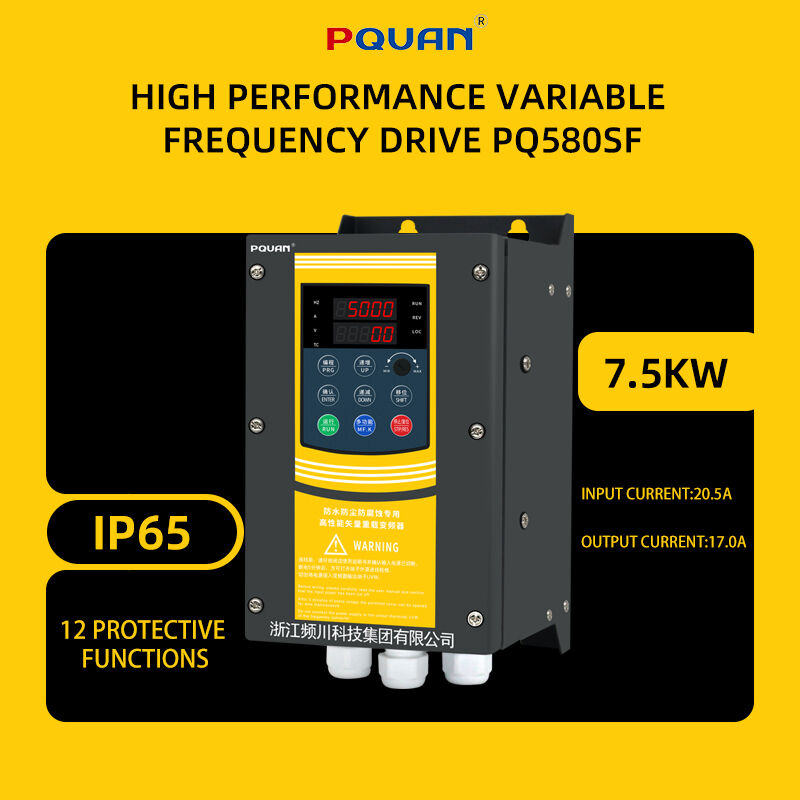
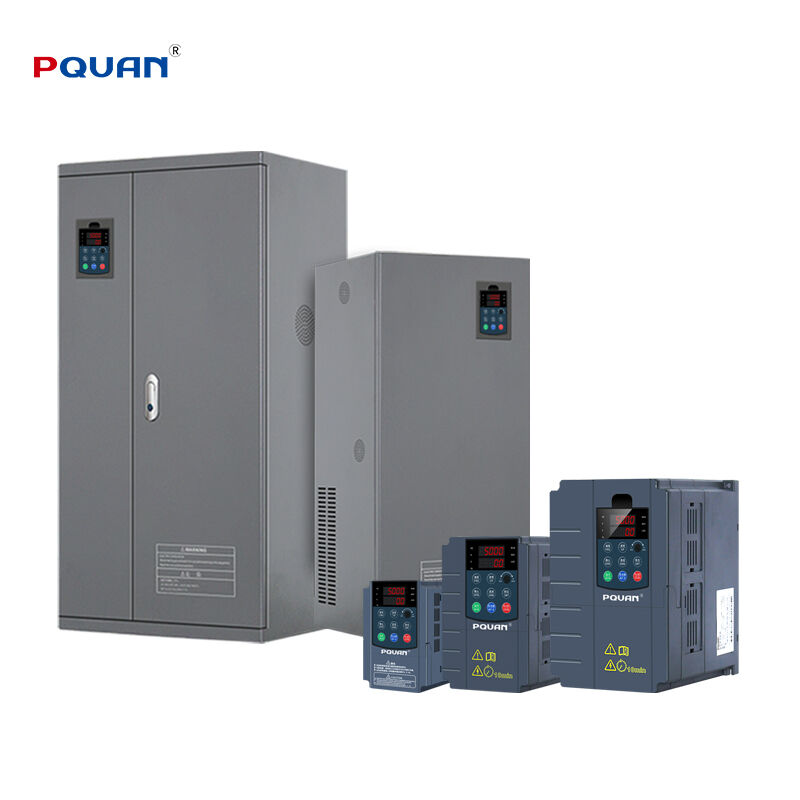
VFD Drive for Conveyor: Energy-Efficient Variable Speed Control Solutions

All Categories
Get a Quote
%}

Get a Free Quote

Our representative will contact you soon.
Email
Mobile/WhatsApp
Name
Message
0/1000

vfd drive for conveyor

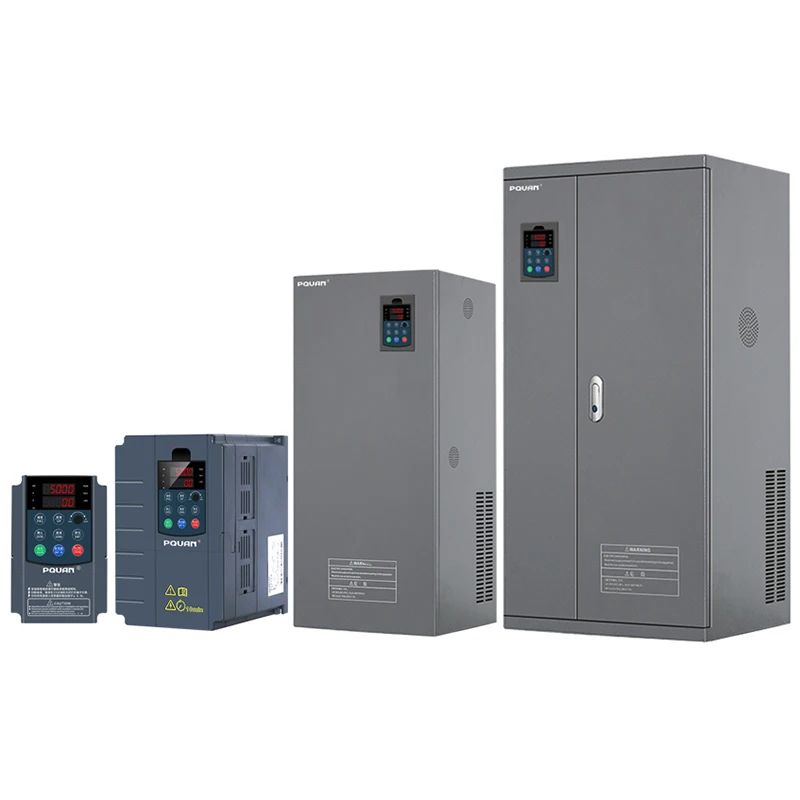
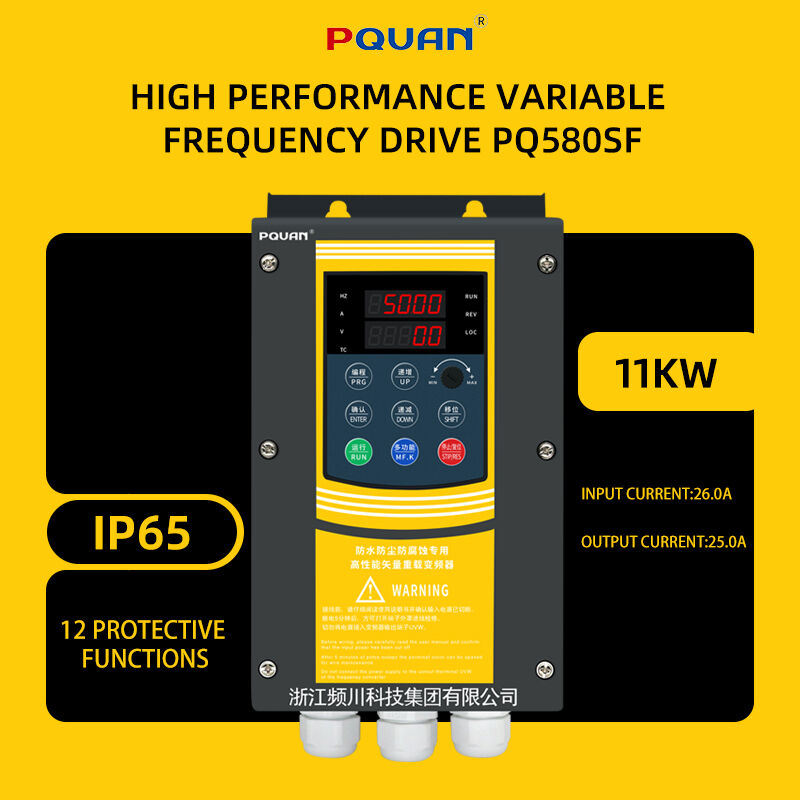
A vfd drive for conveyor represents a sophisticated motor control solution that regulates the speed and torque of conveyor belt systems through precise frequency and voltage adjustments. This advanced technology converts fixed-frequency AC power into variable-frequency output, enabling operators to control conveyor speeds with exceptional accuracy. The vfd drive for conveyor operates by first rectifying incoming alternating current into direct current, then inverting it back to alternating current at the desired frequency and voltage levels. This process allows seamless adjustment of motor speed without mechanical interventions. Modern vfd drive for conveyor systems incorporate microprocessor-based controls that monitor multiple parameters including motor current, voltage, temperature, and operational load in real-time. These intelligent drives automatically adjust performance parameters to maintain optimal efficiency across varying load conditions. The technology proves particularly valuable in material handling applications where conveyor speeds must adapt to different production requirements, product types, or facility layouts. A vfd drive for conveyor typically features multiple input and output options, accommodating various power configurations from single-phase residential supplies to three-phase industrial power systems. Built-in protection mechanisms guard against voltage spikes, current overloads, short circuits, and thermal stress, significantly extending equipment lifespan. The drive's programmable interface allows customization of acceleration rates, deceleration curves, and operational limits to match specific application requirements. Communication capabilities enable integration with broader automation systems through industrial protocols such as Modbus, Profibus, or EtherNet/IP. Energy regeneration features in advanced vfd drive for conveyor models capture braking energy and return it to the power supply, further enhancing efficiency. The compact design of contemporary drives simplifies installation in space-constrained environments while maintaining robust thermal management through advanced cooling technologies.

Popular Products

Implementing a vfd drive for conveyor delivers substantial energy savings by matching motor output precisely to actual operational demands rather than running continuously at full capacity. Traditional fixed-speed systems waste considerable electricity during periods of reduced load, while a vfd drive for conveyor adjusts power consumption proportionally to requirements, typically reducing energy costs by twenty to fifty percent depending on application characteristics. This intelligent power management translates directly to lower operational expenses and improved environmental sustainability. The smooth acceleration and deceleration capabilities of a vfd drive for conveyor eliminate mechanical shock that damages belts, bearings, and transported materials. Gradual speed transitions extend component lifespan significantly, reducing maintenance frequency and replacement costs while minimizing unexpected downtime. Operators gain unprecedented control over conveyor operations, adjusting speeds instantly to accommodate production changes, material characteristics, or workflow variations without stopping equipment or making mechanical modifications. This flexibility enhances productivity by optimizing throughput for different products and operational scenarios. A vfd drive for conveyor substantially reduces starting current demands, often limiting inrush to less than twice the rated current compared to eight to ten times for direct-on-line starters. This gentler electrical demand prevents voltage dips that affect other facility equipment and allows use of smaller electrical infrastructure, reducing installation costs. The drives improve product quality by enabling precise speed control that prevents material damage from excessive conveyor velocity or abrupt movements. Delicate items, granular materials, and packaged goods benefit from carefully controlled transport speeds that reduce breakage, spillage, and handling damage. Noise reduction represents another significant advantage, as a vfd drive for conveyor operating at reduced speeds generates considerably less acoustic pollution than fixed-speed systems running continuously at maximum velocity. This creates more comfortable working environments and helps facilities meet occupational health standards. The technology provides valuable diagnostic capabilities through continuous monitoring of operational parameters, enabling predictive maintenance strategies that address potential issues before they cause failures. Real-time performance data helps maintenance teams optimize service intervals and identify inefficiencies. Process synchronization becomes straightforward when multiple conveyors use vfd drive for conveyor technology, as speeds can be coordinated electronically without complex mechanical linkages. Integration with automated systems creates intelligent material handling networks that respond dynamically to production demands, inventory levels, and quality requirements.

Tips And Tricks

How Variable Frequency Drives Improve Motor Performance and Lifespan

09

Mar

How Variable Frequency Drives Improve Motor Performance and Lifespan

Electric motors are the workhorses of modern industry, powering everything from HVAC systems and pumps to conveyors and compressors. Yet running these motors at fixed speeds — regardless of actual load demand — wastes significant energy a...
View More
Common Problems with Voltage Stabilizers and How to Troubleshoot Them

16

Apr

Common Problems with Voltage Stabilizers and How to Troubleshoot Them

In many industrial and commercial facilities, voltage stabilizers are the unsung heroes of electrical reliability. These devices work tirelessly behind the scenes to smooth out unpredictable grid fluctuations, protecting sensitive machinery from the ...
View More
How Does a Voltage Stabilizer Work? A Complete Guide for Beginners

21

Apr

How Does a Voltage Stabilizer Work? A Complete Guide for Beginners

The electrical power delivered to our homes and industrial facilities is rarely as stable as it should be. Power grids constantly experience fluctuations, resulting in voltage sags, sudden surges, and brownouts that can permanently damage sensitive e...
View More
VFD Drive Sizing: How to Choose the Right Capacity for Your Motor

20

May

VFD Drive Sizing: How to Choose the Right Capacity for Your Motor

Selecting the correct capacity for a Variable Frequency Drive is one of the most critical steps in designing an efficient, reliable industrial motor control system. A properly sized VFD Drive ensures optimal energy consumption, prevents unnecessary e...
View More

Get a Free Quote

Our representative will contact you soon.
Email
Mobile/WhatsApp
Name
Message
0/1000

vfd drive for conveyor

Precision Speed Control for Optimal Material Handling

Precision Speed Control for Optimal Material Handling

The vfd drive for conveyor revolutionizes material handling through unprecedented speed control precision that adapts instantly to operational requirements. Unlike fixed-speed systems that operate at constant velocity regardless of actual needs, a vfd drive for conveyor adjusts motor rotation from zero to maximum rated speed with extraordinary accuracy, typically within one percent of the target setting. This granular control proves invaluable in applications requiring different transport velocities for various products, enabling a single conveyor system to handle diverse materials without manual adjustments or equipment changes. Manufacturing facilities processing both fragile components and robust materials benefit enormously from this adaptability, as operators simply program appropriate speeds for each product type. The drive maintains consistent velocity even when load conditions fluctuate, compensating automatically for variations in material weight, belt tension, or environmental factors. This stability ensures uniform product spacing on packaging lines, consistent cycle times in assembly operations, and predictable material flow in distribution centers. The vfd drive for conveyor enables sophisticated motion profiles including gradual acceleration that prevents product shifting or damage during startup, controlled cruising speeds optimized for throughput and energy efficiency, and smooth deceleration that positions materials precisely at transfer points or workstations. Operators can create multiple preset speeds stored in drive memory, allowing quick transitions between operational modes through simple selector switches or automated control signals. This programmability eliminates the need for variable-pitch pulleys, gearbox changes, or other mechanical speed adjustment methods that require downtime and technical expertise. The precision speed control of a vfd drive for conveyor also facilitates process synchronization across multiple conveyor sections, ensuring seamless material transfer between adjacent belts operating at coordinated velocities. This coordination prevents accumulation, gaps, or collisions that disrupt workflow and damage products. Advanced drives incorporate position tracking capabilities that monitor belt travel distance, enabling precise material placement and automated sorting operations.
Significant Energy Efficiency and Cost Reduction

Significant Energy Efficiency and Cost Reduction

Energy efficiency stands as the most compelling financial advantage of implementing a vfd drive for conveyor in material handling operations. Traditional conveyor systems consume maximum electrical power continuously regardless of actual operational demands, wasting substantial energy during periods of reduced load or partial utilization. A vfd drive for conveyor fundamentally changes this dynamic by modulating motor power consumption in direct proportion to required torque and speed, dramatically reducing electricity usage during light-load conditions or slower operational periods. The energy savings achieved through vfd drive for conveyor technology stem from the cubic relationship between motor speed and power consumption, meaning that operating at seventy-five percent speed requires approximately forty-two percent less power than full-speed operation. Facilities with variable production schedules or intermittent conveyor utilization realize the greatest benefits, as the drive automatically reduces power draw during idle periods while maintaining readiness for immediate production resumption. The soft-start capability of a vfd drive for conveyor eliminates the massive current surge associated with direct-on-line motor starting, which can reach eight to ten times rated current and last several seconds. This inrush current not only wastes energy but also stresses electrical infrastructure and can trigger demand charges from utilities monitoring peak power consumption. By limiting starting current to less than twice rated values, a vfd drive for conveyor reduces electrical infrastructure requirements, potentially allowing smaller transformers, circuit breakers, and conductors that lower installation costs. The improved power factor resulting from vfd drive for conveyor operation reduces reactive power demands on electrical systems, potentially eliminating power factor correction capacitors and associated utility penalties. Many facilities recover their vfd drive for conveyor investment within eighteen to thirty-six months purely through energy savings, with ongoing cost reductions continuing throughout the equipment's operational life. Beyond direct electricity savings, the reduced mechanical stress from controlled acceleration and deceleration extends component lifespan significantly, lowering maintenance expenses and replacement part costs. Belts, bearings, gearboxes, and drive components experience far less wear when protected from shock loads and continuous maximum-speed operation. The extended equipment lifespan defers capital replacement expenditures and reduces disposal costs associated with worn components.
Enhanced System Protection and Diagnostic Capabilities

Enhanced System Protection and Diagnostic Capabilities

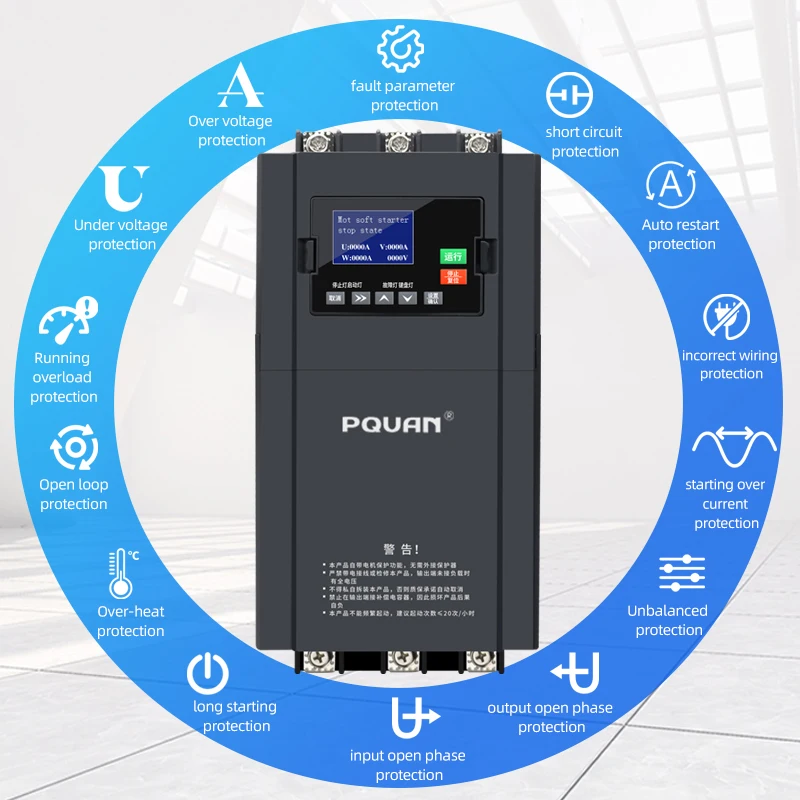
Modern vfd drive for conveyor systems incorporate comprehensive protection features and diagnostic capabilities that safeguard equipment investments while providing valuable operational insights. The drive continuously monitors multiple parameters including motor current, voltage, frequency, temperature, and load torque, comparing these values against programmed limits and responding instantly to abnormal conditions. When a vfd drive for conveyor detects overcurrent situations that might indicate jammed materials, seized bearings, or excessive load, it can implement protective responses ranging from automatic current limiting to controlled shutdown, preventing motor damage and reducing fire risks. Thermal protection algorithms within the vfd drive for conveyor track motor temperature based on current flow and duty cycle, preventing overheating damage even when external temperature sensors are unavailable. This electronic thermal monitoring proves more reliable than traditional bimetallic overload relays, which can fail to respond quickly enough during rapid temperature rise events. Ground fault detection capabilities identify insulation breakdown or wiring faults that pose electrical hazards, immediately disconnecting power to prevent equipment damage and personnel injury. The vfd drive for conveyor protects against supply-side disturbances including voltage sags, swells, and phase loss conditions that would otherwise damage motor windings or cause unpredictable operation. Advanced drives incorporate ride-through capabilities that maintain operation during brief power interruptions by drawing stored energy from internal capacitors, preventing production disruptions from momentary utility disturbances. Diagnostic functions within a vfd drive for conveyor provide maintenance teams with detailed operational data including running hours, start counts, fault history logs, and performance trends that enable predictive maintenance strategies. Rather than performing maintenance on fixed schedules regardless of actual equipment condition, technicians can analyze drive-provided data to identify developing issues before they cause failures. The vfd drive for conveyor records fault events with timestamps and operating conditions at the moment of occurrence, dramatically accelerating troubleshooting when problems arise. Communication interfaces built into modern drives enable remote monitoring and control through industrial networks, allowing supervisory systems to track conveyor performance, adjust parameters, and receive alarm notifications without physical access to the drive enclosure. This connectivity facilitates centralized facility management and enables rapid response to operational issues.

VFD Drive for Conveyor: Energy-Efficient Variable Speed Control Solutions

Get a Free Quote

Our representative will contact you soon.
Email
Mobile/WhatsApp
Name
Message
0/1000