AC Motor Drive Solutions: Energy-Efficient Variable Speed Control for Industrial Applications

All Categories
Get a Quote
%}

Get a Free Quote

Our representative will contact you soon.
Email
Mobile/WhatsApp
Name
Message
0/1000

ac motor drive

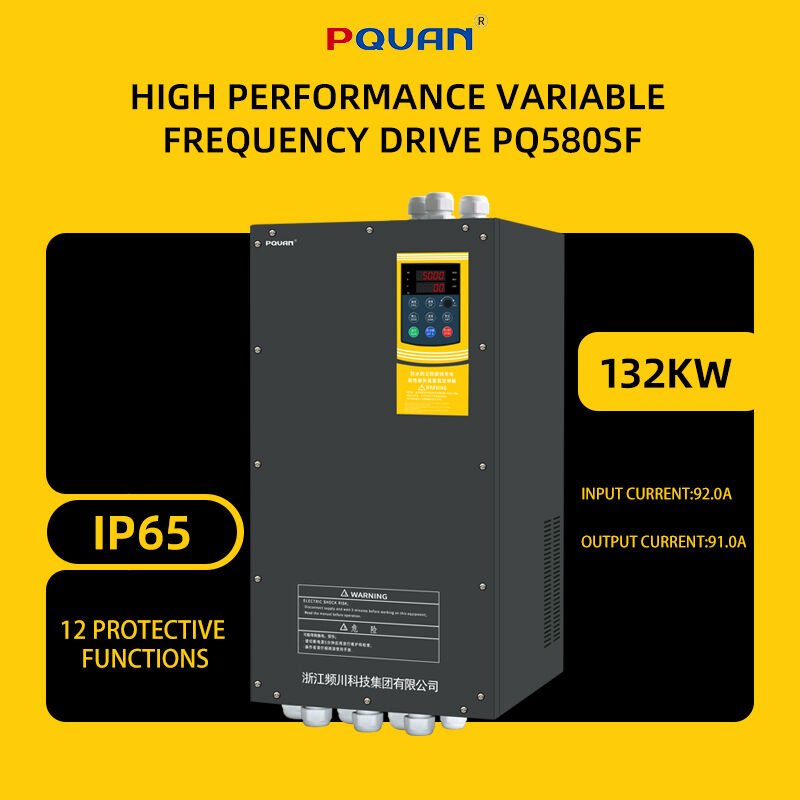
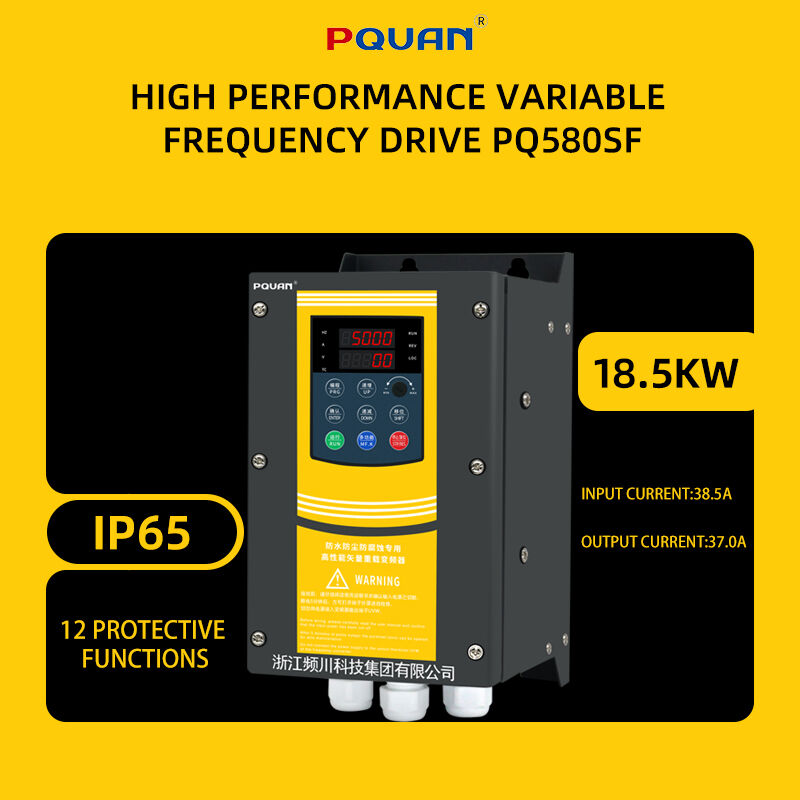
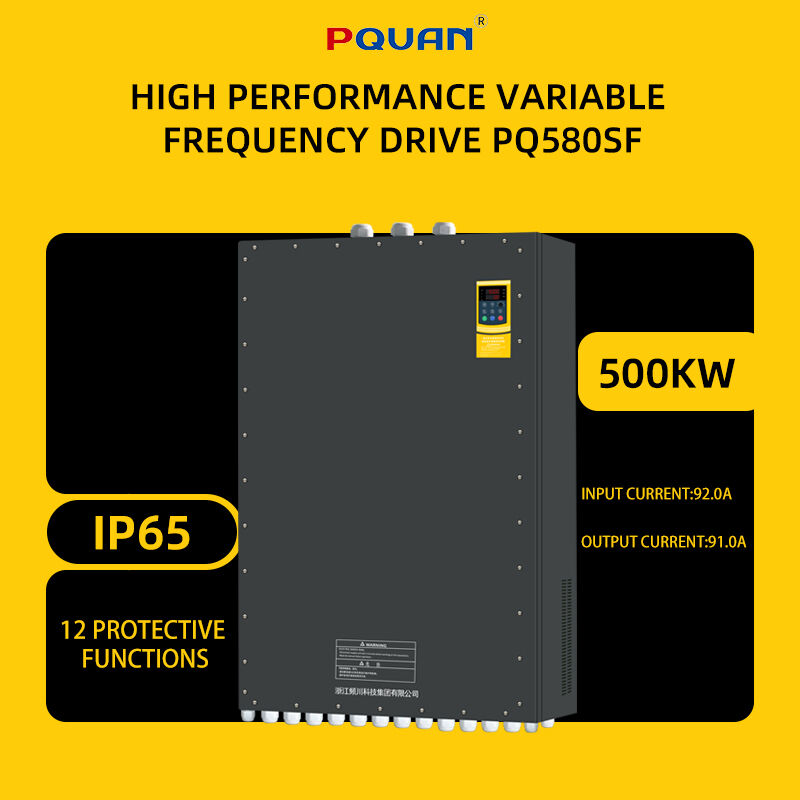
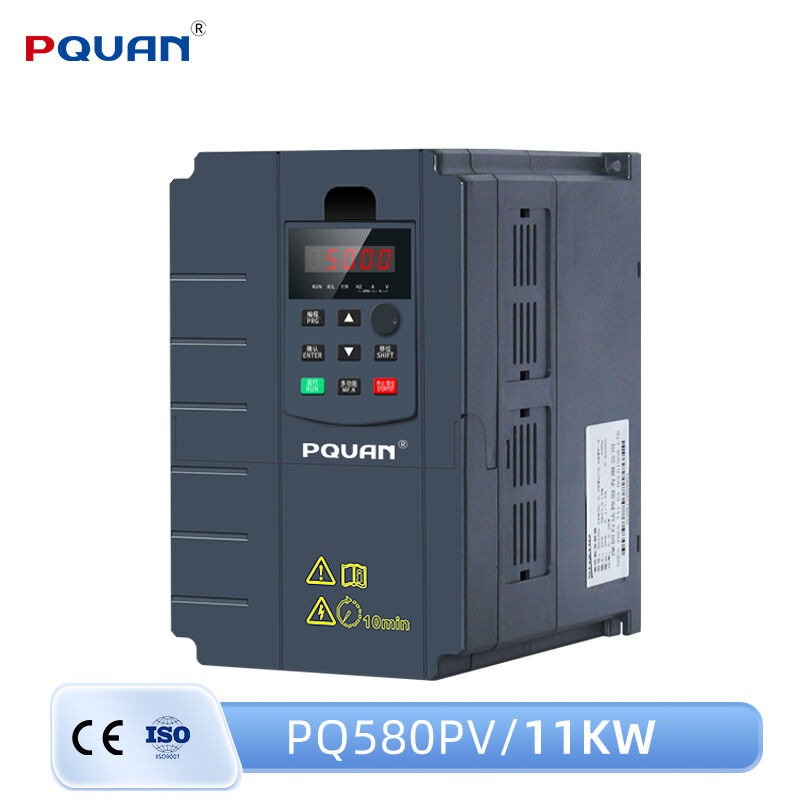
An ac motor drive represents a sophisticated power conversion system designed to control the speed, torque, and operational efficiency of alternating current motors across diverse industrial and commercial environments. This electronic device functions as the central command unit that regulates motor performance by converting incoming electrical power into precisely controlled output frequencies and voltages. The fundamental architecture comprises several critical components including a rectifier section that transforms alternating current into direct current, a DC bus that stores and stabilizes this converted energy, and an inverter section that reconstructs the power back into variable-frequency alternating current suitable for motor operation. Modern ac motor drive systems incorporate advanced microprocessor technology that enables real-time monitoring, diagnostic capabilities, and adaptive control algorithms that optimize performance based on load conditions. These drives serve as essential components in manufacturing facilities, HVAC systems, water treatment plants, mining operations, and countless other applications where precise motor control directly impacts productivity and energy consumption. The technological evolution of ac motor drive solutions has introduced features such as sensorless vector control, which eliminates the need for external feedback devices while maintaining exceptional speed regulation accuracy. Additionally, contemporary drives integrate communication protocols including Ethernet, Modbus, and PROFIBUS, facilitating seamless integration within automated control systems and enabling remote monitoring capabilities. The versatility of ac motor drive technology extends across voltage classes from low-voltage applications in small machinery to medium-voltage installations powering large industrial processes. Safety features embedded within these systems include overcurrent protection, thermal monitoring, ground fault detection, and controlled deceleration functions that protect both the drive electronics and connected motor equipment from damage during abnormal operating conditions.

New Product Releases

Implementing an ac motor drive delivers substantial energy savings that directly reduce operational expenses while supporting environmental sustainability initiatives. Traditional motor control methods operate at fixed speeds, consuming maximum power regardless of actual load requirements, whereas drive-controlled motors adjust speed dynamically to match demand, typically reducing energy consumption by 30 to 50 percent in variable torque applications such as pumps and fans. This efficiency improvement translates into rapid return on investment, often recovering initial equipment costs within 18 to 36 months through reduced electricity bills alone. Beyond energy economics, these systems dramatically extend equipment lifespan by eliminating mechanical stress associated with across-the-line starting procedures. Conventional motor starts subject mechanical components to severe shock loads, causing premature wear on bearings, couplings, belts, and driven equipment, while ac motor drive technology provides controlled acceleration that gradually ramps motors to operating speed, reducing mechanical stress by up to 90 percent and extending maintenance intervals significantly. Process control benefits represent another compelling advantage, as drives enable precise speed adjustment that optimizes production quality and throughput. Manufacturing operations achieve tighter tolerances, reduced waste, and improved product consistency when motor speeds adapt to specific process requirements rather than forcing processes to accommodate fixed motor speeds. The elimination of mechanical control devices such as throttle valves, dampers, and bypass systems further reduces maintenance requirements and associated costs while improving system reliability. Power quality improvements constitute an often-overlooked benefit, as modern ac motor drive designs incorporate active front-end technology and harmonic mitigation features that reduce electrical system disturbances, preventing interference with sensitive electronic equipment and reducing utility penalties for poor power factor. Operational flexibility increases substantially because a single drive model can control various motor sizes and types through simple parameter configuration, reducing spare parts inventory requirements and simplifying maintenance procedures. Soft-start capabilities protect electrical infrastructure by limiting inrush current to manageable levels, allowing motors to start without causing voltage sags that might affect other facility equipment. Diagnostic and monitoring features provide early warning of developing problems, enabling predictive maintenance strategies that schedule repairs during planned downtime rather than responding to unexpected failures. The cumulative effect of these advantages transforms ac motor drive technology from a simple control device into a strategic asset that enhances competitiveness through reduced costs, improved reliability, and superior process control.

Practical Tips

Voltage Regulator Types: Which One Is Right for Your Application?

17

Mar

Voltage Regulator Types: Which One Is Right for Your Application?

In the industrial sector, maintaining a steady, reliable power supply is essential to safeguarding sophisticated automated machinery, high-precision laboratory instruments, and data infrastructures. A voltage regulator serves as a vital safeguard aga...
View More
How Does a Voltage Stabilizer Work? A Complete Guide for Beginners

21

Apr

How Does a Voltage Stabilizer Work? A Complete Guide for Beginners

The electrical power delivered to our homes and industrial facilities is rarely as stable as it should be. Power grids constantly experience fluctuations, resulting in voltage sags, sudden surges, and brownouts that can permanently damage sensitive e...
View More
How to Install an Automatic Voltage Regulator: Step-by-Step Guide

14

May

How to Install an Automatic Voltage Regulator: Step-by-Step Guide

Fluctuations within low-voltage electrical distribution networks present a continuous hazard to high-value industrial machinery. Deploying an Automatic Voltage Regulator is the most effective strategy for neutralizing voltage sags, surges, and transi...
View More
Benefits of Using VFD Drives for Pump and Fan Applications

26

May

Benefits of Using VFD Drives for Pump and Fan Applications

In modern industrial facilities, fluid and air handling systems represent a massive portion of total energy expenditure. Traditionally, centrifugal pumps and ventilation fans operated at a constant, fixed speed, utilizing mechanical throttling valves...
View More

Get a Free Quote

Our representative will contact you soon.
Email
Mobile/WhatsApp
Name
Message
0/1000

ac motor drive

Precision Speed Control Enhances Process Optimization

Precision Speed Control Enhances Process Optimization

The capability of an ac motor drive to deliver infinitely variable speed control represents a transformative advantage for operations requiring precise process management and product quality consistency. Unlike mechanical speed control methods that introduce inefficiency and wear, electronic frequency modulation provides smooth, stepless speed adjustment across the entire operating range, typically from zero to well above base motor speed depending on application requirements. This precision control enables operators to fine-tune processes in real-time, responding immediately to changing conditions without mechanical adjustments or equipment modifications. In pumping applications, for example, ac motor drive technology maintains constant pressure despite varying demand by automatically adjusting pump speed, eliminating the wasteful practice of running pumps at full speed while throttling output through control valves. This intelligent matching of supply to demand not only conserves energy but also reduces water hammer effects that damage piping systems and create maintenance issues. Manufacturing processes benefit similarly, as conveyor speeds synchronize perfectly with upstream and downstream operations, eliminating bottlenecks and reducing work-in-process inventory. The closed-loop control algorithms embedded within modern drives maintain speed stability within 0.01 percent of setpoint even as load conditions fluctuate, ensuring consistent product quality in applications such as fiber production, paper manufacturing, and precision machining where speed variations directly affect output specifications. Furthermore, the programmable acceleration and deceleration ramps prevent sudden speed changes that might damage delicate products or cause spillage in material handling applications. Advanced ac motor drive models offer multiple speed presets accessible through digital inputs, allowing rapid switching between predetermined operating points without manual intervention, which proves invaluable in batch processes and operations requiring frequent speed changes. The integration of PID control functionality within the drive eliminates the need for external process controllers in many applications, simplifying system architecture while reducing costs and potential failure points. Remote speed adjustment capabilities through analog inputs or digital communication networks enable centralized process control and facilitate automated optimization routines that continuously adjust operating parameters for maximum efficiency and quality.
Energy Efficiency Reduces Operating Costs and Environmental Impact

Energy Efficiency Reduces Operating Costs and Environmental Impact

The energy-saving potential of ac motor drive technology addresses both economic and environmental concerns that increasingly influence equipment purchasing decisions across all industries. Electric motors consume approximately 70 percent of industrial electricity usage, making them the primary target for efficiency improvement initiatives, and variable frequency drive implementation represents the single most effective strategy for reducing this consumption. The physics underlying these savings relates directly to the affinity laws governing centrifugal loads such as pumps, fans, and compressors, where power consumption varies with the cube of speed ratio. Reducing motor speed by just 20 percent decreases power consumption by approximately 50 percent, a relationship that generates dramatic savings in applications with variable load profiles. An ac motor drive achieves these reductions by precisely matching motor speed to actual load requirements rather than relying on throttling devices that waste energy by restricting flow while maintaining full speed operation. Beyond the primary energy savings, secondary benefits compound the economic advantage. Reduced energy consumption decreases waste heat generation, lowering cooling system loads and creating additional savings in climate-controlled environments. Lower operating temperatures extend component lifespan, reducing replacement frequency for motors, bearings, and associated mechanical equipment. The improved power factor resulting from ac motor drive operation often eliminates utility penalty charges imposed on facilities with poor power factor, adding another dimension to cost savings. Many utilities and government agencies offer rebates and incentives for drive installations, further improving return on investment and accelerating payback periods. Environmental benefits extend beyond simple energy reduction, as lower electricity consumption directly correlates with reduced carbon emissions from power generation, helping organizations meet sustainability goals and corporate responsibility commitments. The precise control enabled by ac motor drive technology also minimizes process waste by maintaining optimal operating conditions, reducing raw material consumption and scrap generation in manufacturing environments. Modern drives incorporate energy monitoring functions that track consumption patterns and identify optimization opportunities, empowering facility managers with data-driven insights for continuous improvement initiatives. The cumulative financial impact over a typical 15-year equipment lifespan often exceeds the entire facility's annual energy budget for motors, making ac motor drive investment one of the most financially compelling efficiency measures available.
Enhanced Reliability and Extended Equipment Lifespan

Enhanced Reliability and Extended Equipment Lifespan

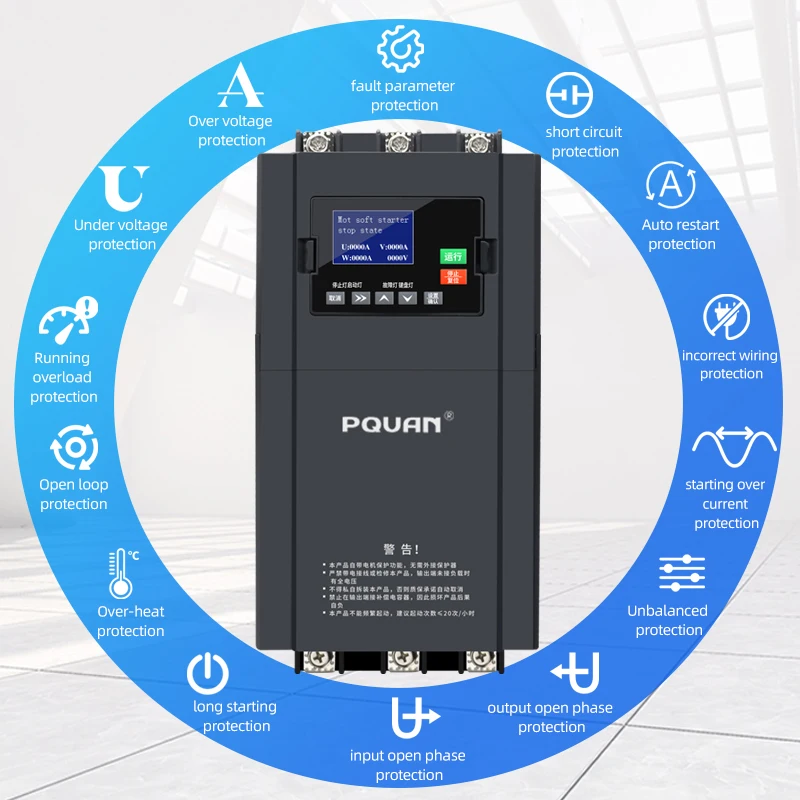
The mechanical stress reduction provided by ac motor drive technology fundamentally transforms equipment reliability profiles and maintenance economics by eliminating the destructive forces associated with conventional motor starting and stopping procedures. When motors start across-the-line without drive control, they draw current spikes reaching 600 to 800 percent of full-load rating while generating torque transients that shock mechanical systems with forces several times normal operating levels. These violent starts create cumulative damage that manifests as bearing failure, coupling wear, belt deterioration, and structural fatigue in both motors and driven equipment. An ac motor drive eliminates this destructive cycle by providing controlled acceleration that gradually increases speed according to programmable ramp rates, limiting starting current to 150 percent or less of rated current while proportionally reducing mechanical stress throughout the drivetrain. The controlled stopping capability similarly prevents the shock loads associated with mechanical braking or coasting to rest, further protecting equipment investments. This gentle treatment extends motor bearing life by factors of three to five times compared to across-the-line starting, while driven equipment experiences proportional lifespan improvements that defer major capital expenditures and reduce spare parts inventory requirements. The embedded protection features within modern ac motor drive systems create additional reliability advantages by continuously monitoring operating parameters and responding instantly to abnormal conditions before damage occurs. Overcurrent protection prevents winding damage from sustained overloads, while electronic thermal monitoring tracks motor temperature through sophisticated algorithms that account for varying cooling effectiveness at different speeds. Ground fault detection identifies insulation failures at incipient stages, allowing scheduled repairs rather than catastrophic failures that damage motors beyond economical repair. Phase loss protection prevents single-phase operation that would otherwise destroy motor windings within minutes. Undervoltage and overvoltage monitoring protects against utility power quality problems that might damage sensitive electronics. The diagnostic capabilities incorporated into contemporary ac motor drive designs provide maintenance personnel with unprecedented visibility into equipment health through parameters such as operating hours, start counts, fault histories, and trend data for key variables. This information enables predictive maintenance strategies that schedule interventions based on actual equipment condition rather than arbitrary time intervals, optimizing maintenance resource allocation while minimizing unplanned downtime. The communication capabilities built into modern drives facilitate integration with plant-wide condition monitoring systems that correlate data from multiple sources to identify developing problems and predict failures weeks or months before they occur, transforming maintenance from reactive crisis management into proactive asset optimization.
AC Motor Drive Solutions: Energy-Efficient Variable Speed Control for Industrial Applications

Get a Free Quote

Our representative will contact you soon.
Email
Mobile/WhatsApp
Name
Message
0/1000