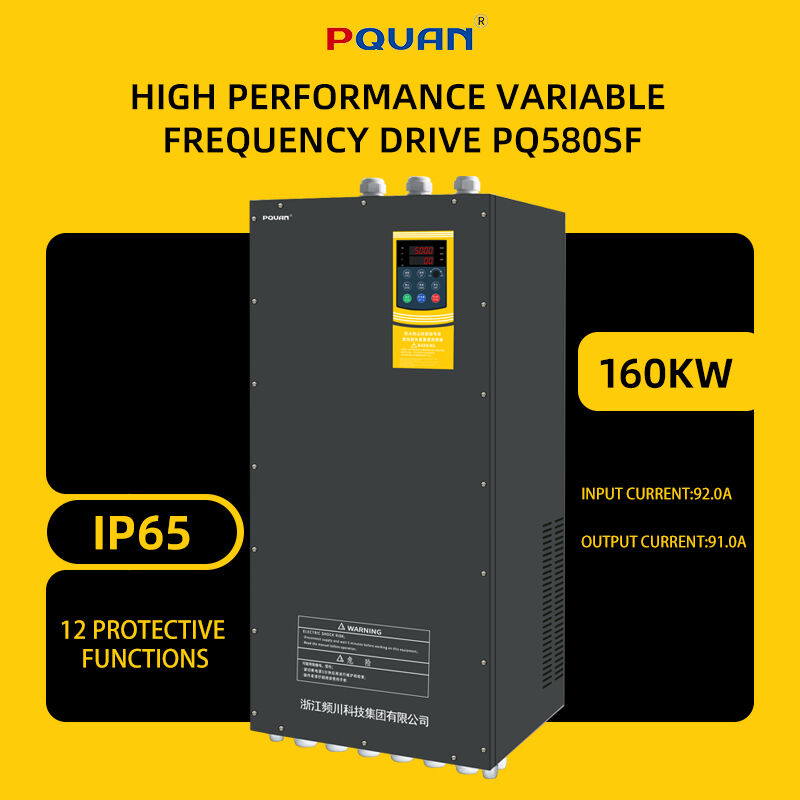
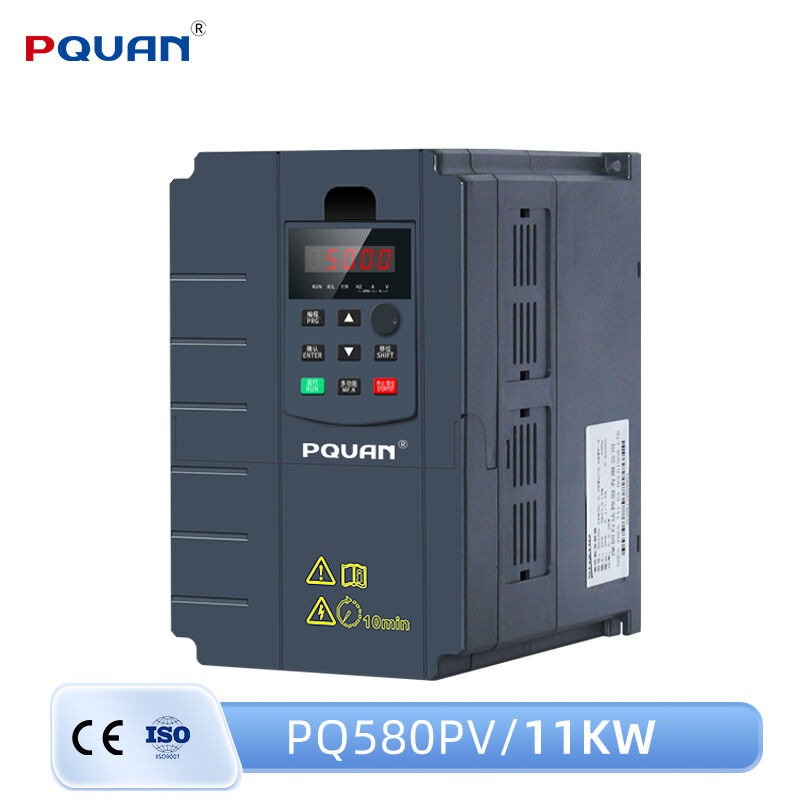
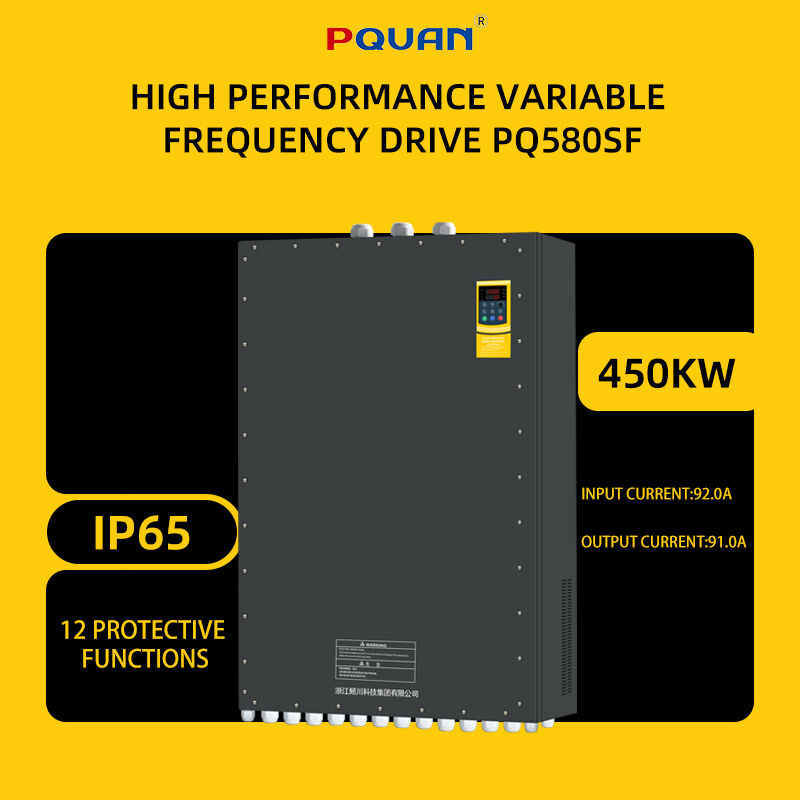
VFD Drive for Fan: Advanced Motor Control Technology for Energy Efficient Fan Systems

All Categories
Get a Quote
%}

Get a Free Quote

Our representative will contact you soon.
Email
Name
Company Name
Message
0/1000

vfd drive for fan

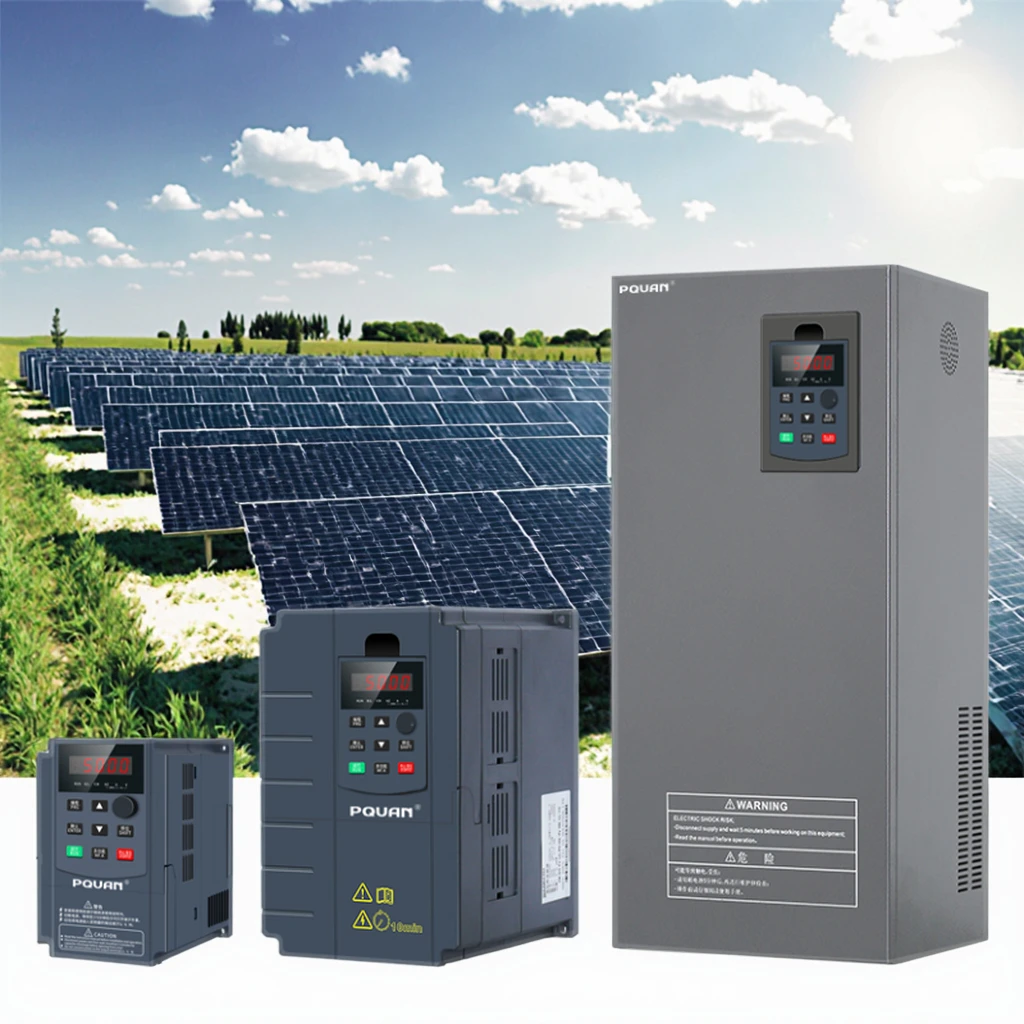
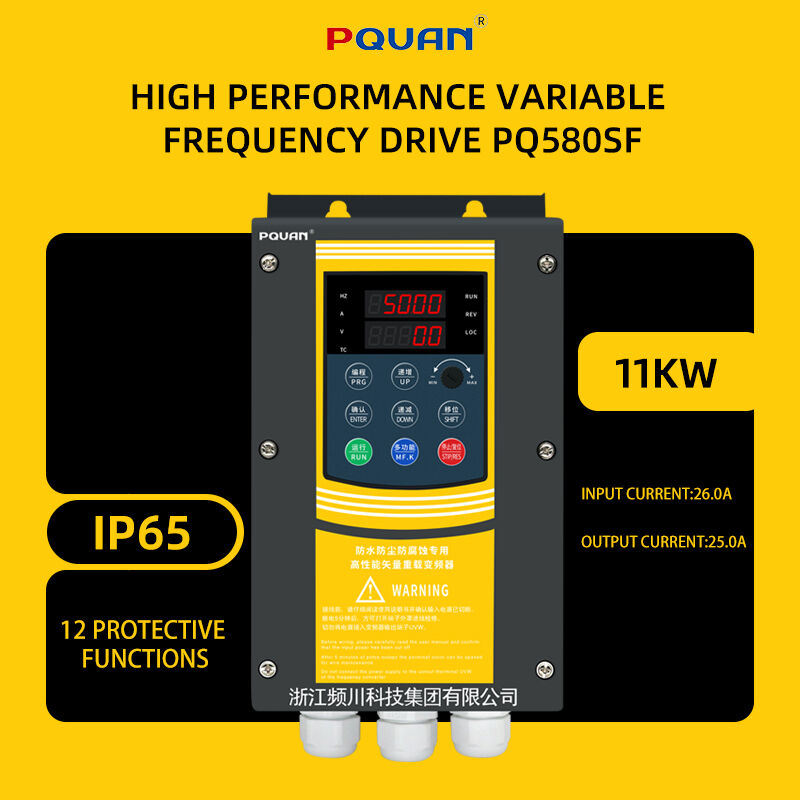
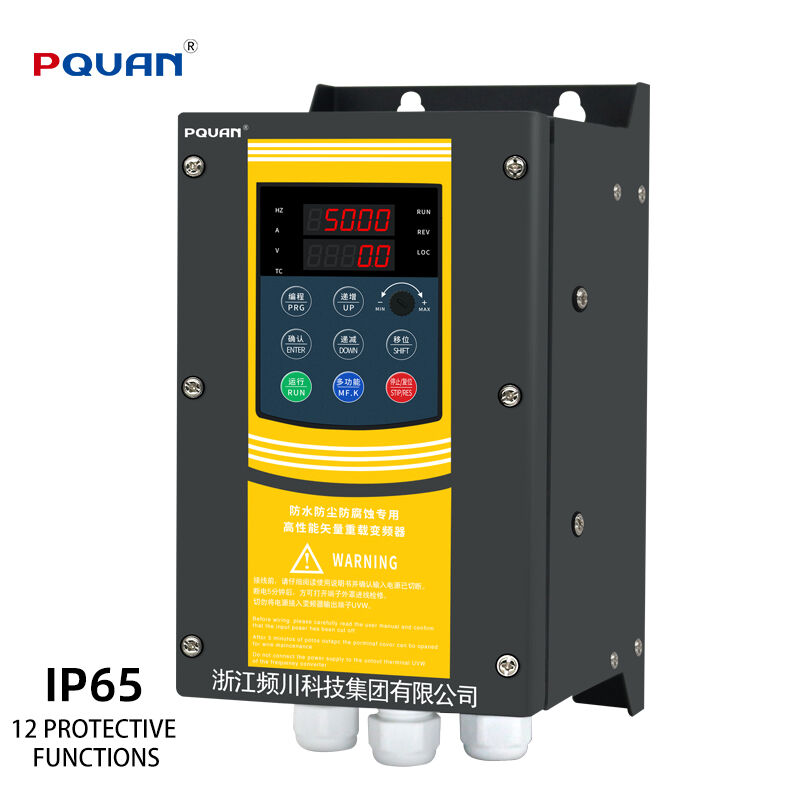
A vfd drive for fan represents a sophisticated motor control technology that revolutionizes how industrial and commercial fans operate. VFD, standing for Variable Frequency Drive, is an electronic device that controls the speed and torque of AC motors by varying the frequency and voltage supplied to the motor. When specifically designed for fan applications, a vfd drive for fan offers precise speed control, enabling operators to adjust airflow according to real-time requirements rather than running at constant speeds. The main functions of a vfd drive for fan include speed regulation, soft starting capabilities, energy optimization, and motor protection features. These drives convert incoming AC power to DC through a rectifier circuit, then reconvert it back to AC with adjustable frequency and voltage through an inverter section. The technological features of modern vfd drive for fan systems incorporate advanced microprocessor controls, digital displays, programmable logic capabilities, and communication interfaces that allow integration with building management systems. Many units feature built-in PID controllers that automatically adjust fan speed based on pressure, temperature, or flow feedback signals. The applications for vfd drive for fan technology span across numerous industries including HVAC systems, industrial ventilation, cooling towers, exhaust fans, and process air handling equipment. Manufacturing facilities utilize these drives to maintain optimal air quality while minimizing energy consumption. Commercial buildings employ vfd drive for fan systems in their climate control infrastructure to achieve comfortable environments while reducing operational costs. The technology proves particularly valuable in applications where airflow demands fluctuate throughout operational cycles, allowing the system to respond dynamically to changing conditions while maintaining efficiency and extending equipment lifespan through reduced mechanical stress and wear.

New Products

The advantages of implementing a vfd drive for fan system extend far beyond simple speed control, delivering substantial practical benefits that directly impact operational efficiency and cost savings. Energy savings represent the most compelling advantage, as a vfd drive for fan can reduce energy consumption by up to 50 percent compared to traditional constant-speed operations. This occurs because fan power consumption decreases exponentially with speed reduction, meaning even small speed reductions yield significant energy savings. The precise speed control eliminates energy waste associated with dampers, louvers, and other mechanical flow control methods that create artificial resistance. Maintenance costs decrease substantially when using a vfd drive for fan because soft-start capabilities eliminate the mechanical shock and stress that occurs during direct-on-line starting. This gentle acceleration and deceleration extends bearing life, reduces belt wear, and minimizes vibration-related component failures. The electronic control eliminates the need for mechanical speed control devices, reducing maintenance points and associated service requirements. Operational flexibility increases dramatically as operators can adjust fan performance to match exact process requirements rather than accepting fixed-speed limitations. A vfd drive for fan enables remote control capabilities, allowing operators to modify settings from central control rooms or even mobile devices through modern communication interfaces. This responsiveness improves process control and enables quick adjustments to changing environmental conditions. Noise reduction becomes achievable since fans operating at reduced speeds generate significantly less noise than full-speed operations, creating more comfortable work environments and helping facilities meet noise regulations. The improved power factor and reduced electrical demand charges provide additional cost benefits, as vfd drive for fan systems draw power more efficiently and reduce peak demand penalties. Equipment protection features built into modern drives monitor motor conditions, preventing damage from overcurrent, overheating, or voltage irregularities, thereby extending overall system lifespan and reducing unexpected downtime costs.

Latest News

Pakistani Customers Visit PQUAN for Inspection and Exchange

09

Feb

Pakistani Customers Visit PQUAN for Inspection and Exchange

View More
How to Choose Voltage Regulator Power: A Concise Guide for Industrial & Commercial Users

23

Jan

How to Choose Voltage Regulator Power: A Concise Guide for Industrial & Commercial Users

View More
A Complete Guide to Selecting the Right Variable Frequency Drive (VFD) Model

03

Mar

A Complete Guide to Selecting the Right Variable Frequency Drive (VFD) Model

View More

Get a Free Quote

Our representative will contact you soon.
Email
Name
Company Name
Message
0/1000

vfd drive for fan

Advanced Energy Efficiency and Cost Reduction

Advanced Energy Efficiency and Cost Reduction

The energy efficiency capabilities of a vfd drive for fan system represent a game-changing technology that transforms operational economics for businesses across all sectors. Unlike traditional fan control methods that waste energy through mechanical restrictions, a vfd drive for fan optimizes power consumption by precisely matching motor speed to actual airflow requirements. The fundamental principle behind this efficiency lies in the cube law relationship between fan speed and power consumption, where reducing speed by just 20 percent can decrease energy usage by nearly 50 percent. This exponential relationship makes vfd drive for fan technology incredibly valuable for applications with variable load requirements. Modern vfd drive for fan systems incorporate sophisticated algorithms that continuously monitor system performance and automatically adjust operating parameters to maintain optimal efficiency across all load conditions. The drives feature real-time power monitoring capabilities that provide operators with detailed energy consumption data, enabling them to identify further optimization opportunities and track cost savings over time. Many installations report payback periods of less than two years purely from energy savings, with some high-usage applications achieving payback in under 12 months. The efficiency benefits extend beyond direct energy savings to include reduced electrical demand charges, improved power factor correction, and decreased cooling requirements for electrical rooms due to lower heat generation. Additionally, the precise control offered by vfd drive for fan systems eliminates the energy waste associated with oversized equipment, allowing operators to run fans at optimal speeds rather than the typically oversized constant speeds. The environmental benefits complement the economic advantages, as reduced energy consumption directly translates to lower carbon emissions and improved sustainability metrics. For organizations committed to green initiatives and environmental responsibility, implementing vfd drive for fan technology represents a practical step toward achieving sustainability goals while simultaneously improving bottom-line performance through measurable cost reductions.
Superior Motor Protection and Extended Equipment Life

Superior Motor Protection and Extended Equipment Life

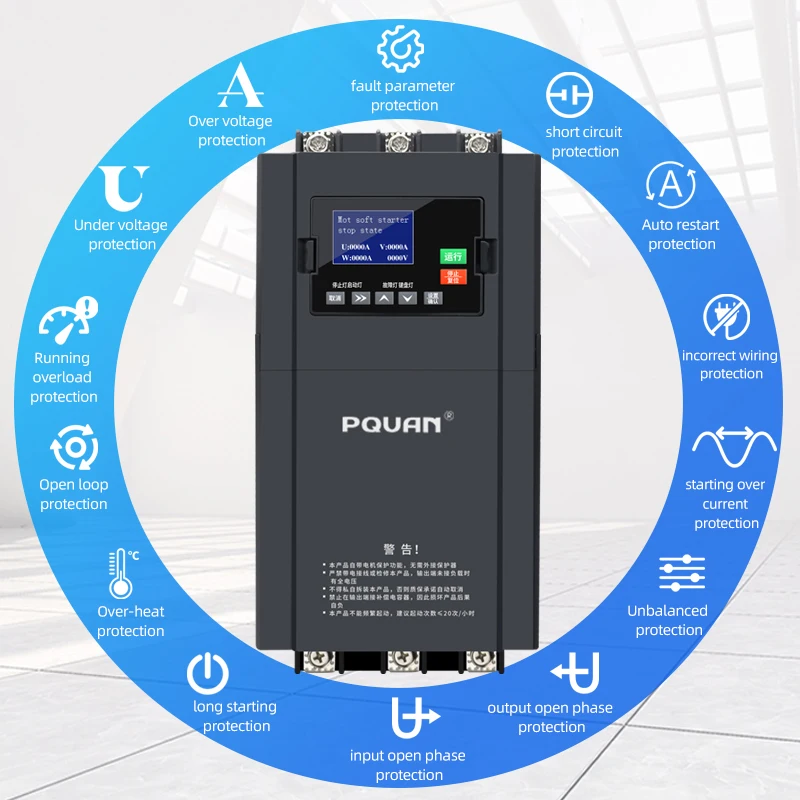
The motor protection capabilities built into modern vfd drive for fan systems provide comprehensive safeguarding that extends equipment lifespan far beyond what traditional starting methods can achieve. These advanced protection features continuously monitor multiple motor parameters including current, voltage, temperature, and vibration levels to prevent damage before it occurs. A vfd drive for fan eliminates the destructive inrush currents associated with across-the-line starting, which can be six to eight times normal operating current and create severe mechanical and electrical stress on motor windings, bearings, and connected equipment. The soft-start functionality gradually accelerates the motor to operating speed, reducing mechanical shock and extending the life of belts, couplings, bearings, and fan blades. This gentle starting process also eliminates water hammer effects in ductwork and reduces stress on mounting structures and foundations. Advanced vfd drive for fan systems incorporate predictive maintenance features that monitor motor performance trends and provide early warning indicators of potential problems such as bearing wear, insulation degradation, or mechanical imbalances. These diagnostic capabilities enable maintenance teams to schedule repairs during planned downtime rather than experiencing costly emergency failures. The electronic overload protection provided by vfd drive for fan technology offers more precise and responsive protection than traditional thermal overload relays, with the ability to adjust protection settings based on actual operating conditions rather than fixed parameters. Phase loss protection prevents motor damage from single-phasing conditions, while undervoltage and overvoltage protection shields equipment from power quality issues that could cause premature failure. Ground fault protection and motor thermistor monitoring provide additional layers of safety for both equipment and personnel. The controlled deceleration features prevent mechanical damage during shutdown cycles, while programmable braking functions allow for precise stopping control in applications requiring quick or gradual stops. These comprehensive protection features not only extend motor life but also reduce insurance costs, improve safety ratings, and minimize the risk of production interruptions due to equipment failures.
Intelligent Control and System Integration Capabilities

Intelligent Control and System Integration Capabilities

The intelligent control features and system integration capabilities of modern vfd drive for fan technology elevate these devices from simple speed controllers to sophisticated automation components that enhance entire facility management systems. Contemporary vfd drive for fan units incorporate powerful microprocessors and advanced control algorithms that enable complex automation sequences, precise process control, and seamless integration with building management systems and industrial control networks. The built-in PID control functionality allows a vfd drive for fan to automatically maintain desired pressure, temperature, or flow conditions by continuously adjusting motor speed based on sensor feedback, eliminating the need for separate control devices and reducing system complexity. Multi-parameter control capabilities enable simultaneous monitoring and control of multiple process variables, with the ability to prioritize different parameters based on operational requirements or emergency conditions. The communication interfaces available in modern vfd drive for fan systems include Modbus, Ethernet, Profibus, and wireless protocols that enable real-time data exchange with supervisory control systems, allowing operators to monitor performance, adjust settings, and receive alarm notifications from anywhere in the facility or remotely through internet connections. Advanced programming capabilities allow customization of control logic to match specific application requirements, including time-based scheduling, load sharing between multiple fans, automatic backup fan activation, and complex sequencing operations. The data logging and trending capabilities built into vfd drive for fan systems provide valuable operational insights, tracking energy consumption patterns, runtime hours, maintenance intervals, and performance trends that support informed decision-making for optimization and planning purposes. Alarm and diagnostic systems provide detailed fault information and troubleshooting guidance, reducing downtime and maintenance costs while improving system reliability. The ability to create custom operating profiles allows different speed and control settings for various operational modes such as occupied and unoccupied building periods, seasonal adjustments, or process-specific requirements. Remote monitoring capabilities enable facility managers to optimize multiple installations across different locations from centralized control centers, improving operational efficiency and reducing travel costs for maintenance and monitoring activities.
VFD Drive for Fan: Advanced Motor Control Technology for Energy Efficient Fan Systems

Get a Free Quote

Our representative will contact you soon.
Email
Name
Company Name
Message
0/1000