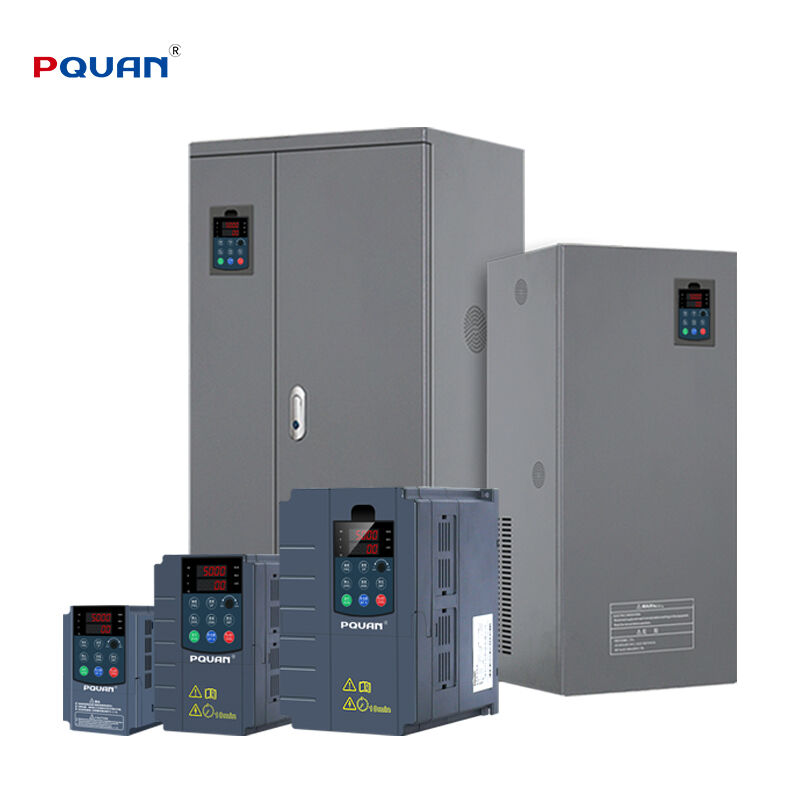
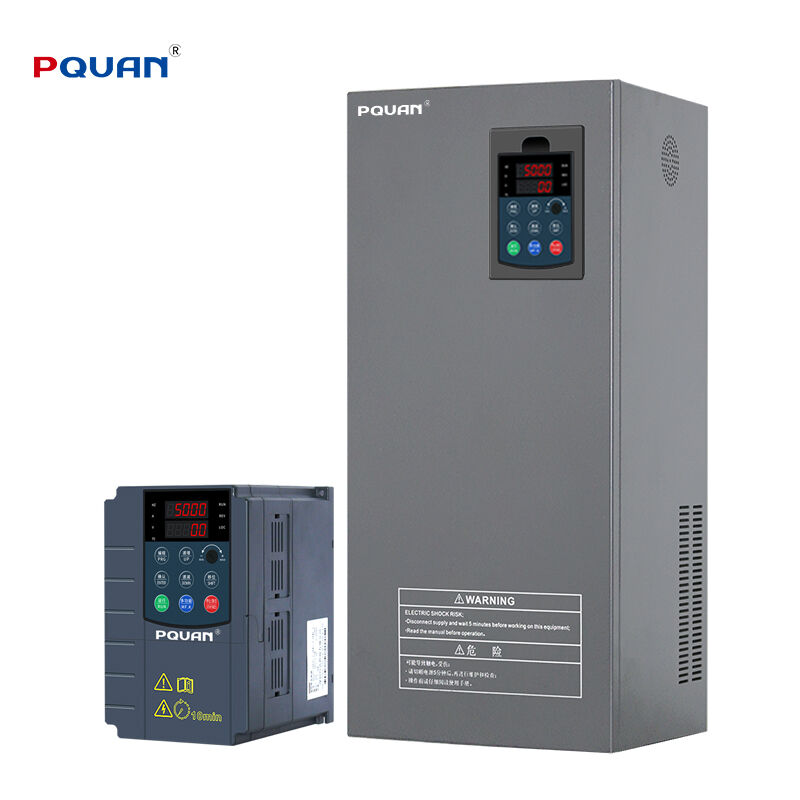
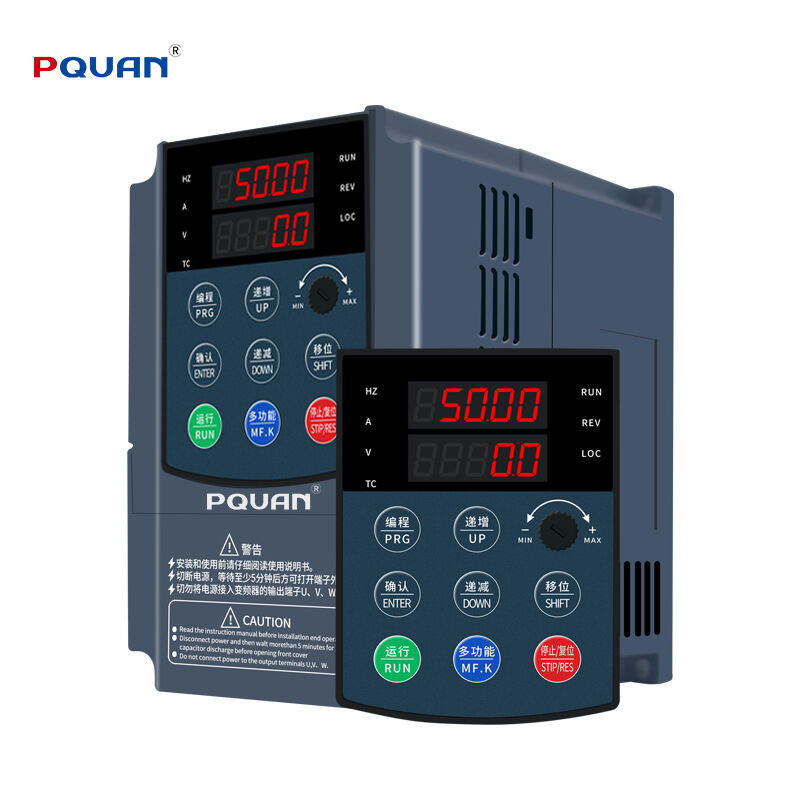
Industrial VFD Drive: Energy-Efficient Variable Frequency Drives for Superior Motor Control

All Categories
Get a Quote
%}

Get a Free Quote

Our representative will contact you soon.
Email
Mobile/WhatsApp
Name
Message
0/1000

industrial vfd drive

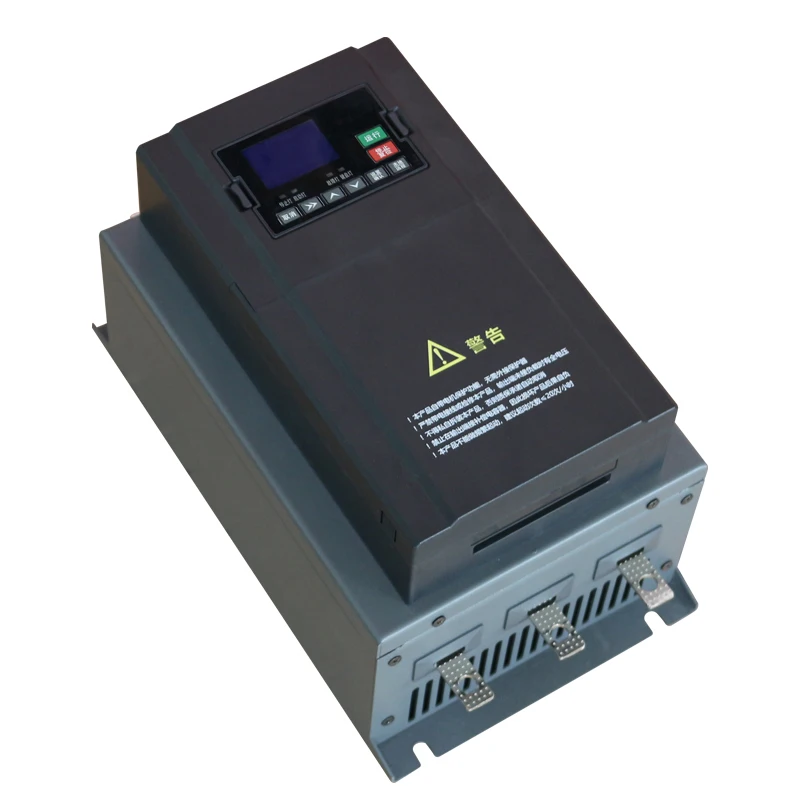
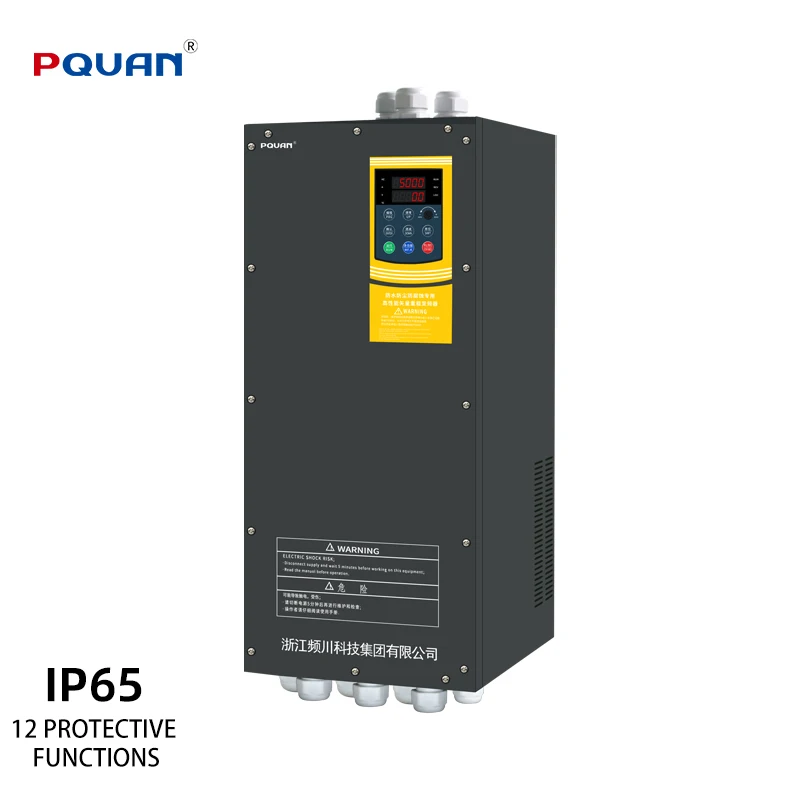
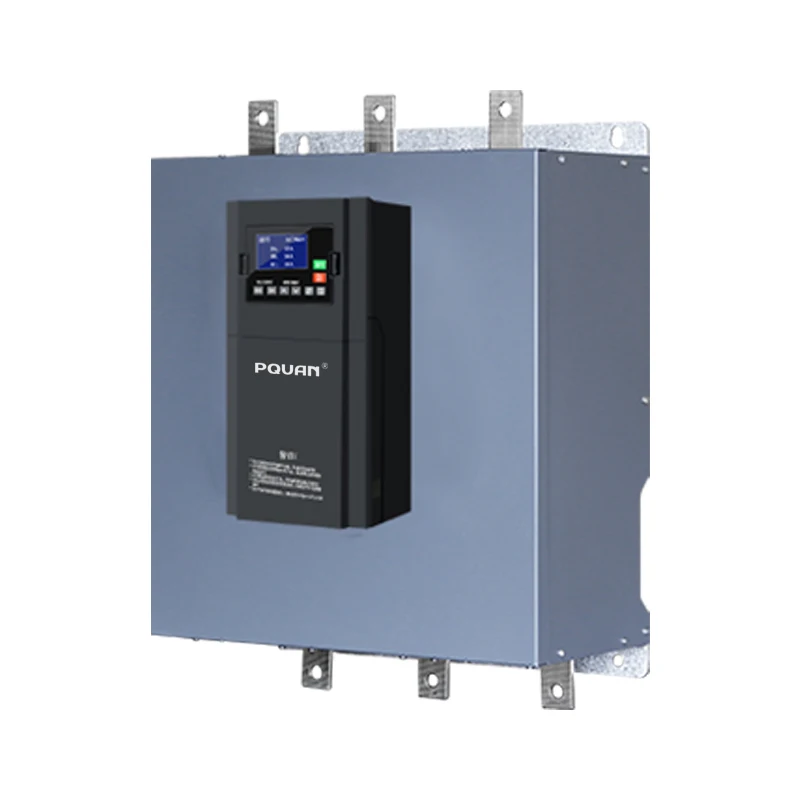
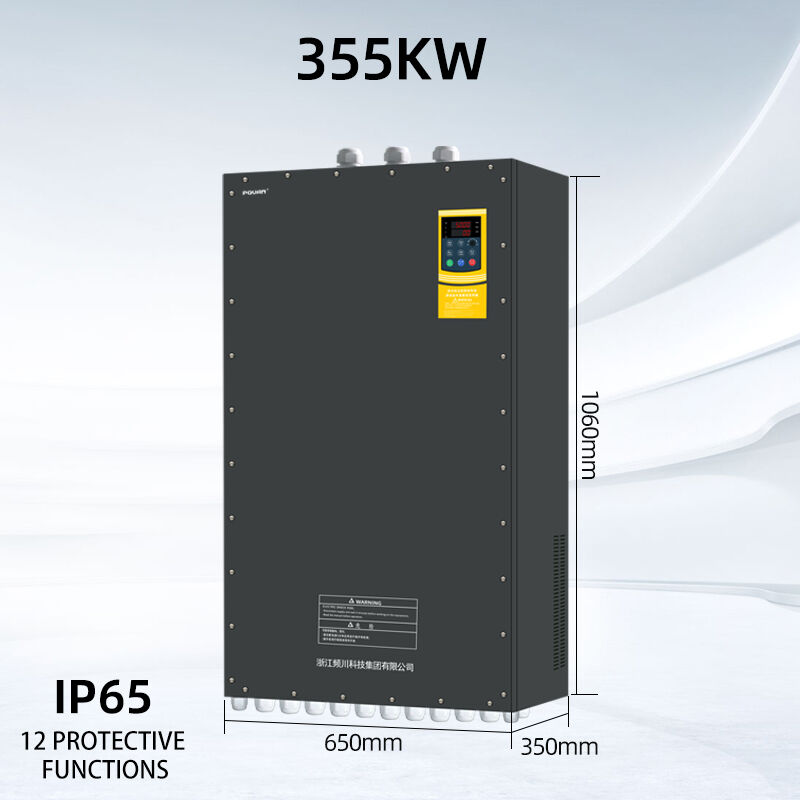
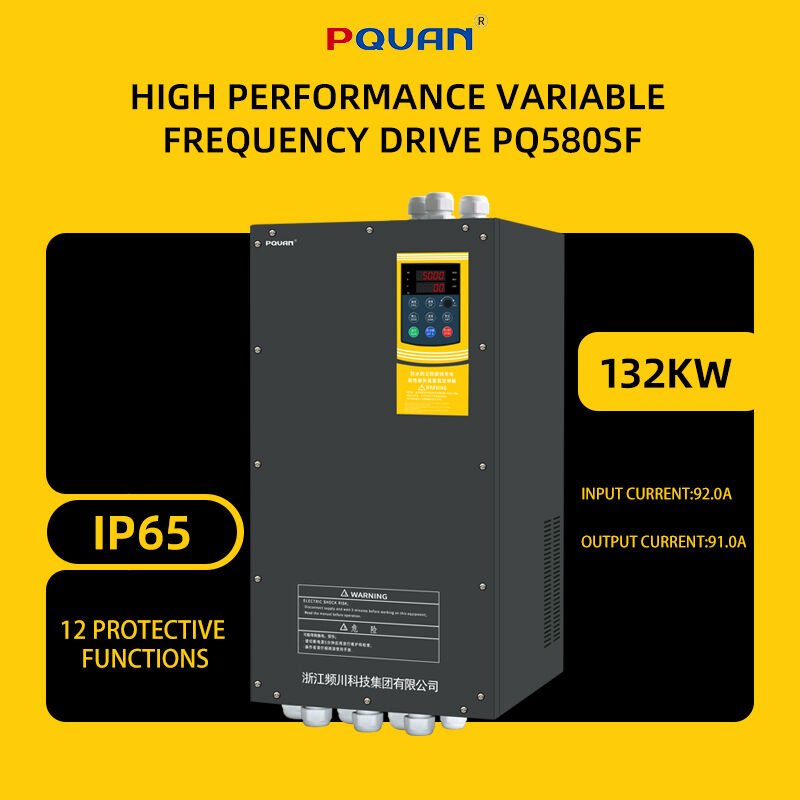
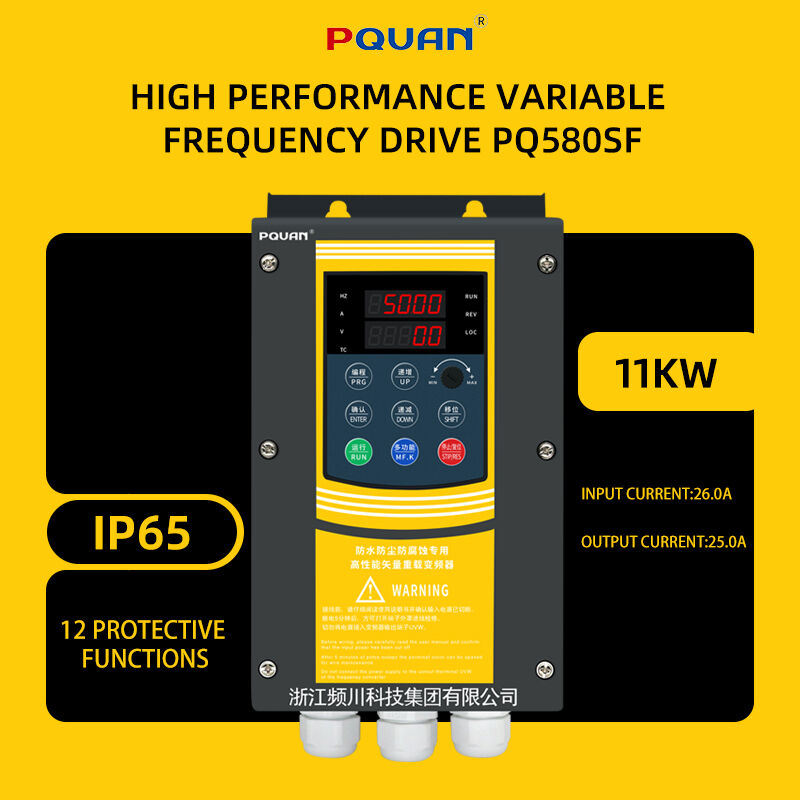
An industrial vfd drive, also known as a variable frequency drive or adjustable speed drive, serves as a sophisticated electronic device that controls the speed and torque of electric motors by varying the frequency and voltage supplied to them. This technology has revolutionized industrial automation by providing precise motor control that was previously unattainable with traditional mechanical methods. The industrial vfd drive operates by converting incoming AC power into DC power through a rectifier circuit, then reconverting it back to AC power at the desired frequency and voltage through an inverter section. This conversion process allows operators to adjust motor speeds continuously rather than relying on fixed speed settings. Modern industrial vfd drive systems incorporate advanced microprocessor technology that enables real-time monitoring, diagnostic capabilities, and seamless integration with automation networks. The main functions of an industrial vfd drive extend beyond simple speed control to include soft starting capabilities that reduce mechanical stress on equipment, dynamic braking for controlled deceleration, and torque management for applications requiring precise force control. These drives feature programmable parameters that allow customization for specific applications, from simple conveyor systems to complex manufacturing processes. The technological features of an industrial vfd drive include pulse width modulation techniques for efficient power conversion, built-in protection mechanisms against overload and short circuits, and communication protocols such as Modbus, Profibus, and Ethernet/IP for industrial networking. Applications span numerous industries including manufacturing, water treatment, HVAC systems, material handling, food processing, and petrochemical operations. In manufacturing environments, an industrial vfd drive controls pumps, fans, compressors, and conveyor belts with exceptional precision. Water treatment facilities utilize these drives to manage pump speeds according to demand, while HVAC systems employ them to regulate air flow and maintain optimal climate conditions. The versatility of an industrial vfd drive makes it indispensable in modern industrial operations where energy efficiency, process control, and equipment longevity are paramount considerations for operational success and competitive advantage.

Popular Products

The industrial vfd drive delivers substantial cost savings through reduced energy consumption, making it one of the most impactful investments for industrial facilities. By matching motor speed precisely to actual load requirements, an industrial vfd drive eliminates the energy waste associated with running motors at full speed when partial output suffices. Studies demonstrate that facilities implementing these drives typically achieve energy reductions between 20 and 50 percent, translating to significant decreases in electricity bills and improved bottom-line profitability. The soft start capability of an industrial vfd drive protects mechanical components from the damaging effects of sudden acceleration, extending equipment lifespan considerably. Traditional across-the-line motor starting creates mechanical shocks that wear bearings, couplings, belts, and gearboxes prematurely, necessitating frequent maintenance and replacement. An industrial vfd drive gradually ramps up motor speed, eliminating these destructive forces and reducing maintenance requirements by up to 30 percent in many applications. Process control improvements represent another major advantage, as an industrial vfd drive provides infinitely variable speed adjustment that enables operators to fine-tune production parameters for optimal quality and efficiency. Manufacturing processes benefit from the precise speed control that maintains consistent product quality, reduces scrap rates, and improves overall yield. The ability to adjust speeds on the fly allows facilities to respond quickly to changing production demands without stopping and reconfiguring equipment. An industrial vfd drive also contributes to a safer and quieter working environment by eliminating the jarring starts and stops associated with conventional motor control methods. The gradual acceleration and deceleration reduce noise levels significantly, creating a more comfortable workspace that complies with occupational health standards. Power factor correction is another valuable benefit, as an industrial vfd drive improves the power factor of motor loads, potentially eliminating power factor penalties from utility companies and reducing electrical infrastructure requirements. The diagnostic capabilities built into modern industrial vfd drive systems provide real-time monitoring of motor performance, allowing maintenance teams to identify potential problems before they cause unexpected downtime. This predictive maintenance approach minimizes production interruptions and extends the overall reliability of manufacturing operations. Integration with building management systems and industrial control networks allows an industrial vfd drive to participate in facility-wide optimization strategies, coordinating with other equipment to maximize efficiency across entire operations. The scalability of industrial vfd drive technology means that facilities can start with critical applications and expand usage as benefits become apparent, creating a pathway for continuous operational improvement. Environmental benefits also merit consideration, as reduced energy consumption directly translates to lower carbon emissions and smaller environmental footprints, helping companies meet sustainability goals and regulatory requirements while demonstrating corporate responsibility to stakeholders and communities.

Practical Tips

How Variable Frequency Drives Improve Motor Performance and Lifespan

09

Mar

How Variable Frequency Drives Improve Motor Performance and Lifespan

Electric motors are the workhorses of modern industry, powering everything from HVAC systems and pumps to conveyors and compressors. Yet running these motors at fixed speeds — regardless of actual load demand — wastes significant energy a...
View More
Long-Lasting Voltage Stabilizer: Maintenance Tips to Extend Service Life

28

Apr

Long-Lasting Voltage Stabilizer: Maintenance Tips to Extend Service Life

Unstable electrical grids present a constant hazard to expensive machinery and sophisticated production lines. A high-performance voltage stabilizer serves as your primary line of defense, correcting under-voltage, over-voltage, and transient surges ...
View More
VFD Drive Troubleshooting: Common Issues and Quick Fixes

13

May

VFD Drive Troubleshooting: Common Issues and Quick Fixes

Variable Frequency Drives (VFDs) are the unsung heroes of modern industrial automation. By controlling the speed and torque of AC motors, a VFD drive optimizes energy consumption, reduces mechanical wear, and enhances process control across various...
View More
VFD Drive Sizing: How to Choose the Right Capacity for Your Motor

20

May

VFD Drive Sizing: How to Choose the Right Capacity for Your Motor

Selecting the correct capacity for a Variable Frequency Drive is one of the most critical steps in designing an efficient, reliable industrial motor control system. A properly sized VFD Drive ensures optimal energy consumption, prevents unnecessary e...
View More

Get a Free Quote

Our representative will contact you soon.
Email
Mobile/WhatsApp
Name
Message
0/1000

industrial vfd drive

Superior Energy Efficiency and Operating Cost Reduction

Superior Energy Efficiency and Operating Cost Reduction

The industrial vfd drive stands out in the marketplace primarily due to its exceptional ability to reduce energy consumption and operating costs across diverse industrial applications. This capability stems from the fundamental principle that most industrial processes do not require constant full-speed motor operation, yet traditional motor control methods provide no practical way to adjust speeds efficiently. An industrial vfd drive addresses this limitation by continuously matching motor speed to actual process requirements, eliminating the substantial energy waste inherent in fixed-speed operation. The economic impact becomes particularly significant in applications involving pumps and fans, where the affinity laws dictate that power consumption decreases with the cube of speed reduction. This mathematical relationship means that running a pump at 80 percent speed through an industrial vfd drive reduces power consumption to approximately 51 percent of full-speed operation, creating dramatic energy savings that compound over the equipment's operational life. Real-world implementations consistently demonstrate return on investment periods ranging from 12 to 24 months, after which the industrial vfd drive continues generating savings year after year. Beyond direct energy savings, an industrial vfd drive eliminates the need for mechanical throttling devices such as dampers and valves that waste energy by restricting flow while motors continue running at full speed. The precise speed control also reduces mechanical wear on all system components, decreasing maintenance expenses and extending equipment replacement cycles. Power quality improvements represent an additional financial benefit, as an industrial vfd drive reduces peak demand charges by eliminating the high inrush currents associated with traditional motor starting methods. These inrush currents can reach six to eight times the normal running current, causing demand spikes that increase utility bills substantially. The soft-start capability of an industrial vfd drive limits starting current to approximately 150 percent of rated current, smoothing power consumption patterns and reducing demand charges. Energy monitoring features built into modern industrial vfd drive systems provide detailed consumption data that helps facility managers identify additional optimization opportunities and verify savings. The combination of reduced energy consumption, lower maintenance costs, decreased demand charges, and extended equipment life creates a compelling value proposition that makes an industrial vfd drive one of the highest-return investments available to industrial facilities seeking to improve operational efficiency and profitability while simultaneously reducing environmental impact and carbon footprint.
Enhanced Process Control and Product Quality

Enhanced Process Control and Product Quality

The industrial vfd drive delivers unprecedented process control capabilities that directly translate to improved product quality, reduced waste, and increased manufacturing flexibility. Traditional motor control methods offer limited speed options, typically restricted to single-speed or occasionally two-speed operation through mechanical switching arrangements. These limitations force processes to accommodate fixed motor speeds rather than allowing speeds to be optimized for process requirements. An industrial vfd drive fundamentally changes this equation by providing infinitely variable speed control across the entire motor operating range, enabling precise adjustment to match exact process needs at any given moment. This precision becomes crucial in applications where product quality depends on maintaining specific flow rates, mixing speeds, or material feed rates within narrow tolerances. Manufacturing operations implementing an industrial vfd drive report significant reductions in product defects and scrap rates because processes can be fine-tuned to optimal parameters rather than accepting compromises imposed by fixed-speed limitations. The responsiveness of an industrial vfd drive allows immediate adjustment when process conditions change, maintaining consistent quality even as material properties, ambient conditions, or production requirements vary throughout shifts and seasons. Acceleration and deceleration ramp control features enable an industrial vfd drive to prevent sudden speed changes that could damage sensitive products or create process instabilities. Food processing operations particularly benefit from this capability, as gradual speed transitions prevent product damage during filling, mixing, and packaging operations. The torque control modes available in advanced industrial vfd drive systems provide even more sophisticated process management, maintaining constant torque regardless of speed variations to ensure consistent processing results. Multi-motor coordination becomes practical with an industrial vfd drive, allowing several motors to operate in synchronized fashion for applications requiring coordinated motion control. Textile manufacturing, printing operations, and material handling systems utilize this capability to maintain proper tension and registration across multiple process stages. The programmability of an industrial vfd drive enables storage of multiple speed profiles optimized for different products or operating modes, allowing operators to switch between recipes quickly without manual recalibration. Remote monitoring and adjustment capabilities mean that process engineers can optimize an industrial vfd drive parameters from control rooms or even off-site locations, enabling expert support without requiring physical presence at equipment locations. This flexibility proves invaluable for facilities operating multiple shifts or managing geographically distributed operations where consistent process control across all locations supports quality standardization and brand reputation.
Equipment Protection and Extended Operational Life

Equipment Protection and Extended Operational Life

The industrial vfd drive provides comprehensive equipment protection that substantially extends the operational life of motors and mechanical systems while simultaneously reducing maintenance requirements and unexpected downtime. The elimination of across-the-line starting represents the most significant protective benefit, as traditional motor starting methods subject equipment to severe mechanical and electrical stresses that accumulate damage over thousands of start cycles. When a motor starts directly across the line, it draws six to eight times its rated current while producing instantaneous torque that shocks mechanical components throughout the drive train. These violent starts create bearing wear, shaft misalignment, coupling damage, belt slippage, and gearbox stress that gradually degrade equipment until failure occurs. An industrial vfd drive eliminates these destructive forces through controlled soft-starting that gradually accelerates the motor over a programmed time period, typically 10 to 60 seconds depending on application requirements. This gentle acceleration distributes the mechanical forces over time rather than delivering them instantaneously, reducing peak stress levels by 70 to 90 percent compared to conventional starting. The cumulative benefit becomes apparent over equipment lifespans measured in decades rather than years, with facilities reporting that motors and mechanical systems controlled by an industrial vfd drive frequently operate two to three times longer than identical equipment using traditional control methods. Thermal protection features built into an industrial vfd drive monitor motor temperature and current continuously, preventing overheating damage that represents one of the leading causes of motor failure. Advanced thermal modeling algorithms track rotor and stator temperatures even without physical sensors, providing protection that adapts to actual operating conditions rather than relying on simple overcurrent detection. Bearing protection results from the elimination of shaft currents that plague large motors, as the switching frequencies in an industrial vfd drive can be adjusted to minimize these damaging currents that cause premature bearing failure. Customizable protection parameters allow an industrial vfd drive to be configured with appropriate trip levels for specific applications, ensuring that equipment receives protection matched to its actual operating environment. The controlled deceleration capability prevents water hammer in pumping systems and pressure surges in compressed air systems, protecting piping, valves, and vessels from damaging shock waves. Maintenance scheduling becomes more predictable and efficient because an industrial vfd drive reduces the random failures caused by excessive mechanical stress, allowing maintenance activities to shift from reactive repairs to planned preventive service. Diagnostic features provide early warning of developing problems through vibration analysis, current signature analysis, and performance trending that identify bearing wear, misalignment, and other mechanical issues before catastrophic failure occurs, enabling corrective action during planned outages rather than emergency shutdowns that disrupt production schedules.
Industrial VFD Drive: Energy-Efficient Variable Frequency Drives for Superior Motor Control

Get a Free Quote

Our representative will contact you soon.
Email
Mobile/WhatsApp
Name
Message
0/1000