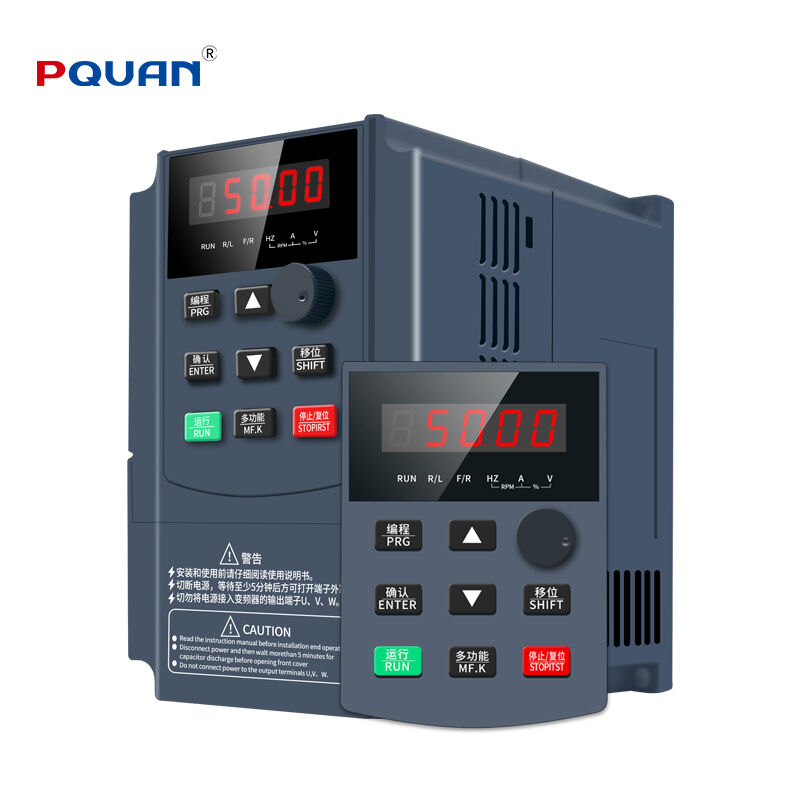
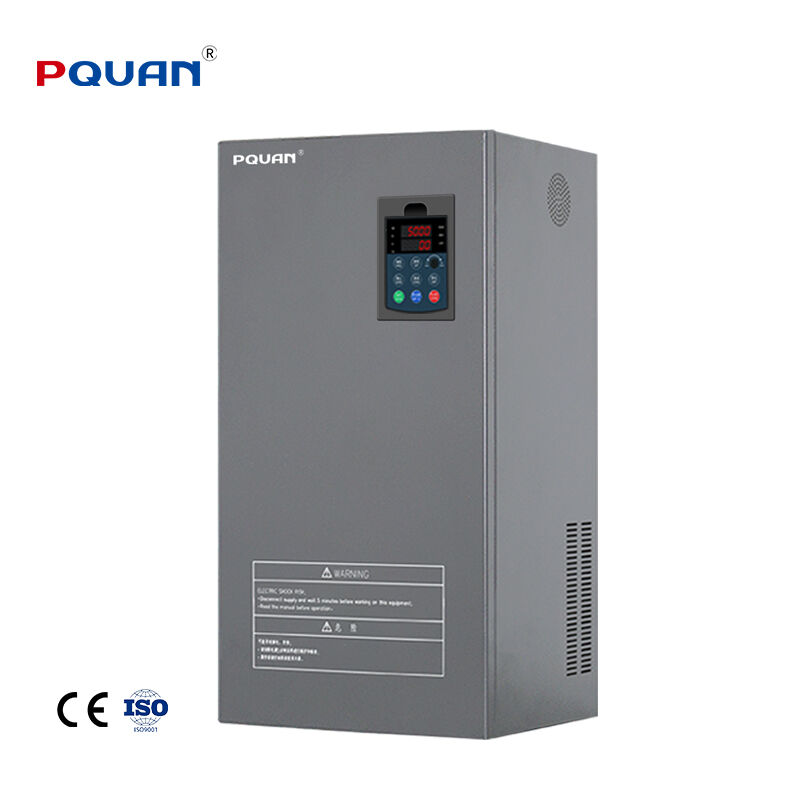
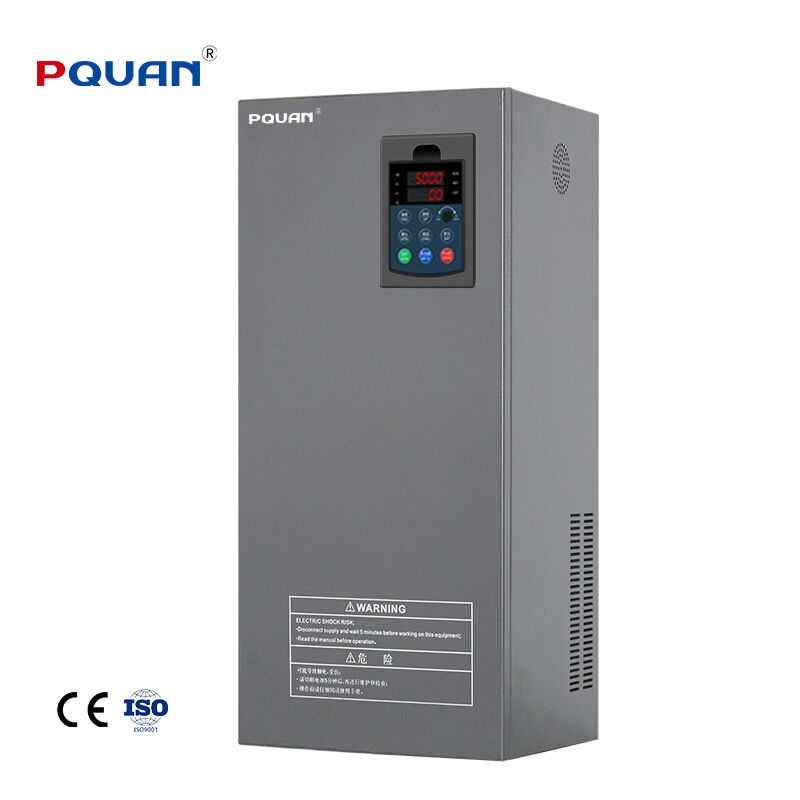
low voltage ac drive
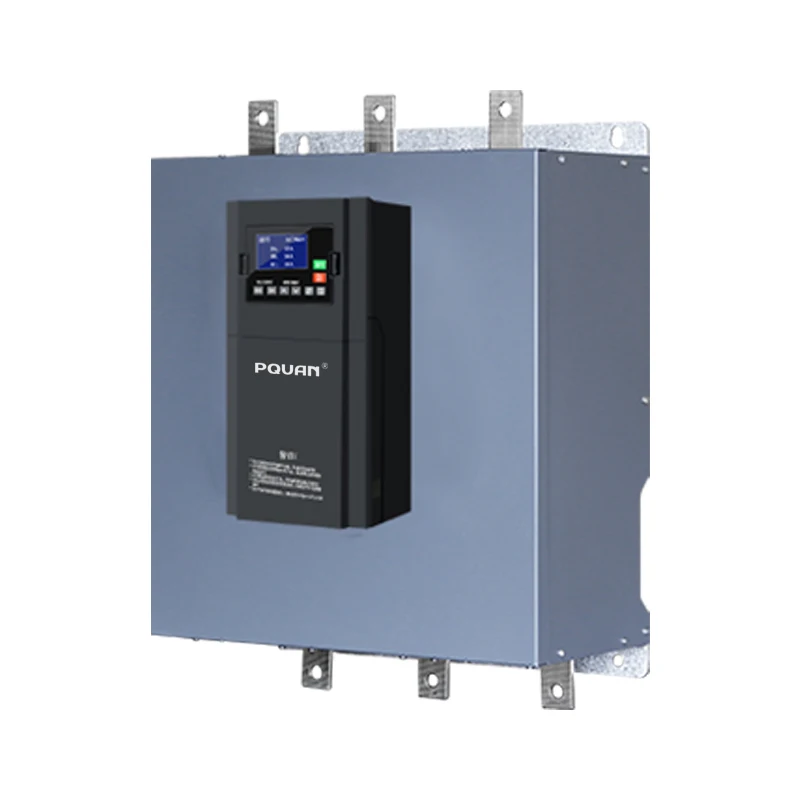
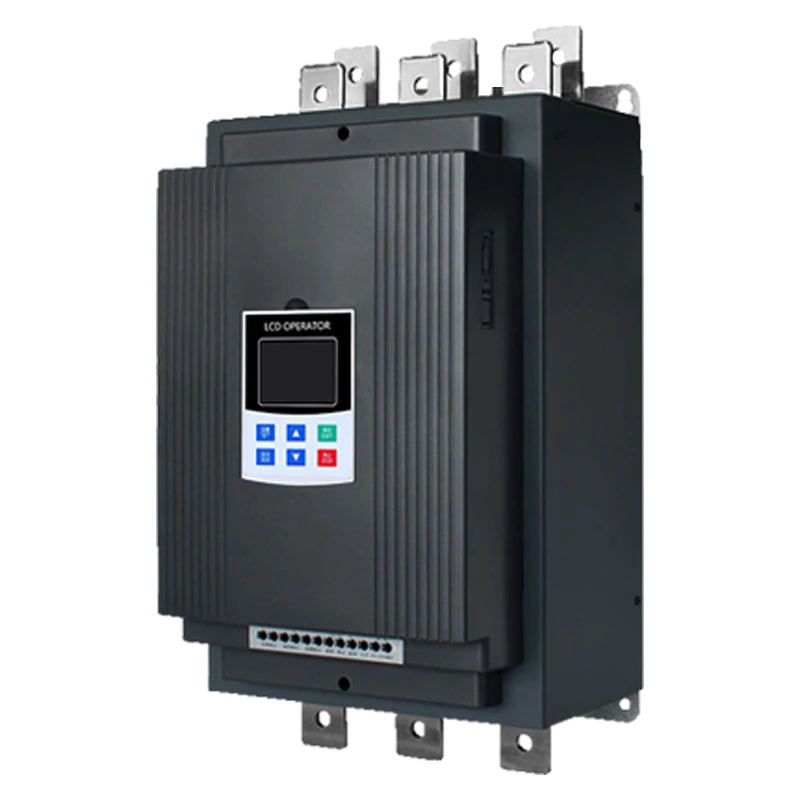
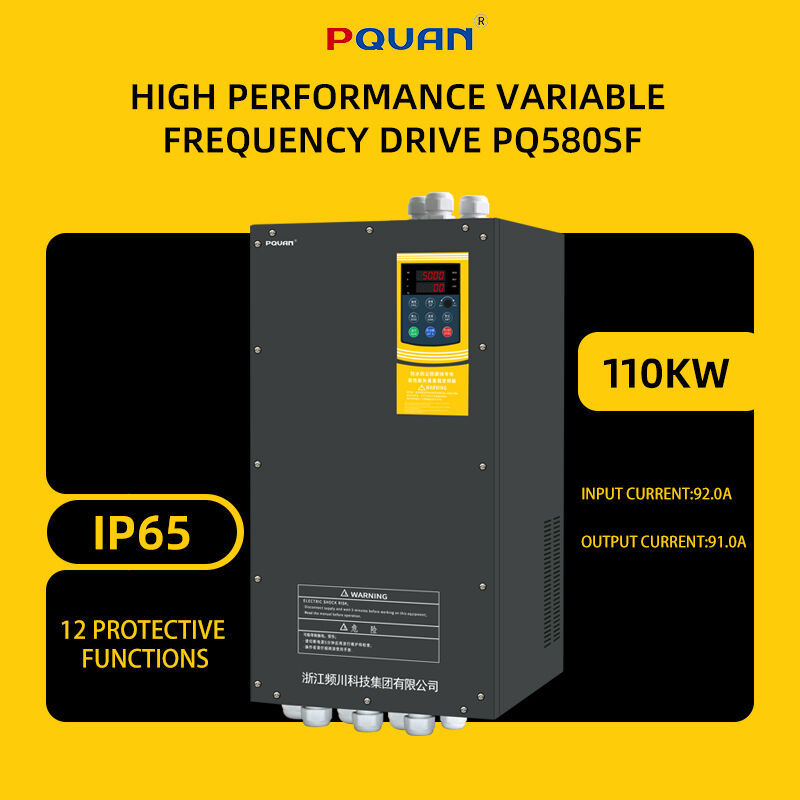
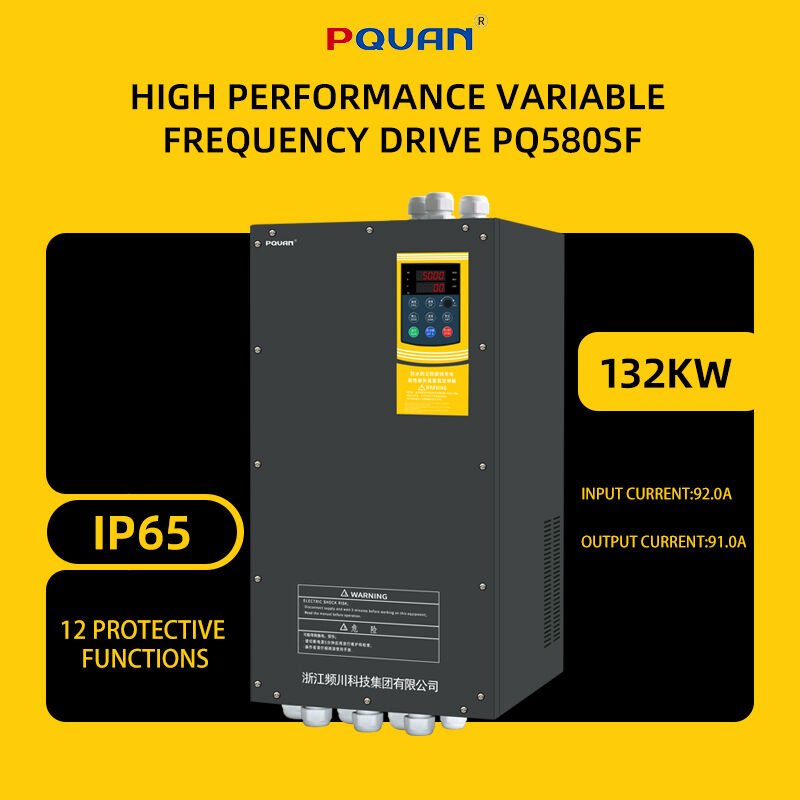
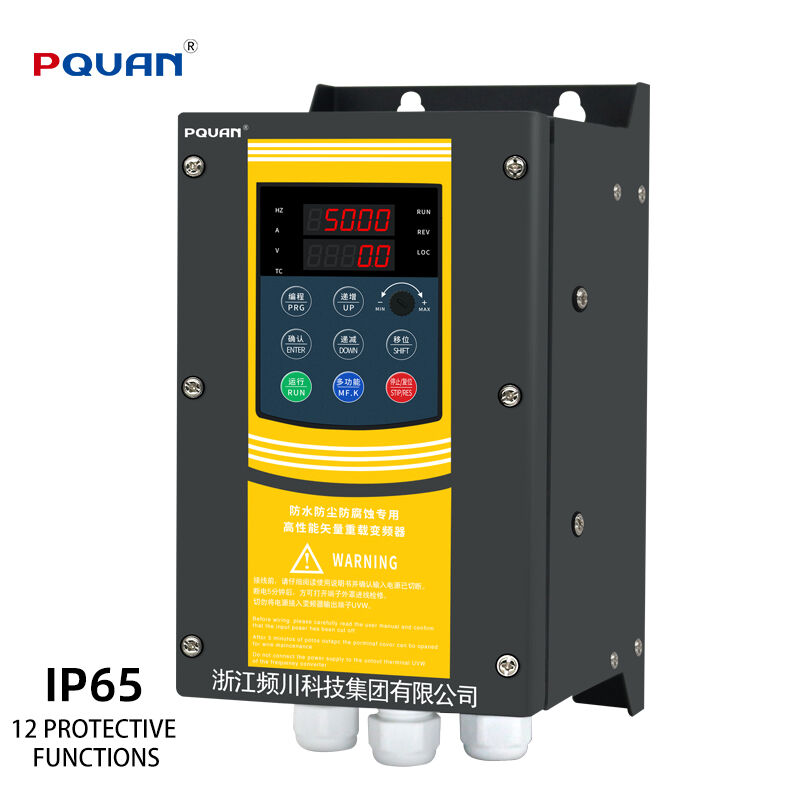
A low voltage ac drive represents a sophisticated power conversion system designed to control the speed and torque of alternating current motors operating at voltages typically below 1000 volts. This electrical device functions as an intermediary between the power supply and the motor, converting incoming AC power to DC and then back to AC with variable frequency and voltage characteristics. The primary purpose of implementing a low voltage ac drive is to achieve precise motor control while simultaneously reducing energy consumption and extending equipment lifespan. These drives employ advanced power electronics, including insulated gate bipolar transistors and microprocessor-based control algorithms, to deliver smooth acceleration, deceleration, and speed regulation across diverse industrial applications. The technology enables operators to match motor performance directly to process requirements rather than running equipment at constant full speed regardless of actual demand. Low voltage ac drive systems incorporate multiple protection features including overload detection, short circuit prevention, thermal monitoring, and voltage fluctuation compensation to safeguard connected motors and driven machinery. Modern units feature intuitive programming interfaces that allow technicians to configure operational parameters, establish speed presets, and monitor performance metrics in real time. Communication capabilities have evolved significantly, with contemporary low voltage ac drive models supporting industrial protocols such as Modbus, Profibus, and Ethernet-IP for seamless integration into automated control systems. The modular architecture of these drives facilitates maintenance procedures and component replacement when necessary. Application versatility stands as a defining characteristic, with low voltage ac drive technology proving effective across pumping systems, conveyor mechanisms, fan installations, compressor operations, and numerous other motor-driven processes throughout manufacturing, infrastructure, and commercial facilities worldwide.
 EN
EN