AC Drive for Pump Control: Energy-Efficient Variable Speed Solutions for Optimal Performance

All Categories
Get a Quote
%}

Get a Free Quote

Our representative will contact you soon.
Email
Mobile/WhatsApp
Name
Message
0/1000

ac drive for pump control

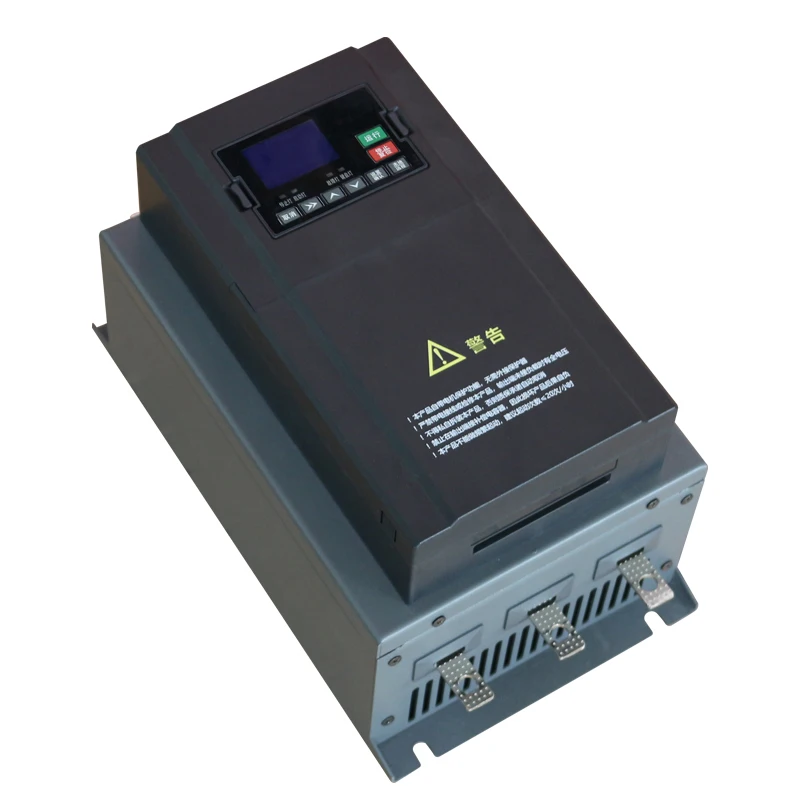
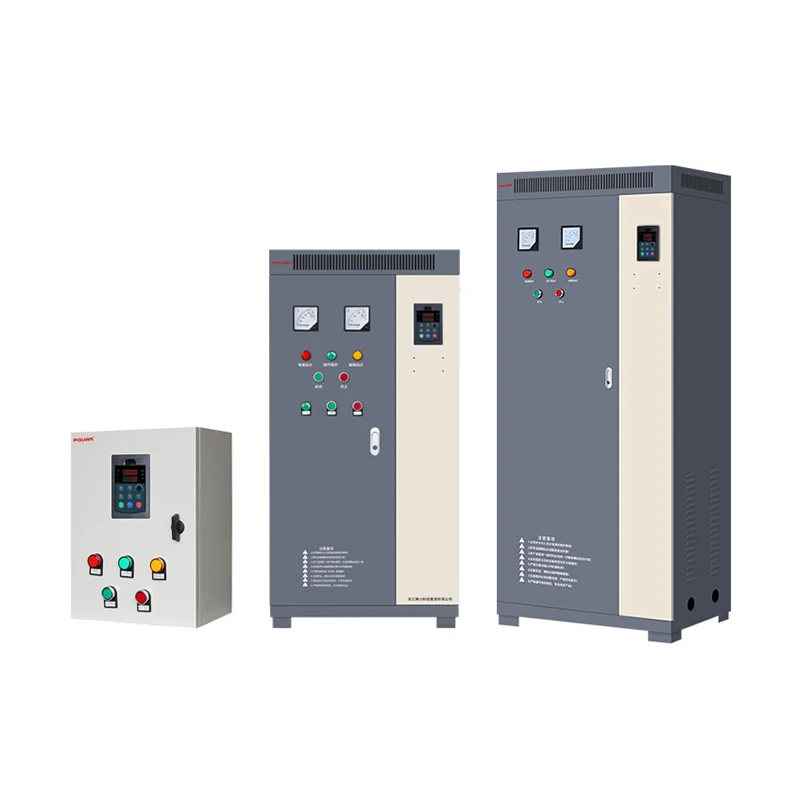
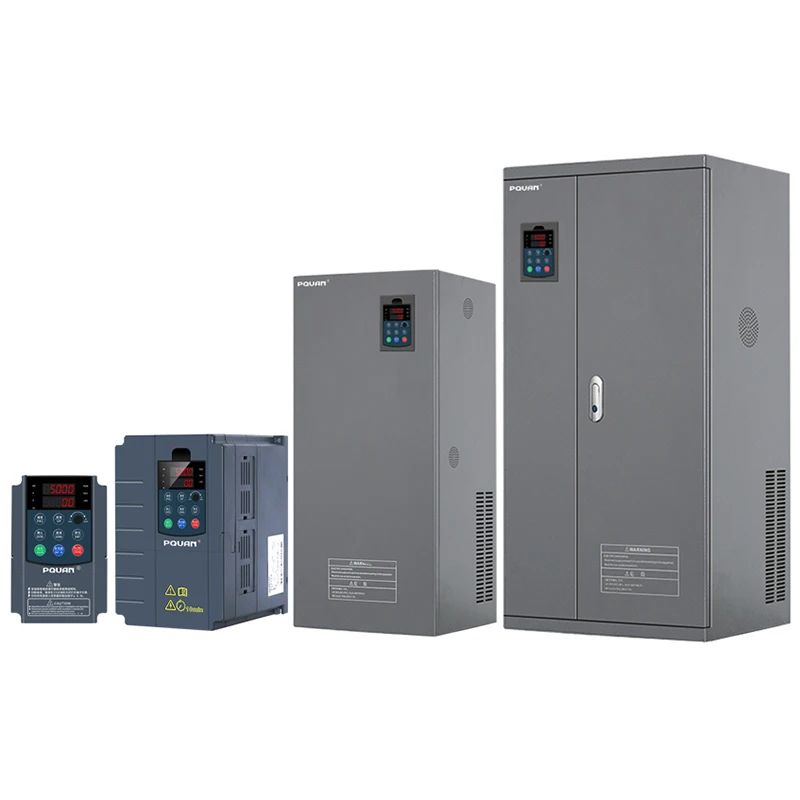
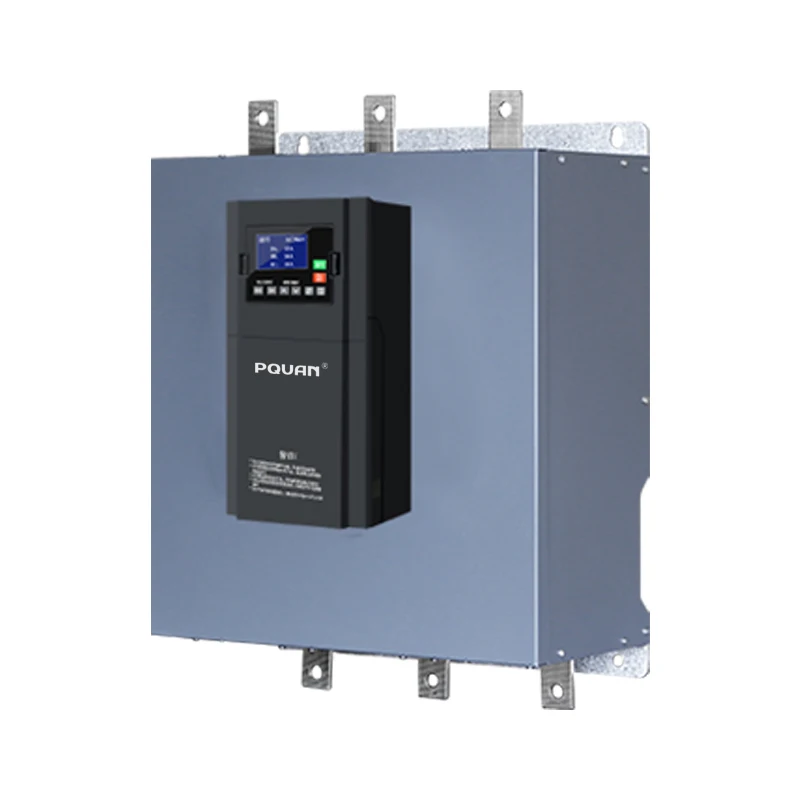
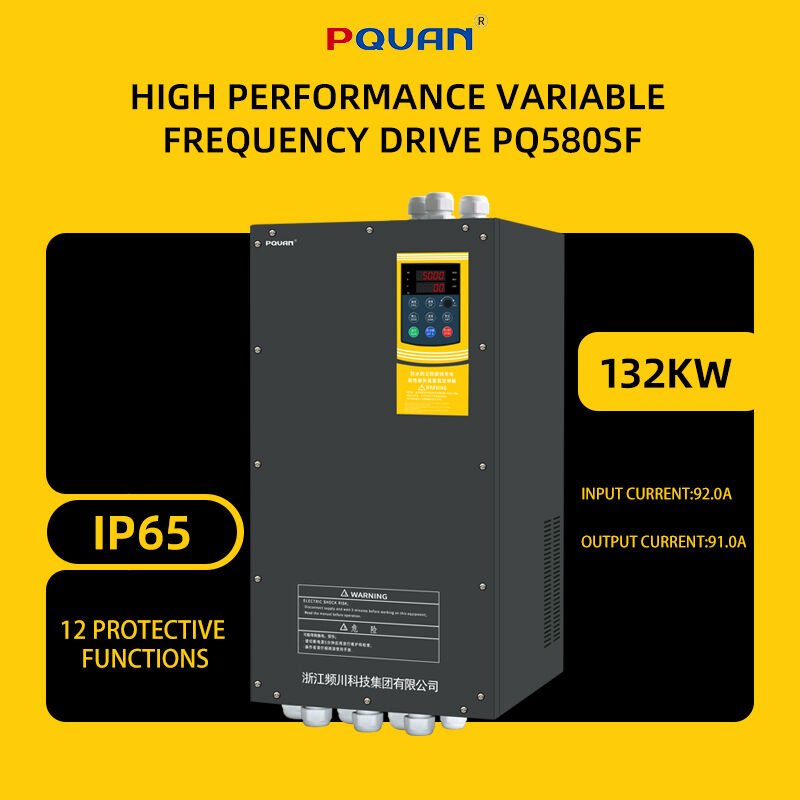
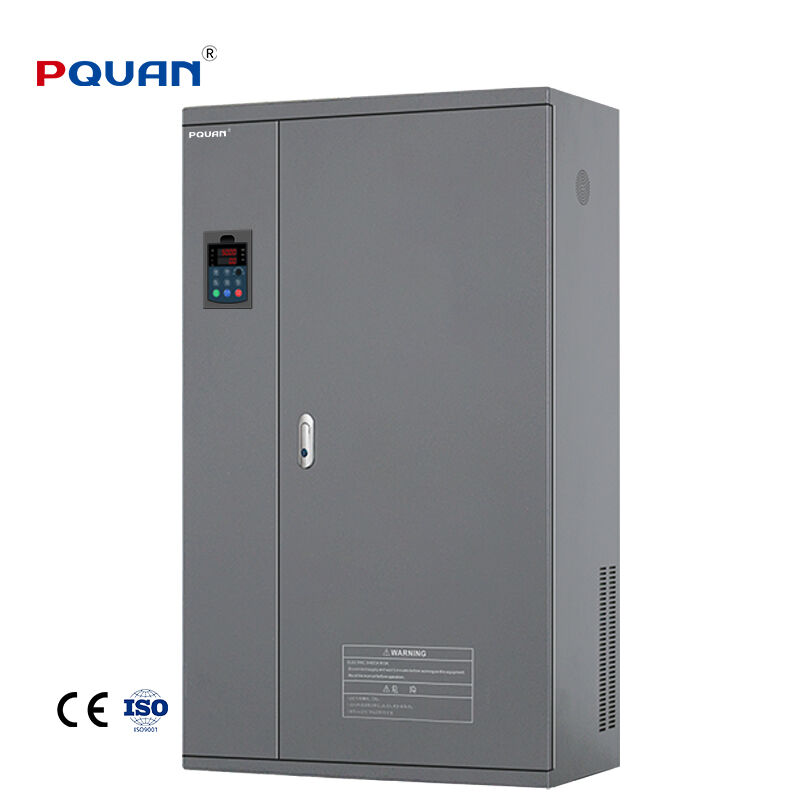
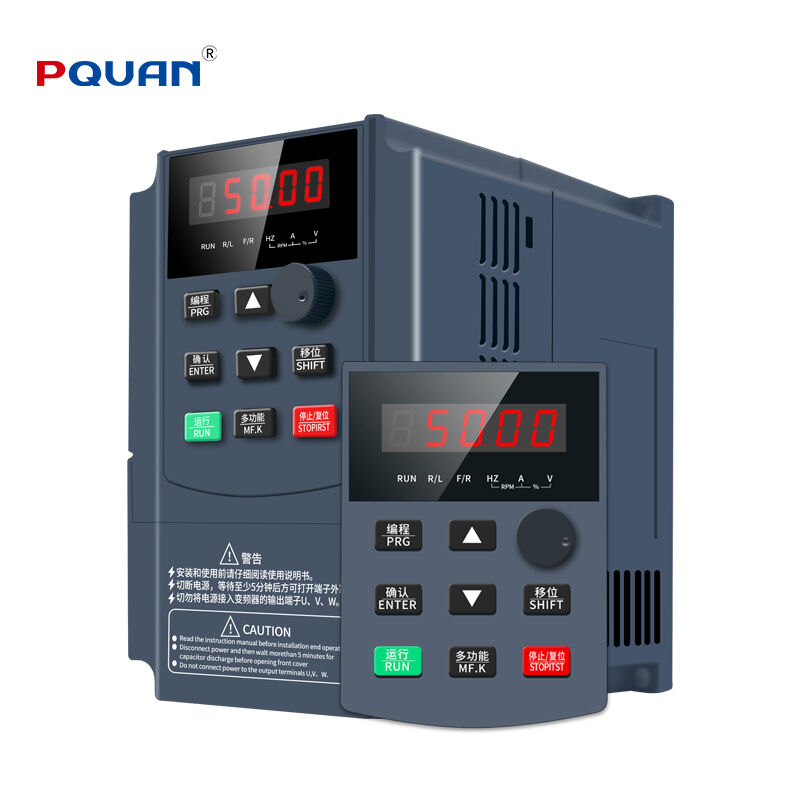
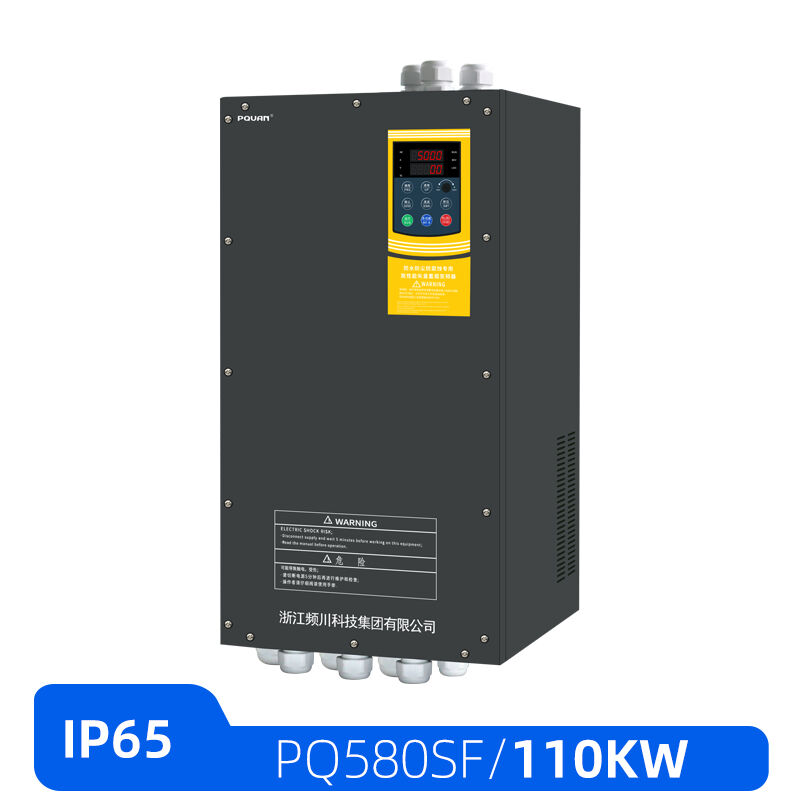
An ac drive for pump control represents a sophisticated power conversion system that regulates the speed and torque of alternating current motors used in pumping applications. This technology converts incoming fixed-frequency AC power into variable-frequency output, enabling precise control over pump motor speed and operational parameters. The fundamental purpose of an ac drive for pump control is to match pump output directly to system demand, eliminating the energy waste associated with traditional throttling methods or bypass valve configurations. Modern ac drive systems incorporate advanced microprocessor technology that continuously monitors system variables including pressure, flow rate, motor current, and temperature, making real-time adjustments to optimize performance. The ac drive for pump control utilizes pulse-width modulation techniques to create smooth, adjustable voltage and frequency signals that drive the motor at exactly the speed needed for current conditions. These drives feature multiple control modes including scalar control for basic applications and vector control for high-performance requirements demanding precise torque regulation across the entire speed range. Built-in protection mechanisms safeguard both the drive and connected motor from electrical faults, overheating, phase loss, and mechanical overload conditions. The ac drive for pump control typically includes programmable acceleration and deceleration ramps that prevent water hammer effects and mechanical stress during startup and shutdown sequences. Communication capabilities allow integration with building management systems, SCADA networks, and industrial control platforms through standard protocols like Modbus, Profibus, and Ethernet/IP. Installation flexibility accommodates wall-mount, floor-standing, and panel-mount configurations to suit different spatial constraints and environmental conditions. The technology applies across numerous sectors including municipal water treatment, HVAC systems, industrial process cooling, irrigation networks, wastewater management, and chemical processing facilities where pumps consume significant electrical energy and require responsive flow control.

New Product Recommendations

The primary advantage of implementing an ac drive for pump control lies in substantial energy savings that directly reduce operational costs and environmental impact. Traditional pump systems running at constant speed waste enormous amounts of electricity through throttling valves or bypass loops that essentially convert useful energy into heat and friction. By contrast, an ac drive for pump control adjusts motor speed to deliver exactly the flow and pressure required at any given moment, reducing energy consumption by 30 to 60 percent in typical applications. This efficiency improvement translates into rapid return on investment, often recovering the drive cost within 12 to 24 months through reduced electricity bills alone. Beyond energy economics, the ac drive for pump control dramatically extends equipment lifespan by eliminating the mechanical stress of across-the-line starting that subjects motors and coupled equipment to destructive current surges and torque shocks. Soft-start functionality gradually ramps motor speed, preventing the jarring impacts that crack pump casings, damage bearings, and cause shaft misalignment. Reduced mechanical stress means fewer maintenance interventions, lower spare parts inventories, and decreased downtime that interrupts production or service delivery. The ac drive for pump control provides superior process control compared to mechanical regulation methods, maintaining consistent pressure or flow despite varying system demands or supply conditions. This precision ensures product quality in manufacturing applications, occupant comfort in building systems, and regulatory compliance in water treatment facilities. Operators gain valuable diagnostic capabilities through drive monitoring functions that track performance trends, identify developing problems before failure occurs, and provide detailed fault information that speeds troubleshooting. Noise reduction represents another significant benefit, as pumps operating at reduced speed generate considerably less acoustic energy than units running continuously at maximum RPM. The ac drive for pump control eliminates the need for complex mechanical control systems involving pressure switches, float valves, and pneumatic actuators that require calibration and periodic replacement. Single-drive systems can coordinate multiple pumps, implementing lead-lag sequencing and load-sharing strategies that balance wear across equipment while maintaining system performance. Operational flexibility allows easy adjustment of control parameters to accommodate changed requirements without physical modifications to piping or equipment. The technology supports remote monitoring and control capabilities that enable facility managers to optimize operations across distributed sites from centralized locations. Power factor correction inherent in modern ac drive designs reduces reactive power consumption, potentially avoiding utility penalties and reducing electrical infrastructure requirements. Starting current limitation protects electrical distribution systems from voltage sags that affect sensitive equipment sharing the same power supply.

Latest News

What Size Automatic Voltage Regulator Do You Need for Your Equipment?

12

Mar

What Size Automatic Voltage Regulator Do You Need for Your Equipment?

Choosing the wrong size automatic voltage regulator is one of the most common — and costly — mistakes in power protection planning. An undersized unit will overload under normal operating conditions, while an oversized one wastes capital ...
View More
How Does a Voltage Stabilizer Work? A Complete Guide for Beginners

21

Apr

How Does a Voltage Stabilizer Work? A Complete Guide for Beginners

The electrical power delivered to our homes and industrial facilities is rarely as stable as it should be. Power grids constantly experience fluctuations, resulting in voltage sags, sudden surges, and brownouts that can permanently damage sensitive e...
View More
VFD Drive Troubleshooting: Common Issues and Quick Fixes

13

May

VFD Drive Troubleshooting: Common Issues and Quick Fixes

Variable Frequency Drives (VFDs) are the unsung heroes of modern industrial automation. By controlling the speed and torque of AC motors, a VFD drive optimizes energy consumption, reduces mechanical wear, and enhances process control across various...
View More
Benefits of Using VFD Drives for Pump and Fan Applications

26

May

Benefits of Using VFD Drives for Pump and Fan Applications

In modern industrial facilities, fluid and air handling systems represent a massive portion of total energy expenditure. Traditionally, centrifugal pumps and ventilation fans operated at a constant, fixed speed, utilizing mechanical throttling valves...
View More

Get a Free Quote

Our representative will contact you soon.
Email
Mobile/WhatsApp
Name
Message
0/1000

ac drive for pump control

Intelligent Energy Optimization Through Variable Speed Operation

Intelligent Energy Optimization Through Variable Speed Operation

The most compelling feature of an ac drive for pump control is its ability to continuously optimize energy consumption by precisely matching pump output to actual system demand through variable speed operation. Traditional fixed-speed pump installations operate on an inefficient principle where the pump runs at constant maximum speed regardless of actual flow requirements, with excess output diverted through bypass valves or restricted through throttling valves. This approach wastes energy by generating flow and pressure that the system immediately discards, essentially converting electrical power into heat with no useful work performed. The relationship between pump speed and power consumption follows the cubic law, meaning that reducing pump speed to 80 percent of maximum reduces power consumption to approximately 51 percent, while 60 percent speed requires only about 22 percent of full-speed power. An ac drive for pump control exploits this relationship by operating the pump at the minimum speed necessary to satisfy current demand, capturing enormous energy savings across the operational profile. The drive continuously monitors system feedback from pressure transducers or flow meters, comparing actual conditions against setpoint targets and making instantaneous speed adjustments to maintain desired parameters. This closed-loop control responds within milliseconds to changing conditions, preventing the overshoot and hunting behavior characteristic of mechanical control systems with slower response times. Advanced ac drive algorithms incorporate predictive features that anticipate demand changes based on time-of-day patterns, seasonal variations, and learned system behavior, positioning pump output ahead of requirements for seamless response. The energy optimization extends beyond simple speed reduction to include sophisticated pump staging strategies when multiple pumps serve a common system. The ac drive for pump control can sequence pump operation to maintain each unit in its efficiency sweet spot, avoiding the reduced efficiency that occurs when single large pumps operate far below rated capacity. Soft-starting capability eliminates the power spikes associated with across-the-line motor starting, reducing peak demand charges that represent a significant cost component in commercial and industrial electricity billing. Many utilities impose demand charges based on the highest 15-minute average power consumption during the billing period, meaning that a few high-demand events can substantially increase costs even if average consumption remains low. By eliminating starting surges that can represent 600 to 800 percent of normal running current, an ac drive for pump control helps maintain lower peak demand profiles throughout the billing period.
Comprehensive System Protection and Extended Equipment Life

Comprehensive System Protection and Extended Equipment Life

An ac drive for pump control delivers exceptional value through comprehensive protection mechanisms that safeguard expensive pumping equipment from electrical faults, mechanical damage, and operational conditions that accelerate wear and precipitate premature failure. The drive continuously monitors dozens of operational parameters including motor current in all three phases, input voltage stability, output frequency accuracy, heatsink temperature, motor temperature through embedded sensors, and system feedback signals from external instrumentation. When any parameter exceeds programmed limits, the ac drive for pump control responds according to the severity of the condition, either adjusting operation to compensate for minor deviations or executing controlled shutdown sequences that prevent catastrophic damage. Electronic overload protection surpasses the capabilities of traditional thermal overload relays by providing precise, repeatable trip characteristics that account for motor heating across the entire speed range, including the reduced cooling that occurs at low speeds when fan-cooled motors generate less airflow across their windings. Phase loss detection immediately identifies supply problems that would otherwise cause motors to overheat rapidly while attempting to run on single-phase power, a condition that destroys windings within minutes if undetected. Ground fault monitoring detects insulation breakdown that could create shock hazards or equipment damage, isolating the motor before minor insulation degradation progresses to complete failure. The controlled acceleration and deceleration provided by an ac drive for pump control eliminates water hammer, the destructive pressure surge that occurs when pump flow changes abruptly, creating shockwaves that propagate through piping systems at the speed of sound in the liquid medium. These pressure transients generate forces sufficient to rupture pipes, destroy valve seats, and crack pump casings, representing one of the primary causes of premature failure in pumping systems. Programmable ramp times allow operators to tailor acceleration and deceleration profiles to specific system characteristics, balancing the desire for responsive control against the need to prevent hydraulic transients. Mechanical stress reduction extends throughout the drivetrain, as gradual speed changes prevent the torsional shocks that damage couplings, misalign shafts, and cause bearing failures. Bearing life in particular benefits dramatically from ac drive implementation, as bearing fatigue follows a relationship where life expectancy varies inversely with the cube of applied load, meaning that modest load reductions produce substantial longevity improvements. The ac drive for pump control enables condition-based maintenance strategies by providing detailed operational data that reveals developing problems long before complete failure occurs. Trending capabilities identify gradual increases in operating current that suggest bearing wear, progressive reductions in delivered flow that indicate impeller erosion, or vibration patterns that signal mechanical imbalance.
Superior Process Control and Operational Flexibility

Superior Process Control and Operational Flexibility

The precision control capabilities inherent in an ac drive for pump control revolutionize system performance by maintaining process variables within tight tolerances regardless of changing demand patterns, supply variations, or system disturbances that would cause significant excursions in mechanically controlled installations. Traditional on-off pump control creates inherently unstable conditions where process variables cycle between wide limits as pumps start and stop in response to level or pressure switches, producing the characteristic sawtooth pattern that represents alternating periods of excess capacity and insufficient flow. This cycling wastes energy through repeated starting transients, stresses equipment through mechanical shocks, and delivers poor process control that affects product quality, occupant comfort, or system reliability depending on the application. An ac drive for pump control replaces this crude binary operation with infinitely variable speed adjustment that maintains steady-state conditions where process variables remain stable at setpoint targets. The drive receives continuous feedback from system sensors measuring pressure, flow, level, temperature, or other relevant parameters, comparing actual conditions against desired targets and calculating the precise speed adjustment needed to eliminate any deviation. Proportional-integral-derivative control algorithms optimize system response by balancing the competing objectives of fast correction, minimal overshoot, and stable long-term operation. Operators can tune these control parameters to match specific system characteristics, achieving response profiles ranging from highly damped conservative control suitable for systems with long time constants to aggressive fast-acting control appropriate for processes requiring rapid response. Multi-pump coordination represents another dimension of superior control, as an ac drive for pump control can implement sophisticated staging strategies that optimize overall system efficiency while ensuring adequate redundancy and balanced equipment utilization. Lead-lag sequencing automatically rotates pump assignments to distribute runtime evenly across available units, preventing the common situation where one pump accumulates excessive hours while others sit idle, only to fail when called upon during emergency conditions. Load sharing distributes demand proportionally across multiple running pumps, maintaining each unit near its best efficiency point rather than operating one pump at high output while others contribute minimally. The flexibility extends to accommodate changing requirements without physical system modifications, as operators can reprogram setpoints, control strategies, and operational limits through keypad interfaces or network connections. Seasonal adjustments, production changes, or facility expansions that would require valve adjustments, impeller changes, or equipment replacement in traditional systems become simple programming exercises with an ac drive for pump control. Remote monitoring and control capabilities enable centralized oversight of distributed pumping stations, allowing facility managers to optimize operations across multiple sites while reducing the need for on-site personnel at each location.

AC Drive for Pump Control: Energy-Efficient Variable Speed Solutions for Optimal Performance

Get a Free Quote

Our representative will contact you soon.
Email
Mobile/WhatsApp
Name
Message
0/1000