Precision Engineering Tailored to Your Exact Requirements
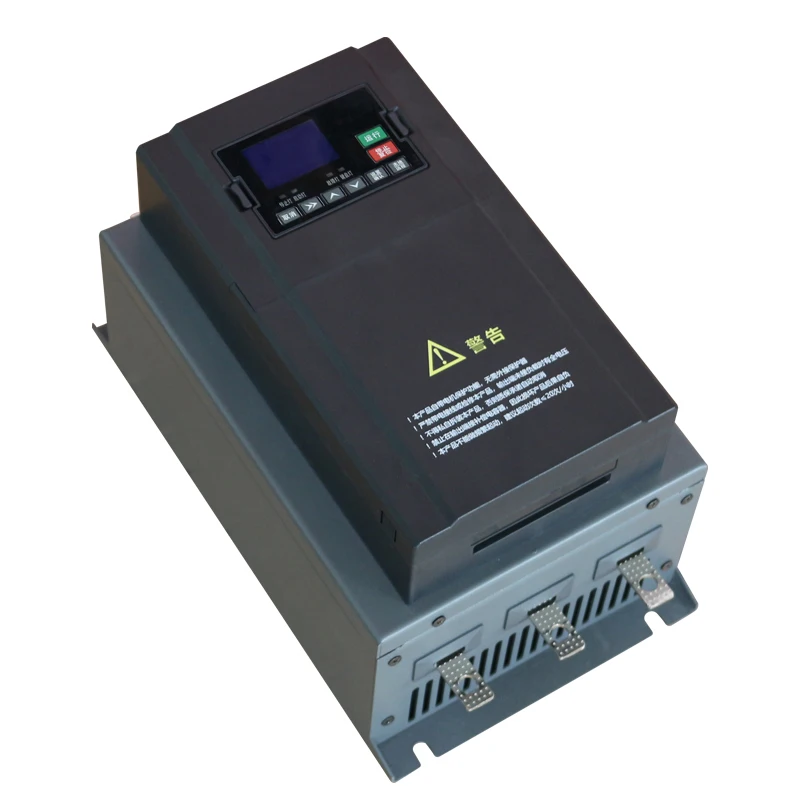
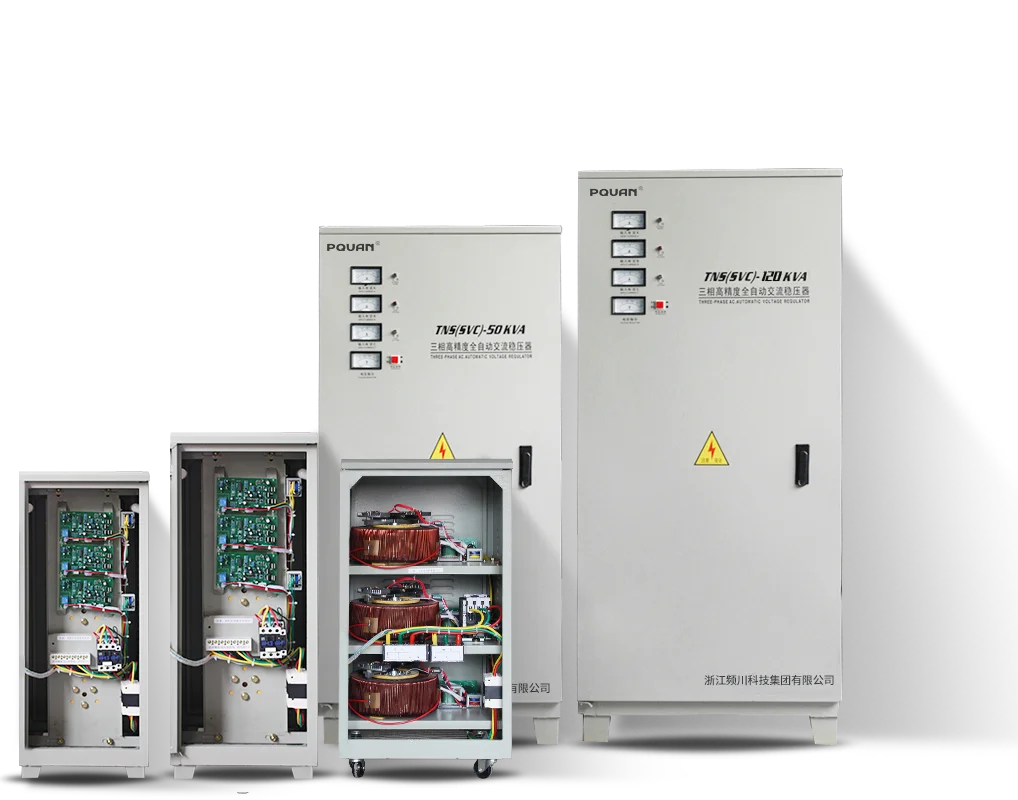
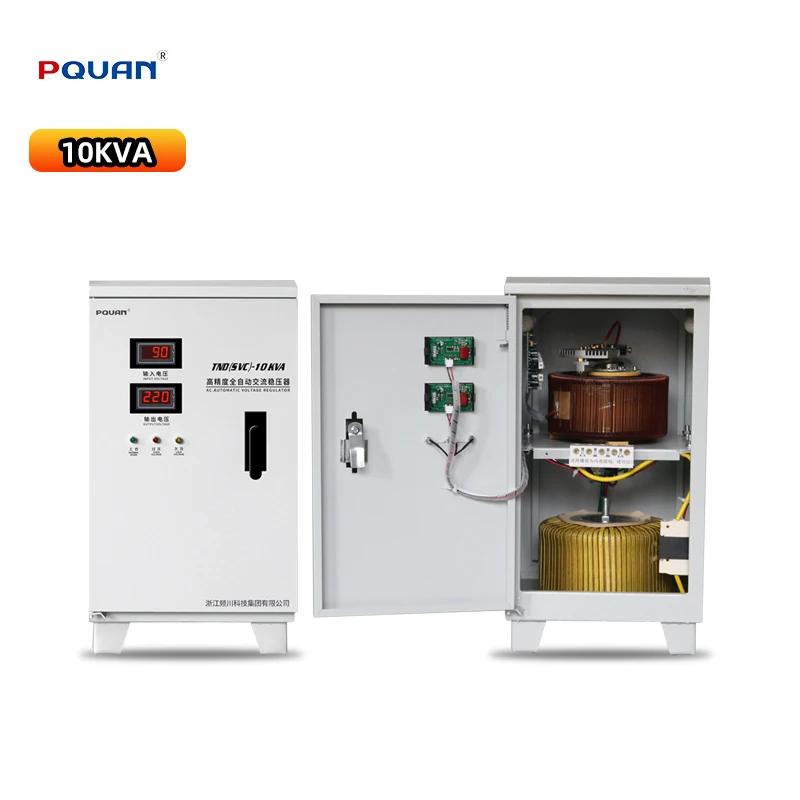
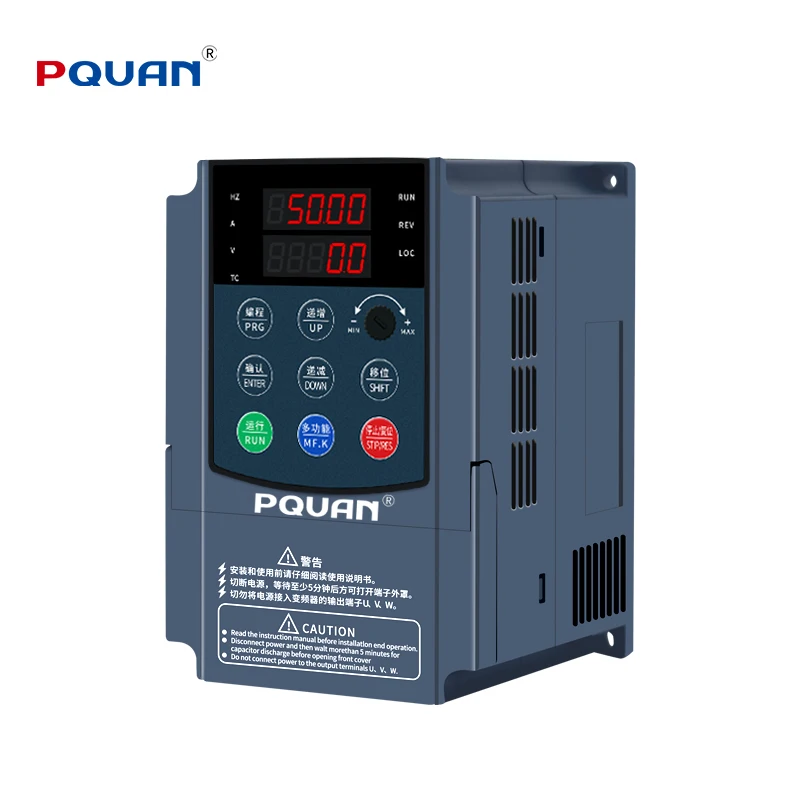
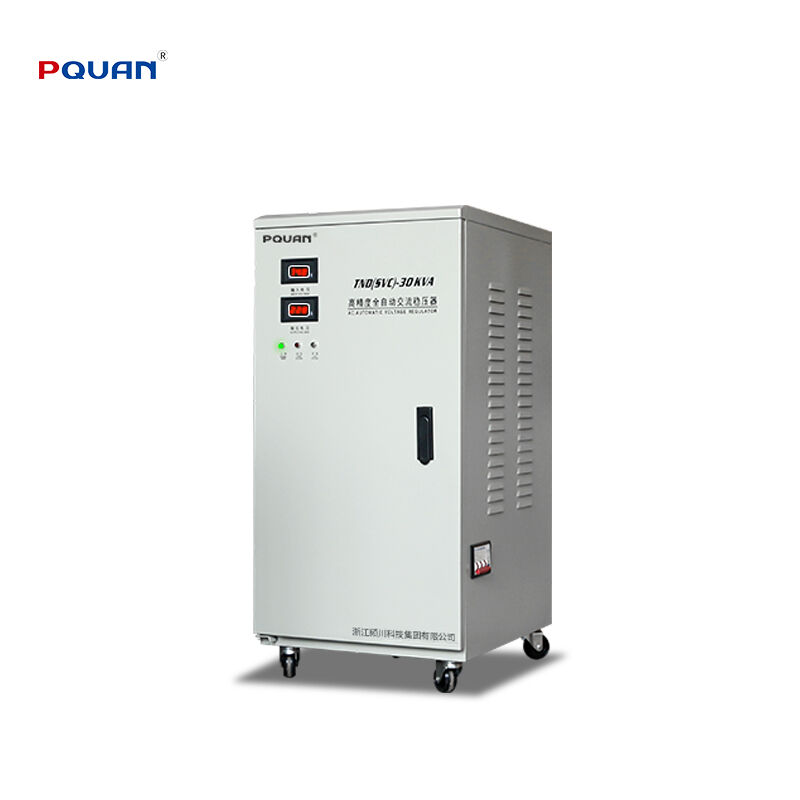
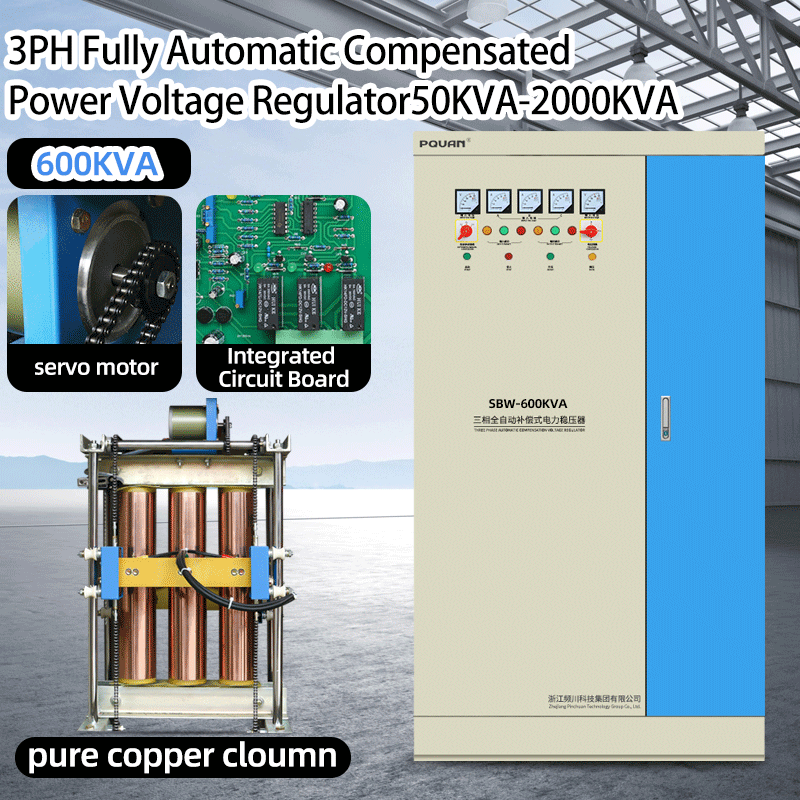
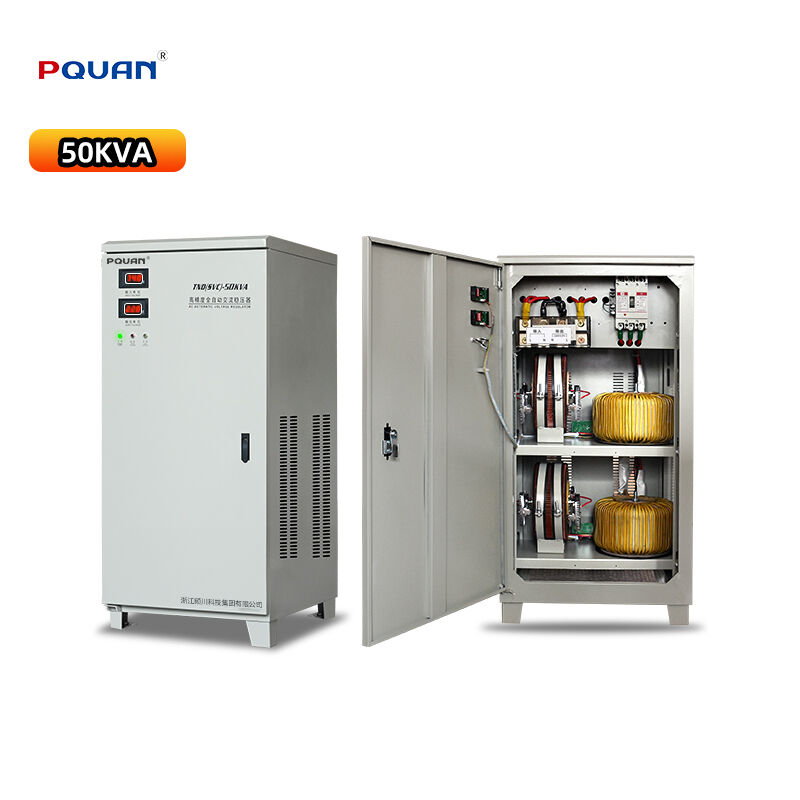
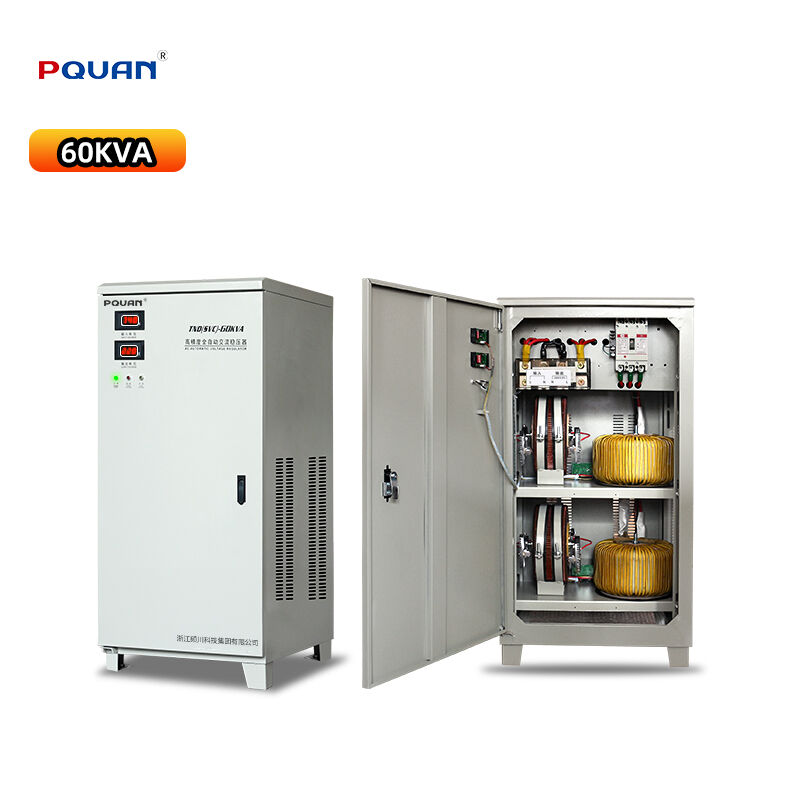
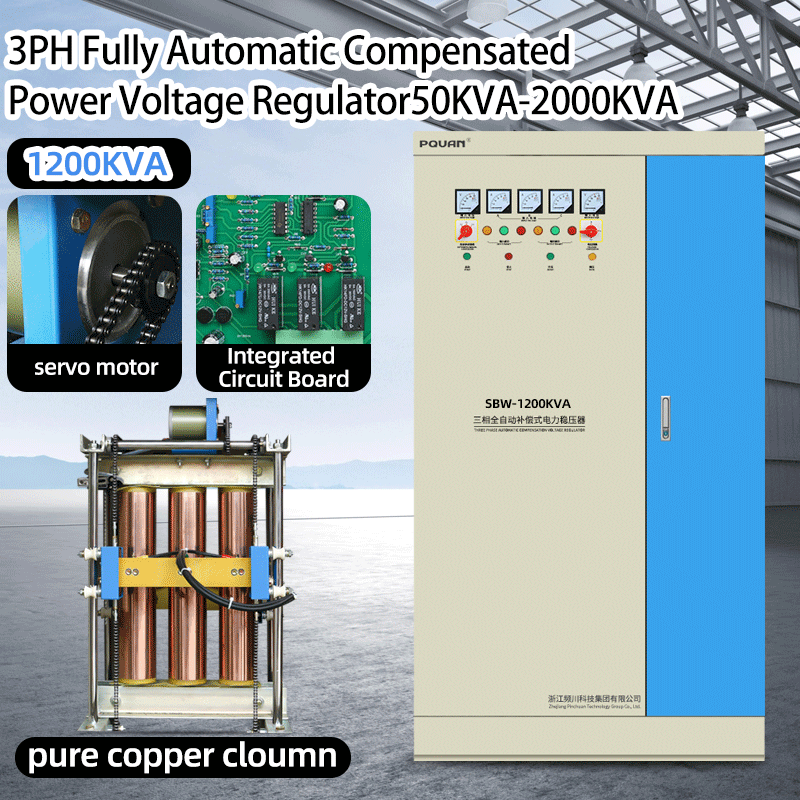
The defining characteristic of a custom voltage stabilizer is its precision engineering approach that addresses your unique power challenges. Rather than forcing your application to adapt to a standard product, customization ensures the solution fits your needs perfectly. This process begins with comprehensive site analysis where electrical engineers examine your power infrastructure, measuring voltage fluctuation patterns throughout different times of day and operational cycles. They identify the minimum and maximum input voltages your facility experiences, noting any spikes, sags, or transient events that could threaten equipment. Load analysis determines the total power consumption, inrush current requirements, and whether loads are resistive, inductive, or capacitive in nature. Environmental factors such as temperature extremes, humidity, dust, and vibration levels influence design decisions regarding enclosure specifications and component selection. Engineers then design a custom voltage stabilizer with transformer capacity, servo motor speed, and control system sensitivity optimized for these specific conditions. The voltage regulation range is set to handle your worst-case input scenarios while delivering the precise output voltage your equipment demands. If your application requires multiple voltage outputs or phased power, the design accommodates these requirements seamlessly. Harmonic distortion, a common problem with certain loads, can be addressed through integrated filtering designed into your custom voltage stabilizer. The physical configuration considers your available space, whether floor-mounted, wall-mounted, or rack-mounted installation works best for your facility. Cooling systems are sized appropriately, with options ranging from natural convection to forced air or even liquid cooling for high-capacity installations. Control interfaces are customized to your preferences, from simple analog displays to sophisticated touchscreen panels with data logging capabilities. Remote monitoring integration allows connection to your existing building management systems or provides standalone cloud-based access. Protection features are selected based on your risk profile, including surge suppression, isolation transformers, and automatic bypass circuits. The materials and construction methods are chosen to ensure longevity in your specific environment, whether that means corrosion-resistant coatings for coastal locations or reinforced enclosures for industrial settings. This level of customization ensures maximum return on investment, as every component and feature serves a purpose specific to your application, eliminating wasted capacity or missing capabilities that plague off-the-shelf solutions.
 EN
EN