Advanced Motor Protection and Extended Equipment Lifespan
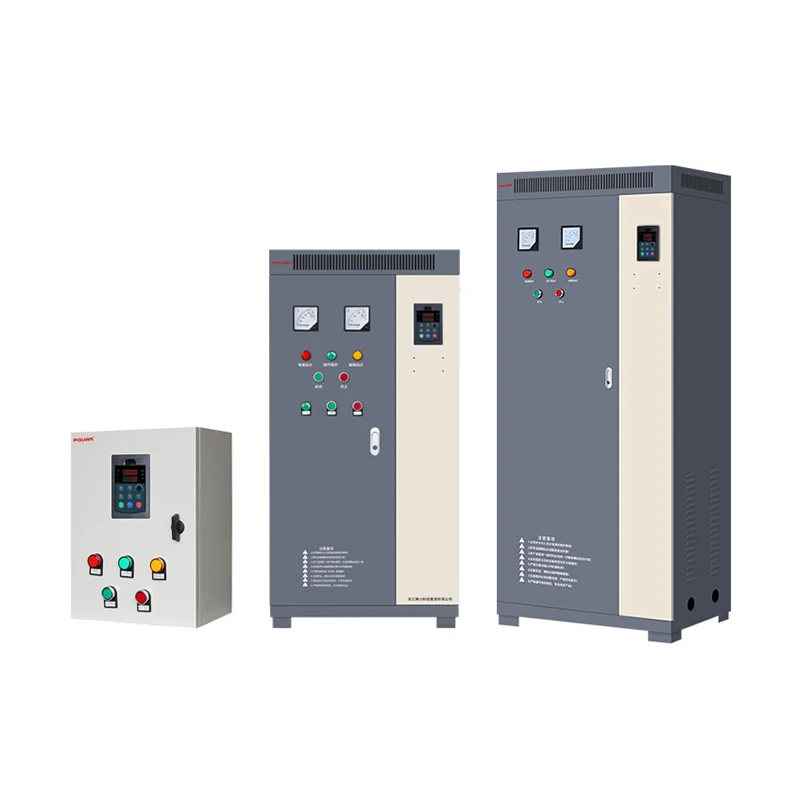
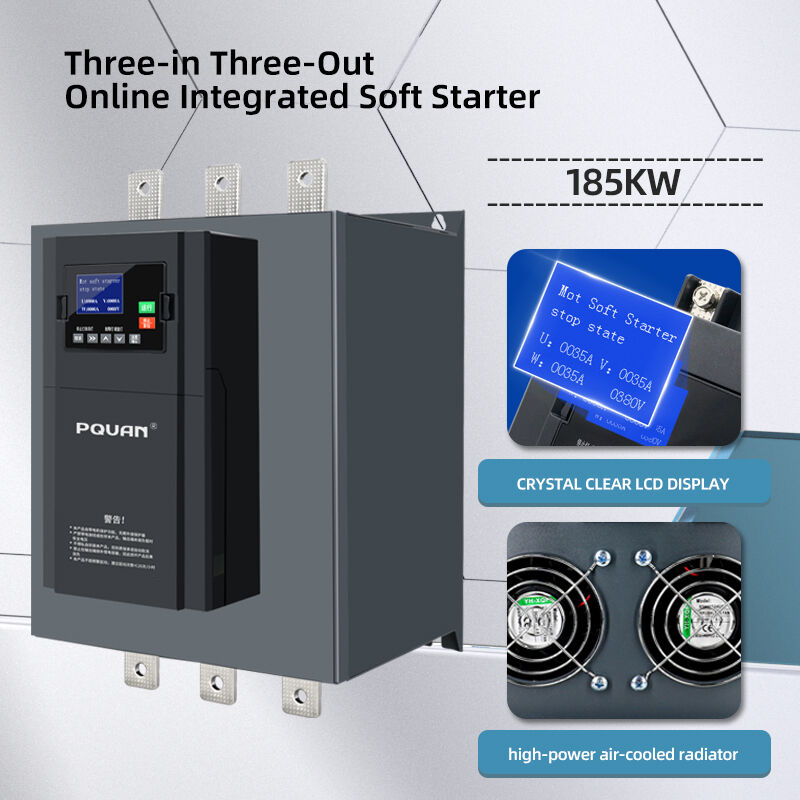
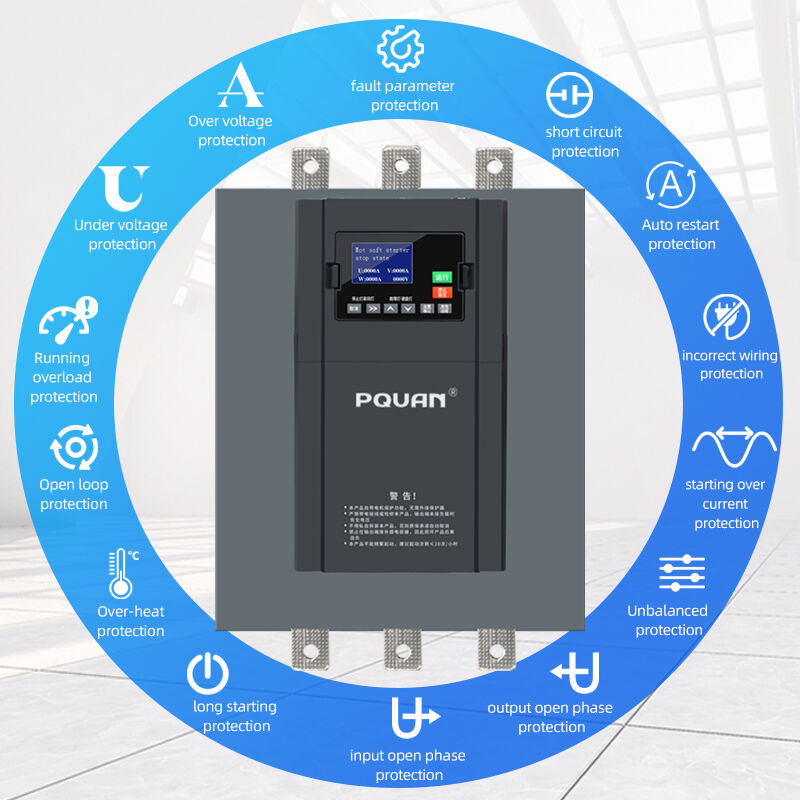
The protective capabilities of a marine soft starter fundamentally transform how your vessel's electrical motors and mechanical systems perform throughout their service life. When motors start conventionally, they experience instantaneous current surges that generate enormous electromagnetic forces within the windings, creating mechanical stresses that slowly degrade insulation and structural integrity. Each hard start slightly loosens windings, cracks insulation, and stresses bearings, accumulating damage that eventually leads to premature failure requiring expensive repairs or complete motor replacement. The marine soft starter prevents this destructive cycle by implementing precise voltage control that brings motors up to speed gradually, typically over a period ranging from a few seconds to half a minute depending on the application requirements. This gentle acceleration means electromagnetic forces build progressively rather than shocking the system, eliminating the primary cause of motor degradation. The benefits extend far beyond the motor itself to encompass all connected mechanical equipment including gearboxes, couplings, belts, chains, and driven machinery. Sudden starting torque can strip gears, break shafts, snap belts, and damage pump impellers or compressor components, whereas smooth acceleration preserves these expensive parts. Marine environments present unique challenges including constant vibration, corrosive salt air, temperature fluctuations, and humidity that already stress electrical components, making any additional abuse particularly damaging. By eliminating starting stress, the marine soft starter effectively doubles or triples typical motor lifespan, representing enormous cost savings when you consider that replacing a large marine motor involves not just the equipment cost but also dry-dock time, labor expenses, and lost operational revenue. The built-in monitoring functions continuously track motor performance parameters including current levels, operating temperature, starting time, and fault conditions, creating a comprehensive health record that maintenance teams use to predict when service becomes necessary. This predictive approach replaces reactive maintenance where you only address problems after failures occur, shifting to a proactive strategy that schedules service during convenient opportunities. The protection features include overload detection, phase imbalance monitoring, short circuit protection, and thermal management, creating multiple safety layers that prevent damage from electrical faults or abnormal operating conditions, further extending equipment life while protecting your investment.
 EN
EN