מתחיל רך ימי
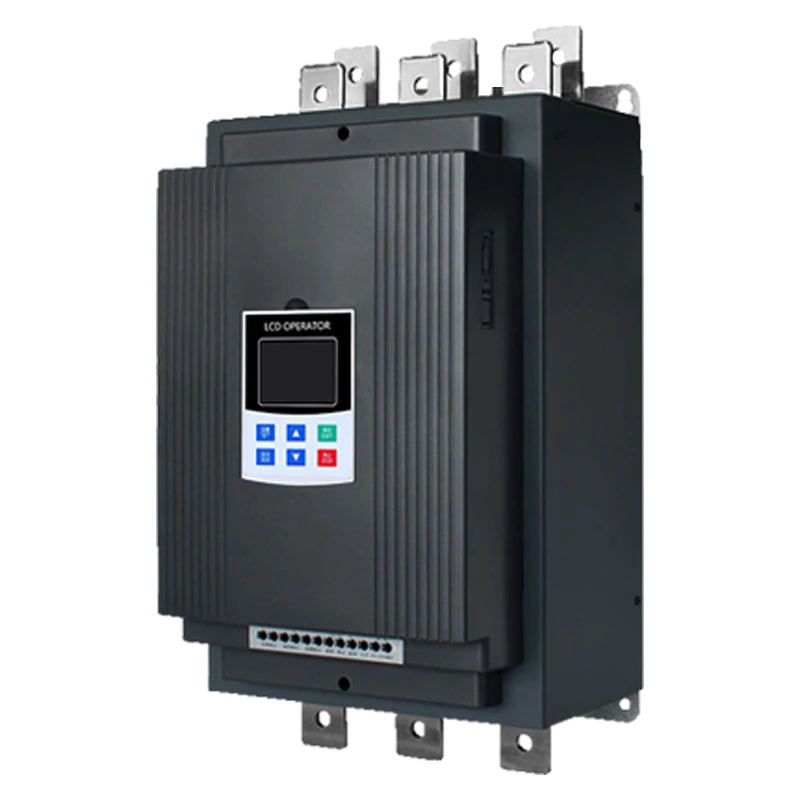
המתחיל הרך לים מייצג התקדמות קריטית במערכות הבקרה החשמלית הימיות, שתוכננה במיוחד לניהול ההפעלה והעצירה של מנועים חשמליים גדולים על ספינות ופלטפורמות ימיות. מכשיר מתקדם זה מבקר את התאוצה של מנועי זרם חילופין על ידי הגדלת מתח וזרם באופן הדרגתי, ובכך מונע את המתחים המכניים והחשמליים הקשיחים הקשורים בשיטות ההפעלה הישירה (Direct-On-Line). המתחילים הרכים הימיים מעוצבים כדי לסבול את התנאים הקשים של הסביבה הימית, כולל ריסוס מלח, לחות, תנודות טמפרטורה ורטט מתמיד. הפונקציות העיקריות של המתחיל הרך הימי כוללות: תאוצה מבוקרת של המנוע, הפחתת מומנט ההפעלה, הגבלת זרם ההפעלה הראשוני (inrush current), והגנה מפני נזק למנוע. מכשירים אלו כוללים מערכות בקרה מתקדמות מבוססות מיקרו-מעבדים שמביאות בחשבון באופן רציף את פרמטרי המנוע, ומבטיחות ביצוע אופטימלי תוך הגנה על ציוד יקר ערך. התכונות הטכנולוגיות של המתחילים הרכים הימיים כוללות: אלקטרוניקה כוח מבוססת תיריסטורים, פרופילים ניתנים לתכנות להפעלה, פונקציות הגנה מקיפות, ואפשרויות ניטור מרחוק. היחידות הללו מסוגלות להתמודד עם מנועים החל ממערכות עזר קטנות ועד למנועי דחיפה גדולים, וכוללות בדרך כלל דירוגי הספק בין 5 קילוואט לכמה מגהוואט. המתחיל הרך הימי מתמזג ללא בעיה למערכות האוטומציה של הספינה, ומספק נתונים קריטיים על ביצועי המנוע והסטטוס הפעולי שלו. היישומים משתרעים על פני סוגי ספינות שונים, ביניהם ספינות מטען, טנקרים, אוניות סיור, אוניות צבאיות ופלטפורמות חלול ימיות. השימושים הנפוצים כוללים הפעלת מנועי הדחיפה העיקריים, מנועי משיכה קדמית (bow thrusters), גלגלות, משאבות, מדחסים ומערכות אוורור. הבנייה החזקה של המתחילים הרכים הימיים מבטיחה פעילות אמינה בתנאים ימיים מאתגרים, תוך התאמה לתקנים בינלאומיים לבטיחות ימית ולדרישות של גופי הסיווג.

 EN
EN