Improved Power Quality and Protection of Sensitive Equipment
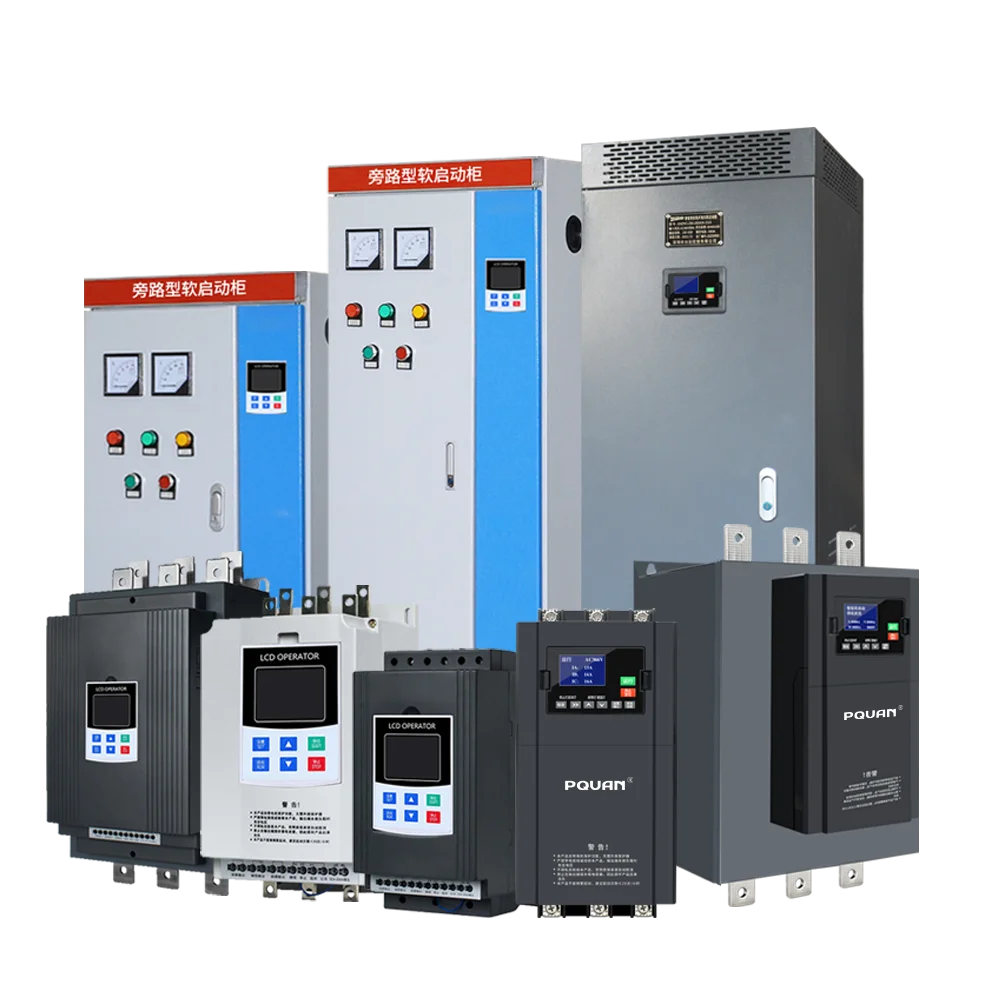
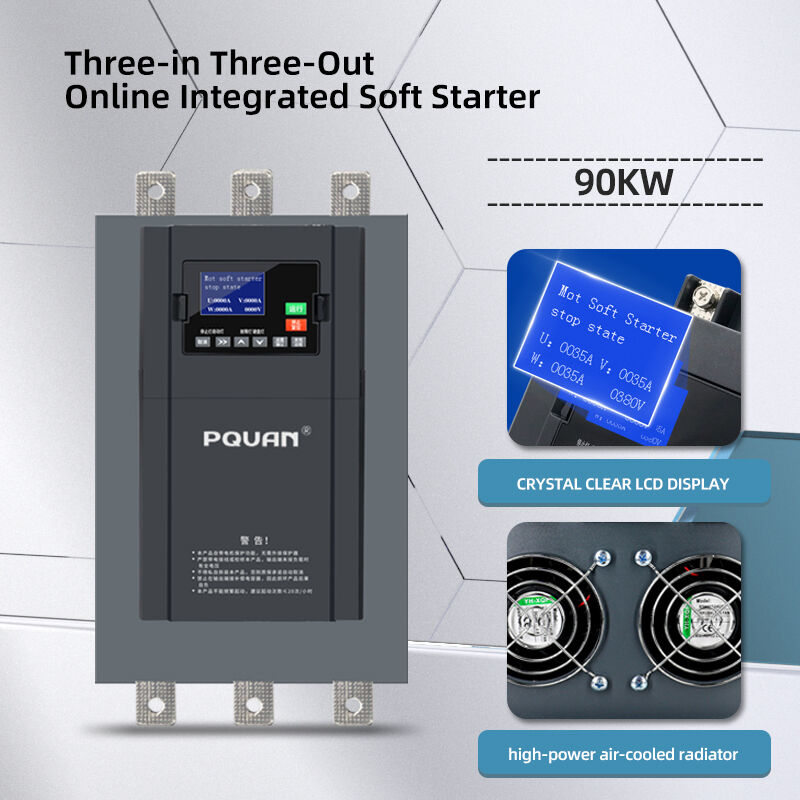
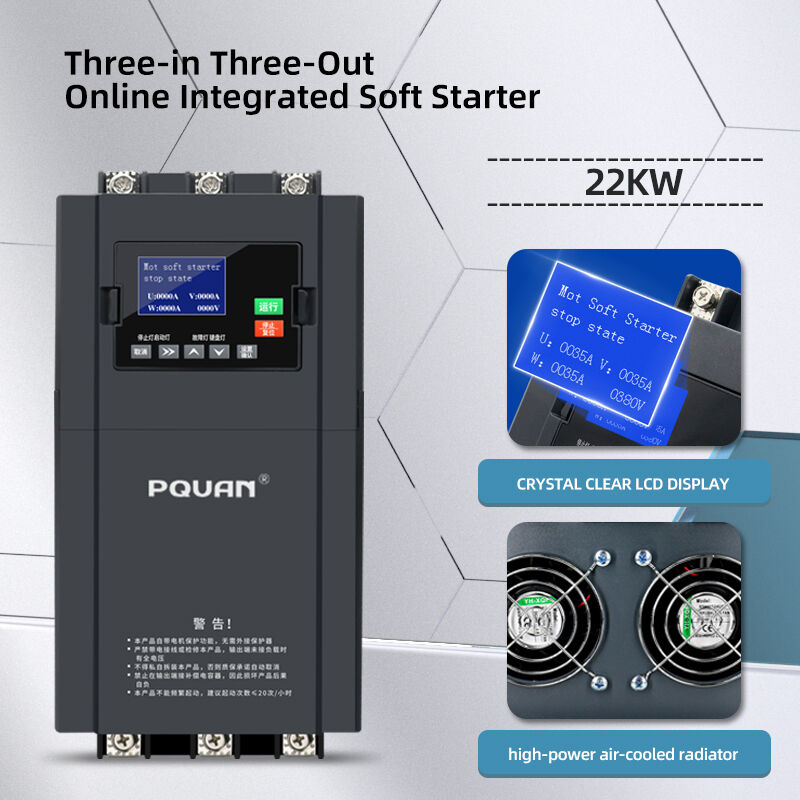
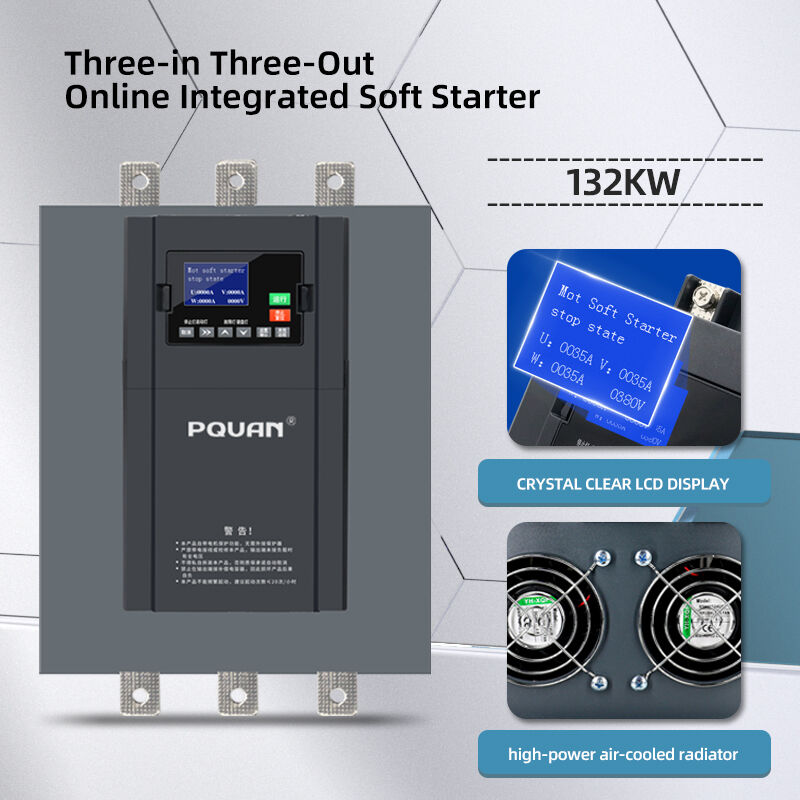
Modern facilities house increasingly sensitive electronic equipment that demands stable, high-quality electrical power to function reliably, making the power quality improvements delivered by chiller soft starter technology critically important for protecting valuable assets and maintaining continuous operations. When large chiller motors start conventionally, the massive inrush current they draw creates voltage depression throughout connected electrical distribution systems, with voltage levels potentially dropping 10 to 20 percent for several seconds until the motor reaches operating speed. These voltage sags propagate through transformers and distribution panels, affecting all equipment sharing the same electrical service and creating operational problems for sensitive loads including computer systems, medical diagnostic equipment, laboratory instruments, process controllers, and telecommunications infrastructure. Variable frequency drives controlling other equipment may fault and shut down in response to severe voltage depression, while computer power supplies may reset or experience data corruption when input voltage falls below acceptable thresholds. The electromagnetic interference generated during hard starting events creates additional power quality problems, injecting high-frequency noise into electrical distribution systems that can disrupt sensitive electronic circuits and communication networks. A chiller soft starter prevents these power quality issues by controlling the rate of current increase during motor acceleration, maintaining voltage levels within acceptable tolerances throughout the starting sequence and eliminating the sharp current transients that generate electromagnetic interference. Facility electrical systems remain stable during chiller startups, allowing sensitive equipment to continue operating normally without interruption or performance degradation. This protection proves particularly valuable in mission-critical environments including hospitals where medical equipment failures can compromise patient care, data centers where server disruptions cause service outages and revenue losses, research facilities where experimental processes require uninterrupted power, and manufacturing operations where production equipment shutdowns result in scrapped materials and missed delivery schedules. The chiller soft starter also protects upstream electrical infrastructure from damage caused by repeated high-current starting events. Transformers experience reduced thermal stress and insulation degradation when starting currents remain controlled, extending transformer service life and reducing the risk of catastrophic failures. Circuit breakers and contactors endure less contact erosion and mechanical wear when switching controlled currents rather than massive inrush levels, improving reliability and reducing replacement frequency. These infrastructure protection benefits accumulate over decades of operation, preserving valuable electrical assets while maintaining system reliability.
 EN
EN