Low Voltage Soft Starter Solutions: Advanced Motor Control for Industrial Applications

All Categories
Get a Quote
%}

Get a Free Quote

Our representative will contact you soon.
Email
Mobile/WhatsApp
Name
Message
0/1000

low voltage soft starter

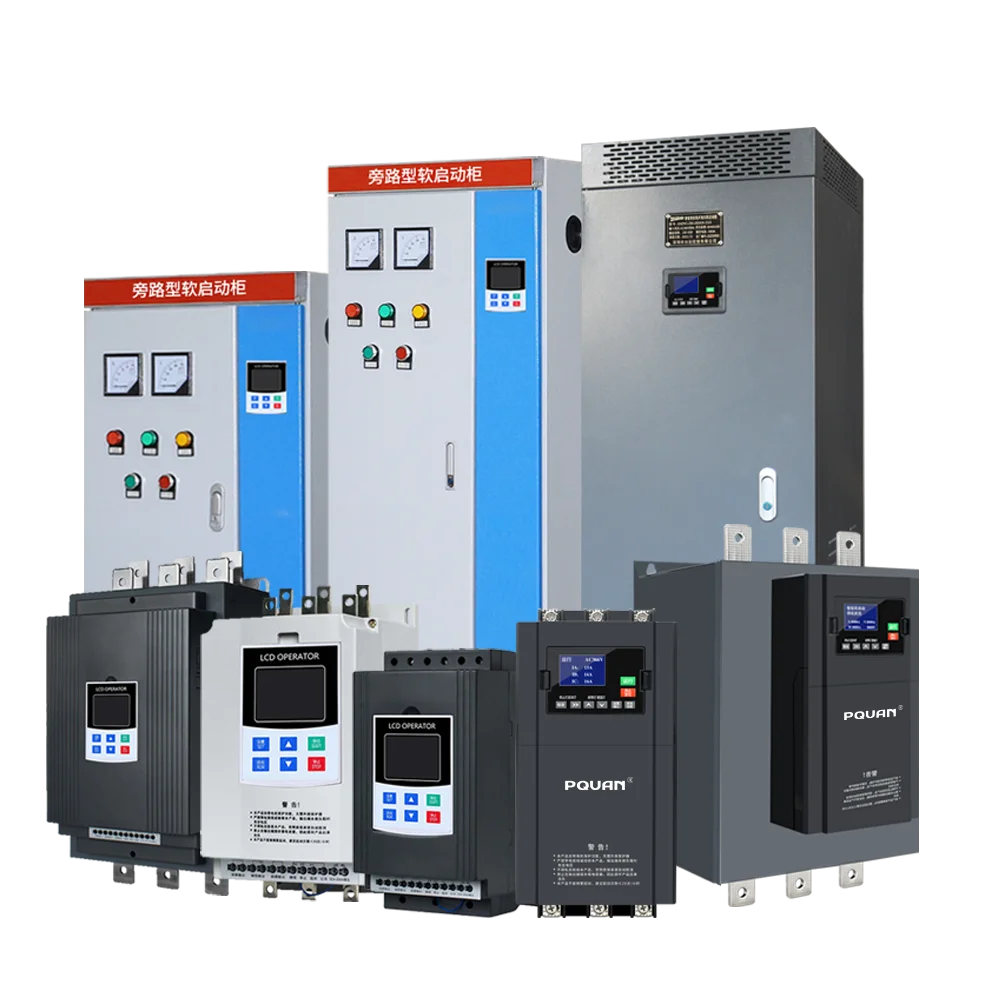
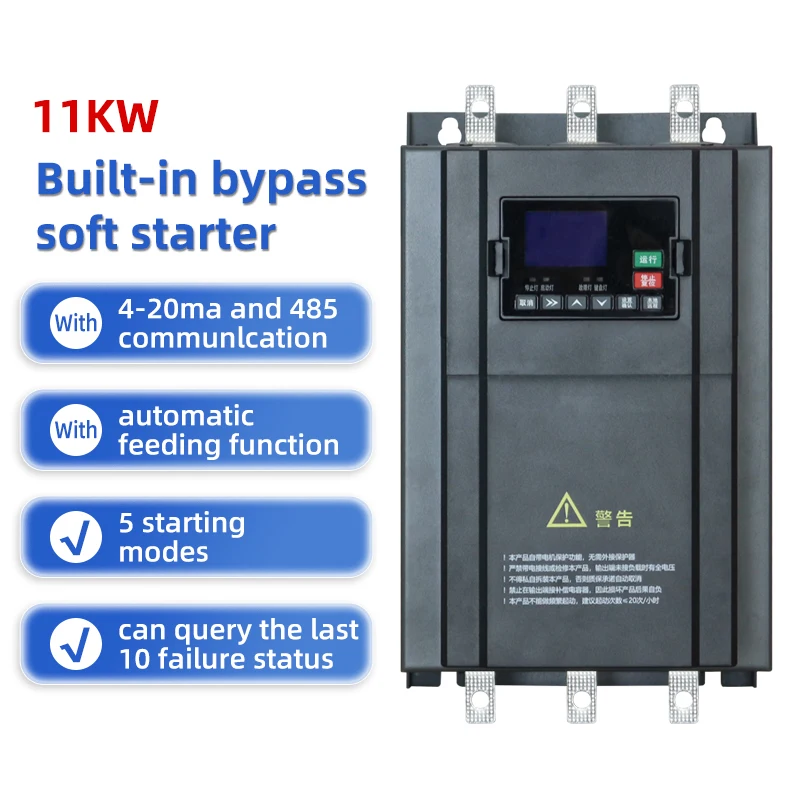
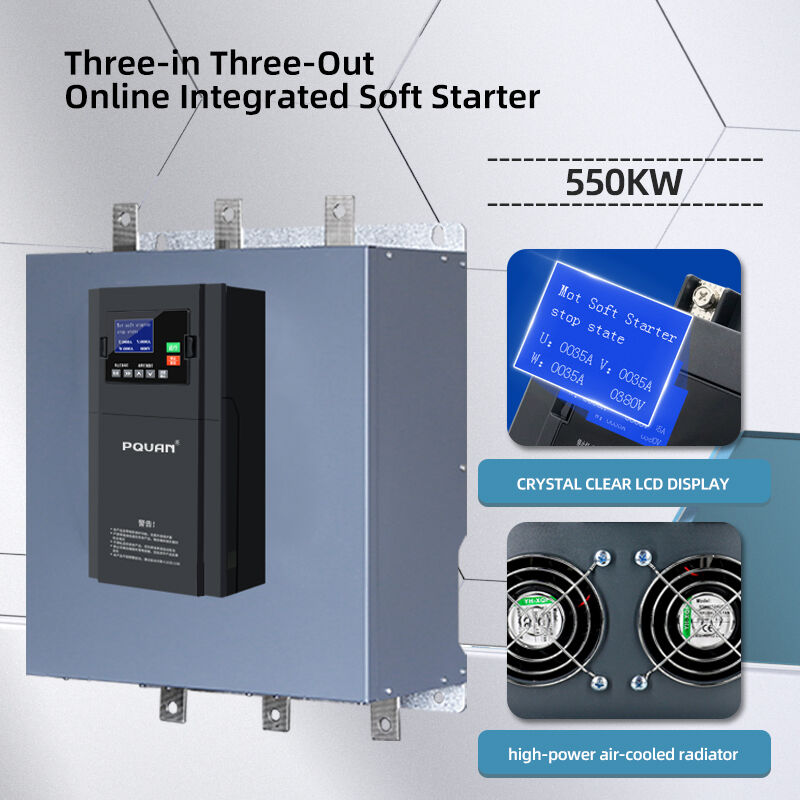
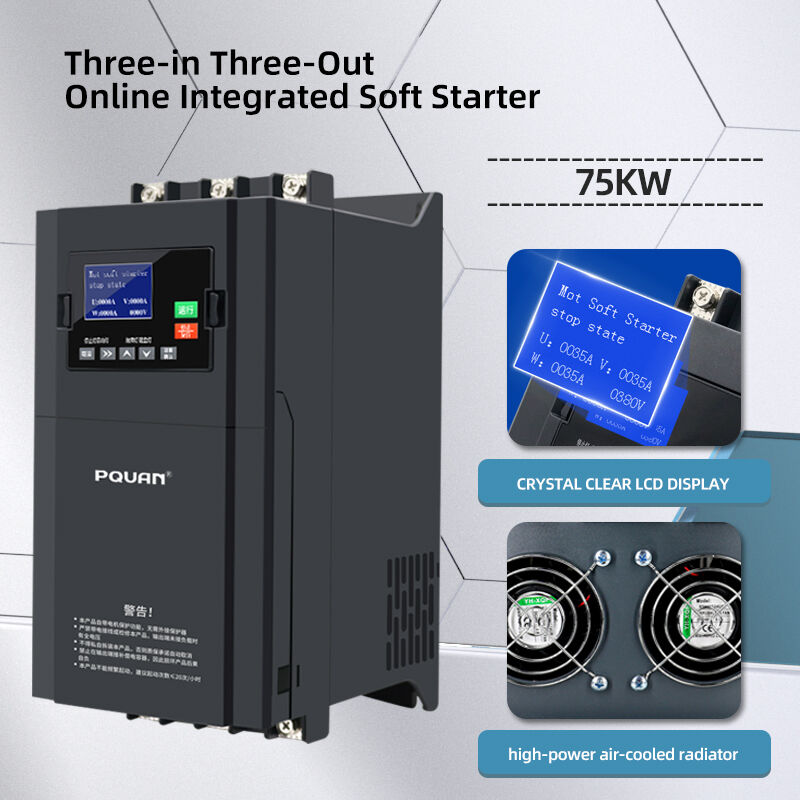
A low voltage soft starter represents an advanced motor control solution designed to manage the starting and stopping sequences of electric motors operating below 1000 volts. This sophisticated device addresses one of the most challenging aspects of industrial motor operation: the sudden surge of electrical current that occurs during direct-on-line starting. When motors start conventionally, they can draw up to seven times their rated current, creating mechanical stress on connected equipment and causing voltage dips throughout the electrical system. The low voltage soft starter eliminates these problems by gradually ramping up voltage supplied to the motor, ensuring smooth acceleration from standstill to full operating speed. The technology operates through solid-state components, primarily silicon-controlled rectifiers or thyristors, which precisely control the voltage applied to motor windings during the starting phase. Modern low voltage soft starter units incorporate microprocessor-based control systems that allow users to customize acceleration profiles, set current limits, and program deceleration patterns according to specific application requirements. These devices find extensive use across manufacturing facilities, water treatment plants, HVAC systems, conveyor operations, and pump stations where controlled motor starting proves essential. The low voltage soft starter protects mechanical components from shock loads while extending equipment lifespan through reduced wear and tear. Beyond motor protection, these starters contribute to energy efficiency by optimizing power consumption during motor operation cycles. Installation flexibility represents another key characteristic, as low voltage soft starter units accommodate various motor types including squirrel cage induction motors in ratings from fractional horsepower to several hundred kilowatts. The compact design of modern low voltage soft starter equipment simplifies integration into existing control panels and motor control centers, making retrofitting straightforward for facilities seeking to upgrade legacy systems.

New Product Recommendations

Implementing a low voltage soft starter delivers measurable benefits that directly impact operational costs and equipment reliability. The primary advantage centers on dramatically reduced starting current, which typically decreases to 200-400 percent of rated motor current compared to 600-800 percent with direct starting methods. This reduction translates to lower demand charges on utility bills since peak power consumption decreases substantially. Facilities avoid costly electrical infrastructure upgrades because existing supply cables, transformers, and distribution equipment handle the gentler starting profile without requiring oversizing. Mechanical advantages prove equally significant as the low voltage soft starter eliminates the jarring mechanical shock that accompanies abrupt motor starting. Gearboxes, couplings, belts, chains, and driven equipment experience less stress, reducing maintenance requirements and extending service intervals. Production managers appreciate fewer unplanned shutdowns since mechanical failures decrease when equipment operates under controlled acceleration conditions. The smooth starting characteristic of a low voltage soft starter also benefits the process itself in applications like conveyor systems where sudden starts could damage products or cause spillage. Water hammer effects in pumping systems virtually disappear when motors accelerate gradually, protecting piping systems and valve assemblies from pressure surges that lead to leaks and failures. Voltage stability throughout the electrical network improves significantly because the low voltage soft starter prevents the voltage dips that affect sensitive electronic equipment, computers, and other motors operating simultaneously. This advantage becomes critical in facilities where lighting flicker or equipment resets create safety concerns or interrupt production. Energy savings accumulate over time as the low voltage soft starter optimizes motor operation, particularly in applications with frequent start-stop cycles. The adjustable acceleration and deceleration ramps allow operators to match motor behavior precisely to process requirements, eliminating wasted energy from overacceleration or excessive braking. Operational flexibility increases because a single low voltage soft starter model often handles a range of motor sizes through parameter adjustment rather than requiring exact matching. This versatility simplifies spare parts inventory and reduces procurement complexity. The diagnostic capabilities built into modern low voltage soft starter units provide real-time monitoring of motor current, voltage, temperature, and operating hours, enabling predictive maintenance strategies that prevent failures before they occur. These intelligent features connect seamlessly with plant automation systems through standard industrial protocols, allowing centralized control and data collection that supports continuous improvement initiatives.

Tips And Tricks

Automatic Voltage Regulator (AVR): How It Ensures Stable Electrical Supply

05

Mar

Automatic Voltage Regulator (AVR): How It Ensures Stable Electrical Supply

In today’s highly industrialized and digitized world, the stability of electrical power is paramount. Industrial manufacturing plants, data centers, healthcare facilities, and laboratories all rely on a continuous flow of clean, predictable ele...
View More
What Size Automatic Voltage Regulator Do You Need for Your Equipment?

12

Mar

What Size Automatic Voltage Regulator Do You Need for Your Equipment?

Choosing the wrong size automatic voltage regulator is one of the most common — and costly — mistakes in power protection planning. An undersized unit will overload under normal operating conditions, while an oversized one wastes capital ...
View More
VFD Drive Troubleshooting: Common Issues and Quick Fixes

13

May

VFD Drive Troubleshooting: Common Issues and Quick Fixes

Variable Frequency Drives (VFDs) are the unsung heroes of modern industrial automation. By controlling the speed and torque of AC motors, a VFD drive optimizes energy consumption, reduces mechanical wear, and enhances process control across various...
View More
Frequency Inverter: How It Works to Control Motor Speed and Energy Use

29

Jun

Frequency Inverter: How It Works to Control Motor Speed and Energy Use

A frequency inverter is one of the most important pieces of power control technology in modern industrial operations. Whether you are running a conveyor system, a pump, a compressor, or a fan, the ability to precisely regulate motor speed directly de...
View More

Get a Free Quote

Our representative will contact you soon.
Email
Mobile/WhatsApp
Name
Message
0/1000

low voltage soft starter

Comprehensive Motor Protection That Prevents Costly Downtime

Comprehensive Motor Protection That Prevents Costly Downtime

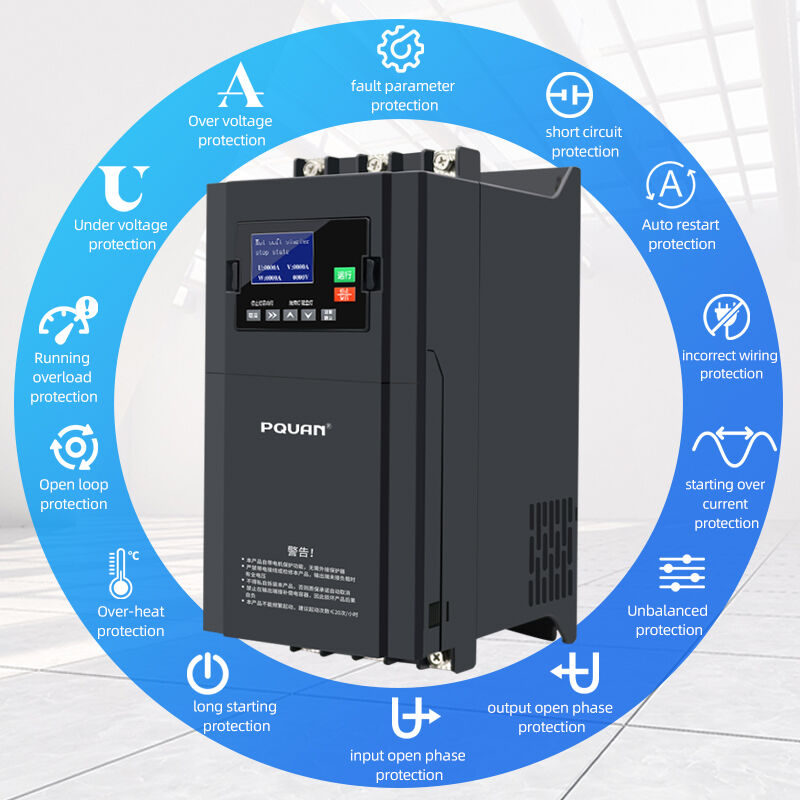
The protective functions integrated within a low voltage soft starter create multiple layers of defense that safeguard valuable motor assets and connected equipment from damage. Thermal overload protection continuously monitors motor current and calculates heat accumulation in motor windings, preventing burnout from sustained overload conditions that exceed motor nameplate ratings. Unlike traditional thermal relays that respond slowly to changing conditions, the microprocessor-based protection in a low voltage soft starter reacts instantaneously to dangerous current levels while accounting for ambient temperature variations and duty cycle patterns. Phase loss protection detects when one supply phase fails and immediately disconnects the motor before single-phasing conditions destroy windings through overheating. This feature proves particularly valuable in facilities with unreliable power supply or aging electrical infrastructure where phase imbalances occur frequently. Undervoltage and overvoltage protection circuits within the low voltage soft starter monitor supply quality and prevent motor operation when voltage deviates beyond safe parameters, protecting against insulation breakdown and premature aging. Ground fault protection identifies current leakage paths that indicate insulation deterioration, allowing maintenance intervention before catastrophic failures occur. The current limiting function of a low voltage soft starter provides another critical protective element by capping inrush current at user-defined levels, ensuring motors never experience destructive current surges regardless of load conditions or supply voltage fluctuations. Stall protection detects when motors fail to accelerate within expected timeframes, indicating mechanical problems like seized bearings or jammed loads, and safely disconnects power before windings overheat. The programmable acceleration time adjustment available in a low voltage soft starter allows optimization for specific load characteristics, preventing both excessively rapid starts that stress mechanics and overly slow starts that cause excessive heating. Deceleration control provides gentle stopping that eliminates reverse torque and mechanical shock while preventing water hammer in fluid systems. These comprehensive protective features work synergistically to maximize equipment uptime and return on investment by preventing the failures that lead to emergency repairs, production interruptions, and safety incidents.
Seamless Integration With Modern Automation and Control Systems

Seamless Integration With Modern Automation and Control Systems

Today's low voltage soft starter technology embraces connectivity and integration capabilities that align perfectly with Industry 4.0 initiatives and smart manufacturing strategies. Communication protocols including Modbus RTU, Modbus TCP, Profibus, DeviceNet, EtherNet/IP, and Profinet come standard or optional on modern low voltage soft starter models, enabling seamless data exchange with programmable logic controllers, supervisory control and data acquisition systems, and manufacturing execution systems. This connectivity transforms the low voltage soft starter from a simple motor controller into an intelligent network node that contributes valuable operational data to plant-wide monitoring and optimization efforts. Real-time parameters like motor current, power consumption, operating hours, start counts, and fault histories flow continuously to central databases where analytics software identifies trends, predicts maintenance needs, and optimizes energy usage across multiple motors simultaneously. Remote monitoring capabilities allow maintenance personnel to check low voltage soft starter status from anywhere using smartphones or tablets, reducing the need for physical inspections and enabling faster response when issues arise. The ability to adjust parameters remotely through communication networks means a single technician can optimize multiple low voltage soft starter installations across large facilities without walking to each location, saving time and improving consistency. Alarm notifications generated by the low voltage soft starter can trigger automated responses in control systems, such as starting backup equipment when primary motors fail or adjusting production schedules when maintenance becomes necessary. The diagnostic information provided by a low voltage soft starter supports condition-based maintenance programs that replace reactive repair strategies with predictive approaches based on actual equipment condition rather than arbitrary time intervals. Energy management systems leverage data from low voltage soft starter units to track power consumption by individual motors, identifying inefficient equipment and quantifying savings from optimization efforts. Historical trending capabilities built into modern low voltage soft starter interfaces help engineers understand how motors perform under various conditions, supporting process improvements and capacity planning decisions. The standardized mounting dimensions and terminal layouts common across low voltage soft starter product lines simplify panel design and reduce engineering time for custom installations while maintaining flexibility for future expansions or modifications.

Reduced Total Cost of Ownership Through Efficiency and Longevity

Reduced Total Cost of Ownership Through Efficiency and Longevity

The financial advantages of deploying a low voltage soft starter extend far beyond the initial purchase price, encompassing reduced operating expenses, lower maintenance costs, and extended equipment lifespan that combine to deliver superior total cost of ownership compared to alternative starting methods. Energy consumption decreases measurably when a low voltage soft starter controls motor operation because the optimized starting profile eliminates the inefficiency inherent in across-the-line starting where excessive current flows without producing proportional mechanical work. In applications requiring frequent starts, such as compressors, pumps cycling on demand, or conveyors with intermittent operation, these efficiency gains accumulate quickly into substantial cost reductions. Utility demand charges drop significantly because the low voltage soft starter prevents the current spikes that establish peak demand levels on which many commercial and industrial electricity rates base monthly charges. Facilities often see demand charge reductions of 20-40 percent after installing low voltage soft starter equipment on their largest motors. The controlled acceleration provided by a low voltage soft starter directly extends mechanical component life by eliminating shock loads that cause premature wear in bearings, seals, gears, belts, and couplings. Maintenance records consistently show 30-50 percent longer service intervals for mechanical components when motors operate with soft starting compared to direct-on-line methods. Bearing manufacturers specifically recommend controlled starting to maximize bearing life, and coupling manufacturers design products with reduced safety factors when low voltage soft starter protection is present. The electrical components within motors also benefit from soft starting as reduced thermal cycling and lower peak currents minimize insulation degradation and contact wear. Motor rewinds become necessary less frequently, and motors often reach or exceed their design life of 20-25 years rather than requiring replacement after 10-15 years of hard starting service. The low voltage soft starter itself requires minimal maintenance since solid-state components have no wearing parts, unlike mechanical starters with contacts that pit and require periodic replacement. Cooling fan maintenance and occasional capacitor replacement represent the only regular service items for most low voltage soft starter installations. The diagnostic capabilities of modern low voltage soft starter units reduce troubleshooting time when problems occur, as detailed fault logs and real-time parameter displays help technicians quickly identify root causes rather than spending hours testing components. This diagnostic advantage translates directly to reduced downtime duration and lower labor costs for repairs. Insurance premiums may decrease when facilities implement comprehensive motor protection through low voltage soft starter technology, as insurers recognize the reduced risk of equipment damage and fire hazards associated with motor failures.
Low Voltage Soft Starter Solutions: Advanced Motor Control for Industrial Applications

Get a Free Quote

Our representative will contact you soon.
Email
Mobile/WhatsApp
Name
Message
0/1000