Electrical System Optimization and Energy Management
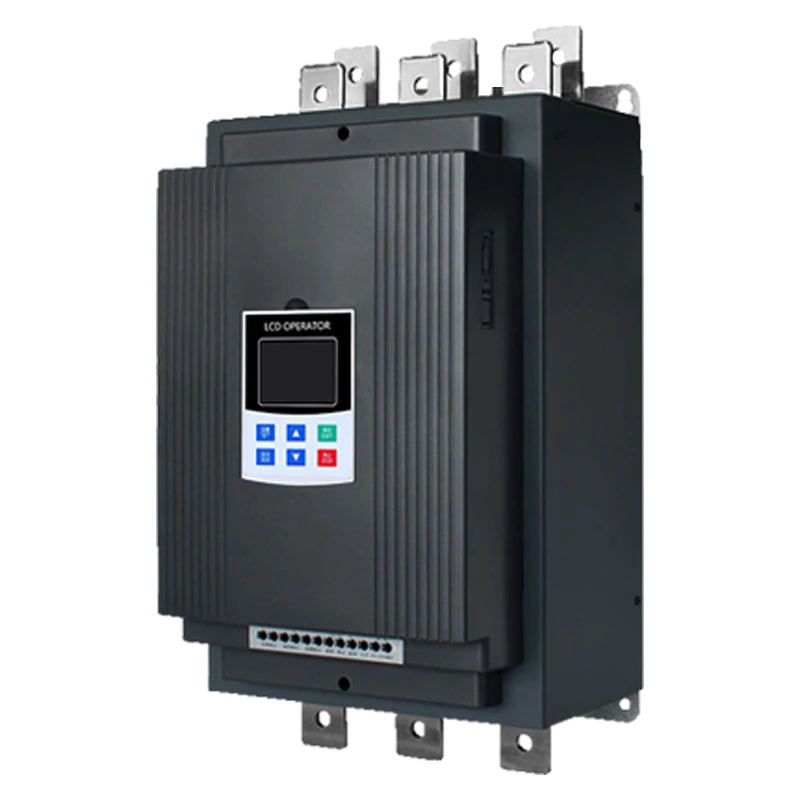
The soft starter OEM transforms electrical infrastructure performance by managing power consumption patterns and eliminating disruptive current surges that compromise system stability and inflate operational costs. When motors start using traditional methods, they draw enormous inrush currents that stress electrical distribution systems, trip protective devices, and cause voltage sags affecting equipment throughout your facility. These voltage dips interrupt sensitive electronic equipment, corrupt data in computer systems, and reduce lighting levels noticeably, creating operational disruptions that extend far beyond the motor itself. The soft starter OEM solves this challenge by limiting starting current to predetermined levels, typically between two hundred and four hundred percent of rated current, compared to the six hundred to eight hundred percent spikes from direct-on-line starting. This controlled approach maintains voltage stability across your entire electrical network, ensuring consistent power quality for all connected equipment. Utility demand charges, which often represent a significant portion of industrial electricity costs, decrease substantially because the soft starter OEM prevents the brief but extreme power spikes that establish monthly demand billing peaks. By spreading motor startup energy consumption over several seconds rather than fractions of a second, the device reduces the maximum demand recorded by utility meters, lowering your monthly energy bills without compromising production capability. Power factor management improves during the startup sequence as the soft starter OEM prevents the reactive power surges associated with conventional starting, reducing penalties from utilities and improving overall electrical efficiency. The energy optimization extends beyond startup into normal operation, as some soft starter OEM models include energy saving modes that reduce voltage to motors operating at partial load, decreasing energy consumption by ten to thirty percent during light load conditions. Generator-powered facilities benefit tremendously from soft starter OEM technology, as the controlled starting prevents the overload conditions that cause generators to stall or trip offline. This capability proves essential in remote locations, backup power applications, and mobile equipment where generator capacity limitations restrict the size of motors that can start simultaneously. Electrical component longevity increases throughout your facility since reduced current surges minimize stress on circuit breakers, contactors, cables, and transformers, extending their service life and reducing replacement frequency. The cumulative electrical benefits create a compelling financial case, with typical payback periods ranging from six months to two years depending on motor size, duty cycle, and local utility rate structures.
 EN
EN