Medical Facility Operational Efficiency Enhancement
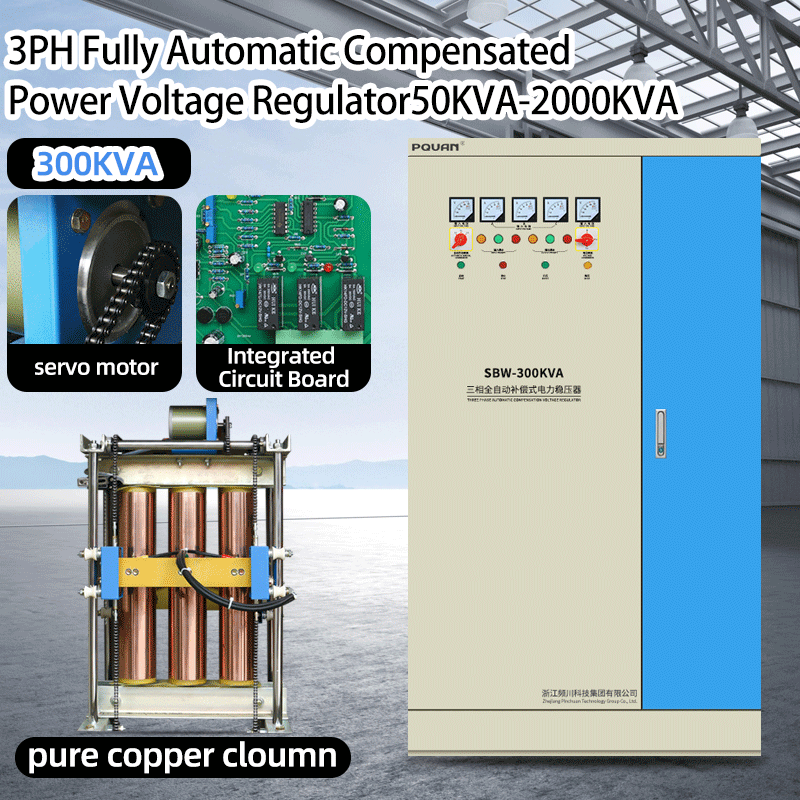
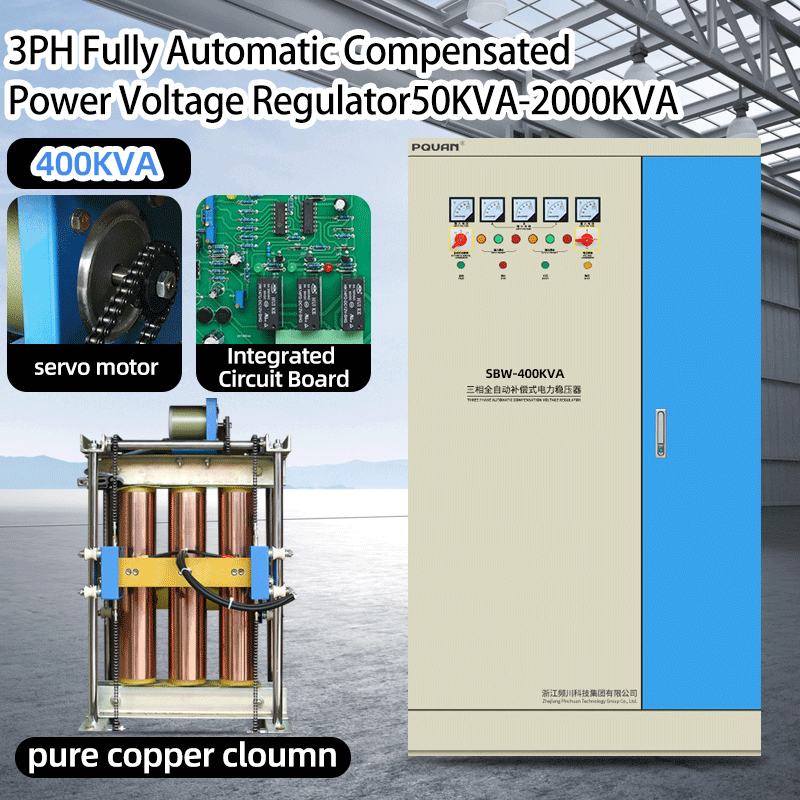
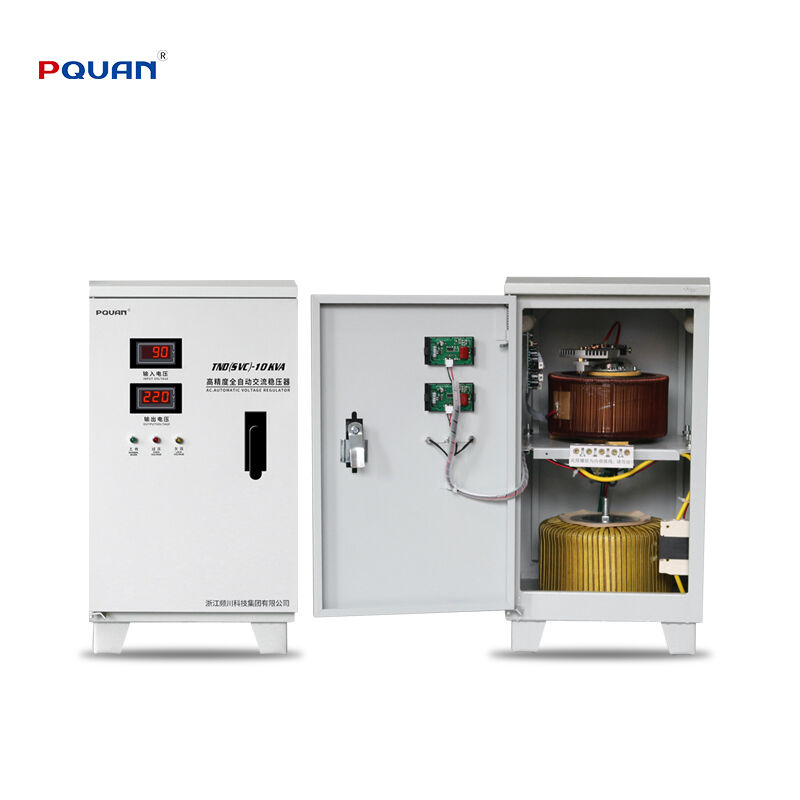
The voltage stabilizer for medical equipment delivers transformative operational efficiency improvements that extend far beyond simple power conditioning, fundamentally enhancing how healthcare facilities manage their equipment infrastructure, reduce operational costs, and maximize equipment availability for patient care. By providing perfectly stable electrical power to medical devices, these stabilizers eliminate the primary cause of nuisance faults, unexpected shutdowns, and intermittent performance issues that consume valuable biomedical engineering staff time and disrupt clinical workflows. Healthcare facilities report that after installing voltage stabilizers for medical equipment, service call frequencies drop by sixty to seventy percent for protected devices, freeing biomedical technicians to focus on preventive maintenance and strategic initiatives rather than responding to recurring power-related problems. This dramatic reduction in reactive maintenance translates directly to lower operational costs, reduced spare parts inventory requirements, and improved staff productivity. The voltage stabilizer for medical equipment significantly extends calibration intervals for precision diagnostic and laboratory equipment, as voltage-induced drift in sensitive circuits no longer compromises measurement accuracy between scheduled calibration services, reducing both the frequency and cost of calibration procedures while improving compliance with quality management requirements. Equipment availability metrics improve substantially when medical devices operate under optimal electrical conditions, with protected equipment experiencing fewer unplanned outages and shorter downtime durations when service becomes necessary, directly supporting better patient access to diagnostic and treatment services. Energy efficiency gains represent another important operational benefit, as the voltage stabilizer for medical equipment optimizes power delivery to connected devices, reducing energy waste associated with over-voltage conditions and lowering cooling requirements in equipment rooms by minimizing heat generation from electrical inefficiency. Many facilities achieve five to fifteen percent reductions in electricity consumption for protected equipment zones, delivering ongoing utility cost savings that help offset stabilizer investment costs over time. Comprehensive monitoring and diagnostic capabilities built into modern voltage stabilizers for medical equipment provide facility managers with valuable insights into power quality trends, equipment load patterns, and electrical system performance, enabling data-driven decisions about infrastructure improvements, capacity planning, and equipment replacement strategies. Real-time alerts and remote monitoring capabilities allow proactive intervention before power quality issues escalate into equipment damage or service interruptions, supporting predictive maintenance approaches that minimize costs and maximize uptime. Installation of voltage stabilizers for medical equipment often qualifies facilities for reduced insurance premiums and may satisfy requirements for accreditation by healthcare quality organizations that mandate proper electrical protection for life-safety and critical diagnostic equipment. The reliability enhancement provided by professional-grade voltage stabilization also supports more ambitious equipment utilization strategies, allowing facilities to confidently operate expensive imaging and treatment systems at higher capacity levels without concerns about electrical stress shortening equipment lifespan. Standardizing on quality voltage stabilizers for medical equipment throughout a healthcare system enables centralized power quality management, simplified spare parts inventory, and knowledge sharing among biomedical engineering teams across multiple facilities, creating economies of scale that enhance the value proposition. These operational efficiency benefits compound over time, making the voltage stabilizer for medical equipment one of the highest-return infrastructure investments available to healthcare facility managers seeking to optimize equipment performance, reduce operating costs, and ensure the highest possible reliability for the critical medical technology upon which patient care depends.
 EN
EN