Inverter for Air Compressor: Advanced Variable Speed Technology for Maximum Energy Efficiency

All Categories
Get a Quote
%}

Get a Free Quote

Our representative will contact you soon.
Email
Name
Company Name
Message
0/1000

inverter for air compressor

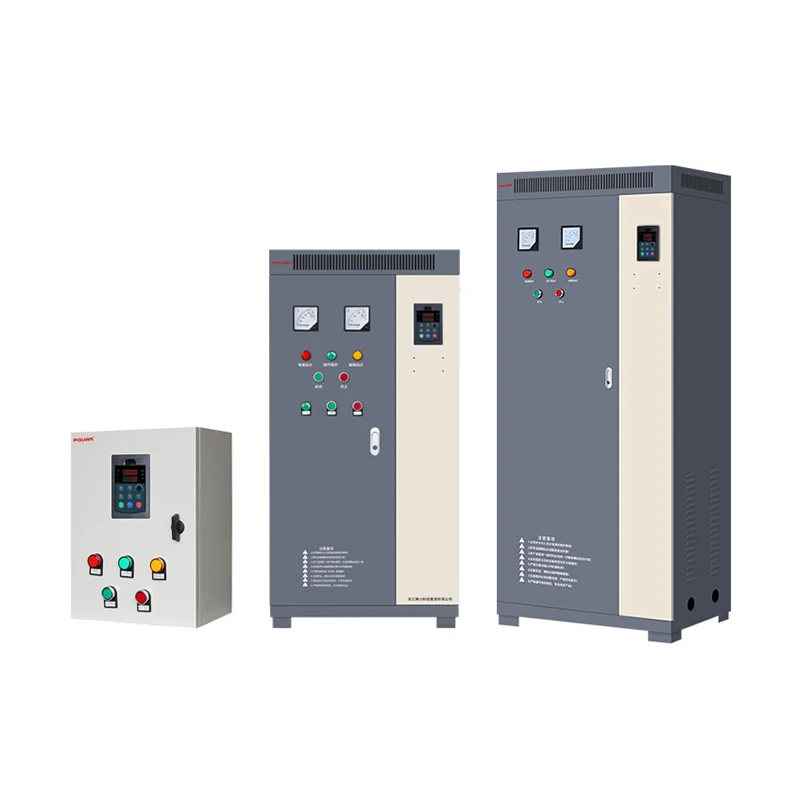
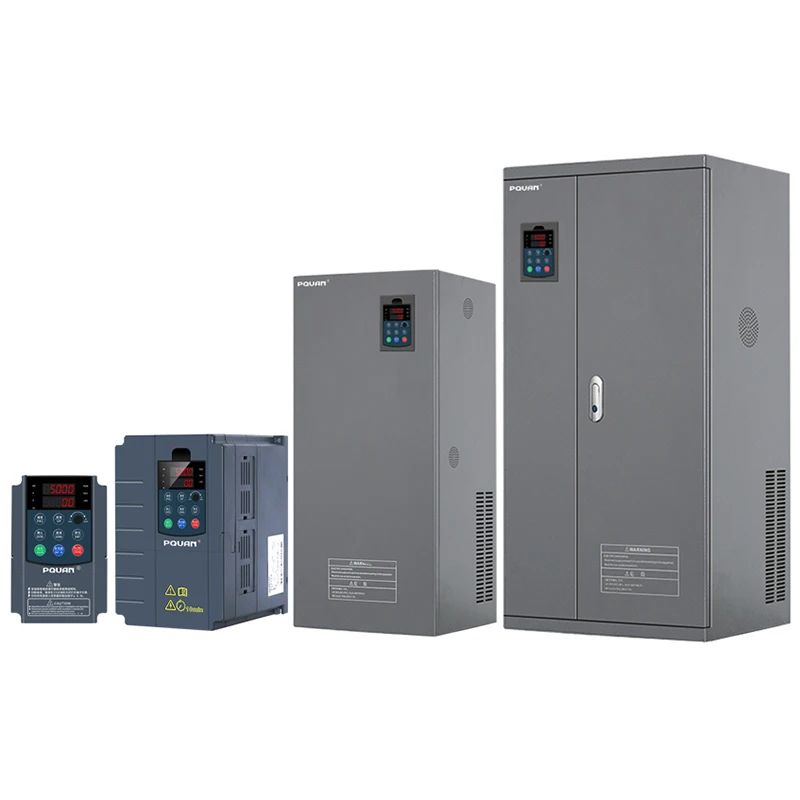
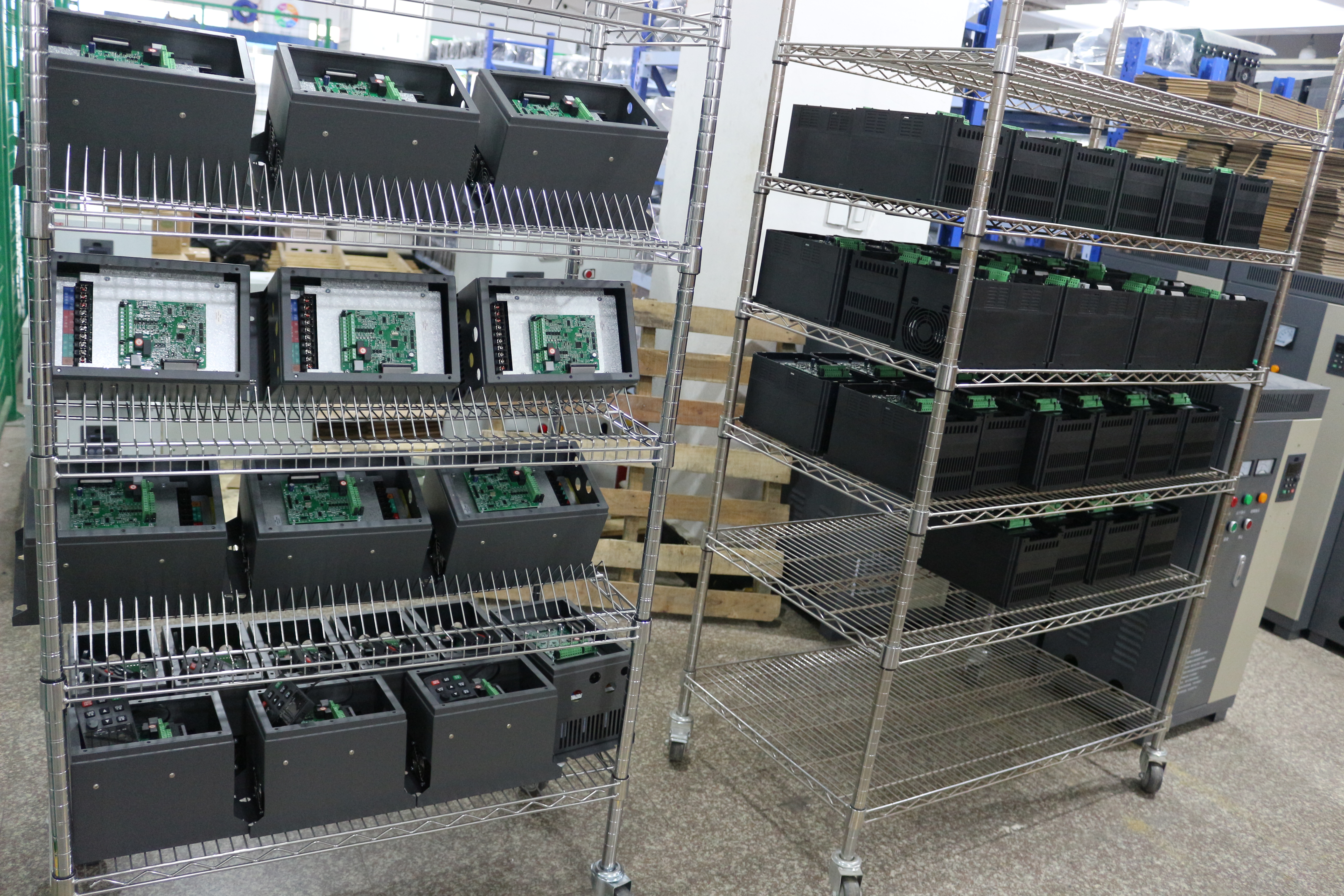
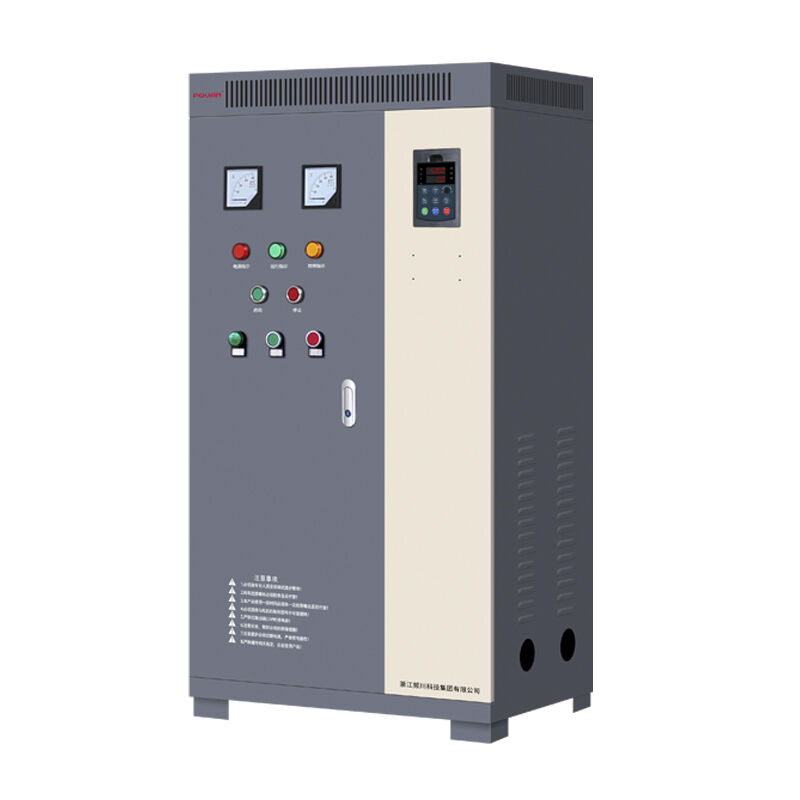
An inverter for air compressor represents a revolutionary advancement in compressed air technology, fundamentally transforming how these essential industrial machines operate. This sophisticated electronic device controls the speed of the compressor motor by varying the frequency and voltage of the electrical supply, enabling precise adjustment of air output to match actual demand. Unlike traditional fixed-speed compressors that operate at constant speeds regardless of air consumption, an inverter for air compressor continuously monitors system pressure and automatically adjusts motor speed accordingly. The primary function of this technology centers on energy efficiency optimization, as it eliminates the wasteful start-stop cycles characteristic of conventional systems. When air demand decreases, the inverter for air compressor reduces motor speed proportionally, maintaining consistent pressure while consuming significantly less electricity. The technological framework incorporates advanced microprocessor controls, sophisticated sensors, and power electronics that work harmoniously to deliver seamless operation. Key features include soft-start capabilities that reduce mechanical stress on components, built-in protection systems preventing damage from voltage fluctuations, and comprehensive monitoring functions that track performance metrics in real-time. Applications span numerous industries including manufacturing, automotive, food processing, pharmaceuticals, and construction, where reliable compressed air supply proves critical for operations. The inverter for air compressor technology proves particularly valuable in facilities with fluctuating air demands, as it adapts instantly to changing requirements without compromising system stability. Modern units feature user-friendly interfaces displaying operational parameters, maintenance schedules, and diagnostic information, empowering operators to optimize performance proactively. This intelligent technology represents the future of compressed air systems, combining environmental responsibility with operational excellence.

New Products

The advantages of implementing an inverter for air compressor system extend far beyond simple energy savings, delivering comprehensive benefits that transform operational efficiency and reduce total cost of ownership. Energy consumption reduction stands as the most immediate advantage, with typical savings ranging from twenty to forty percent compared to traditional fixed-speed systems. This occurs because the inverter for air compressor matches motor speed precisely to air demand, eliminating energy waste during periods of reduced consumption. Traditional compressors cycle on and off repeatedly, consuming full power during startup and wasting energy during unloaded operation, while inverter systems maintain optimal efficiency continuously. Maintenance costs decrease substantially due to reduced mechanical stress on components. The soft-start feature of an inverter for air compressor eliminates harsh startup surges that typically damage motors, bearings, and coupling systems. This gentler operation extends equipment lifespan significantly, reducing replacement frequency and associated downtime costs. Operational stability represents another crucial advantage, as the system maintains consistent pressure without the pressure fluctuations common in conventional systems. Users experience improved process quality because downstream equipment receives steady air supply, reducing defects and production variations. Noise reduction proves particularly valuable in workplace environments, as the inverter for air compressor operates at variable speeds rather than the constant high-speed operation of traditional units. Lower operational noise levels contribute to better working conditions and compliance with occupational health standards. Installation flexibility increases because these systems adapt to existing infrastructure more easily than conventional alternatives. The ability to program specific operating parameters allows customization for unique applications, optimizing performance for particular operational requirements. Remote monitoring capabilities enable proactive maintenance scheduling, preventing unexpected failures and maximizing uptime. Environmental benefits include reduced carbon footprint due to lower energy consumption and decreased heat generation, contributing to sustainable operations while reducing cooling requirements in facility management.

Practical Tips

Pakistani Customers Visit PQUAN for Inspection and Exchange

09

Feb

Pakistani Customers Visit PQUAN for Inspection and Exchange

View More
How to Choose Voltage Regulator Power: A Concise Guide for Industrial & Commercial Users

23

Jan

How to Choose Voltage Regulator Power: A Concise Guide for Industrial & Commercial Users

View More
A Complete Guide to Selecting the Right Variable Frequency Drive (VFD) Model

03

Mar

A Complete Guide to Selecting the Right Variable Frequency Drive (VFD) Model

View More

Get a Free Quote

Our representative will contact you soon.
Email
Name
Company Name
Message
0/1000

inverter for air compressor

Advanced Variable Speed Control Technology

Advanced Variable Speed Control Technology

The cornerstone of modern inverter for air compressor systems lies in their sophisticated variable speed control technology, which revolutionizes how compressed air systems respond to operational demands. This intelligent system continuously monitors air pressure levels through precision sensors and instantly adjusts motor speed to maintain optimal pressure ranges without wasteful cycling. Unlike traditional compressors that operate at fixed speeds regardless of actual air consumption, the inverter for air compressor seamlessly modulates between minimum and maximum speeds based on real-time requirements. The technology employs advanced algorithms that predict air demand patterns, enabling proactive speed adjustments that prevent pressure drops before they occur. This predictive capability ensures uninterrupted operation while maximizing energy efficiency throughout varying load conditions. The control system features multiple operating modes, including energy-saving mode for minimal consumption during low-demand periods, boost mode for rapid pressure recovery, and maintenance mode for diagnostic procedures. Professional-grade components including high-frequency switching devices and precision feedback systems ensure reliable operation across wide operating ranges. The variable speed capability extends equipment lifespan by reducing mechanical stress associated with frequent starts and stops in conventional systems. Operators benefit from customizable pressure bands that can be adjusted to match specific application requirements, optimizing both performance and energy consumption. The inverter for air compressor technology incorporates advanced power factor correction, improving electrical efficiency and reducing utility costs beyond simple energy savings. Sophisticated filtering systems minimize electrical interference, ensuring compatibility with sensitive electronic equipment in modern facilities. Real-time diagnostics provide comprehensive performance data, enabling predictive maintenance strategies that maximize uptime and minimize operational costs. This advanced control technology represents a fundamental shift toward intelligent compressed air management.
Superior Energy Efficiency and Cost Savings

Superior Energy Efficiency and Cost Savings

Energy efficiency represents the most compelling advantage of modern inverter for air compressor technology, delivering substantial cost savings while supporting environmental sustainability goals. Traditional fixed-speed compressors consume full rated power regardless of actual air demand, leading to significant energy waste during periods of reduced consumption. The inverter for air compressor addresses this inefficiency by continuously adjusting motor speed to match precise air requirements, typically reducing energy consumption by twenty to forty percent compared to conventional systems. This efficiency improvement translates directly into reduced utility costs, with many facilities achieving payback periods of less than two years through energy savings alone. The technology eliminates wasteful unloaded running time characteristic of traditional systems, where compressors continue consuming substantial power while producing no useful output. During partial load conditions, which represent the majority of operational time in most applications, the inverter for air compressor operates at optimal efficiency points, maximizing output per unit of energy consumed. Advanced power management features include automatic shutdown during extended no-load periods, further reducing standby power consumption. The system optimizes power factor through sophisticated electronics, improving overall electrical efficiency and potentially reducing demand charges from utility providers. Heat generation decreases proportionally with reduced energy consumption, lowering facility cooling requirements and providing additional indirect savings. Comprehensive energy monitoring capabilities enable facility managers to track consumption patterns, identify optimization opportunities, and validate savings achievements. The inverter for air compressor technology supports sustainability initiatives by reducing carbon footprint through lower energy consumption and decreased environmental impact. Long-term economic benefits include reduced maintenance costs due to gentler operation, extended equipment lifespan, and improved operational reliability. Government incentives and utility rebates often apply to energy-efficient equipment installations, providing additional financial benefits beyond operational savings.
Enhanced Reliability and Reduced Maintenance Requirements

Enhanced Reliability and Reduced Maintenance Requirements

Reliability and maintenance advantages of inverter for air compressor systems stem from fundamental design improvements that address common failure points in traditional compressed air equipment. The elimination of frequent start-stop cycles dramatically reduces mechanical stress on motors, bearings, belts, and coupling systems, extending component lifespan and reducing maintenance frequency. Traditional compressors endure harsh startup conditions with each cycle, generating mechanical shock that accelerates wear and increases failure probability. The inverter for air compressor provides soft-start capabilities that gradually accelerate the motor to operating speed, minimizing mechanical stress and electrical surges that typically damage equipment components. This gentler operation extends bearing life significantly, reducing one of the most common maintenance requirements in compressed air systems. Vibration levels decrease substantially due to variable speed operation and improved mechanical balance, reducing structural fatigue and extending equipment mounting system durability. The technology incorporates comprehensive protection systems that monitor critical parameters including motor temperature, voltage levels, current draw, and system pressure, automatically adjusting operation to prevent damage conditions. Advanced diagnostic capabilities enable predictive maintenance strategies by tracking performance trends and identifying potential issues before they result in equipment failure. Maintenance scheduling becomes more predictable and less frequent, reducing operational disruptions and maintenance costs. The inverter for air compressor system typically requires less frequent oil changes due to reduced operating hours and gentler operation conditions. Air filter replacement intervals extend because variable speed operation reduces air flow rates during low-demand periods, decreasing contamination accumulation. Remote monitoring capabilities enable proactive maintenance management, allowing technicians to assess system condition without site visits and schedule maintenance during planned downtime. Component standardization across inverter systems simplifies spare parts inventory and technician training requirements. Overall system reliability improves through reduced complexity in mechanical components and elimination of problematic pressure switches and unloading valves common in traditional systems.
Inverter for Air Compressor: Advanced Variable Speed Technology for Maximum Energy Efficiency

Get a Free Quote

Our representative will contact you soon.
Email
Name
Company Name
Message
0/1000