Versatile Installation Options and Comprehensive Household Coverage
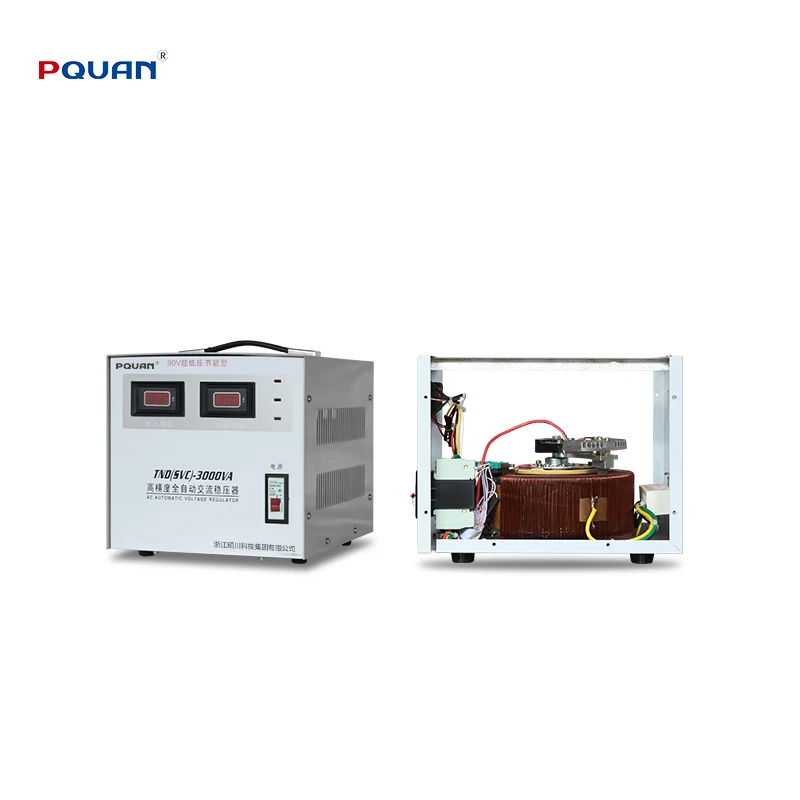
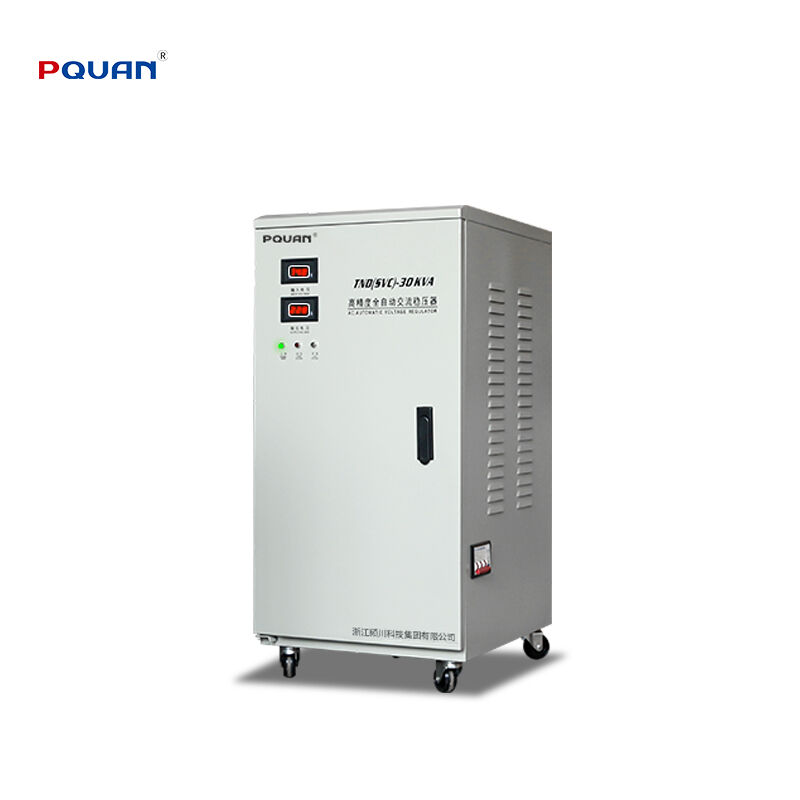
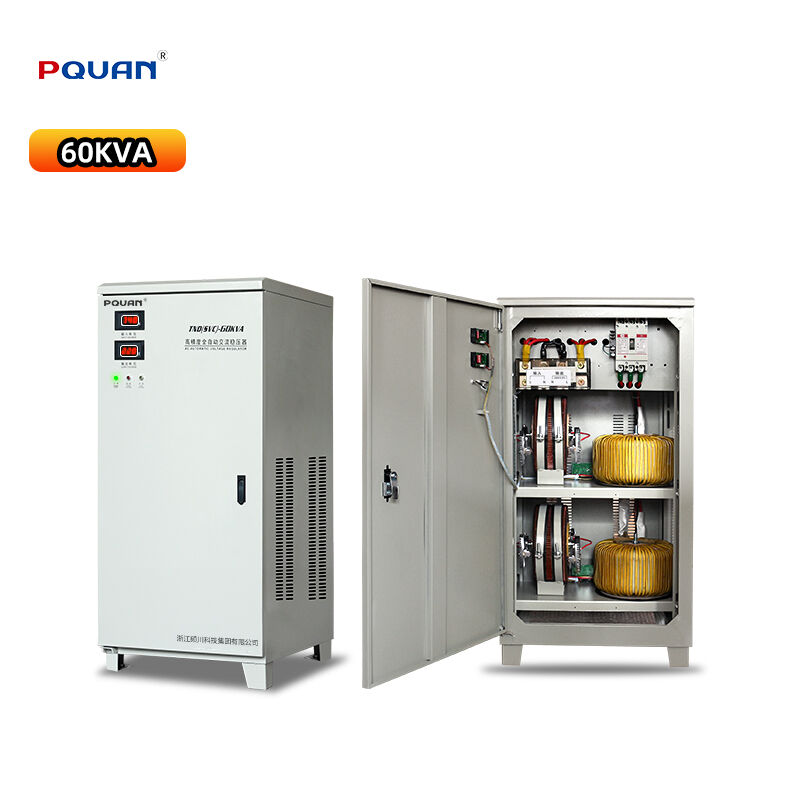
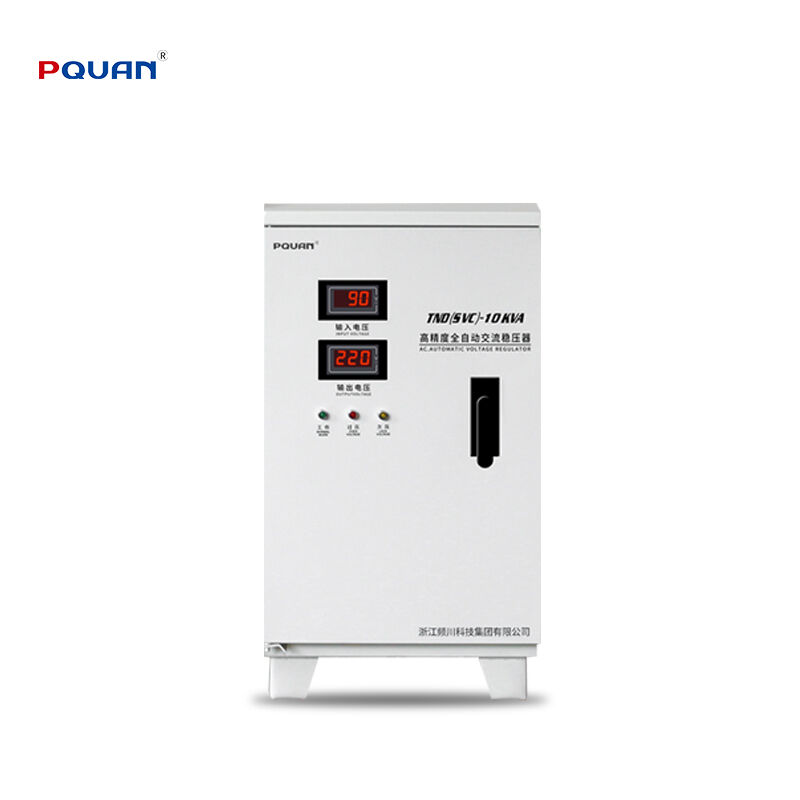
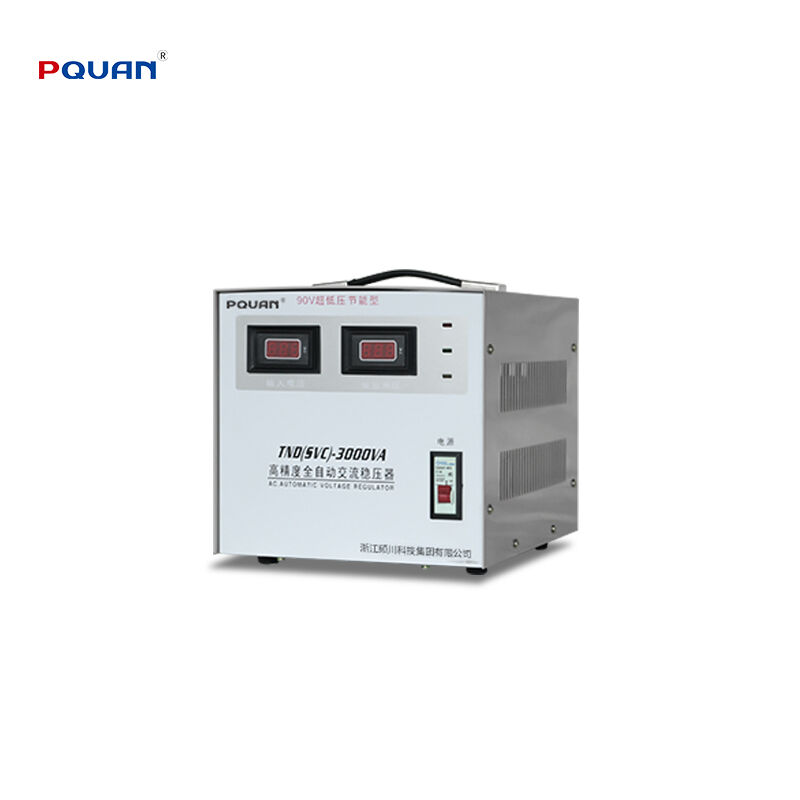
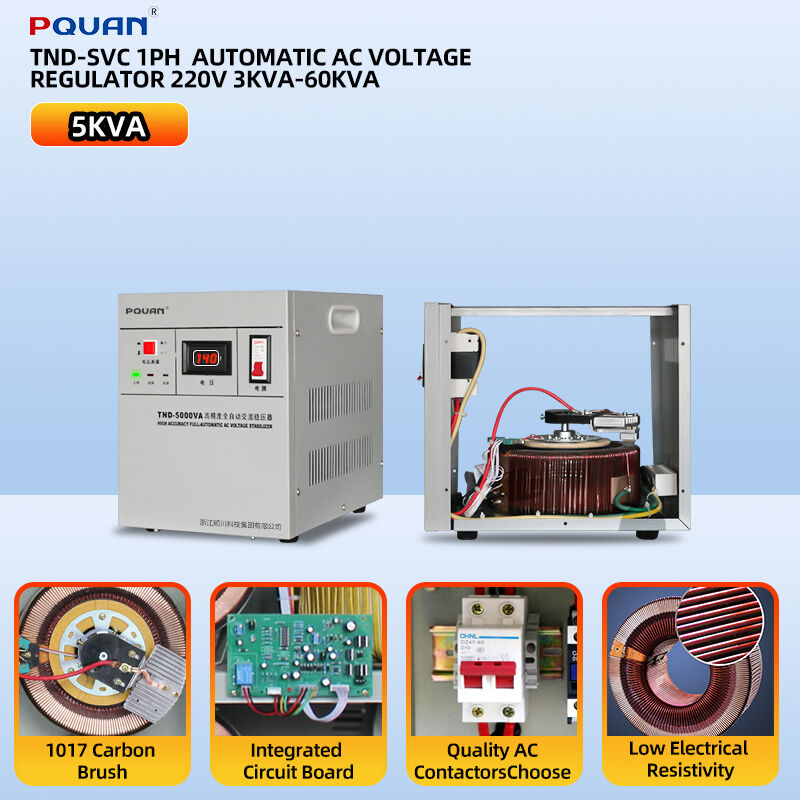
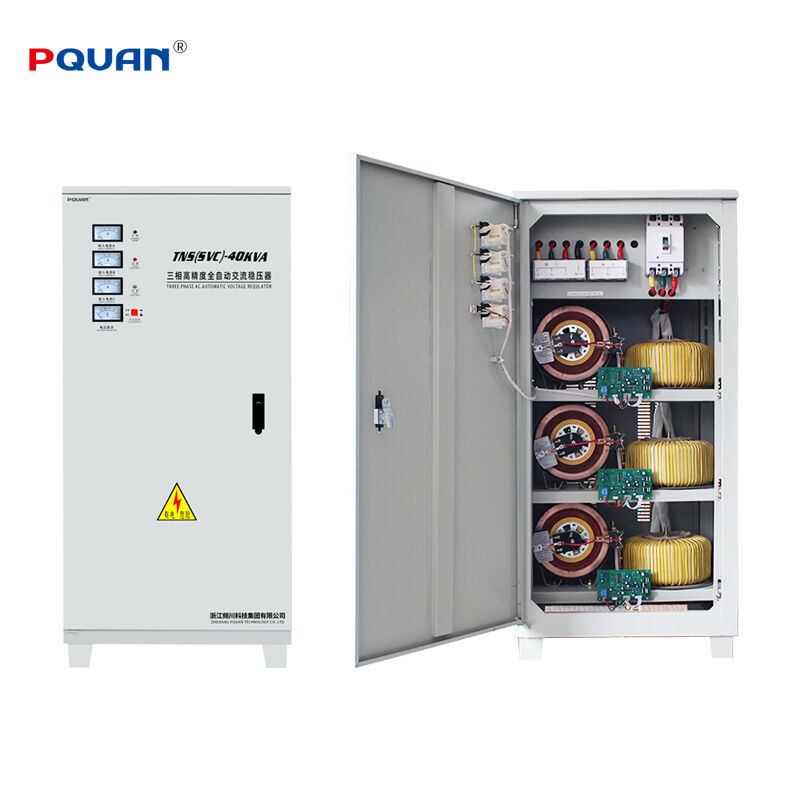
The automatic voltage regulator for home offers flexible installation configurations that accommodate diverse household needs, electrical system layouts, and protection priorities. Homeowners can choose between whole-house installation that protects every circuit and outlet in the residence, or dedicated installation that focuses protection on specific high-value equipment or sensitive electronic zones. Whole-house installation typically positions the regulator at the main electrical service entry point, immediately after the utility meter and main circuit breaker panel. This strategic placement ensures that corrected, stable voltage feeds every branch circuit, outlet, and appliance throughout your home. The approach provides uniform protection regardless of where devices connect or how your electrical load changes throughout the day. Whole-house systems typically range from five kilowatt capacity for smaller homes to twenty kilowatts or more for larger residences with substantial electrical demands. The capacity selection depends on your total connected load and simultaneous usage patterns, with proper sizing ensuring the regulator handles peak demand periods without overload. Alternatively, dedicated installation focuses protection on specific areas or equipment categories. You might install an automatic voltage regulator for home specifically for your entertainment center, protecting expensive audio-visual equipment, gaming systems, and streaming devices. Another common application dedicates a regulator to home office equipment, shielding computers, monitors, printers, and networking gear from voltage variations that could cause data loss or hardware failures. Kitchen appliances, particularly refrigerators and high-end cooking equipment, benefit from dedicated regulation that prevents compressor damage and ensures consistent performance. The installation process itself accommodates various electrical system types, including single-phase and three-phase configurations. Professional electricians can integrate the regulator into existing electrical infrastructure with minimal disruption, typically completing installation within a few hours. The physical footprint varies by capacity, with compact models suitable for apartment installation and larger units designed for spacious utility rooms or garage mounting. Modern designs emphasize quiet operation, with cooling fans that activate only when necessary and sound dampening features that prevent any operational noise from disturbing living spaces. Maintenance requirements remain minimal, typically involving periodic visual inspection, ensuring adequate ventilation around the unit, and verifying that connection terminals remain tight and corrosion-free. The automatic voltage regulator for home operates continuously once installed, working around the clock to maintain power quality without requiring user intervention, setting adjustments, or operational monitoring. This reliability combined with installation flexibility makes voltage regulation accessible to any household regardless of size, electrical configuration, or specific protection requirements.
 EN
EN