Wide Application Versatility and Scalability
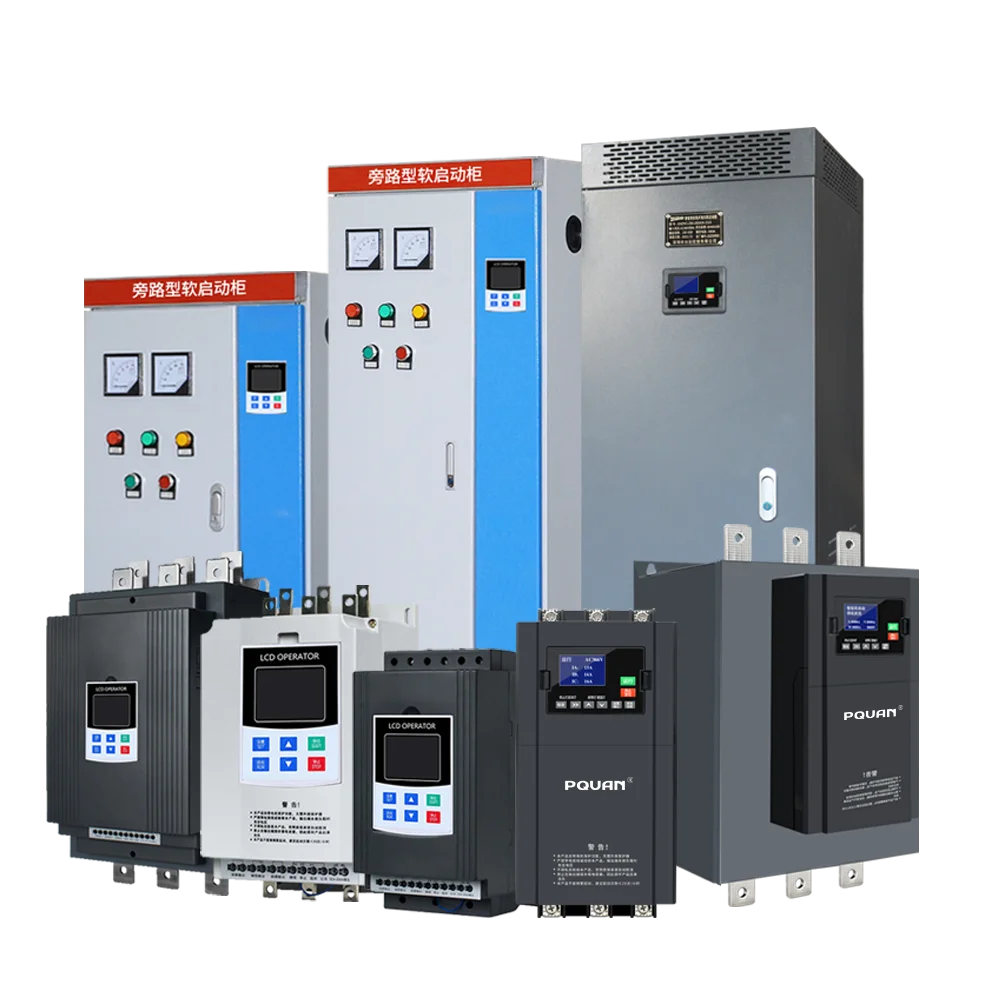
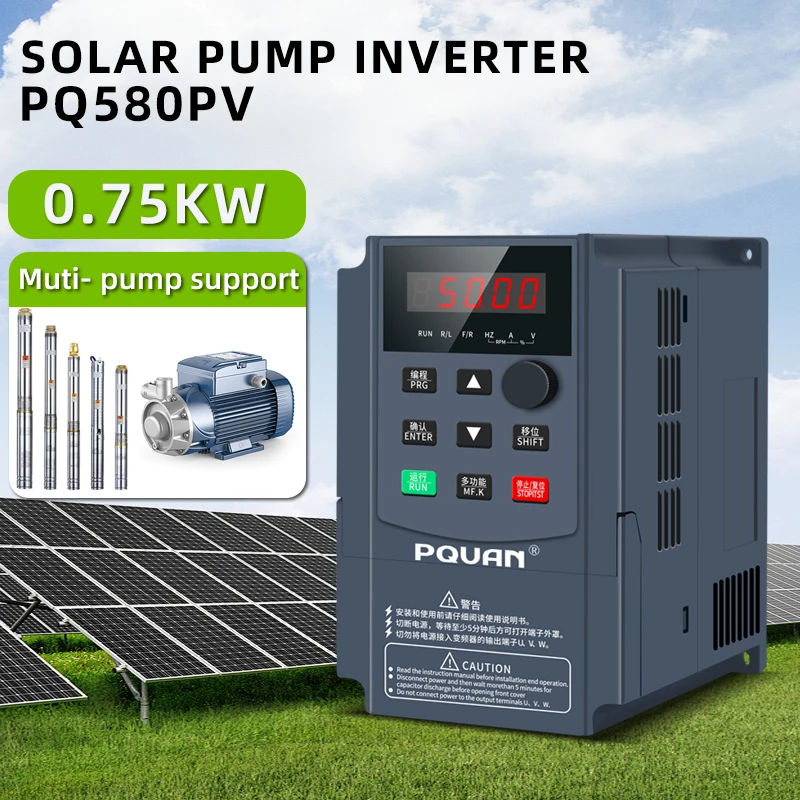
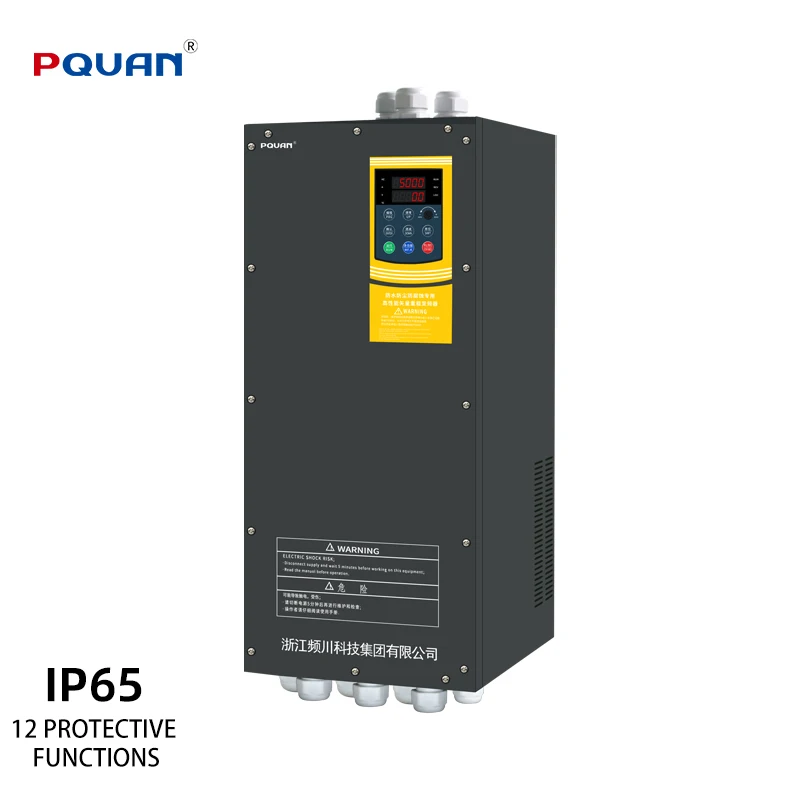
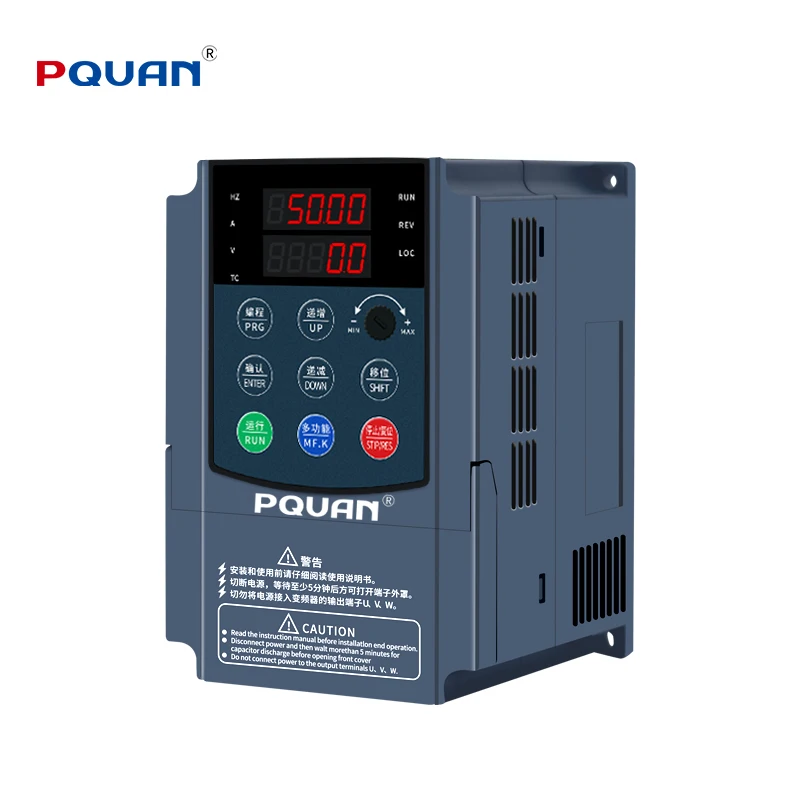
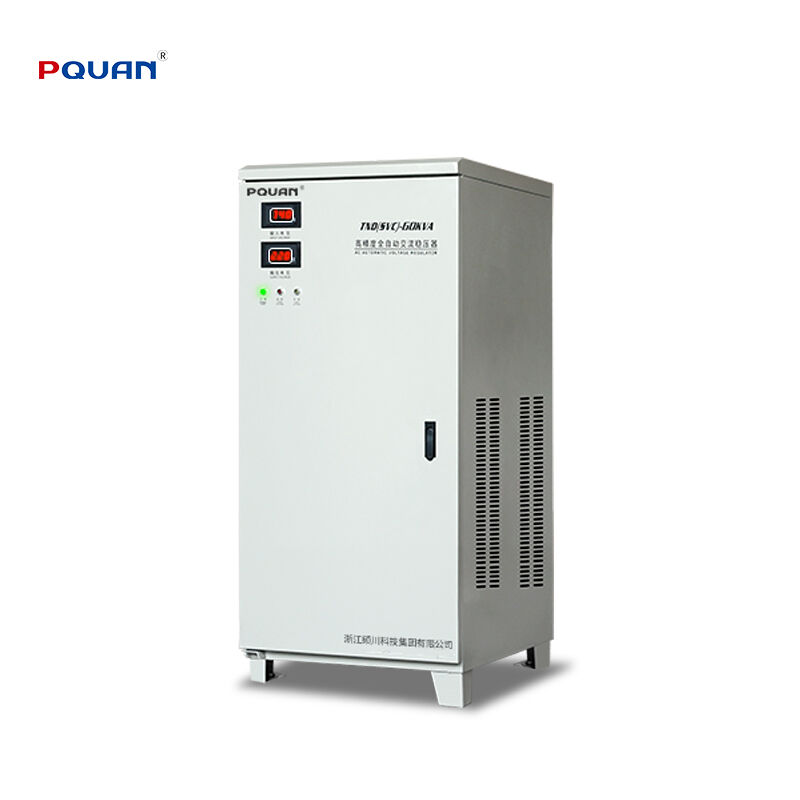
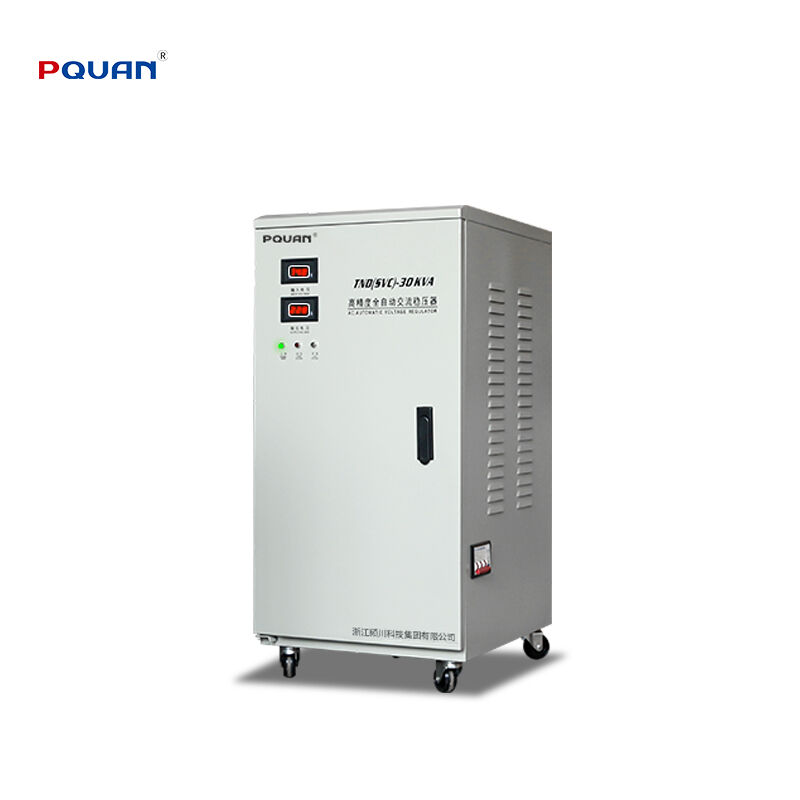
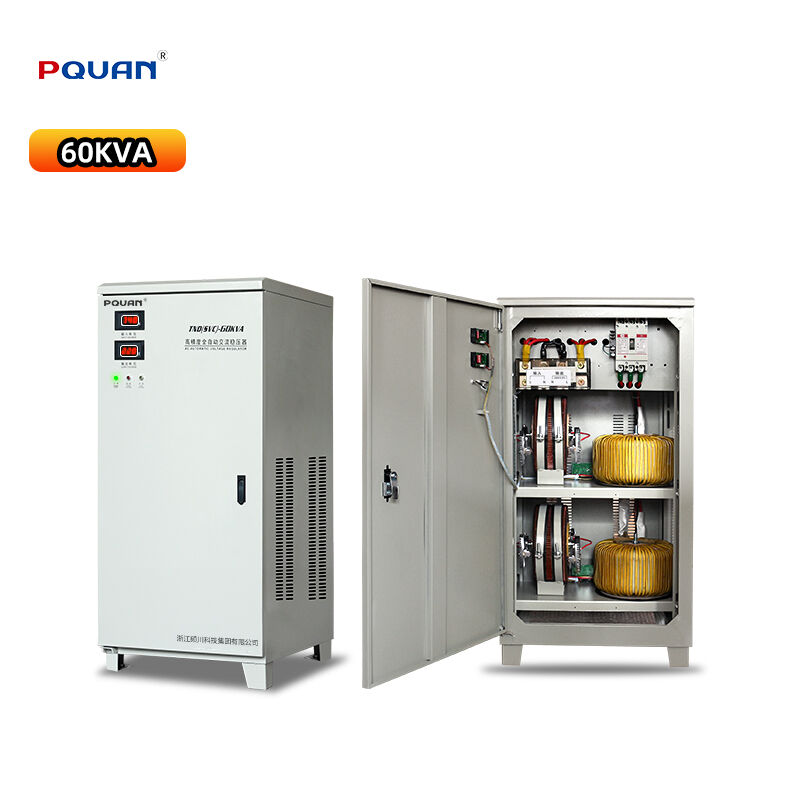
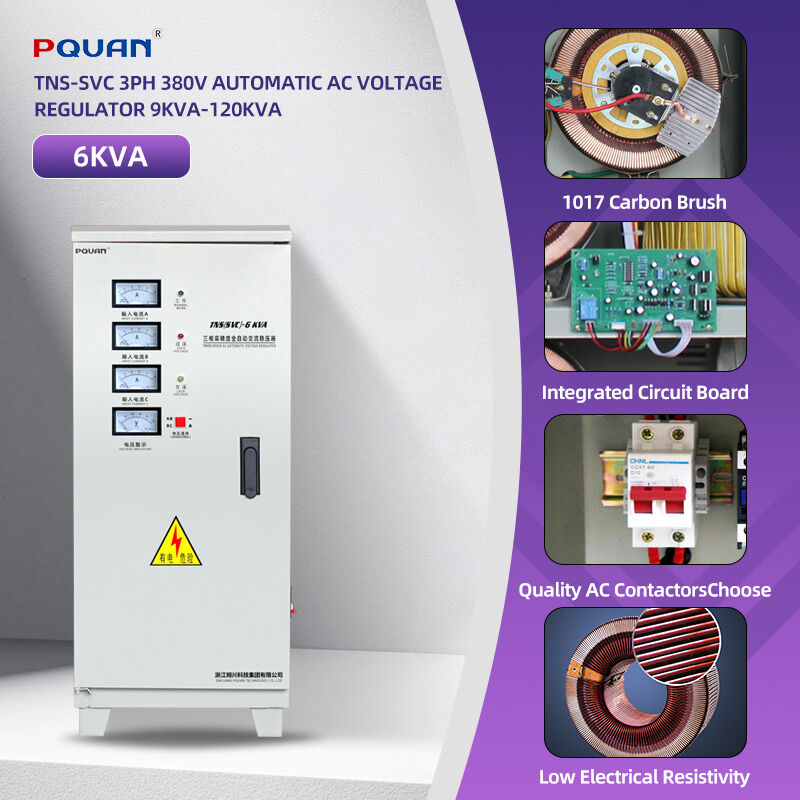
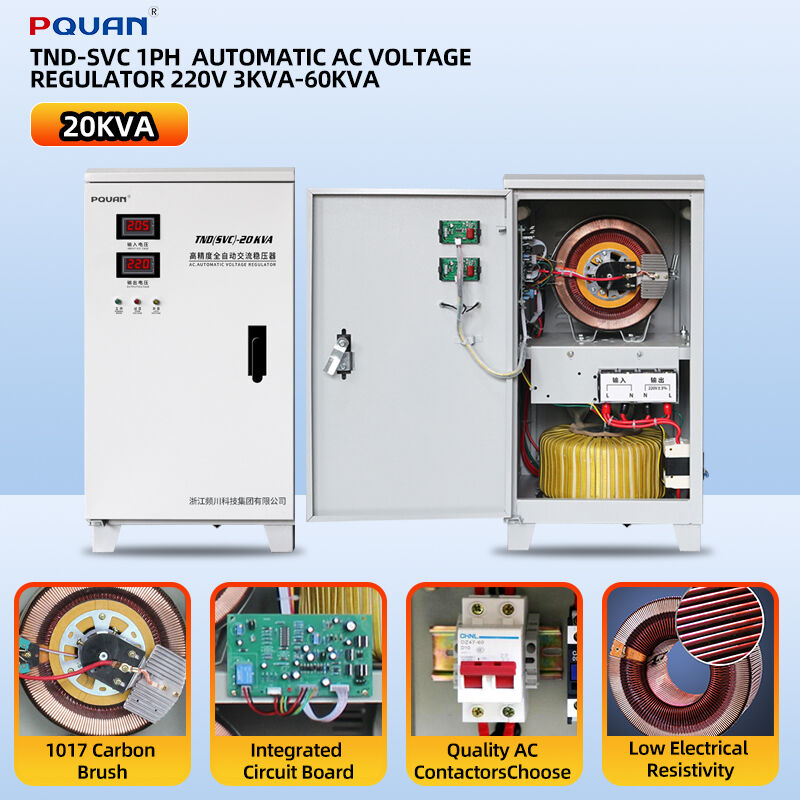
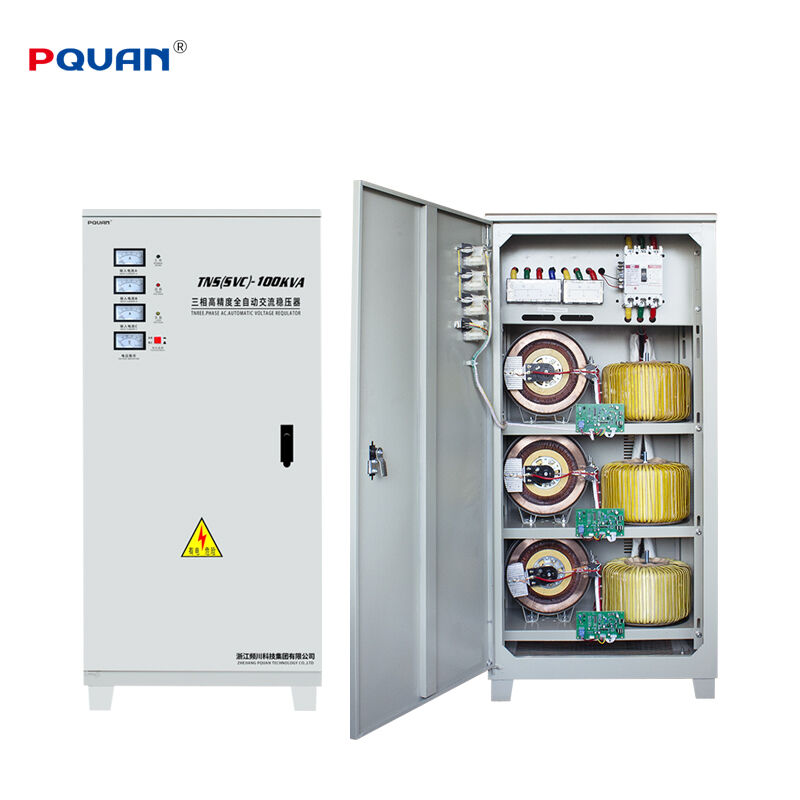
The remarkable versatility of digital auto voltage regulator technology enables effective deployment across an extraordinarily diverse range of applications, from protecting a single home computer to safeguarding entire industrial facilities. This adaptability stems from the availability of models spanning a wide power capacity range, starting with compact units handling a few hundred watts suitable for desktop equipment, scaling through mid-range models supporting household circuits or small business needs, and extending to industrial-grade systems managing hundreds of kilowatts for manufacturing operations. The digital auto voltage regulator adapts to virtually any voltage requirement, with models available for standard residential voltages, commercial three-phase systems, and specialized industrial configurations. Geographic flexibility means these devices accommodate different electrical standards worldwide, supporting various frequency and voltage specifications used across continents. Installation options range from portable plug-in units that require no technical expertise to permanent hardwired systems integrated into electrical distribution panels by qualified electricians. This flexibility allows you to match protection deployment to specific needs and budgets, starting with critical equipment and expanding coverage as priorities or resources dictate. The technology proves equally effective in stable electrical environments where it provides insurance against occasional disturbances and in problematic locations where power quality issues occur frequently. Commercial applications span retail stores protecting point-of-sale systems, restaurants safeguarding refrigeration and cooking equipment, offices securing computer networks and telecommunications, hotels maintaining elevator systems and guest amenities, and warehouses preserving automated material handling systems. Industrial implementations include CNC machining centers requiring precise voltage for accurate operation, chemical processing plants protecting control systems and instrumentation, textile facilities maintaining production line continuity, printing operations ensuring consistent quality, and food processing plants safeguarding refrigeration and packaging lines. Healthcare facilities depend on digital auto voltage regulators to protect diagnostic imaging equipment, patient monitoring systems, laboratory analyzers, and life support devices where power disruptions could have life-threatening consequences. Educational institutions utilize these devices to protect computer labs, research equipment, and administrative systems. The scalability extends to system architecture, with options for centralized protection at service entry points, distributed protection at branch circuits, or dedicated protection for individual high-value assets. Modular designs allow capacity expansion as electrical loads grow, protecting initial investments while accommodating future needs. The digital auto voltage regulator integrates seamlessly with renewable energy systems, protecting equipment from the variable power quality that can occur with solar or wind generation. Backup power applications benefit from voltage regulation between utility and generator sources, ensuring smooth transitions and consistent protection regardless of power origin. The universal applicability means virtually any organization or household can identify appropriate uses for this technology, making it a foundational element of comprehensive electrical infrastructure protection strategies.
 EN
EN