Versatile Applications Across Residential, Commercial, and Industrial Settings
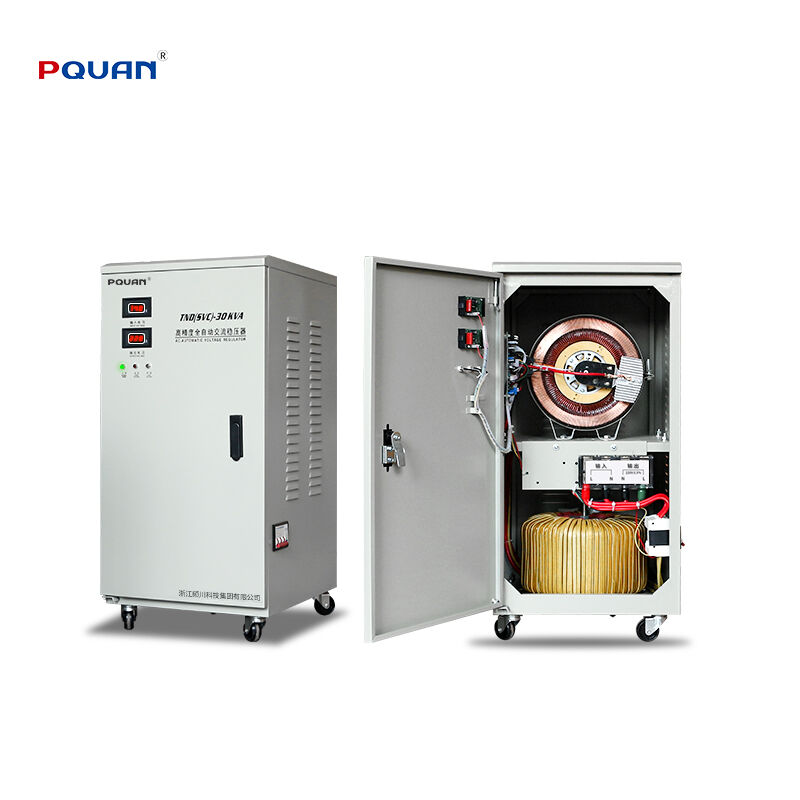
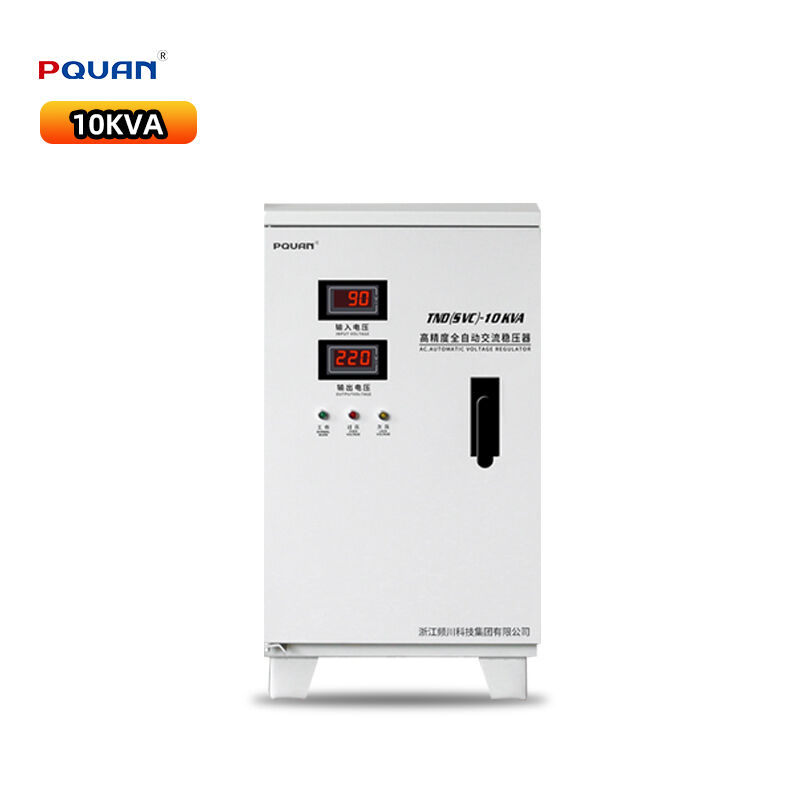
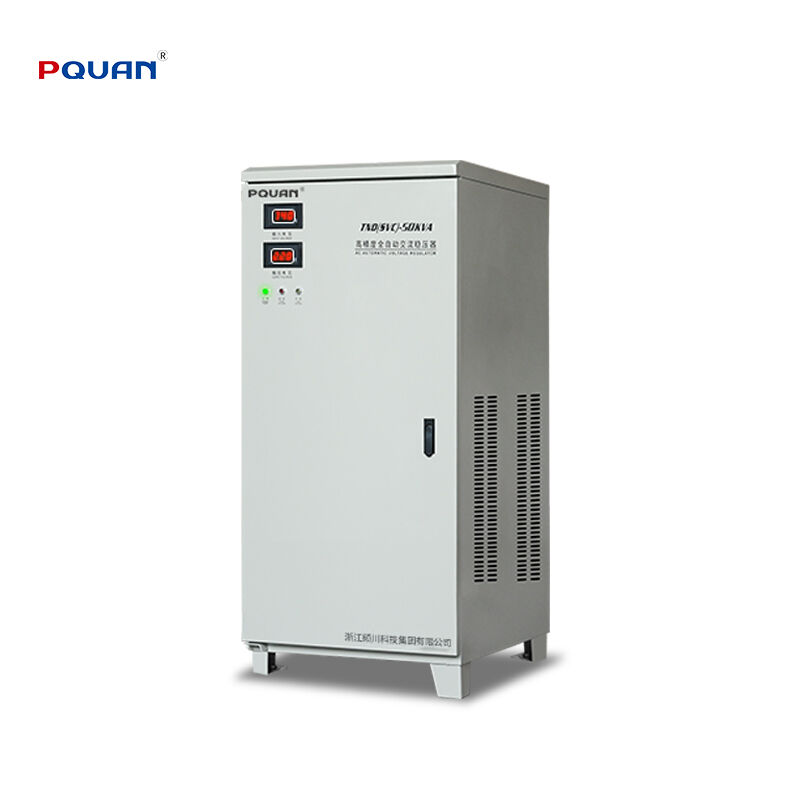
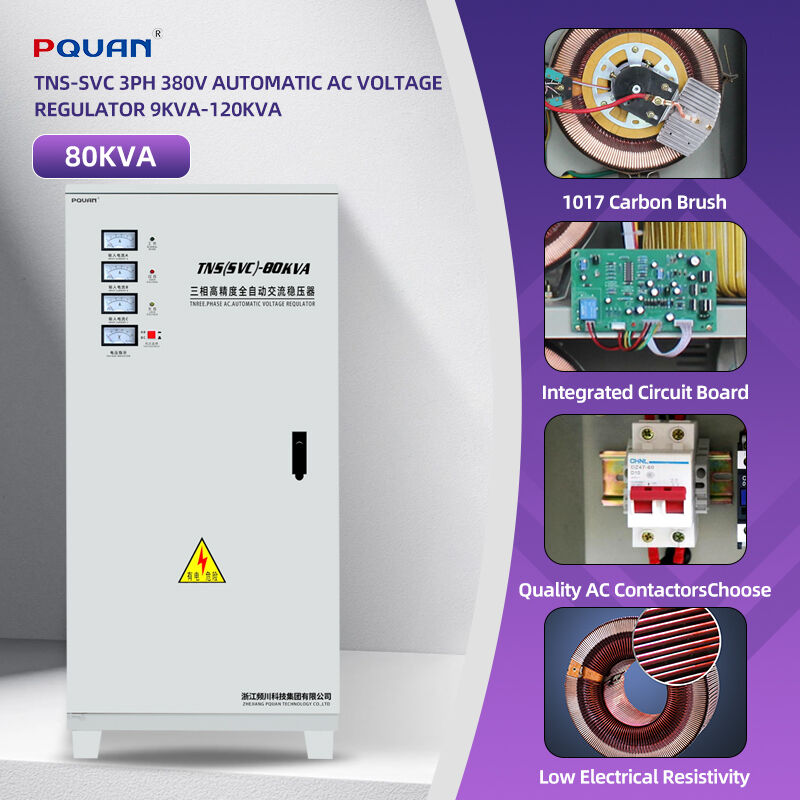
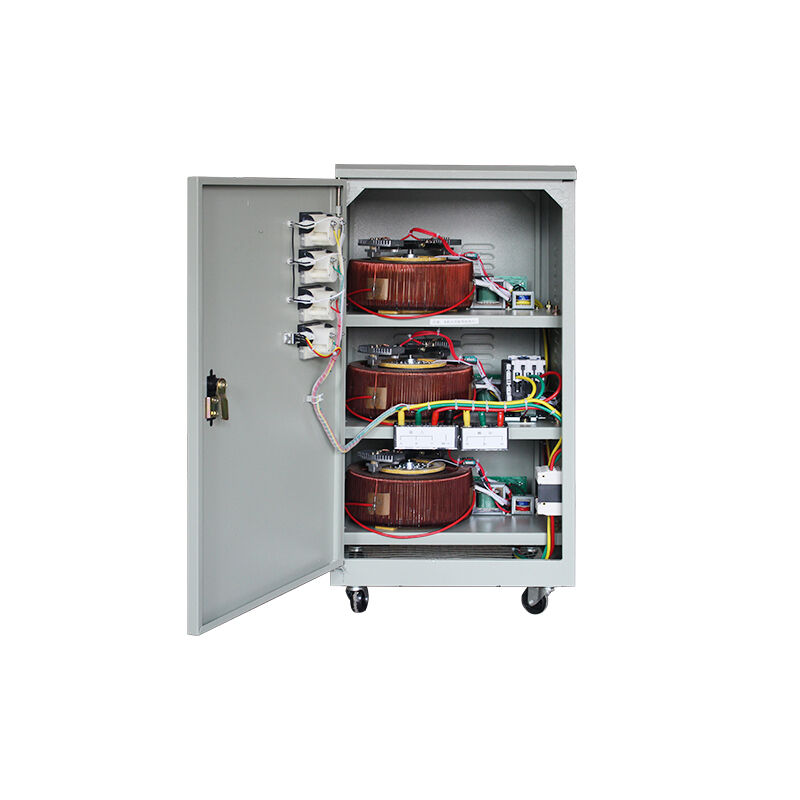
The automatic voltage regulator for ac adapts seamlessly to diverse power protection requirements, making it the preferred solution across residential homes, commercial establishments, and industrial facilities. This versatility stems from the wide range of available capacities, from compact 500VA units protecting individual appliances to massive 500kVA three-phase systems serving entire factories. Understanding application-specific benefits helps identify how an automatic voltage regulator for ac addresses your particular power quality challenges. Residential applications of an automatic voltage regulator for ac focus on protecting household appliances and electronics that represent significant investments. Homeowners in areas with unstable grid power install automatic voltage regulators for ac to safeguard expensive items like refrigerators, washing machines, air conditioners, home theater systems, and increasingly, home office equipment. A whole-house automatic voltage regulator for ac installation at the main electrical panel protects everything simultaneously, while point-of-use units defend specific high-value items. The residential automatic voltage regulator for ac proves especially valuable in rural areas distant from utility substations where voltage drop becomes severe during peak demand periods, and in urban areas with aging electrical infrastructure struggling to meet modern power demands. Commercial establishments benefit from an automatic voltage regulator for ac through both equipment protection and business continuity assurance. Retail stores depend on point-of-sale systems, security cameras, and climate control that cannot tolerate voltage-related disruptions. Restaurants rely on refrigeration, cooking equipment, and ventilation systems where voltage instability creates food safety risks and operational problems. Medical and dental offices use diagnostic equipment and computer systems where voltage fluctuations lead to inaccurate results, data loss, and patient care interruptions. The automatic voltage regulator for ac ensures these businesses operate smoothly despite poor power quality from the utility, preventing revenue loss from downtime and maintaining professional service standards. Office buildings implement automatic voltage regulators for ac to protect computer networks, telecommunications equipment, HVAC systems, and elevator controls. The cost of network downtime in modern businesses often reaches thousands of dollars per hour when employees cannot access systems and customers cannot reach services. An automatic voltage regulator for ac prevents voltage-related network equipment failures that cascade into widespread outages, making it a critical component of business continuity planning. Industrial applications push an automatic voltage regulator for ac to its highest performance levels, protecting manufacturing equipment, process control systems, and material handling machinery worth millions of dollars. Industries like pharmaceutical manufacturing operate under strict regulatory requirements where equipment must perform consistently to maintain product quality and compliance. An automatic voltage regulator for ac ensures production equipment receives stable power, preventing quality issues and production stoppages that cost far more than the regulation equipment itself. Textile mills, food processing plants, chemical production facilities, and automotive manufacturing all rely on automatic voltage regulators for ac to maintain production efficiency and protect specialized machinery that cannot be quickly replaced if damaged. The scalability of automatic voltage regulator for ac technology accommodates growth and changing requirements. Facilities start with appropriately sized units and add capacity as operations expand, or deploy multiple automatic voltage regulators for ac to protect different building sections or production lines independently. This flexibility makes the automatic voltage regulator for ac a long-term solution that adapts to evolving power protection needs rather than requiring complete replacement as requirements change.
 EN
EN