Comprehensive Multi-Layer Protection Safeguards Equipment Investment
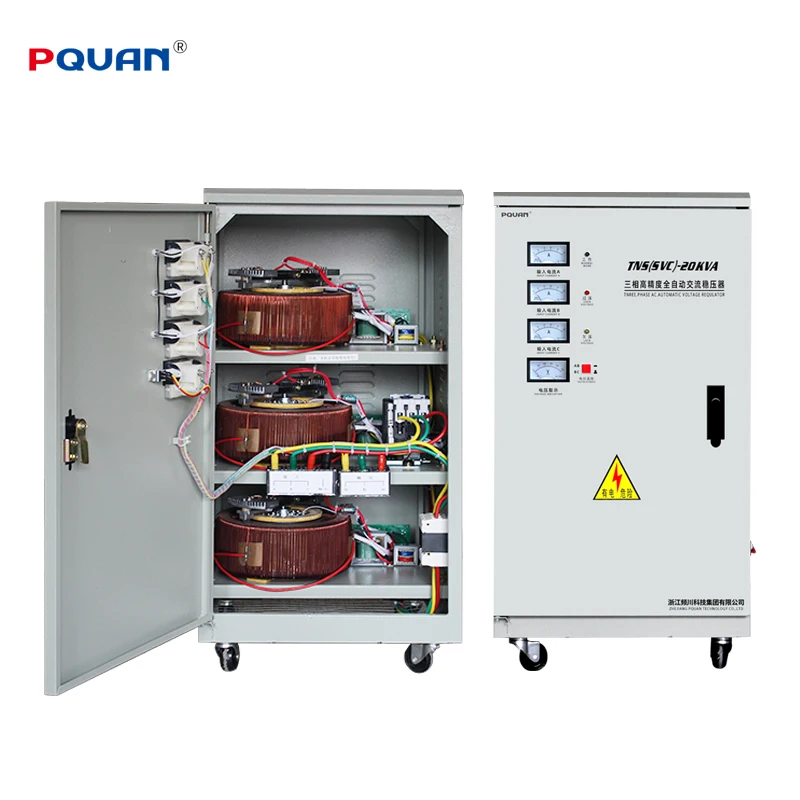
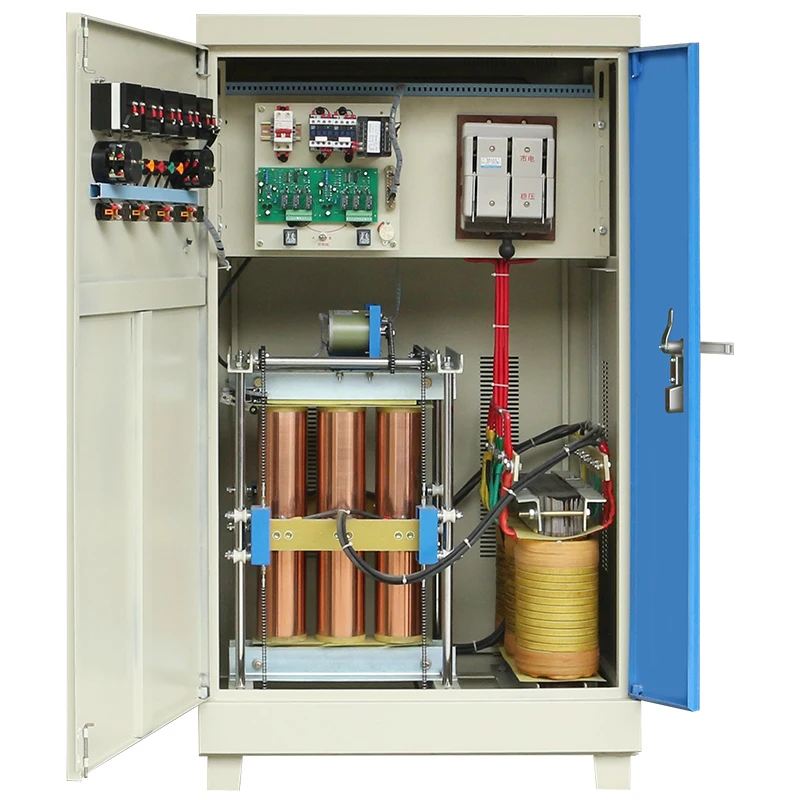
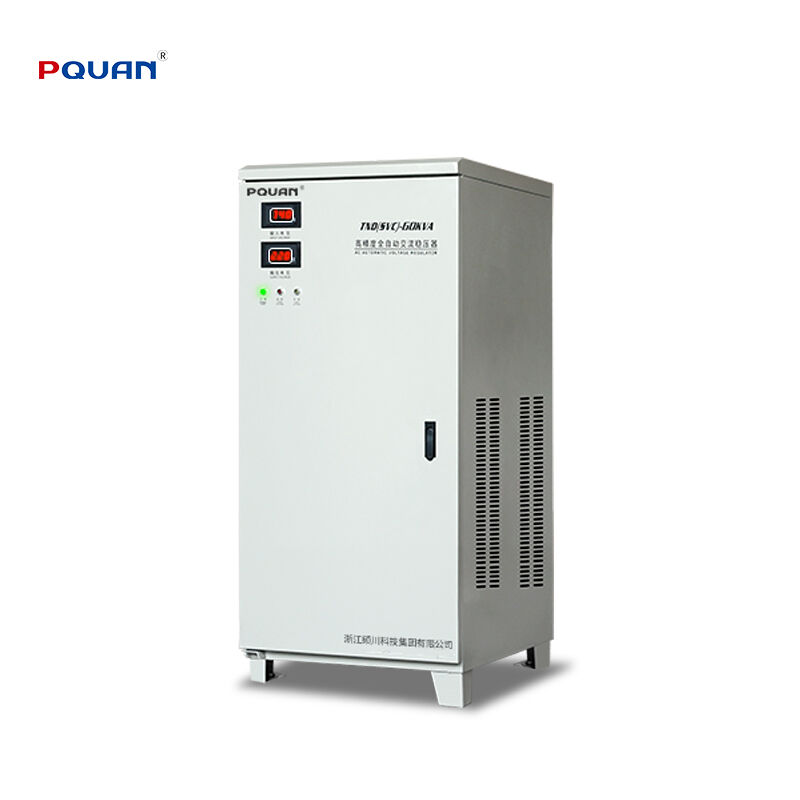
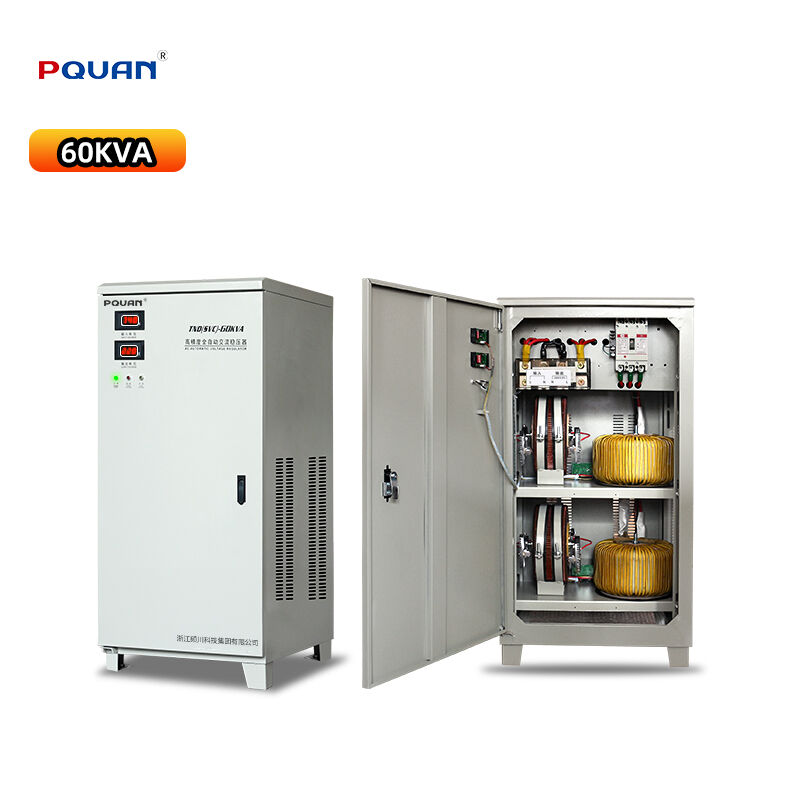
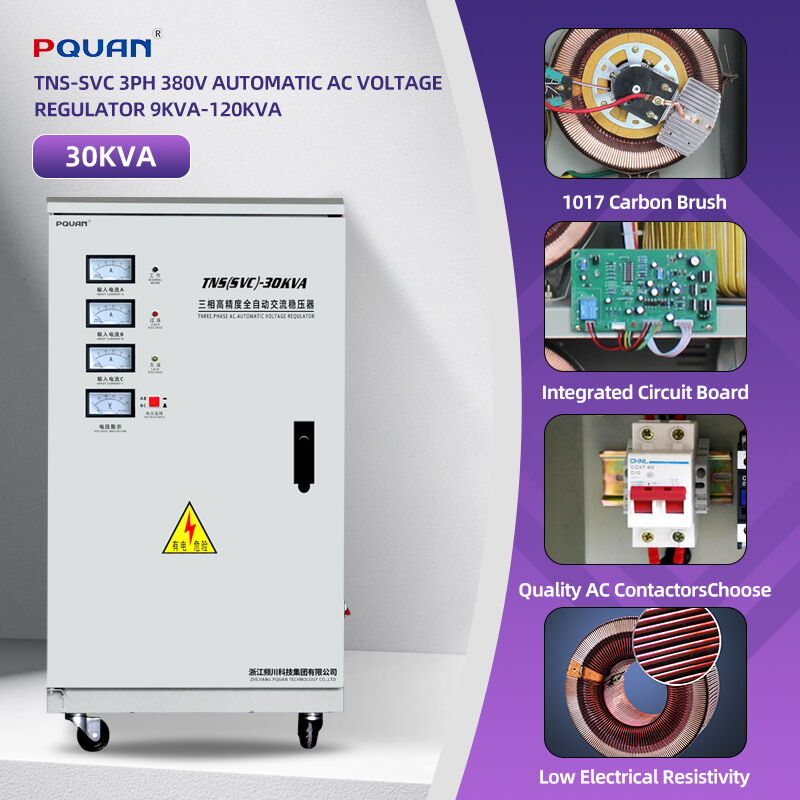
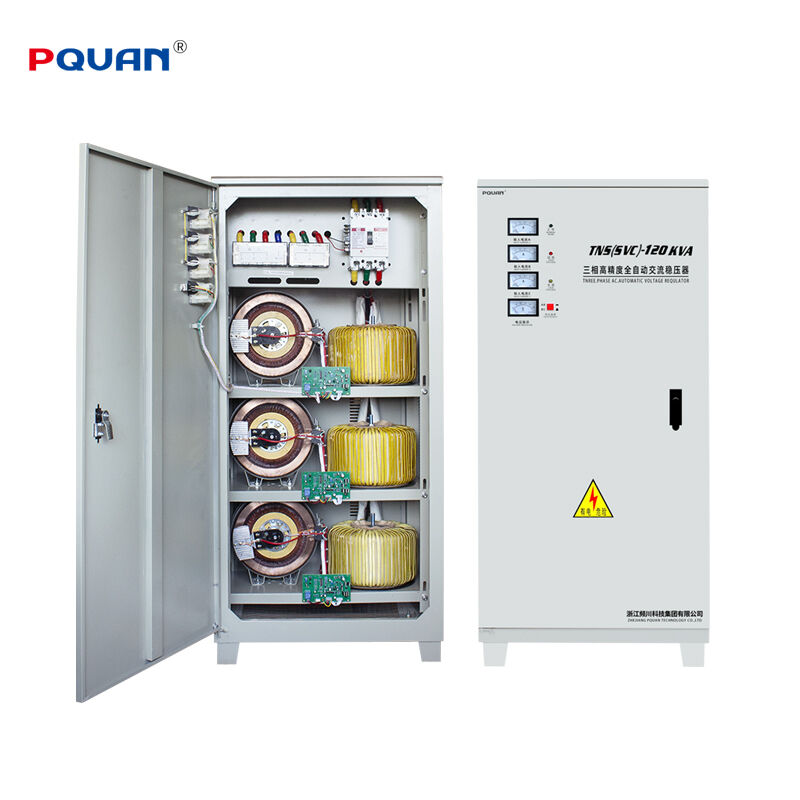
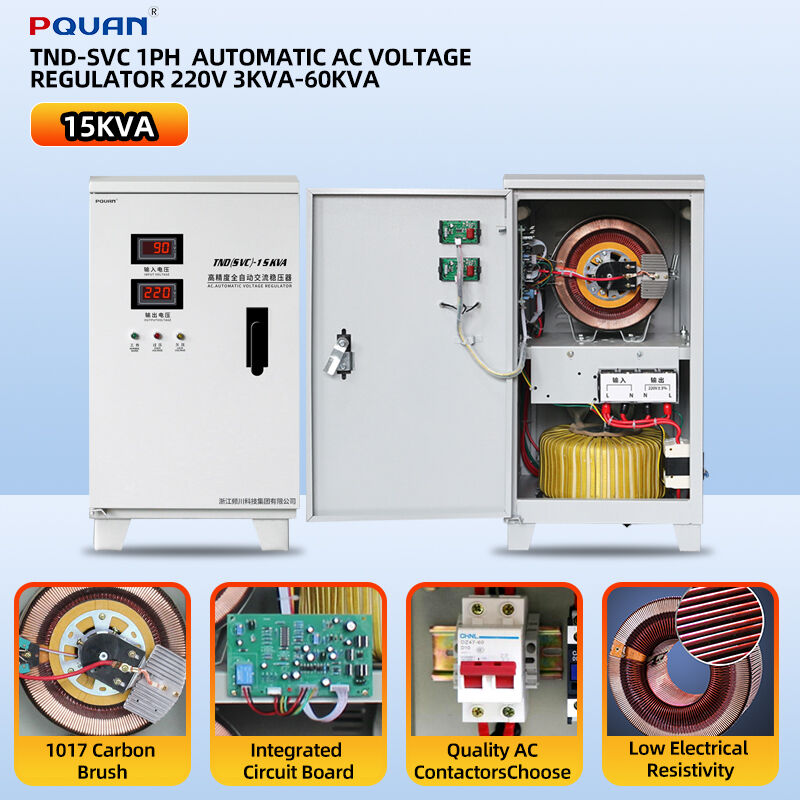
Beyond its primary voltage regulation function, a premium auto voltage controller incorporates multiple layers of protective features that create a comprehensive defense system for connected electrical equipment. This multi-faceted protection approach addresses the full spectrum of electrical threats that can damage or destroy valuable appliances, machinery, and electronic systems. Overvoltage protection forms the first defensive layer, constantly monitoring output to ensure voltage never exceeds safe levels even if control circuits malfunction. When the auto voltage controller detects output voltage approaching dangerous thresholds, it immediately disconnects the load through a dedicated safety relay, preventing damage to connected devices. This failsafe mechanism operates independently of the main control system, providing protection even during controller faults. Undervoltage protection serves as the counterpart, preventing equipment from operating when incoming power drops below minimum safe levels. Running motors and compressors on insufficient voltage causes excessive current draw, overheating, and rapid deterioration of windings. The auto voltage controller identifies these dangerous low-voltage conditions and either boosts the voltage to acceptable levels or disconnects the load if input power falls below the device's correction capability. Overload protection monitors the current flowing through the controller, ensuring that connected equipment does not exceed the unit's rated capacity. Drawing excessive current can damage the internal components of the auto voltage controller itself, potentially causing failures that leave equipment unprotected. The overload detection system provides warnings when approaching capacity limits and initiates protective shutdown if overload conditions persist, safeguarding the controller's longevity. Short circuit protection represents another critical safety layer, detecting fault conditions that could cause catastrophic damage or fire hazards. When a short circuit occurs in connected equipment or wiring, current levels spike instantaneously to values far exceeding normal operation. The auto voltage controller identifies these fault signatures within microseconds and opens protective contactors to isolate the problem before damage occurs. Thermal protection monitors the operating temperature of critical components within the controller, including transformers, switching devices, and power semiconductors. Excessive heat indicates abnormal operating conditions that could lead to component failures if left unaddressed. The thermal management system in an auto voltage controller includes both active cooling through ventilation fans and passive heat dissipation through carefully designed enclosures. When temperatures approach maximum safe levels despite cooling efforts, the thermal protection circuit reduces load or initiates shutdown to prevent damage. Surge suppression components within quality auto voltage controller units provide additional defense against voltage spikes caused by lightning strikes or switching transients in the electrical system. These fast-acting suppressors clamp voltage spikes before they can propagate to connected equipment, offering protection beyond what the main regulation circuits provide. The cumulative effect of these multiple protection layers creates a robust safety net that addresses virtually every electrical threat your equipment might encounter, justifying the investment in a quality auto voltage controller through comprehensive risk mitigation.
 EN
EN