adjustable voltage regulator
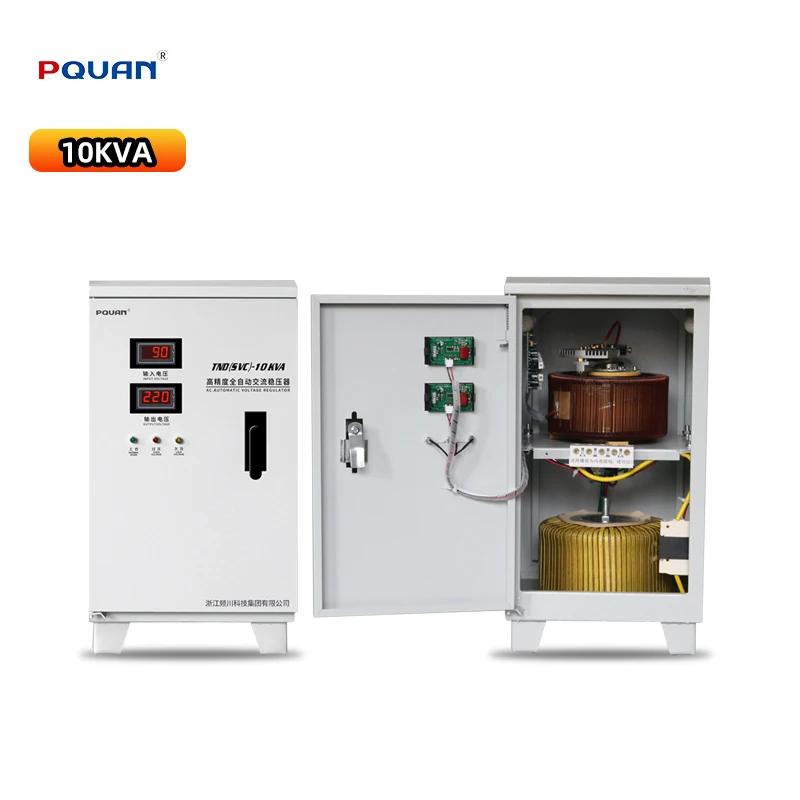
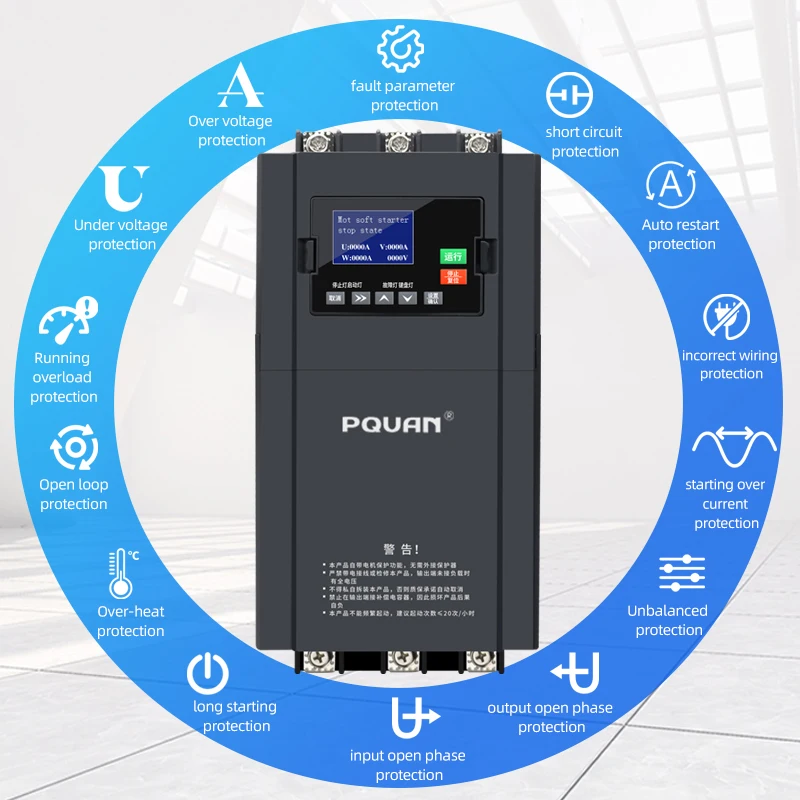
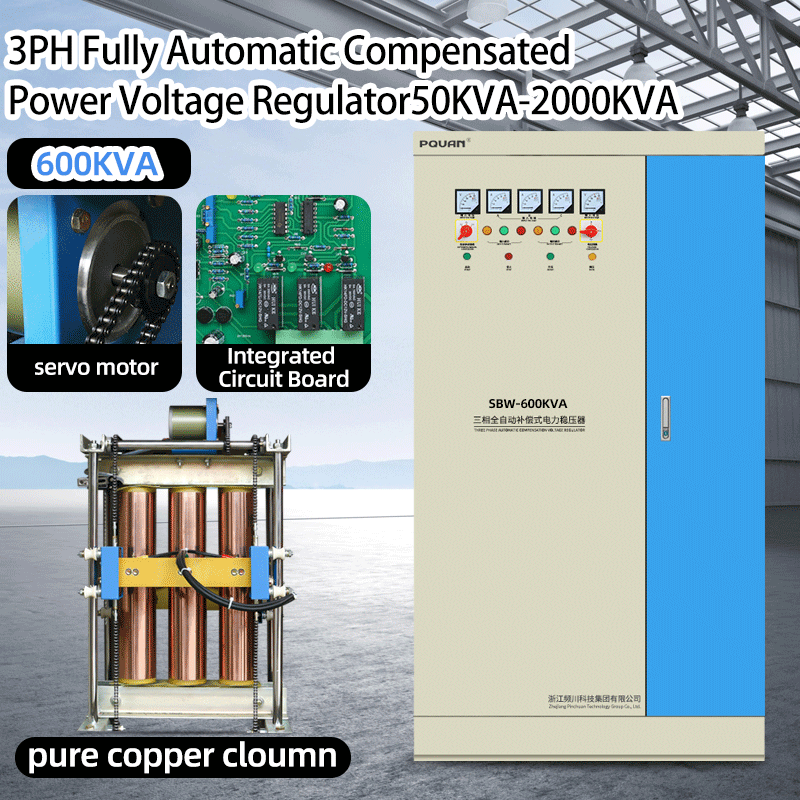
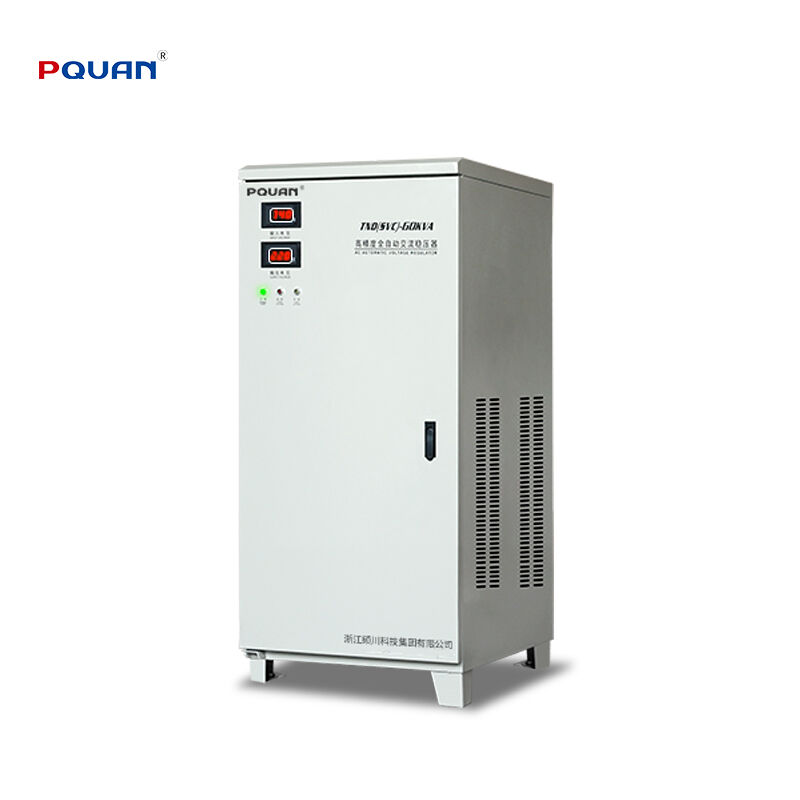
An adjustable voltage regulator represents a crucial electronic component designed to maintain a stable output voltage across varying input voltages and load conditions. This sophisticated device allows users to set and modify the output voltage according to their specific requirements, providing flexibility that fixed voltage regulators cannot offer. The adjustable voltage regulator operates by continuously monitoring the output voltage and making real-time adjustments to ensure consistent power delivery to connected devices and circuits. At its core, this regulator employs advanced feedback mechanisms that compare the actual output voltage against a reference voltage, automatically correcting any deviations to maintain precise voltage levels. The main functions of an adjustable voltage regulator include voltage conversion, power stabilization, and protection against electrical anomalies such as overvoltage, undervoltage, and short circuits. These regulators find extensive applications across numerous industries, from consumer electronics and telecommunications to automotive systems and industrial automation. In laboratory environments, researchers and engineers utilize adjustable voltage regulators for testing electronic components under various voltage conditions, enabling comprehensive product development and quality assurance processes. The technological features of modern adjustable voltage regulators encompass high efficiency ratings, low dropout voltages, minimal heat dissipation, and compact form factors that facilitate integration into space-constrained applications. Many contemporary models incorporate digital control interfaces, allowing for precise voltage adjustments through microcontroller integration or manual potentiometer settings. The versatility of the adjustable voltage regulator makes it indispensable for prototyping, where engineers need to experiment with different voltage levels without replacing components. Additionally, these regulators support both step-up and step-down voltage conversion, accommodating diverse power supply requirements within a single device, thereby reducing component count and system complexity while enhancing overall reliability and performance.
 EN
EN