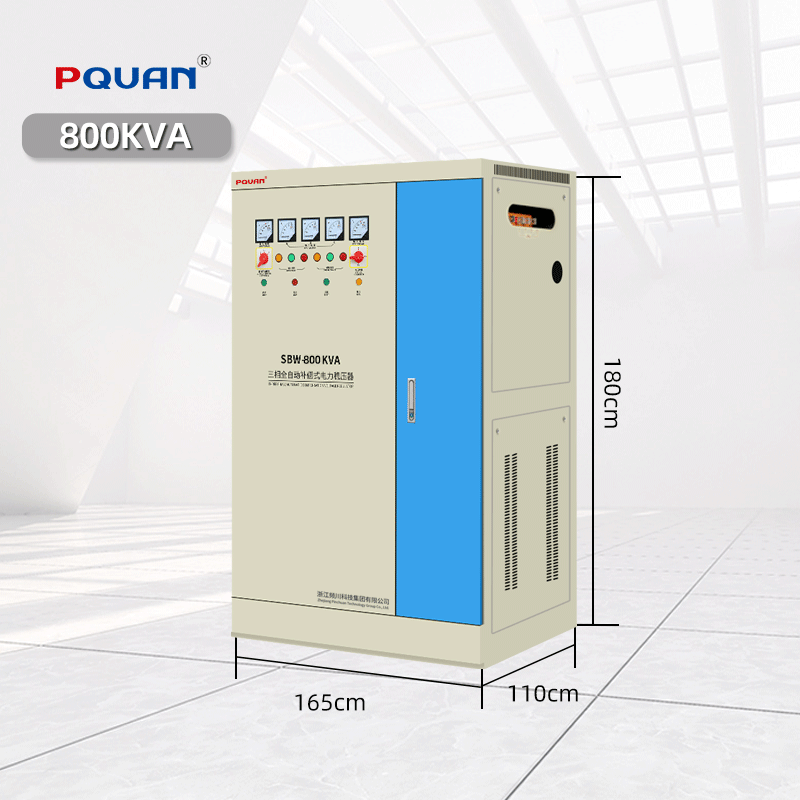
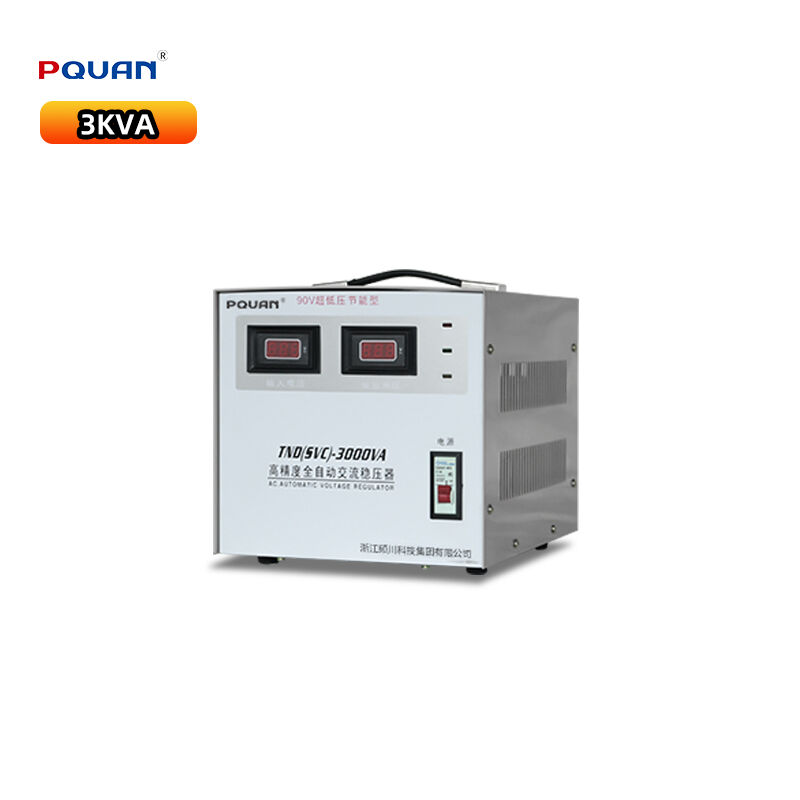
Voltage Conditioner: Advanced Power Protection for Sensitive Equipment

All Categories
Get a Quote
%}

Get a Free Quote

Our representative will contact you soon.
Email
Mobile/WhatsApp
Name
Message
0/1000

voltage conditioner

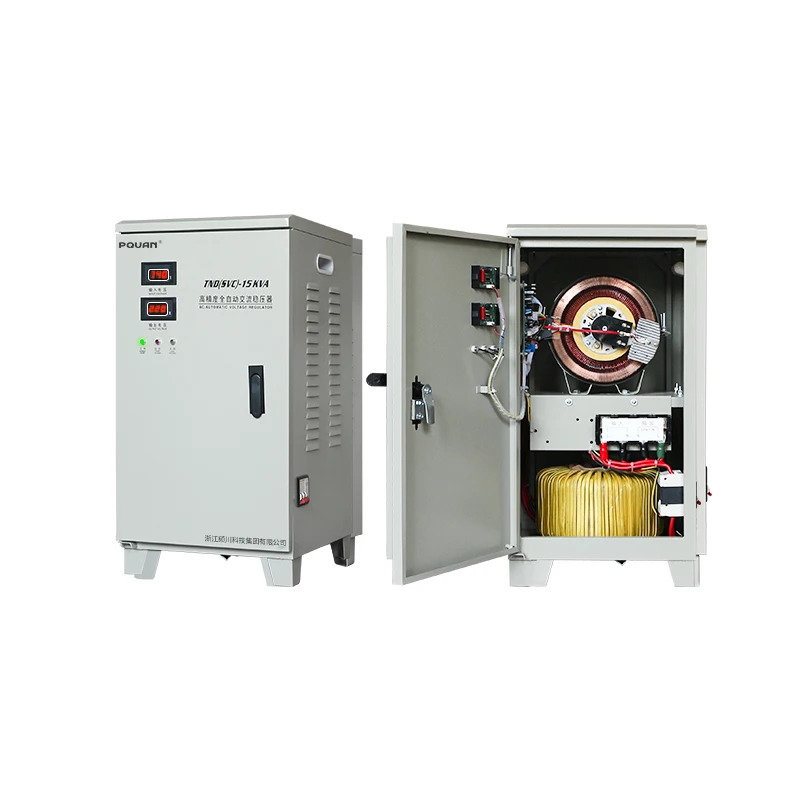
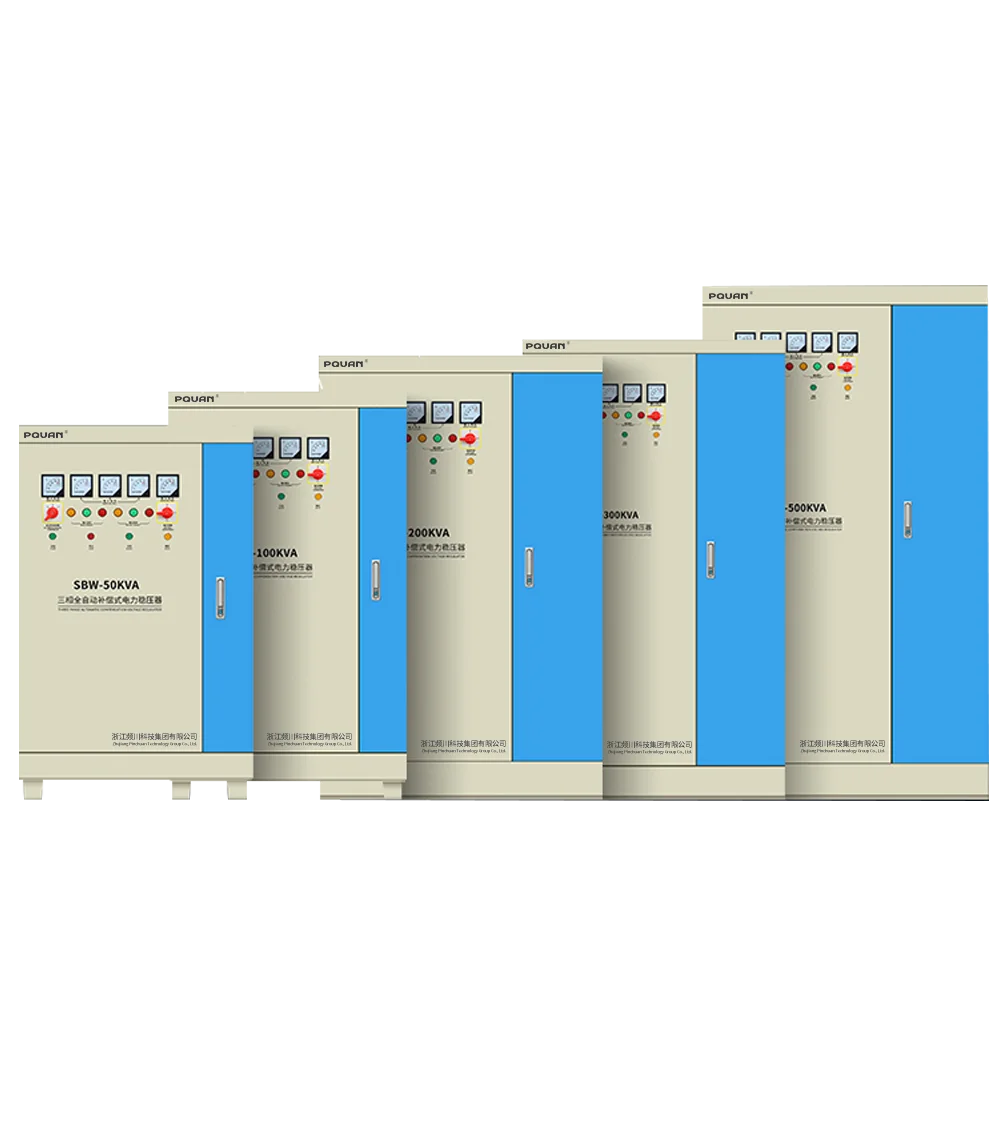
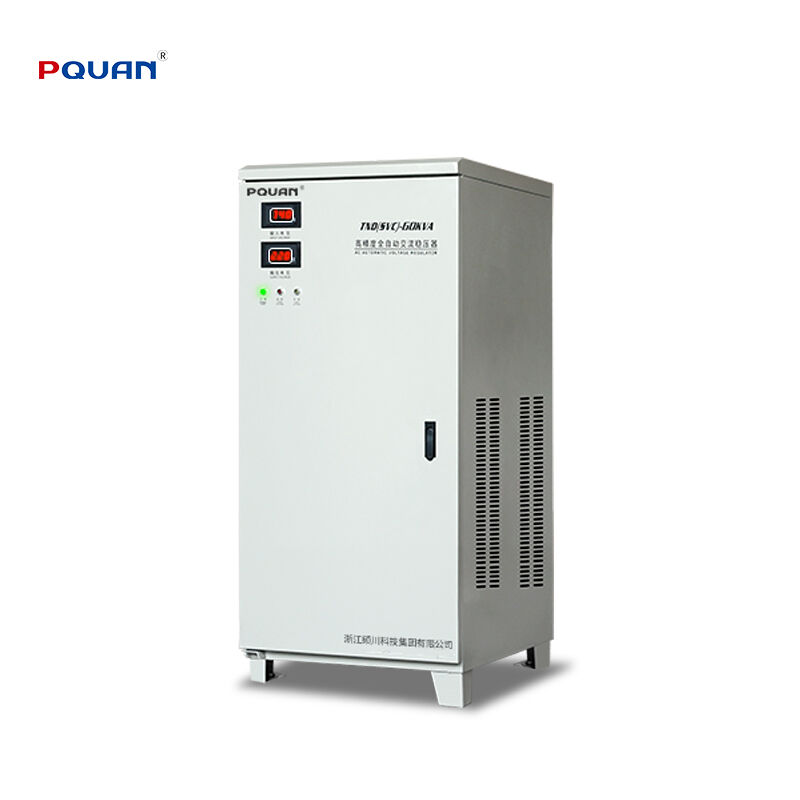
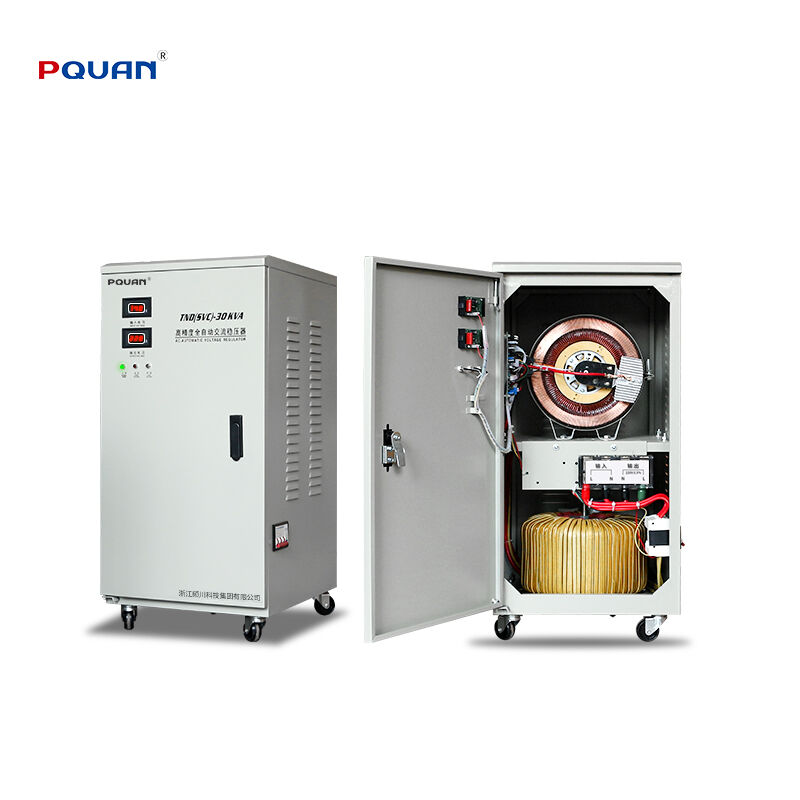
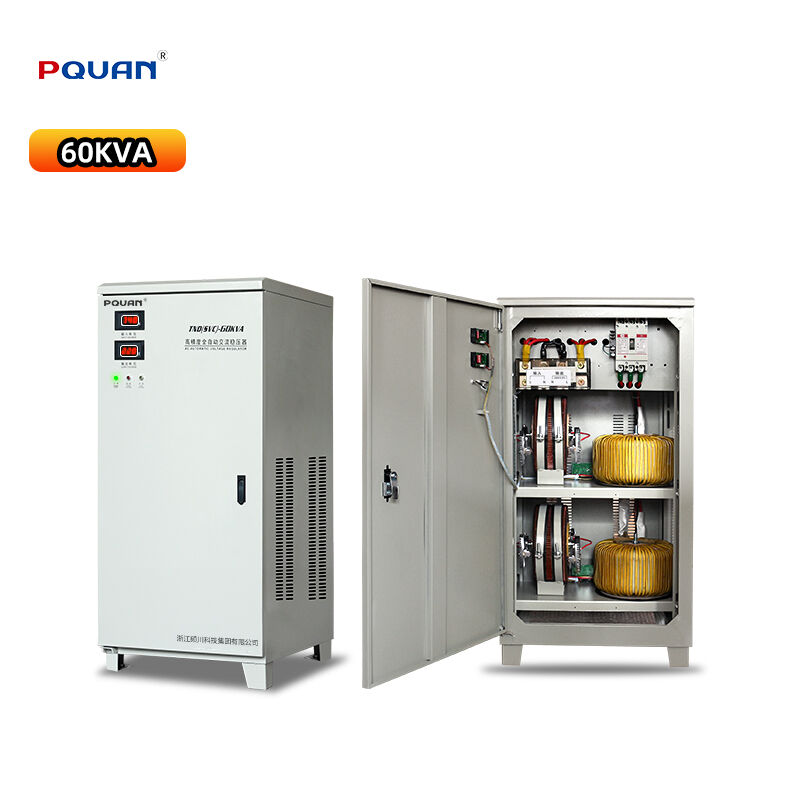
A voltage conditioner serves as an essential power quality device designed to protect sensitive electronic equipment from electrical disturbances and fluctuations in the power supply. This sophisticated equipment works continuously to monitor incoming electrical power and automatically corrects various anomalies including voltage sags, surges, spikes, and harmonic distortion. The primary function of a voltage conditioner revolves around maintaining a stable, clean power output regardless of the quality of incoming electricity. Modern voltage conditioners incorporate advanced circuitry that can detect power irregularities within microseconds and respond instantly to neutralize potential threats to connected equipment. These devices prove particularly valuable in environments where power quality issues occur frequently or where equipment sensitivity demands pristine electrical conditions. The technology behind voltage conditioners typically combines multiple stages of power processing including isolation transformers, electromagnetic interference filters, surge suppression components, and voltage regulation circuits. This multi-layered approach ensures comprehensive protection against the full spectrum of power quality problems. Applications for voltage conditioners span numerous industries and settings including medical facilities where diagnostic equipment requires stable power, manufacturing plants with precision machinery, data centers housing critical servers, broadcasting studios with sensitive audio and video equipment, laboratories conducting sensitive research, and commercial buildings with expensive computer systems. The voltage conditioner differs from simple surge protectors or basic uninterruptible power supplies by offering more sophisticated conditioning capabilities that address a broader range of power quality issues. Installation typically involves positioning the voltage conditioner between the main power source and the equipment requiring protection, creating a buffer zone that cleanses electrical power before it reaches valuable assets. The capacity of voltage conditioners varies significantly, with models available ranging from small units protecting individual workstations to large industrial systems safeguarding entire facilities. Selection criteria include the total load requirements, specific power quality issues present in the location, sensitivity levels of protected equipment, and budget considerations.

Popular Products

Implementing a voltage conditioner delivers tangible benefits that directly impact operational efficiency and equipment longevity. Organizations experience immediate cost savings through reduced equipment failures and extended lifespan of connected devices. When electrical equipment receives consistent, high-quality power, components experience less thermal stress and degradation, which translates to fewer breakdowns and lower maintenance expenses. The voltage conditioner acts as a silent guardian, working around the clock to ensure that power fluctuations never reach sensitive electronics. This protection becomes especially valuable during electrical storms, grid switching operations, or when large motors and equipment cycle on nearby circuits. Businesses report significant reductions in unexpected downtime when voltage conditioners protect critical systems. Every hour of unplanned downtime carries costs including lost productivity, missed deadlines, and potential revenue loss. By preventing power quality issues from disrupting operations, voltage conditioners help maintain consistent workflow and meet production targets reliably. The energy efficiency improvements offered by voltage conditioners also contribute to lower operating costs. By correcting power factor issues and reducing harmonic distortion, these devices help electrical systems operate more efficiently, which can result in measurable reductions in electricity consumption. Data integrity represents another crucial advantage, particularly for organizations handling sensitive information or conducting precision operations. Power disturbances can corrupt data, cause processing errors, or trigger system crashes that compromise valuable information. The voltage conditioner eliminates these risks by maintaining stable electrical conditions that allow computers and data storage systems to function reliably. Installation and operation of voltage conditioners require minimal technical expertise, making them accessible to organizations of all sizes. Most modern units feature plug-and-play designs with automatic operation that requires no ongoing adjustment or manual intervention. LED indicators or digital displays provide clear status information, allowing facility managers to monitor power conditions and device performance at a glance. The peace of mind that comes with comprehensive power protection cannot be understated. Equipment managers and facility directors rest easier knowing their valuable assets receive consistent protection against the unpredictable nature of electrical power quality. This confidence extends to employees who depend on reliable equipment to perform their jobs effectively. Furthermore, voltage conditioners contribute to workplace safety by reducing the likelihood of electrical fires or equipment malfunctions that could pose hazards. Insurance providers may even offer reduced premiums for facilities that demonstrate proper power protection measures. The return on investment for voltage conditioners typically materializes quickly through avoided equipment replacement costs and reduced downtime incidents, making them a financially sound decision for protecting valuable electrical assets.

Practical Tips

Automatic Voltage Regulator (AVR): How It Ensures Stable Electrical Supply

05

Mar

Automatic Voltage Regulator (AVR): How It Ensures Stable Electrical Supply

In today’s highly industrialized and digitized world, the stability of electrical power is paramount. Industrial manufacturing plants, data centers, healthcare facilities, and laboratories all rely on a continuous flow of clean, predictable ele...
View More
Voltage Regulator Maintenance: Tips to Keep It Running Smoothly

06

Mar

Voltage Regulator Maintenance: Tips to Keep It Running Smoothly

In the world of industrial automation and power distribution, equipment reliability is the foundation of profitability. Facilities invest heavily in sensitive machinery, automated production lines, and advanced control systems, all of which require a...
View More
Variable Frequency Drive (VFD): What It Is and How It Saves Energy

09

Mar

Variable Frequency Drive (VFD): What It Is and How It Saves Energy

Industrial facilities worldwide are increasingly turning to advanced motor control technologies to optimize their energy consumption and operational efficiency. Among these technologies, a variable frequency drive stands out as one of the most effect...
View More
Common Problems with Voltage Stabilizers and How to Troubleshoot Them

16

Apr

Common Problems with Voltage Stabilizers and How to Troubleshoot Them

In many industrial and commercial facilities, voltage stabilizers are the unsung heroes of electrical reliability. These devices work tirelessly behind the scenes to smooth out unpredictable grid fluctuations, protecting sensitive machinery from the ...
View More

Get a Free Quote

Our representative will contact you soon.
Email
Mobile/WhatsApp
Name
Message
0/1000

voltage conditioner

Advanced Real-Time Voltage Regulation Technology

Advanced Real-Time Voltage Regulation Technology

The cornerstone feature of modern voltage conditioners lies in their ability to perform instantaneous voltage regulation that responds to power fluctuations faster than the human eye can blink. This technology employs sophisticated microprocessor control systems that continuously sample incoming voltage levels thousands of times per second, comparing actual values against ideal parameters. When deviations occur, the voltage conditioner immediately activates correction circuits that adjust output voltage to maintain stable levels within tight tolerances, typically plus or minus one percent of nominal voltage. This precision proves critical for equipment with narrow operating windows that cannot tolerate even minor variations. The regulation process occurs through multiple stages, beginning with input voltage monitoring that identifies irregularities including brownouts where voltage drops below normal levels and surges where voltage spikes above safe thresholds. The voltage conditioner then routes power through specialized transformer circuits or electronic regulation systems that boost insufficient voltage or suppress excessive voltage as needed. This dynamic adjustment happens seamlessly without interrupting power flow to connected equipment, ensuring continuous operation even during severe grid disturbances. The technology also addresses transient voltage events, those split-second spikes or dips that might last only milliseconds but carry enough energy to damage sensitive components or disrupt digital processing. Advanced filtering circuits within the voltage conditioner capture and neutralize these transients before they propagate to protected equipment. The real-time nature of this protection means equipment receives consistent, stable power regardless of external conditions affecting the electrical grid. Industrial facilities particularly benefit from this feature when operating heavy machinery that causes voltage fluctuations on shared circuits. Medical environments depend on this capability to maintain critical life-support systems and diagnostic equipment that cannot tolerate power variations. The regulation technology adapts automatically to different load conditions, maintaining stable output whether protecting a single computer or an entire network of interconnected devices. This adaptability eliminates the need for manual adjustments or multiple units sized for different applications. The result delivers plug-and-play simplicity combined with industrial-grade protection that users can trust to safeguard their most valuable and sensitive electrical equipment against the full spectrum of voltage-related power quality problems.
Comprehensive Electromagnetic Interference Filtering

Comprehensive Electromagnetic Interference Filtering

Electrical noise pollution represents an invisible threat that permeates modern power systems, generated by switching power supplies, motor drives, wireless devices, and countless other sources of electromagnetic interference. The voltage conditioner addresses this challenge through multiple stages of specialized filtering that remove noise and interference from electrical power before it reaches protected equipment. This filtering capability proves essential because electromagnetic interference can cause numerous problems including data corruption, communication errors, audio and video quality degradation, and premature failure of electronic components. The filtering architecture typically incorporates both common-mode and differential-mode noise suppression technologies that target different types of interference. Common-mode filters address noise that appears equally on both power conductors relative to ground, while differential-mode filters eliminate noise that exists as a voltage difference between the conductors. This dual-filtering approach ensures comprehensive noise removal across a wide frequency spectrum, from low-frequency disturbances caused by large motors to high-frequency interference generated by digital switching circuits. The physical construction of these filters employs carefully selected components including inductors, capacitors, and specialized core materials that provide optimal noise attenuation characteristics. Engineers design the filter circuits to achieve high insertion loss at problematic frequencies while maintaining minimal impedance at the fundamental power frequency, allowing clean power to pass through unimpeded while blocking unwanted noise. The importance of electromagnetic interference filtering extends beyond simple equipment protection to encompass system performance and reliability. In audio and video production environments, even small amounts of electrical noise can manifest as audible hum, visible interference patterns, or recording artifacts that compromise output quality. Scientific instrumentation requires noise-free power to maintain measurement accuracy and repeatability. Computer networks depend on clean power to prevent data transmission errors and system instabilities. The voltage conditioner delivers this pristine power quality through its comprehensive filtering capabilities, creating an electrical environment where sensitive equipment can operate at peak performance levels. The filtering system works continuously and automatically, requiring no user intervention or adjustment to maintain optimal protection. As new noise sources appear or existing interference levels change, the passive filter networks continue providing consistent attenuation without degradation over time. This reliability makes electromagnetic interference filtering one of the most valuable features of voltage conditioners, particularly in environments with multiple potential noise sources or where equipment sensitivity demands exceptionally clean power for proper operation.

Surge Protection and Isolation Capabilities

Surge Protection and Isolation Capabilities

Electrical surges pose one of the most destructive threats to modern electronic equipment, capable of causing immediate catastrophic failure or cumulative damage that shortens equipment lifespan. The voltage conditioner incorporates robust surge protection systems specifically engineered to intercept and neutralize surge energy before it reaches connected devices. These protection circuits employ multiple layers of defense including metal oxide varistors, gas discharge tubes, and avalanche diodes that activate in microseconds when surge voltages exceed safe thresholds. The surge suppression components work by providing a low-impedance path that diverts excess energy safely to ground, clamping surge voltages to levels that protected equipment can withstand. This multi-stage approach ensures that even extremely large surges, such as those induced by nearby lightning strikes or utility switching operations, cannot penetrate the protective barrier established by the voltage conditioner. The energy absorption capacity of these surge protection systems far exceeds simple plug-in surge strips, with industrial-grade voltage conditioners capable of handling tens of thousands of amperes of surge current without failure. This high capacity proves essential because a single large surge event can overwhelm inadequate protection devices, leaving equipment vulnerable to damage. Beyond surge suppression, many voltage conditioners incorporate galvanic isolation through transformer-based designs that electrically separate input power from output power. This isolation provides additional protection by breaking direct conductive paths that surges and electrical noise could otherwise follow from the power source to sensitive equipment. The transformer isolation also eliminates ground loop problems that can cause interference and create safety hazards in complex installations with multiple interconnected devices. The physical separation created by isolation transformers means that electrical faults or surges on the input side cannot directly couple to the output side, providing an additional layer of safety and protection. This feature proves particularly valuable in harsh electrical environments where power quality issues occur frequently or where lightning activity poses ongoing threats. The combination of aggressive surge suppression and electrical isolation creates a formidable defense system that stands between valuable equipment and the unpredictable nature of electrical power distribution. Equipment protected by voltage conditioners with comprehensive surge protection and isolation capabilities demonstrates significantly longer service lives and experiences fewer unexpected failures. Organizations benefit from reduced repair costs, eliminated downtime from surge-related equipment damage, and the confidence that comes from knowing their electrical infrastructure includes industrial-strength protection against one of the most common and destructive power quality problems affecting modern facilities.
Voltage Conditioner: Advanced Power Protection for Sensitive Equipment

Get a Free Quote

Our representative will contact you soon.
Email
Mobile/WhatsApp
Name
Message
0/1000