Future-Ready Smart Monitoring And Remote Management
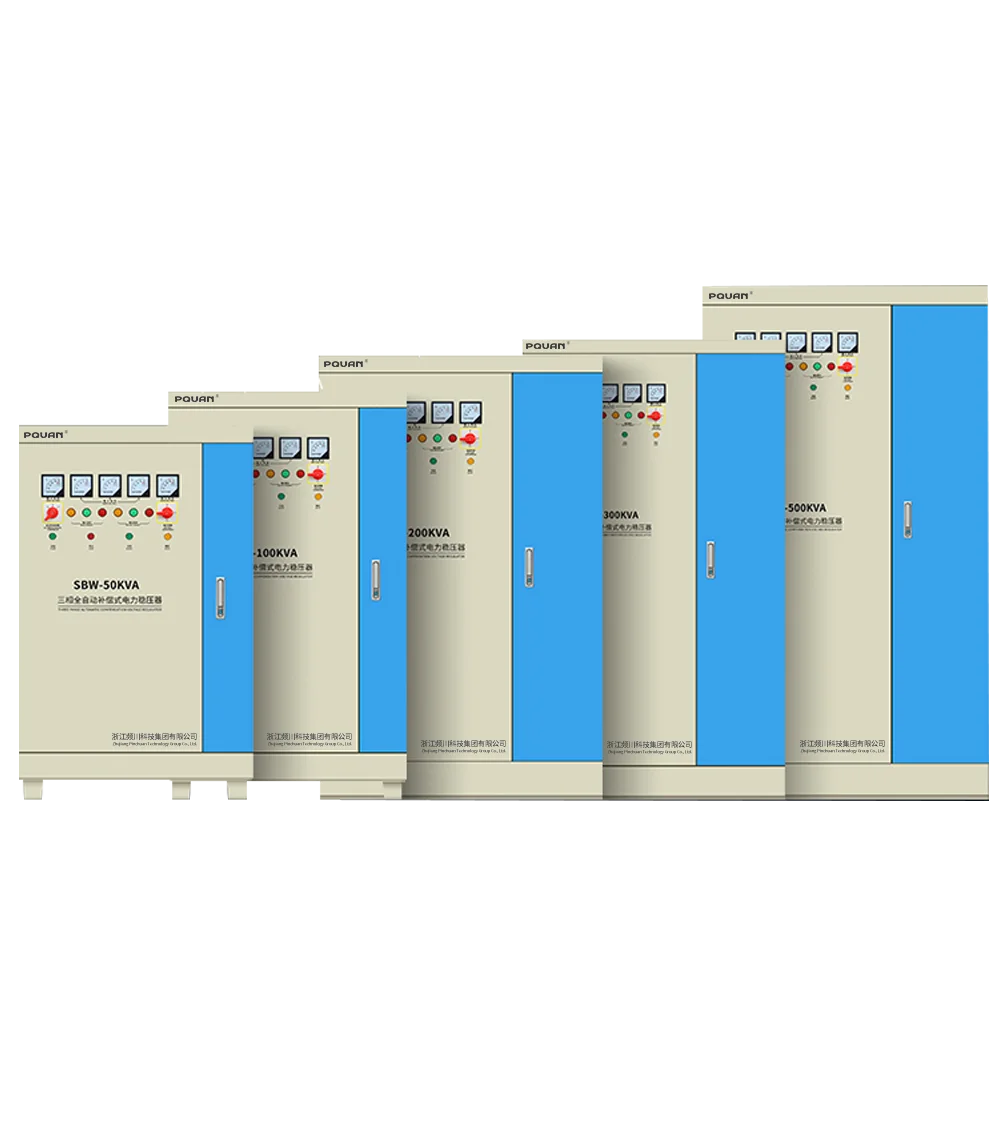
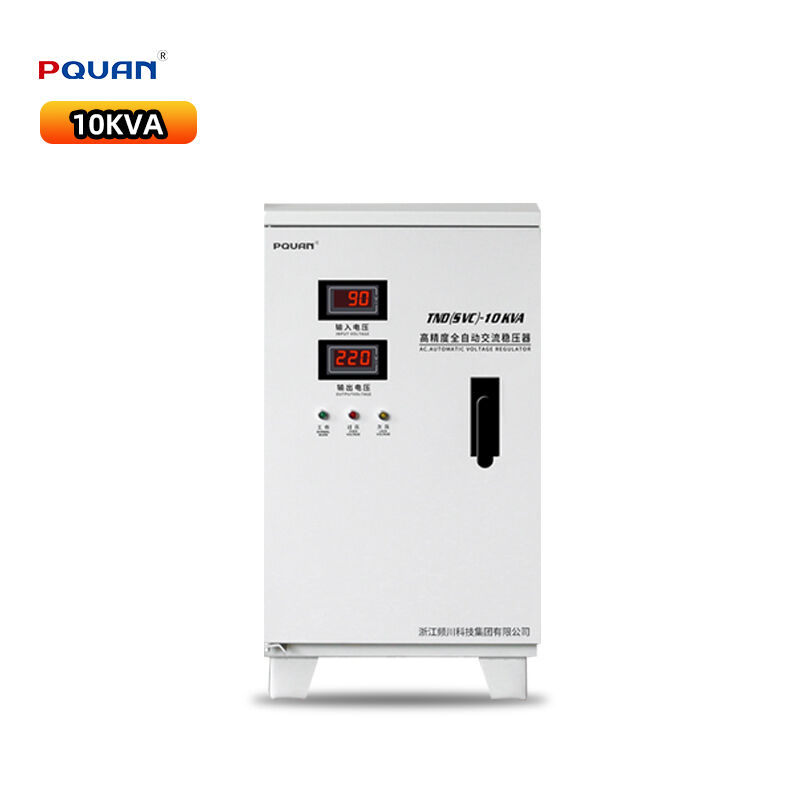
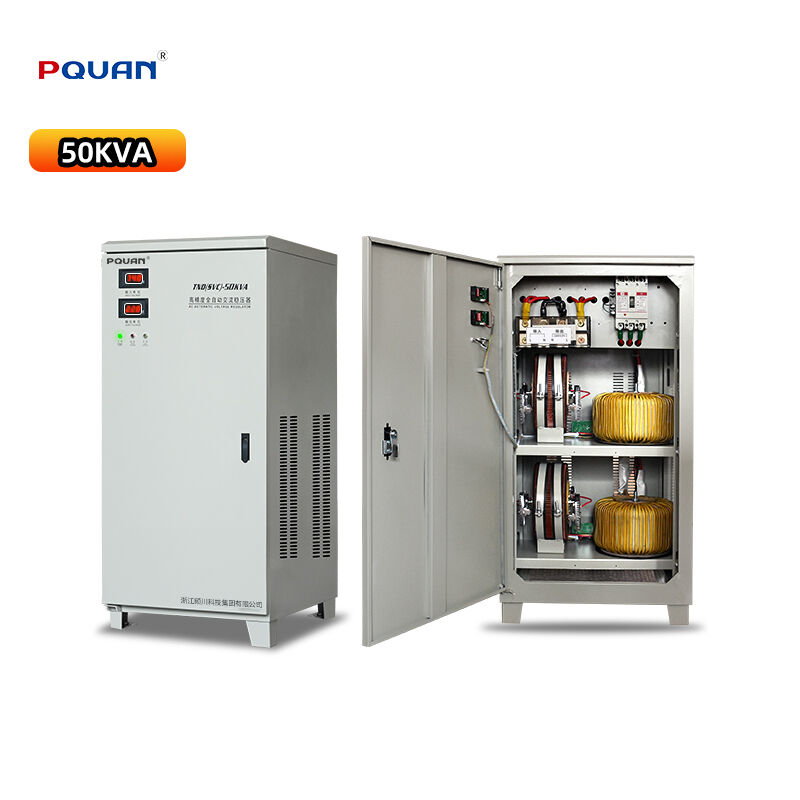
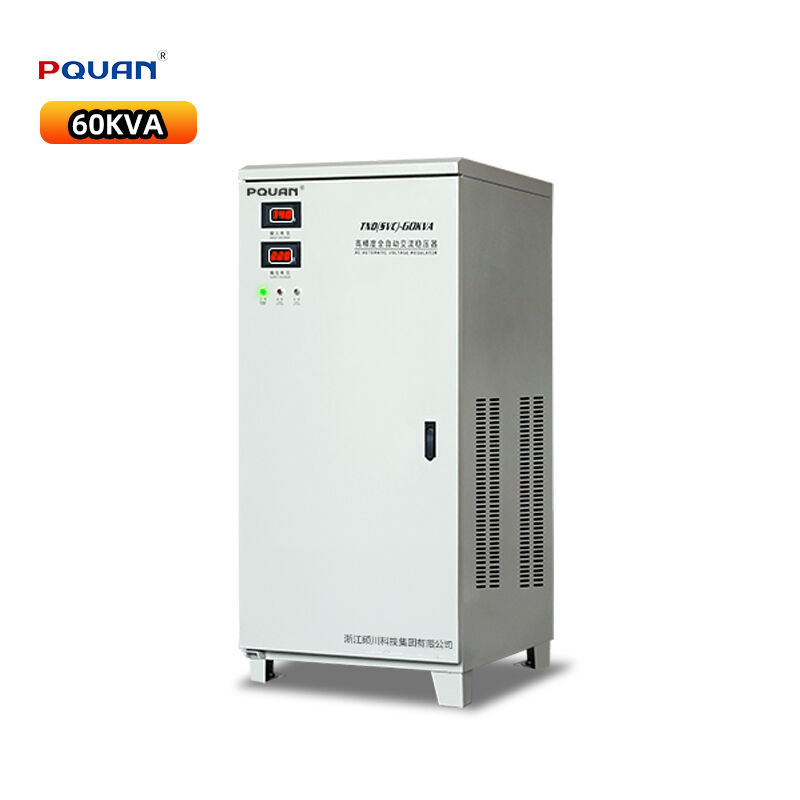
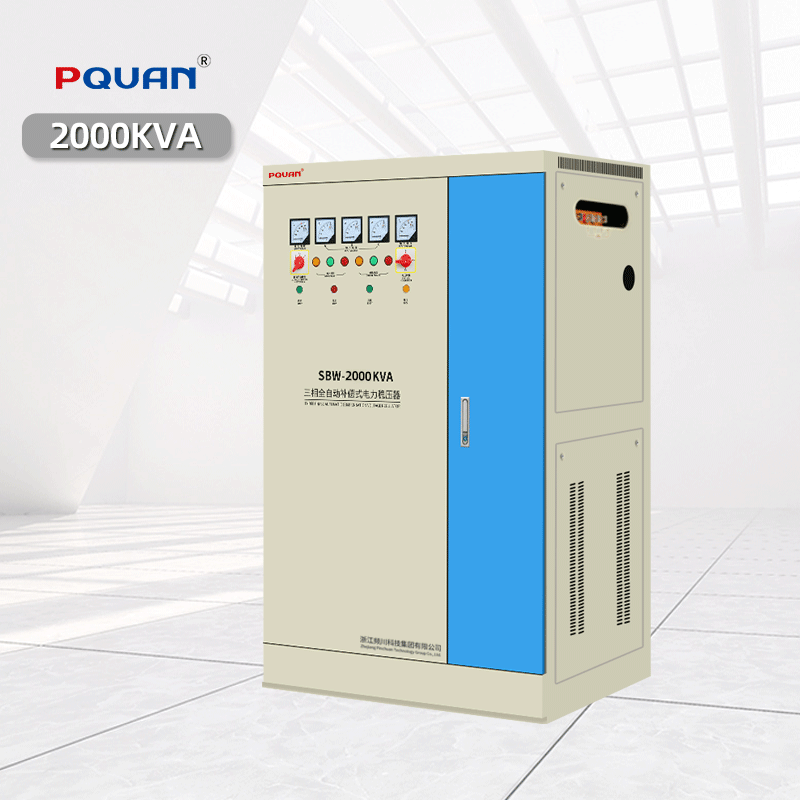
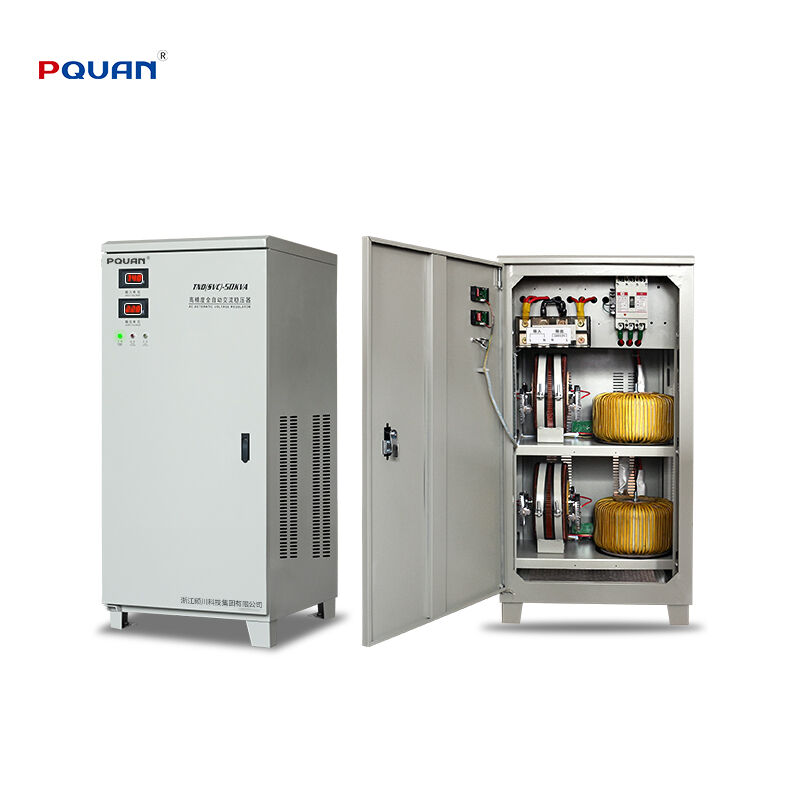
The solid state voltage regulator transforms power conditioning from a passive background function into an active, intelligent system that provides operational insights and enables proactive facility management through integrated monitoring and communication capabilities. Modern units incorporate sophisticated microprocessor control systems that do far more than simply regulate voltage, they collect comprehensive data about power quality conditions, equipment performance trends, and system health indicators that facility managers can leverage for strategic decision-making. The digital displays standard on current solid state voltage regulator models present real-time information including input voltage by phase, output voltage by phase, load current, power factor, total harmonic distortion, and cumulative energy consumption. This visibility allows immediate assessment of electrical system conditions during troubleshooting activities, equipment startup procedures, or load balancing evaluations. Beyond local displays, network connectivity options transform the solid state voltage regulator into a networked power quality monitoring node that integrates seamlessly with building management systems, SCADA platforms, and cloud-based analytics services. Facility managers can monitor multiple regulator installations from centralized control rooms or remote locations, receiving instant notifications when voltage conditions exceed preset thresholds or when system parameters indicate developing issues requiring attention. This remote visibility proves invaluable for multi-site operations managing distributed facilities, allowing corporate engineering teams to maintain oversight of power quality across their entire portfolio without traveling to each location. The data logging capabilities capture power quality events including voltage sags, surges, interruptions, and harmonic distortion episodes with precise timestamps and severity measurements. These logs provide forensic evidence when investigating equipment failures, documenting power quality problems for utility discussions, or validating warranty claims on damaged equipment. Trend analysis reveals patterns such as recurring voltage sags during specific times of day, gradual voltage decline indicating utility transformer issues, or increasing harmonic levels suggesting nonlinear load growth that requires mitigation. Predictive maintenance becomes possible through continuous monitoring of internal solid state voltage regulator parameters including semiconductor junction temperatures, cooling system performance, and capacitor aging indicators. The system can alert maintenance teams when components approach end-of-life conditions, enabling scheduled replacements during planned downtime rather than suffering unexpected failures during production hours. Integration capabilities extend to energy management initiatives, with the solid state voltage regulator providing granular consumption data that energy managers need for identifying waste, verifying conservation measure effectiveness, and allocating costs to specific departments or processes. Some advanced models offer programmable load shedding capabilities that automatically reduce power to non-critical loads during demand response events, helping facilities avoid peak demand charges and participate in utility incentive programs that reward consumption flexibility.
 EN
EN