ac drive for food processing equipment
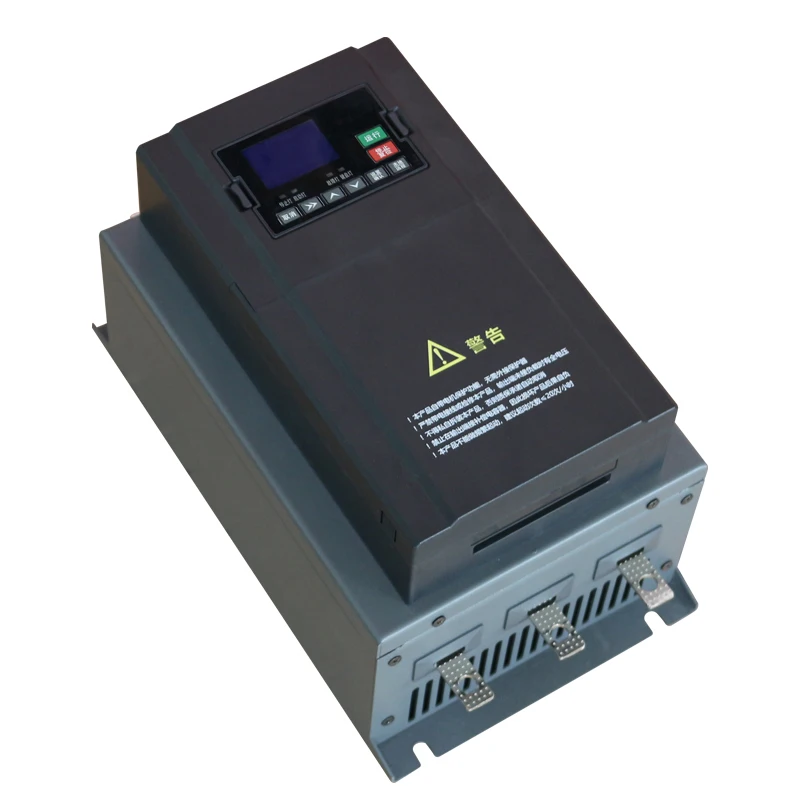
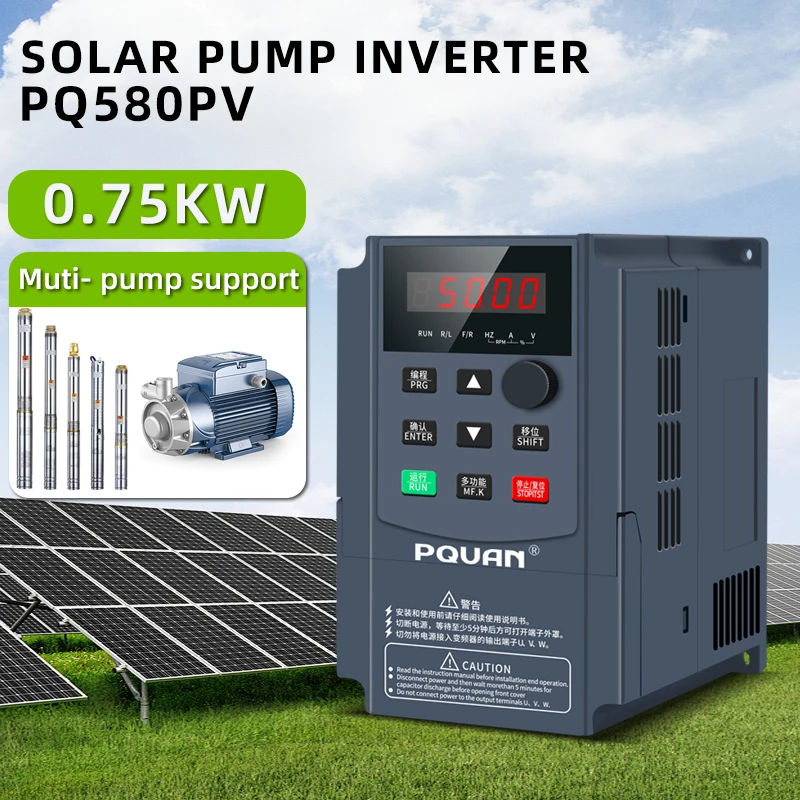
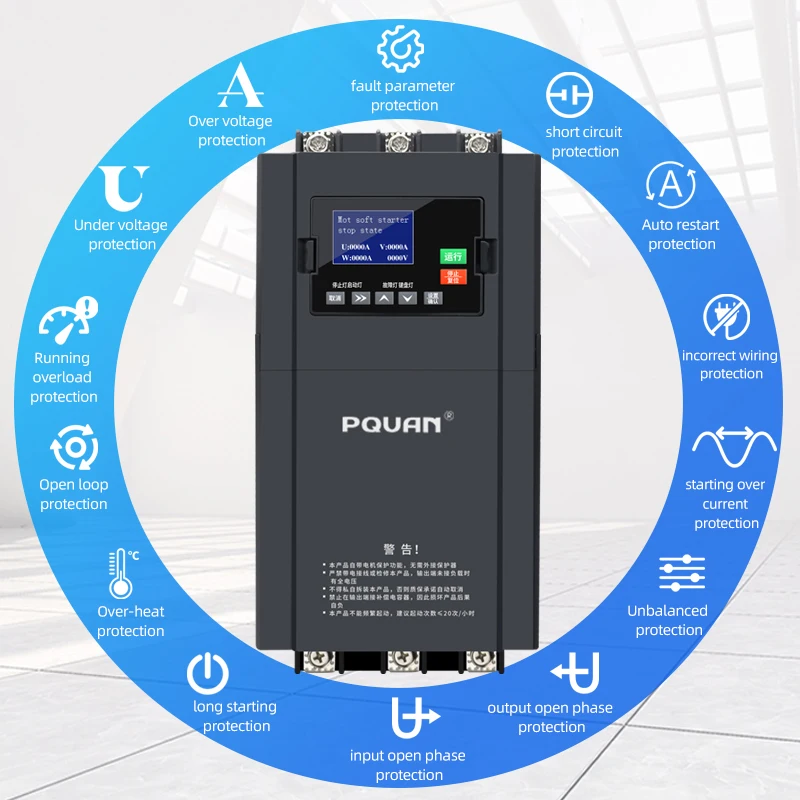
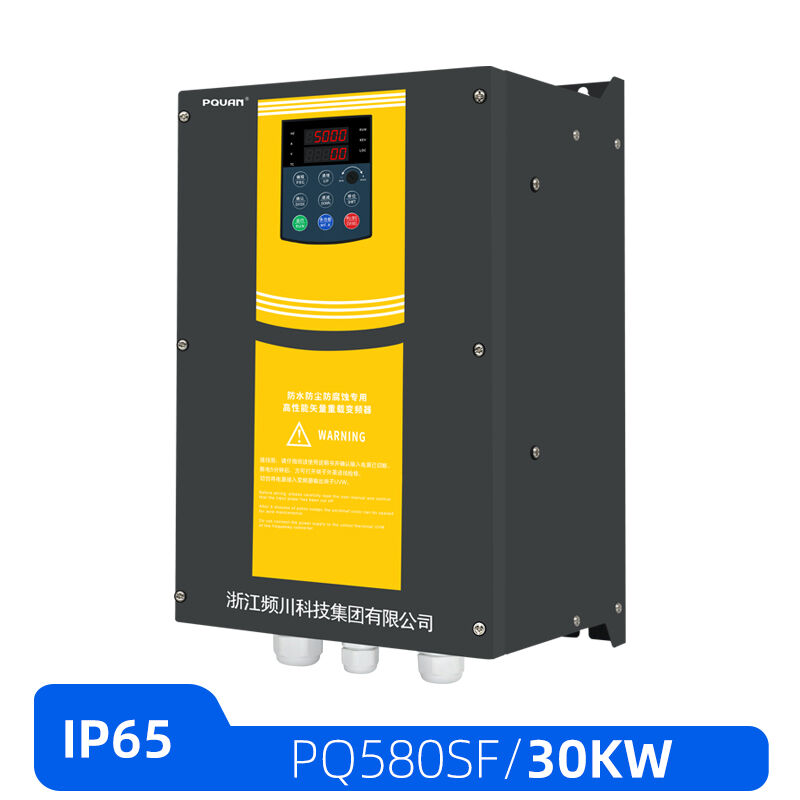
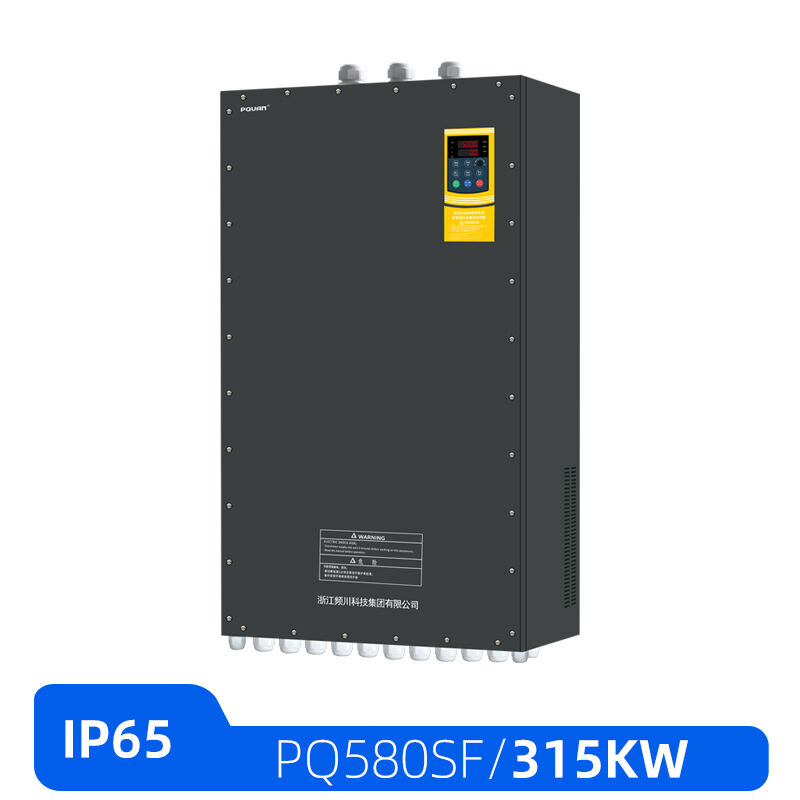
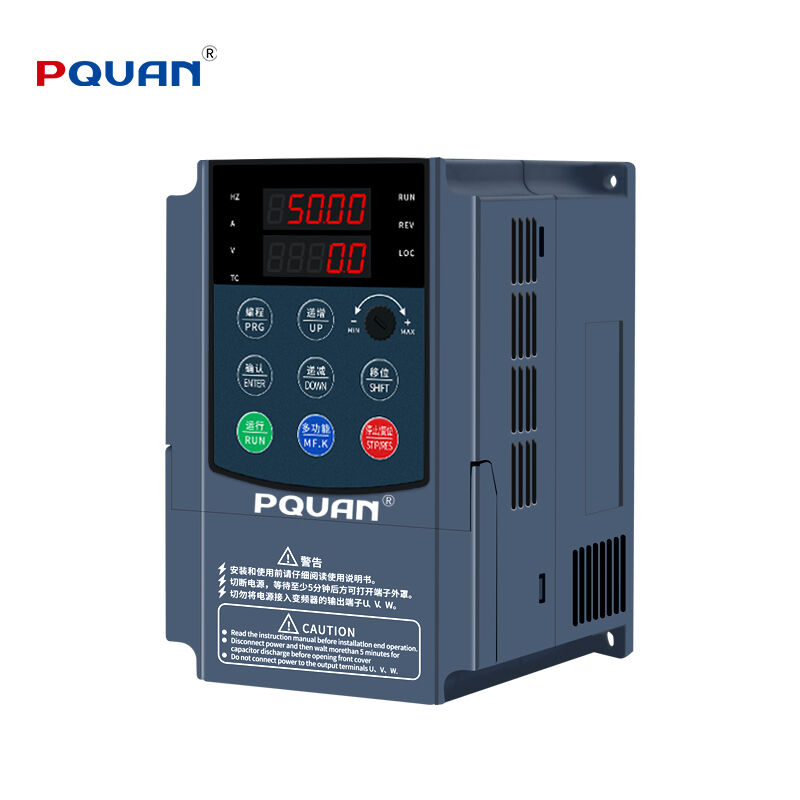
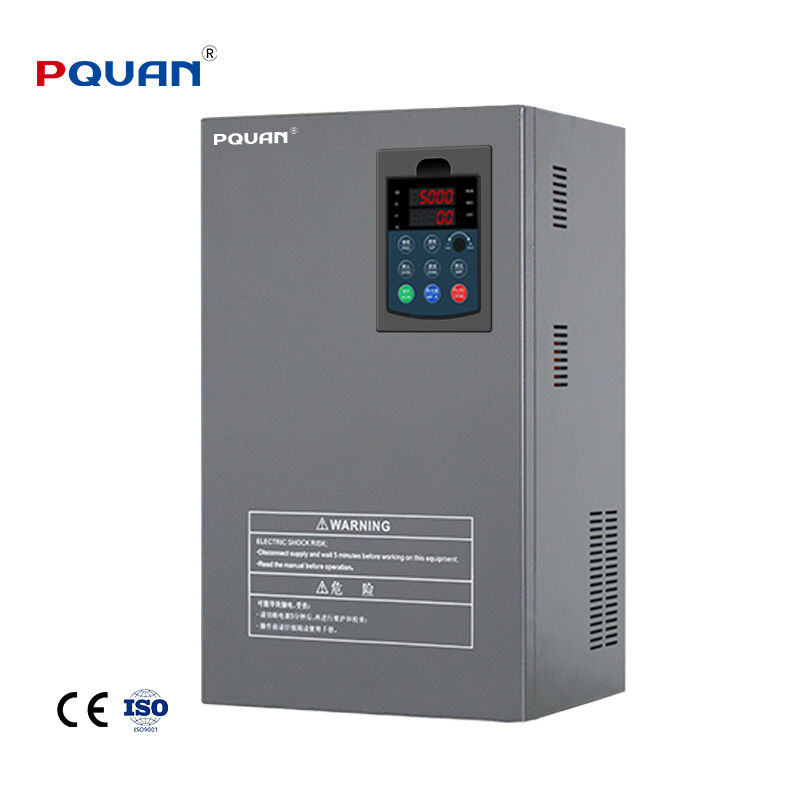
An ac drive for food processing equipment represents a sophisticated motor control solution that regulates the speed and torque of alternating current motors used throughout food production facilities. This essential technology enables precise control over conveyor belts, mixers, pumps, blenders, packaging machines, and refrigeration systems that form the backbone of modern food manufacturing operations. The ac drive for food processing equipment converts incoming AC power to DC, then back to AC at variable frequencies, allowing operators to adjust motor speeds seamlessly according to production requirements. These drives incorporate advanced microprocessor technology that monitors and adjusts performance parameters in real-time, ensuring consistent operation even under varying load conditions. The main functions include soft-starting capabilities that reduce mechanical stress on equipment, energy optimization through demand-based speed control, and protection features that prevent motor damage from overload, overheating, or electrical faults. Technological features of the ac drive for food processing equipment include washdown-rated enclosures meeting IP69K standards for high-pressure cleaning environments, stainless steel construction resistant to corrosive cleaning agents, and integrated communication protocols enabling seamless integration with plant automation systems. Modern drives offer intuitive interfaces with touchscreen displays, remote monitoring capabilities, and diagnostic tools that identify potential issues before they cause downtime. The applications span across dairy processing where precise temperature control during pasteurization is critical, beverage production requiring exact filling speeds, meat processing with variable conveyor speeds for different cuts, bakery operations demanding synchronized mixer speeds for consistent dough quality, and frozen food facilities where refrigeration compressors benefit from variable speed control. The ac drive for food processing equipment serves as a fundamental component in achieving production efficiency, maintaining food safety standards, and reducing operational costs across diverse food manufacturing environments.
 EN
EN