Advanced Process Control and System Integration Capabilities
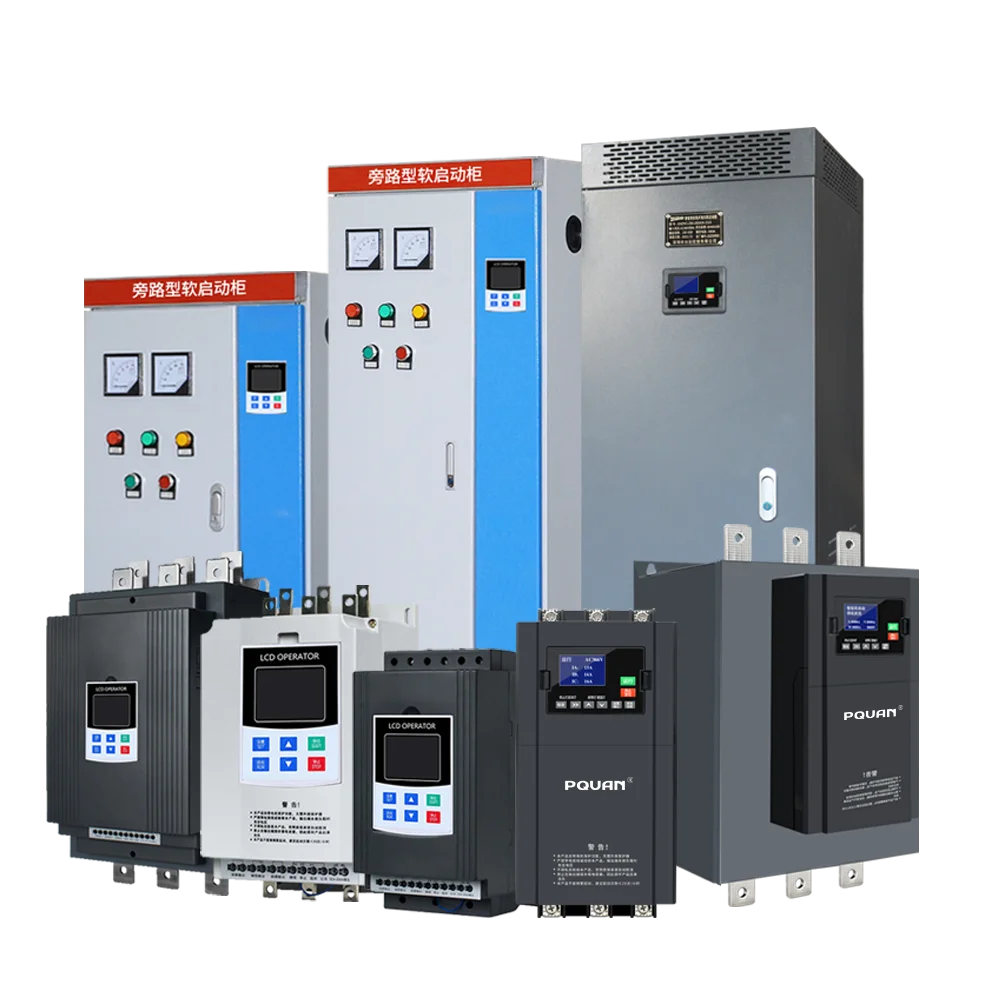
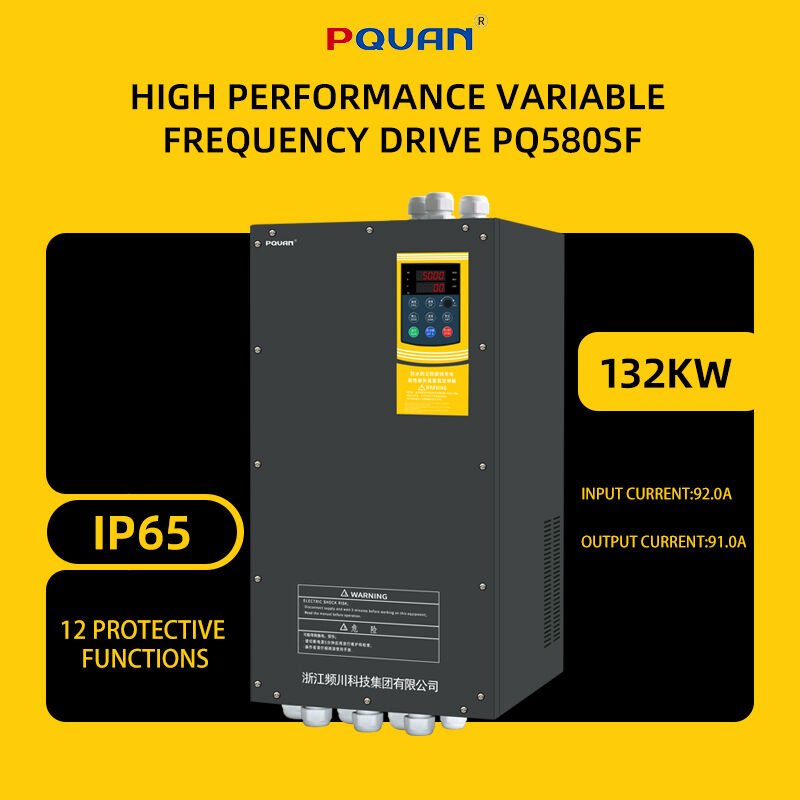
Modern ac drive for water treatment plants delivers sophisticated process control capabilities that enable water treatment facilities to achieve treatment objectives with greater precision and consistency than ever before. The drives accept input signals from various sensors including flow meters, pressure transducers, level sensors, and water quality analyzers, then automatically adjust pump and blower speeds to maintain setpoints regardless of changing conditions. This closed-loop control functionality transforms the ac drive for water treatment plants into an intelligent process controller rather than simply a motor speed regulator. For example, in aeration basins where maintaining proper dissolved oxygen levels is critical for biological treatment processes, the ac drive for water treatment plants can modulate blower speed continuously based on real-time oxygen measurements, ensuring optimal conditions while minimizing energy waste from over-aeration. Similarly, in filtration systems, the drives can maintain constant flow rates despite increasing filter resistance as particulates accumulate, then trigger backwash cycles when differential pressure reaches predetermined thresholds. The programmable logic built into the ac drive for water treatment plants supports complex control sequences including automatic pump rotation to equalize wear across multiple units, lead-lag staging to optimize efficiency, and emergency backup protocols that activate standby equipment if primary units fail. Communication protocols including Modbus, Profibus, Ethernet IP, and BACnet allow the ac drive for water treatment plants to integrate seamlessly with plant-wide control systems, enabling operators to monitor and adjust all drives from centralized control rooms. This integration provides comprehensive visibility into facility operations, with real-time data on energy consumption, equipment status, alarm conditions, and process performance accessible through intuitive graphical interfaces. Remote access capabilities mean that qualified personnel can monitor and control the ac drive for water treatment plants from anywhere with internet connectivity, enabling quick response to issues without requiring physical presence at the facility. The drives store extensive historical data including operating trends, fault logs, and performance metrics that support compliance reporting, energy audits, and continuous improvement initiatives. Advanced ac drive for water treatment plants offer customizable user interfaces that can be tailored to match specific facility needs, with password-protected access levels ensuring that only authorized personnel can modify critical parameters. The flexibility and intelligence embedded in these systems allow water treatment facilities to optimize operations continuously, adapting to changing conditions and requirements while maintaining reliable service delivery and regulatory compliance.
 EN
EN