Extended Equipment Longevity and Reduced Maintenance Requirements
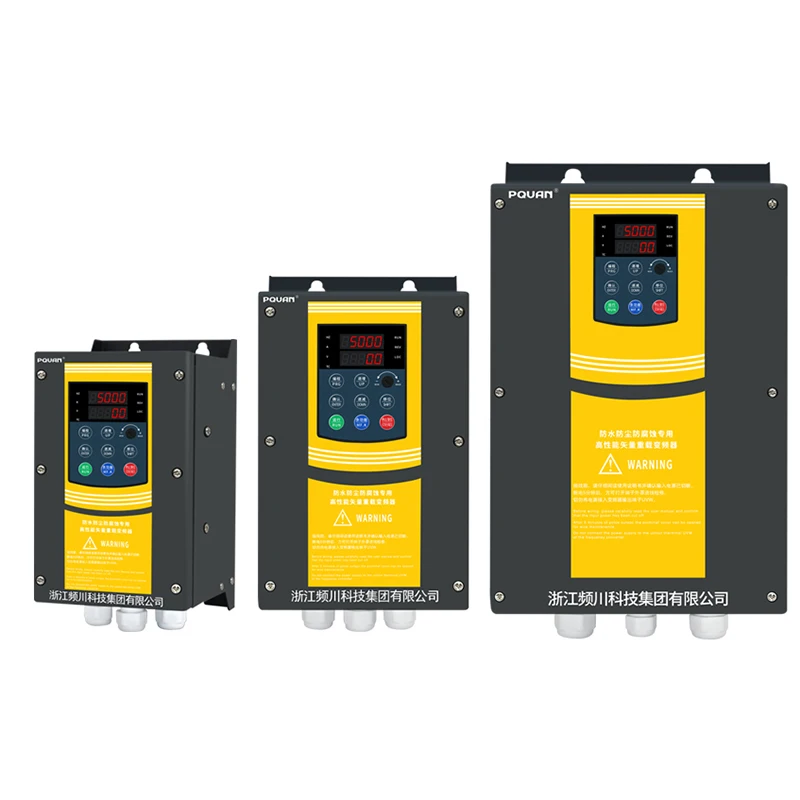
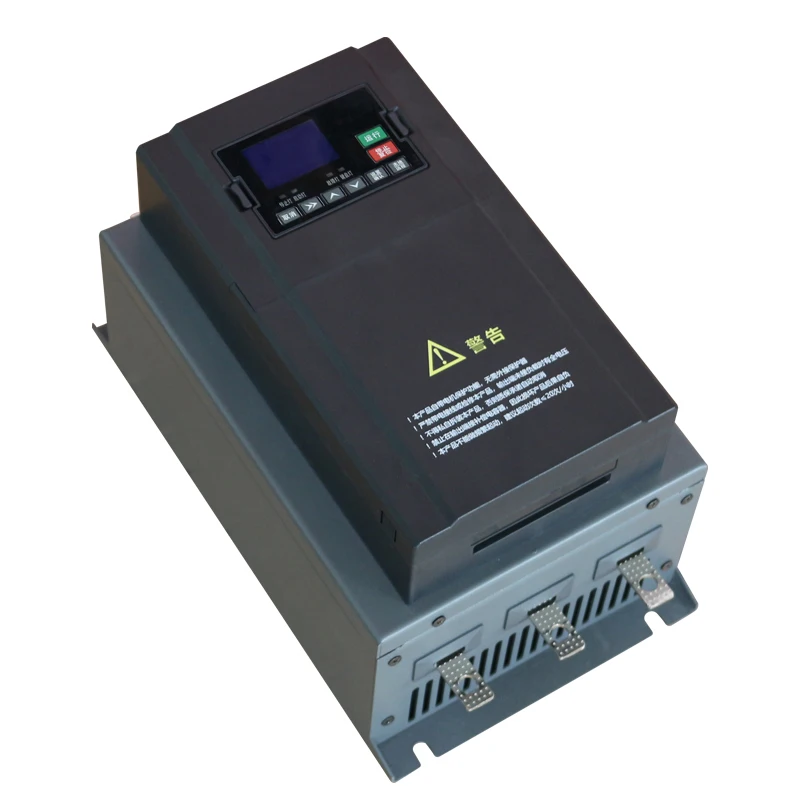
An ac drive for fan application dramatically extends the operational lifespan of fan systems and connected equipment by eliminating the destructive forces associated with conventional starting methods and enabling operation within optimal performance parameters. Traditional across-the-line motor starting subjects equipment to instantaneous mechanical shock as the motor accelerates from zero to full speed in less than one second, creating tremendous stress on bearings, shafts, couplings, belts, and fan impellers that accumulates over thousands of start cycles throughout the equipment's service life. The soft-start capability inherent in every ac drive for fan application gradually increases motor speed over a programmable acceleration time, typically ranging from 5 to 30 seconds, distributing mechanical forces smoothly across all components and virtually eliminating the fatigue damage that causes premature bearing failure, belt wear, and structural cracks in fan housings and mounting structures. This gentle acceleration reduces maintenance costs substantially, as bearing replacements that might occur annually under conventional operation may extend to three or four years when controlled by an ac drive for fan application, and belt-driven systems experience significantly longer belt life due to reduced slippage and tension variations during startup. The protective features embedded within an ac drive for fan application continuously monitor motor conditions and automatically adjust operation to prevent damage from adverse conditions such as voltage imbalances, phase loss, overload situations, or excessive ambient temperatures that would otherwise degrade motor windings and insulation systems. By maintaining motor operation within safe temperature ranges and current limits, an ac drive for fan application prevents the insulation degradation that represents the primary failure mechanism in electric motors, potentially doubling or tripling motor service life compared to unprotected operation. Variable-speed operation also reduces mechanical wear on system components beyond the motor itself, as running at reduced speeds during low-demand periods decreases vibration levels, bearing friction, and dynamic loading on structural supports, contributing to overall system reliability and reducing the frequency of unplanned maintenance interventions that disrupt operations and require emergency service calls at premium rates.
 EN
EN