ac and dc motor drives
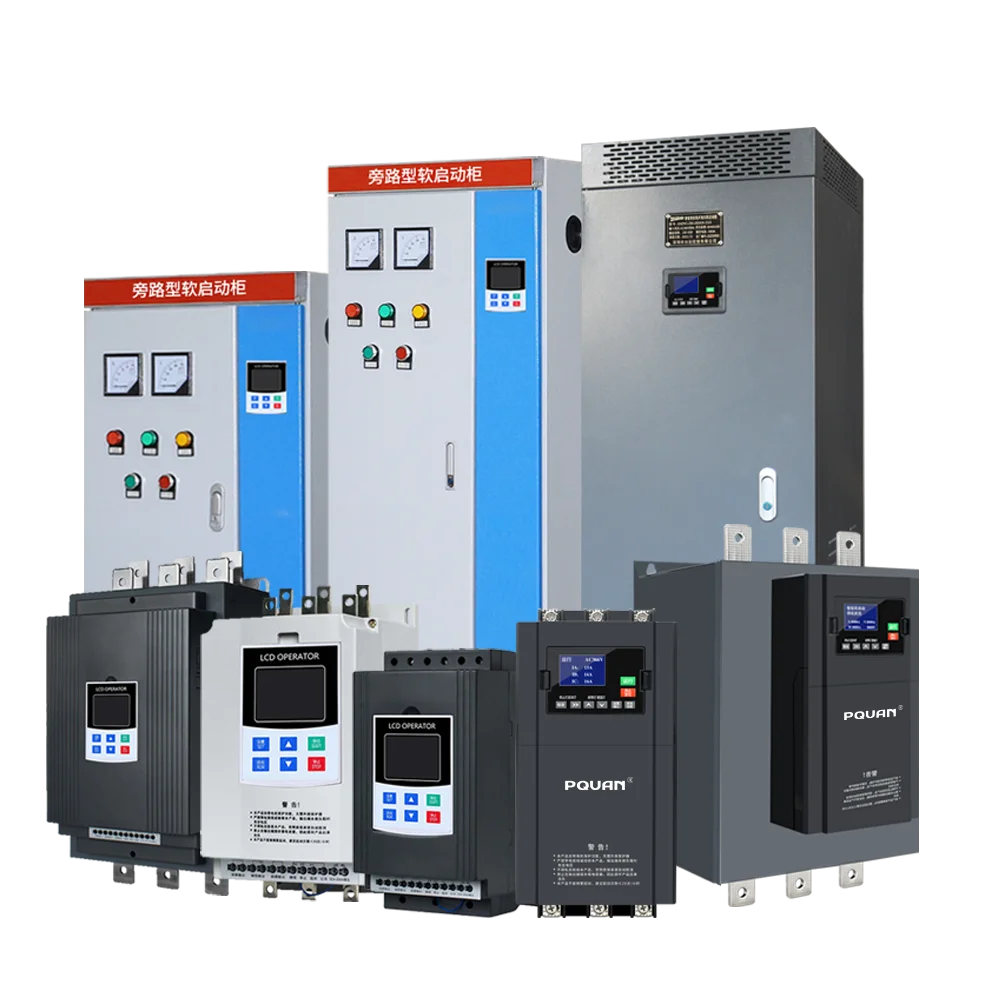
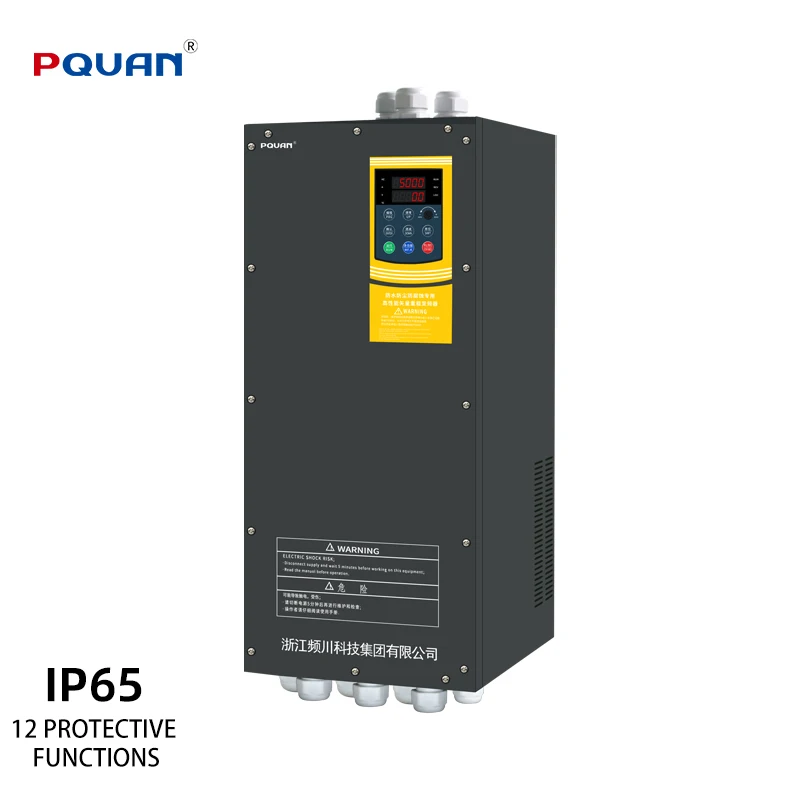
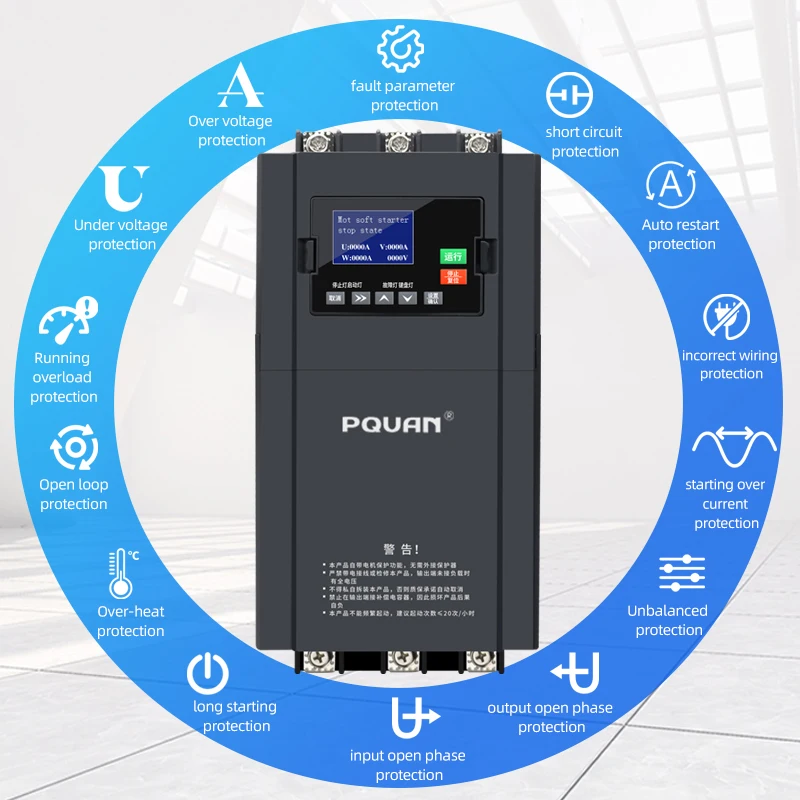
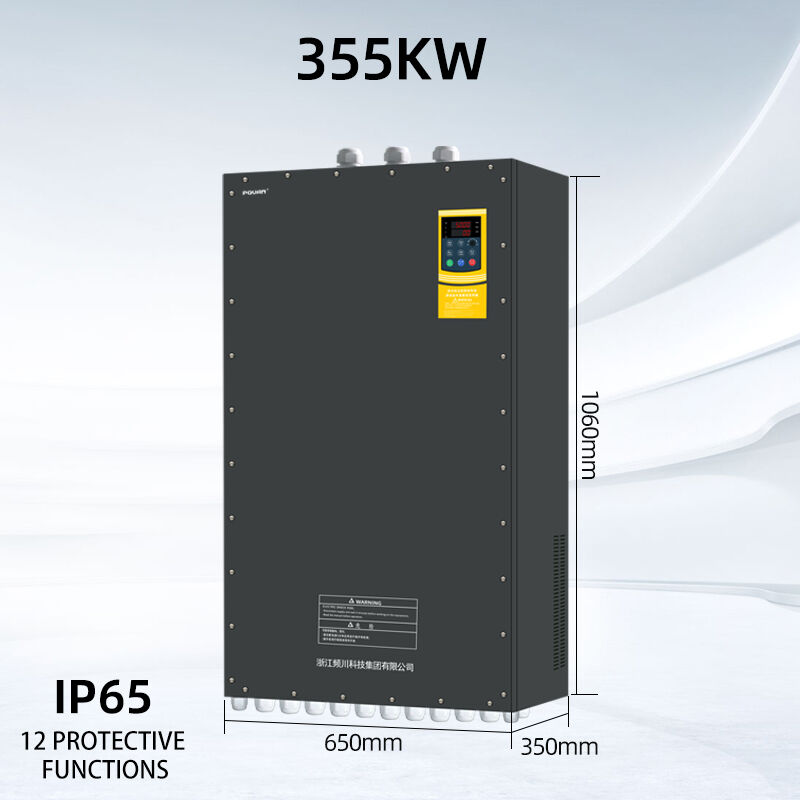
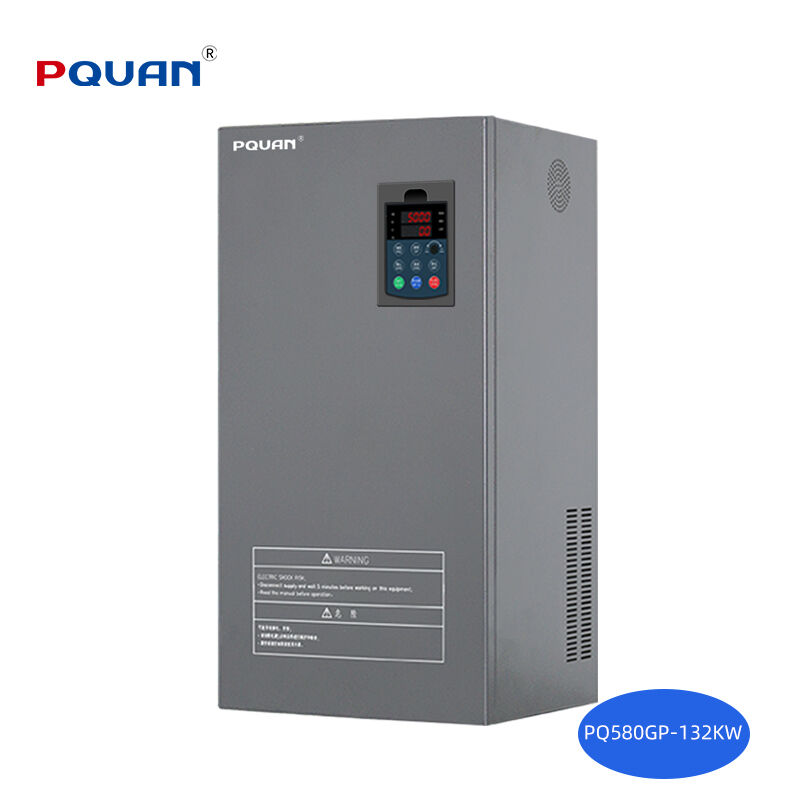
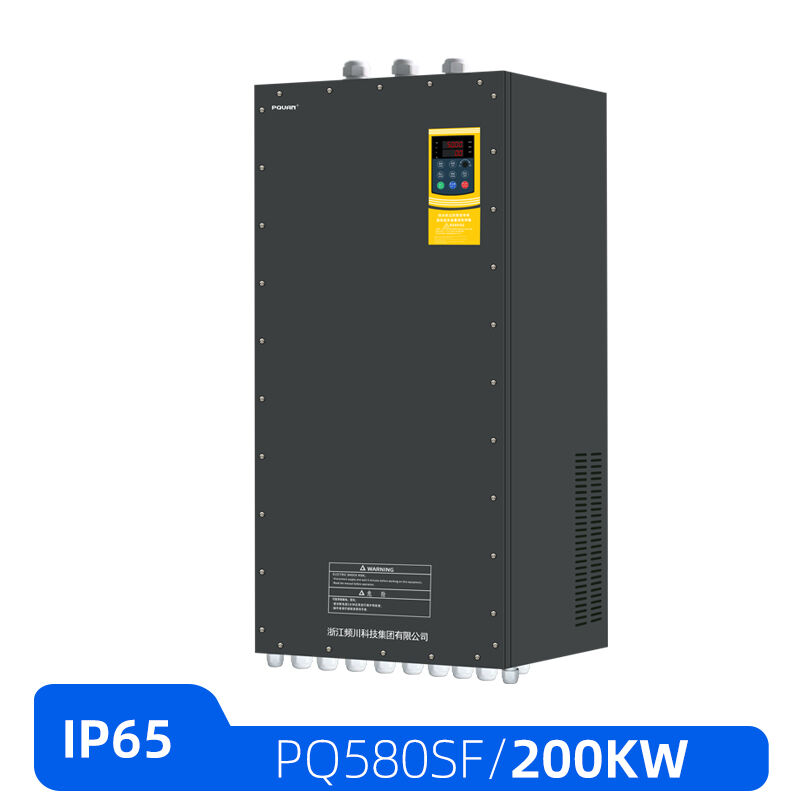
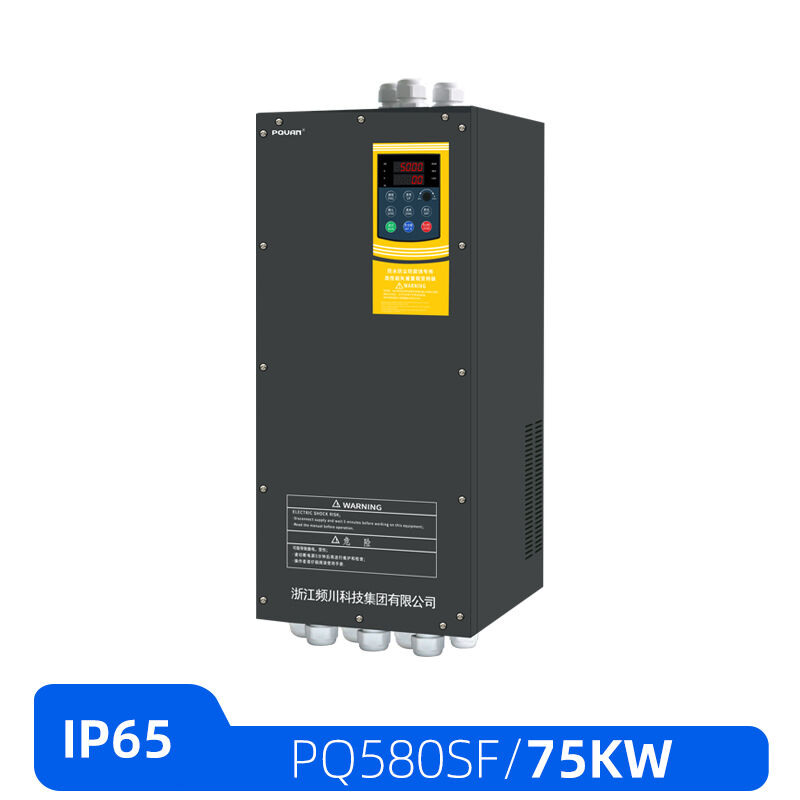
AC and DC motor drives represent essential components in modern industrial automation and motion control systems. These sophisticated devices regulate the speed, torque, and direction of electric motors, enabling precise control over mechanical processes across countless applications. AC motor drives, also known as variable frequency drives or inverters, control alternating current motors by adjusting the frequency and voltage supplied to the motor. DC motor drives manage direct current motors through precise voltage and current regulation. Both types of ac and dc motor drives serve as the bridge between control systems and motors, translating digital commands into precise mechanical motion. The main functions of ac and dc motor drives include speed control, which allows operators to adjust motor velocity according to process requirements, torque management for handling varying load conditions, and direction control for bidirectional operation. These drives also provide soft start capabilities, reducing mechanical stress on equipment during startup and extending component lifespan. Advanced ac and dc motor drives incorporate protection features such as overcurrent detection, overvoltage protection, and thermal monitoring to safeguard both the drive and connected motor. Technologically, modern ac and dc motor drives utilize power electronics, microprocessors, and sophisticated control algorithms. Pulse width modulation techniques enable precise power delivery, while feedback systems ensure accuracy and stability. Communication interfaces like Modbus, Profibus, and Ethernet/IP allow seamless integration into automated systems. Applications for ac and dc motor drives span manufacturing, where they control conveyor systems, pumps, and fans; HVAC systems requiring variable airflow; material handling equipment including cranes and hoists; and process industries managing mixers, extruders, and compressors. The versatility of ac and dc motor drives makes them indispensable in sectors ranging from food processing to mining operations, wherever precise motor control enhances productivity and efficiency.
 EN
EN