VFD Frequency Converter: Advanced Motor Control Solutions for Industrial Efficiency

All Categories
Get a Quote
%}

Get a Free Quote

Our representative will contact you soon.
Email
Name
Company Name
Message
0/1000

vfd frequency converter

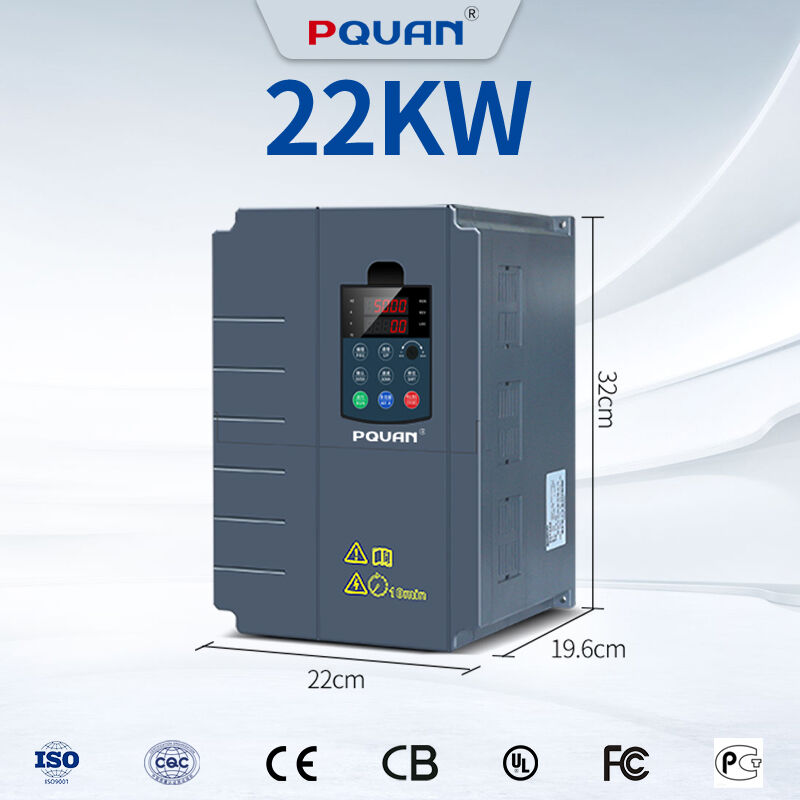
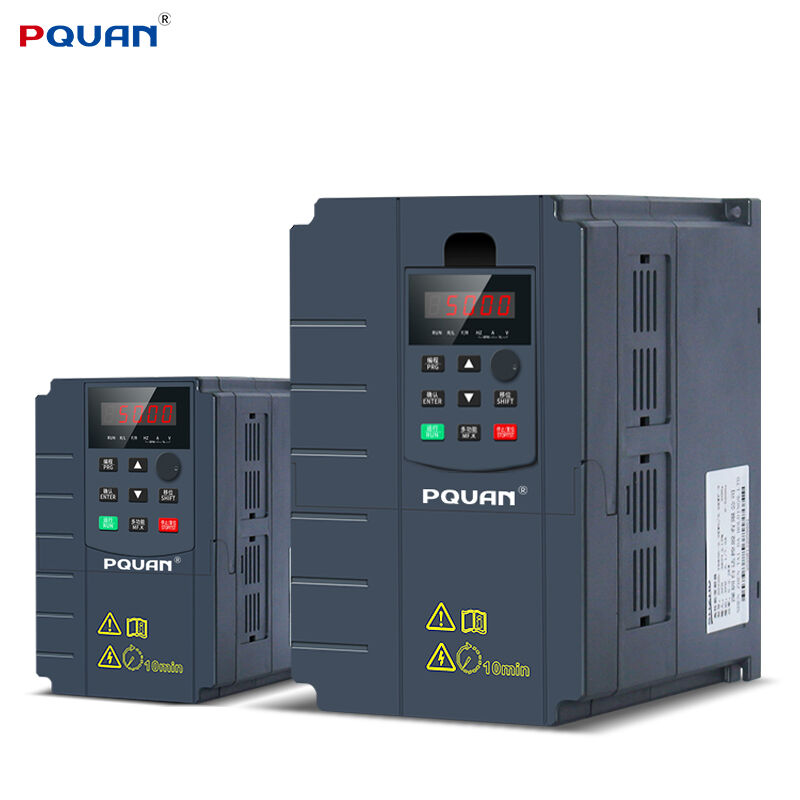
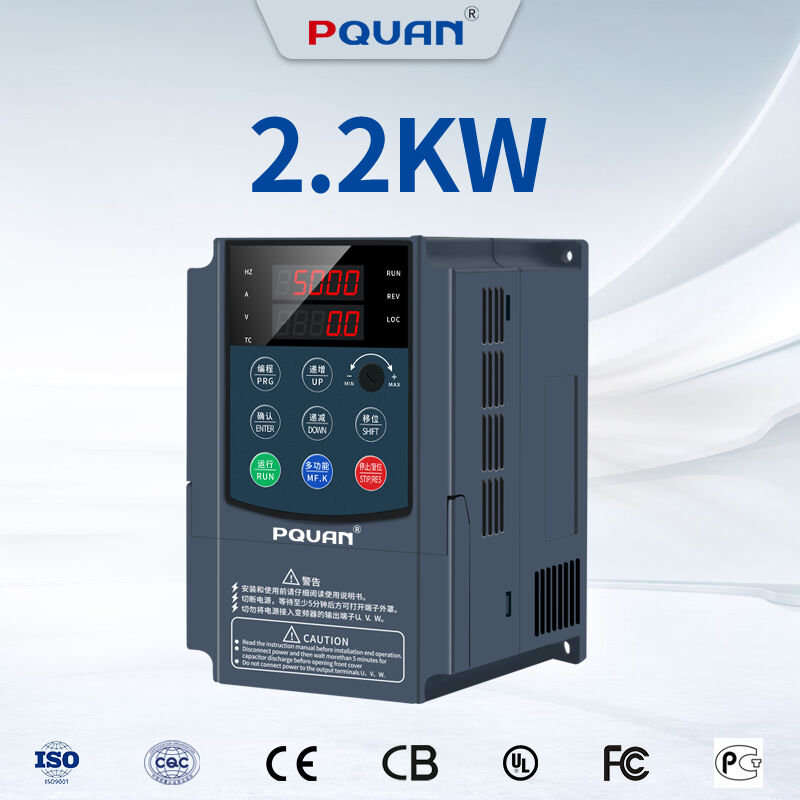
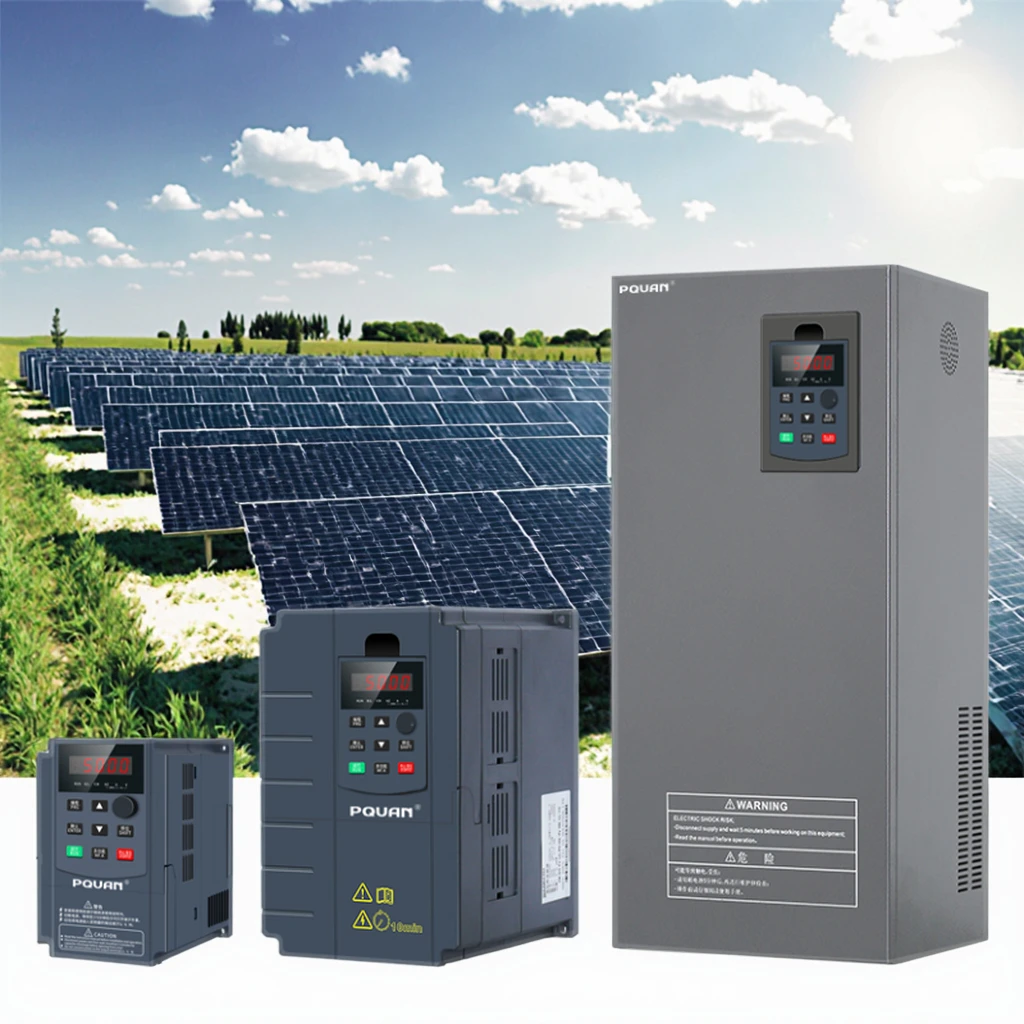
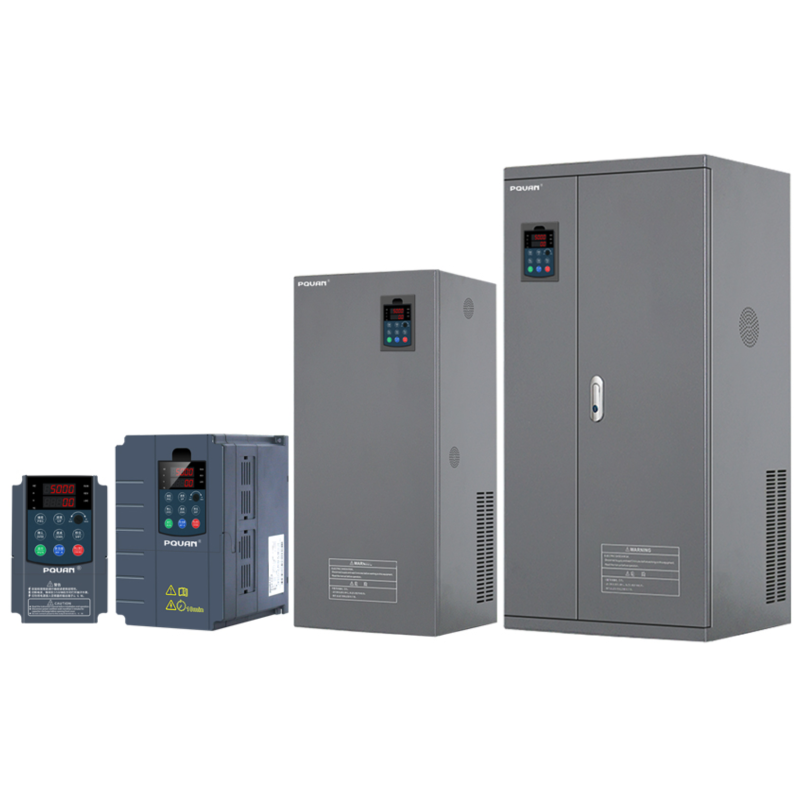
A vfd frequency converter represents a sophisticated electronic device that controls the speed and torque of electric motors by adjusting the frequency and voltage of the power supply. This advanced technology serves as the backbone of modern industrial automation, enabling precise motor control across diverse applications. The vfd frequency converter operates by converting incoming AC power to DC power through a rectifier circuit, then reconverting it back to AC power with variable frequency and voltage through an inverter section. This dual conversion process allows operators to achieve unprecedented control over motor performance, making it an indispensable tool in manufacturing, HVAC systems, water treatment facilities, and countless other industrial environments. The core functionality of a vfd frequency converter extends beyond simple speed control, incorporating advanced features such as soft starting capabilities, dynamic braking, and comprehensive motor protection mechanisms. Modern units integrate sophisticated microprocessor-based control systems that monitor motor parameters continuously, ensuring optimal performance while protecting against overload conditions, phase imbalances, and thermal stress. The technological architecture of these devices includes power electronics components, control algorithms, and user-friendly interfaces that simplify operation for technicians and engineers. Communication capabilities through various protocols enable seamless integration with supervisory control systems, allowing remote monitoring and adjustment of motor operations. Energy efficiency stands as a primary benefit, as the vfd frequency converter can reduce power consumption by up to 50% compared to traditional motor control methods. This efficiency improvement stems from the device's ability to match motor speed precisely to load requirements, eliminating energy waste associated with throttling valves, dampers, or mechanical speed reduction systems. The flexibility offered by these converters allows single motors to handle multiple operating scenarios, reducing equipment costs and simplifying system design.

New Product Recommendations

The vfd frequency converter delivers substantial energy savings that directly impact operational costs and environmental footprint. By precisely controlling motor speed to match actual load demands, these devices eliminate the energy waste typically associated with fixed-speed motor applications. Traditional systems often operate motors at full speed and use mechanical throttling or damping to control output, resulting in significant energy losses. The vfd frequency converter eliminates this inefficiency by adjusting motor speed electronically, achieving energy savings of 20-50% in typical applications. These savings compound over time, often recovering the initial investment within 12-24 months through reduced electricity bills. Enhanced process control capabilities represent another significant advantage of implementing vfd frequency converter technology. Operators gain precise control over acceleration, deceleration, and steady-state speeds, enabling optimal process performance across varying conditions. This precise control translates to improved product quality, reduced waste, and enhanced system reliability. The ability to program multiple speed settings and operating profiles allows single motors to handle diverse operational requirements without additional equipment. Equipment longevity improves dramatically when motors operate under vfd frequency converter control. The soft-start capability eliminates mechanical stress associated with across-the-line starting, reducing wear on bearings, couplings, and driven equipment. Controlled acceleration and deceleration prevent sudden torque changes that can damage mechanical systems. Additionally, the built-in protection features continuously monitor motor conditions, preventing damage from overload, undervoltage, overvoltage, and phase loss situations. This protection extends motor life significantly while reducing maintenance requirements and unplanned downtime. Operational flexibility increases substantially with vfd frequency converter implementation. Single motors can accommodate multiple process requirements by adjusting speed parameters through programming rather than mechanical modifications. This adaptability reduces inventory requirements for spare parts and simplifies maintenance procedures. Remote control capabilities enable operators to adjust motor performance from central control rooms, improving response times and reducing labor costs. The programmable nature of these devices allows customization for specific applications, ensuring optimal performance across diverse industrial environments. Installation simplicity and retrofit compatibility make vfd frequency converter adoption straightforward for existing facilities. Most units require minimal modifications to existing electrical systems, allowing quick implementation without extensive downtime.

Practical Tips

Pakistani Customers Visit PQUAN for Inspection and Exchange

09

Feb

Pakistani Customers Visit PQUAN for Inspection and Exchange

View More
How to Choose Voltage Regulator Power: A Concise Guide for Industrial & Commercial Users

23

Jan

How to Choose Voltage Regulator Power: A Concise Guide for Industrial & Commercial Users

View More
A Complete Guide to Selecting the Right Variable Frequency Drive (VFD) Model

03

Mar

A Complete Guide to Selecting the Right Variable Frequency Drive (VFD) Model

View More

Get a Free Quote

Our representative will contact you soon.
Email
Name
Company Name
Message
0/1000

vfd frequency converter

Advanced Motor Protection and Reliability Enhancement

Advanced Motor Protection and Reliability Enhancement

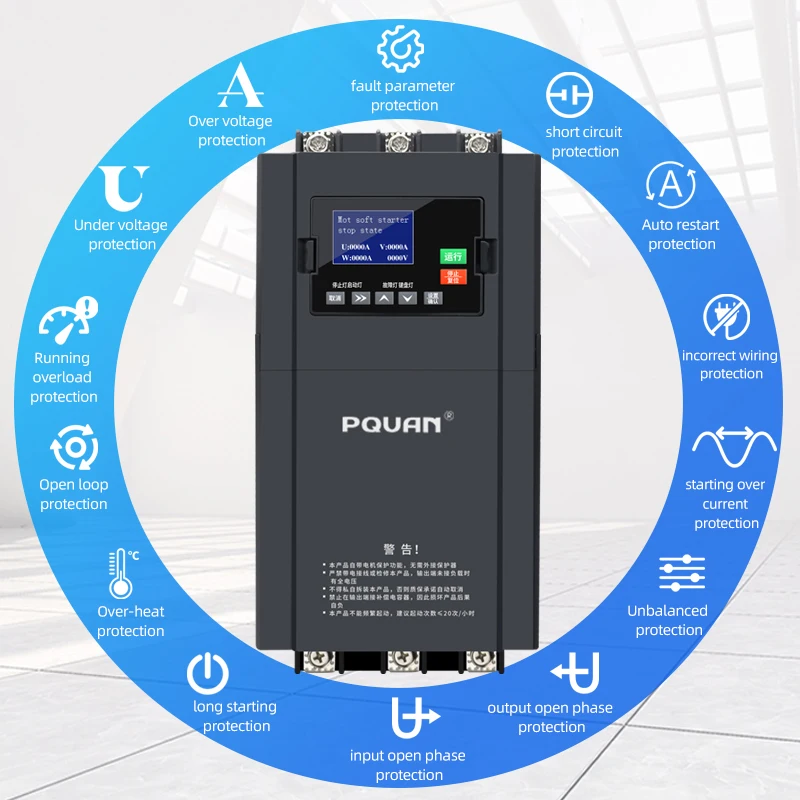
The vfd frequency converter incorporates comprehensive motor protection features that safeguard valuable equipment while ensuring continuous operation in demanding industrial environments. These sophisticated protection mechanisms monitor multiple parameters simultaneously, including motor current, voltage levels, temperature, and operating frequency. When the system detects potentially harmful conditions such as overcurrent situations, voltage imbalances, or excessive temperature rises, the vfd frequency converter immediately implements protective actions to prevent motor damage. The overcurrent protection feature continuously monitors motor current draw and compares it against programmable threshold values. If the current exceeds safe operating limits, the device can either reduce output frequency to bring current within acceptable ranges or shut down the motor completely if necessary. This intelligent response prevents motor winding damage that could result in costly repairs or complete motor replacement. Voltage monitoring capabilities detect both overvoltage and undervoltage conditions that can harm motor windings or cause erratic operation. The vfd frequency converter automatically compensates for minor voltage variations while protecting against severe voltage disturbances that could damage connected equipment. Phase loss protection represents another critical safety feature, as single-phasing conditions can quickly destroy three-phase motors. The device continuously monitors all three phases and immediately shuts down motor operation if it detects phase loss or significant phase imbalance. Thermal protection extends beyond simple temperature monitoring to include intelligent algorithms that predict potential overheating conditions based on load patterns and ambient conditions. This predictive capability allows the vfd frequency converter to take preventive action before damage occurs, such as reducing motor speed or activating warning systems. Ground fault protection monitors insulation integrity and detects developing problems before they result in equipment failure or safety hazards. The reliability benefits extend to mechanical systems connected to the motor through the soft-start and soft-stop capabilities inherent in vfd frequency converter operation. Traditional across-the-line motor starting creates sudden torque spikes that stress mechanical components including bearings, couplings, belts, and driven equipment. The controlled acceleration provided by the vfd frequency converter eliminates these stress factors, significantly extending mechanical component life and reducing maintenance requirements.
Exceptional Energy Efficiency and Cost Reduction

Exceptional Energy Efficiency and Cost Reduction

The vfd frequency converter achieves remarkable energy efficiency improvements through intelligent speed control that matches motor output precisely to actual load requirements. This fundamental capability transforms energy consumption patterns across industrial applications, delivering substantial cost savings while supporting environmental sustainability initiatives. Traditional motor control methods operate at fixed speeds and rely on mechanical throttling, damping, or bypass systems to control output flow or pressure. These approaches waste significant energy by maintaining full motor speed while restricting output through secondary means. The vfd frequency converter eliminates this inefficiency by adjusting motor speed electronically, reducing energy consumption proportionally to speed reduction. Since motor power consumption decreases with the cube of speed reduction, even modest speed reductions generate substantial energy savings. For example, reducing pump speed by 20% can decrease energy consumption by approximately 50%. The sophisticated control algorithms within modern vfd frequency converter units optimize energy usage through multiple mechanisms beyond simple speed control. Power factor correction capabilities improve overall electrical efficiency by reducing reactive power demands on electrical distribution systems. This improvement can reduce utility demand charges while improving voltage stability throughout the facility. The regenerative capabilities of advanced vfd frequency converter models capture energy from decelerating loads and return it to the electrical system, further improving overall efficiency. Variable torque applications such as pumps and fans benefit most dramatically from vfd frequency converter implementation, as these loads follow affinity laws that create cubic relationships between speed and power consumption. Constant torque applications including conveyors and extruders also achieve significant savings through elimination of mechanical throttling losses and improved process optimization. The economic impact of these energy savings extends far beyond reduced electricity bills. Lower energy consumption reduces peak demand charges, which often represent substantial portions of industrial electricity costs. Additionally, improved power factor and reduced harmonic distortion can eliminate utility penalty charges while qualifying facilities for energy efficiency incentives or rebates. The environmental benefits complement economic advantages through reduced carbon footprint and decreased strain on electrical generation and distribution infrastructure. Many facilities achieve return on investment within 18-24 months through energy savings alone, making vfd frequency converter implementation highly attractive from financial perspectives.
Seamless System Integration and Advanced Control Capabilities

Seamless System Integration and Advanced Control Capabilities

Modern vfd frequency converter technology offers exceptional integration capabilities that enable seamless incorporation into existing industrial control systems while providing advanced functionality for sophisticated automation requirements. These devices feature multiple communication protocols and interface options that facilitate connectivity with programmable logic controllers, supervisory control and data acquisition systems, and enterprise-level manufacturing execution systems. The communication versatility includes support for industry-standard protocols such as Modbus, Profibus, DeviceNet, and Ethernet-based systems, ensuring compatibility with diverse control architectures. This connectivity enables real-time monitoring of motor performance parameters including speed, torque, power consumption, and operating status from remote locations. Operators can adjust speed setpoints, modify operating parameters, and diagnose system conditions without physical access to the vfd frequency converter location. The advanced control capabilities extend beyond basic speed regulation to include sophisticated features such as PID control loops, multi-step speed programming, and custom logic functions. These capabilities allow the vfd frequency converter to function as an intelligent controller rather than simply a speed control device. PID control functionality enables precise process control for applications requiring tight regulation of pressure, flow, temperature, or other process variables. The device can automatically adjust motor speed based on feedback from process sensors, maintaining optimal conditions without manual intervention. Multi-motor coordination capabilities allow single vfd frequency converter units to control multiple motors in synchronized operation, essential for applications such as conveyor systems or processing lines requiring coordinated movement. Load sharing functions distribute work among multiple motors automatically, optimizing efficiency while providing redundancy for critical applications. The programming flexibility inherent in modern vfd frequency converter designs accommodates complex operational sequences through user-configurable logic functions and timing controls. Operators can create custom operating profiles that automatically adjust motor performance based on time schedules, external signals, or process conditions. This programmability reduces the need for external control devices while simplifying system design and reducing installation costs. Diagnostic capabilities provide comprehensive system monitoring and troubleshooting support through detailed event logging, fault history tracking, and predictive maintenance algorithms. These features enable proactive maintenance scheduling based on actual operating conditions rather than arbitrary time intervals, reducing maintenance costs while improving system reliability. The user interface design prioritizes ease of operation through intuitive menu structures, graphical displays, and multilingual support that simplify configuration and operation for technicians with varying experience levels.
VFD Frequency Converter: Advanced Motor Control Solutions for Industrial Efficiency

Get a Free Quote

Our representative will contact you soon.
Email
Name
Company Name
Message
0/1000