Application-Specific Optimization for Maximum Efficiency and Performance
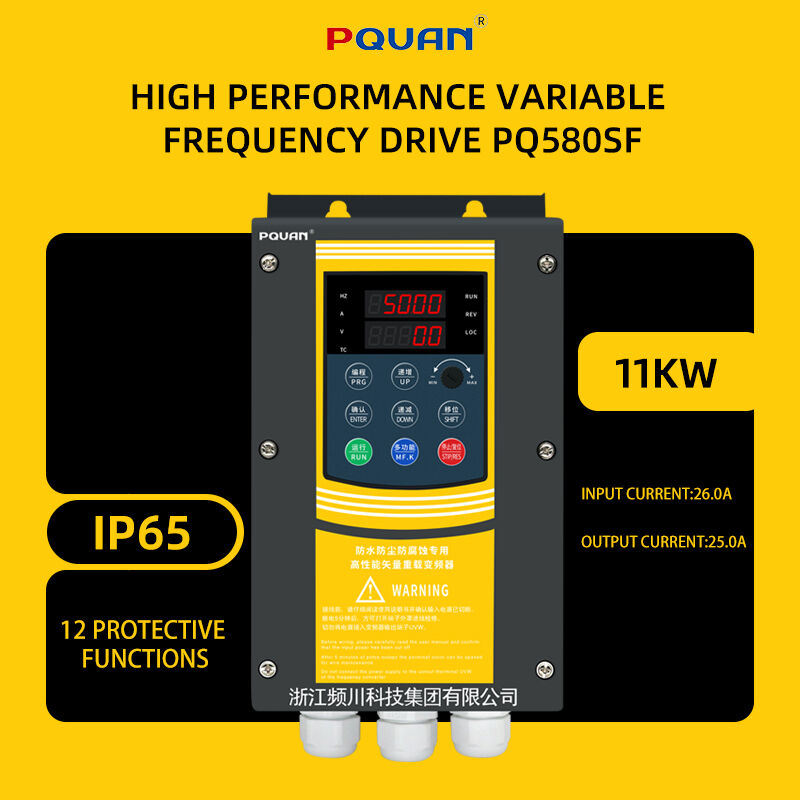
Perhaps the most underutilized advantage of engaging a professional vfd technical support provider is their ability to optimize drive programming and system configuration for your specific application requirements, unlocking performance improvements and energy savings that generic installations never achieve. Variable frequency drives offer hundreds of adjustable parameters controlling acceleration rates, deceleration profiles, current limits, switching frequencies, voltage compensation, and numerous other operational characteristics. Factory default settings provide safe, conservative operation suitable for a wide range of applications, but they rarely deliver optimal performance for any particular situation. A specialized vfd technical support provider brings deep understanding of how these parameters interact and affect system behavior in different applications. For pumping applications, they configure parameters to eliminate water hammer, minimize pressure fluctuations, and match pump speed precisely to demand while avoiding cavitation conditions that damage impellers. In fan applications, they adjust acceleration profiles to prevent belt slippage and optimize energy consumption by coordinating fan speed with actual airflow requirements rather than running at fixed speeds. Material handling systems benefit from carefully tuned acceleration and jerk limiting that moves products quickly without causing spillage or damage. The vfd technical support provider analyzes your process requirements, mechanical system characteristics, and operational goals to develop customized parameter sets that maximize efficiency. Energy optimization deserves special emphasis, as properly configured VFD systems substantially reduce electrical consumption compared to unoptimized installations. The provider evaluates your load profile, duty cycle patterns, and process variables to implement energy-saving features such as automatic flux optimization, sleep modes during low-demand periods, and intelligent speed control algorithms that minimize power consumption while maintaining process performance. Many facilities discover energy savings of twenty to thirty percent after professional optimization, translating to thousands or tens of thousands of dollars in annual utility cost reductions. Beyond energy, optimization improves product quality by providing smoother, more consistent operation. Eliminating abrupt starts and stops reduces mechanical stress on driven equipment, extending maintenance intervals for gearboxes, bearings, belts, and couplings. The vfd technical support provider also configures protection features appropriate to your application, setting overcurrent limits, overvoltage protection, and thermal monitoring thresholds that protect equipment without causing nuisance trips. Communication integration represents another optimization area, with the provider configuring network connectivity that allows your VFD systems to exchange data with supervisory control systems, enabling coordinated operation of multiple drives and integration with facility automation platforms. This connectivity facilitates advanced control strategies impossible with standalone drives, such as load sharing among parallel pumps or coordinated speed adjustments across production line sections. Application-specific optimization transforms VFD systems from simple motor speed controllers into intelligent process components that actively contribute to operational excellence, quality improvement, and competitive advantage.
 EN
EN