Soft Starter for HVAC Systems: Complete Guide to Benefits, Features and Applications

All Categories
Get a Quote
%}

Get a Free Quote

Our representative will contact you soon.
Email
Mobile/WhatsApp
Name
Message
0/1000

soft starter for hvac

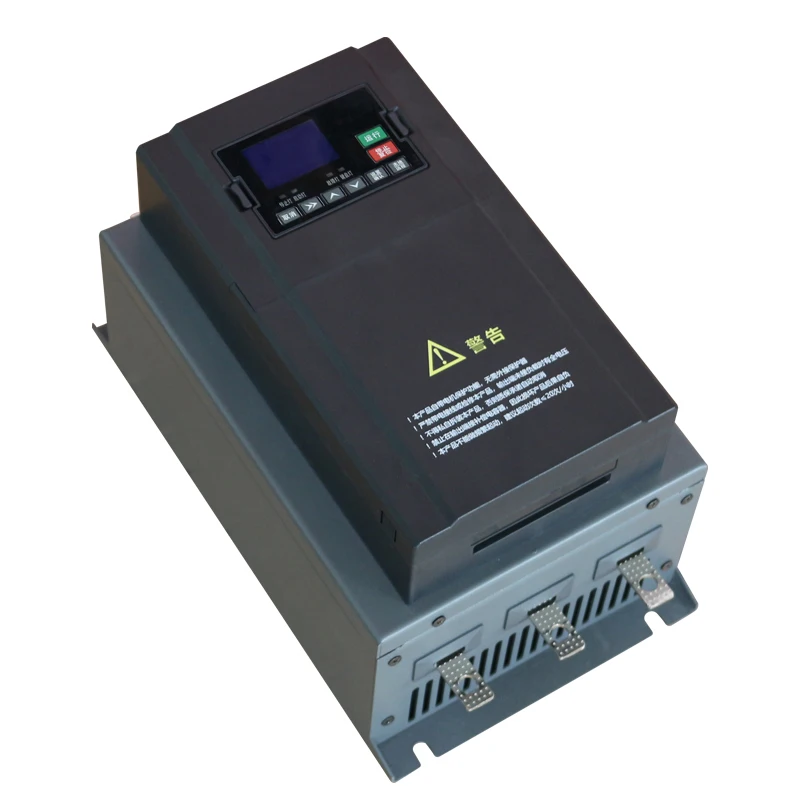
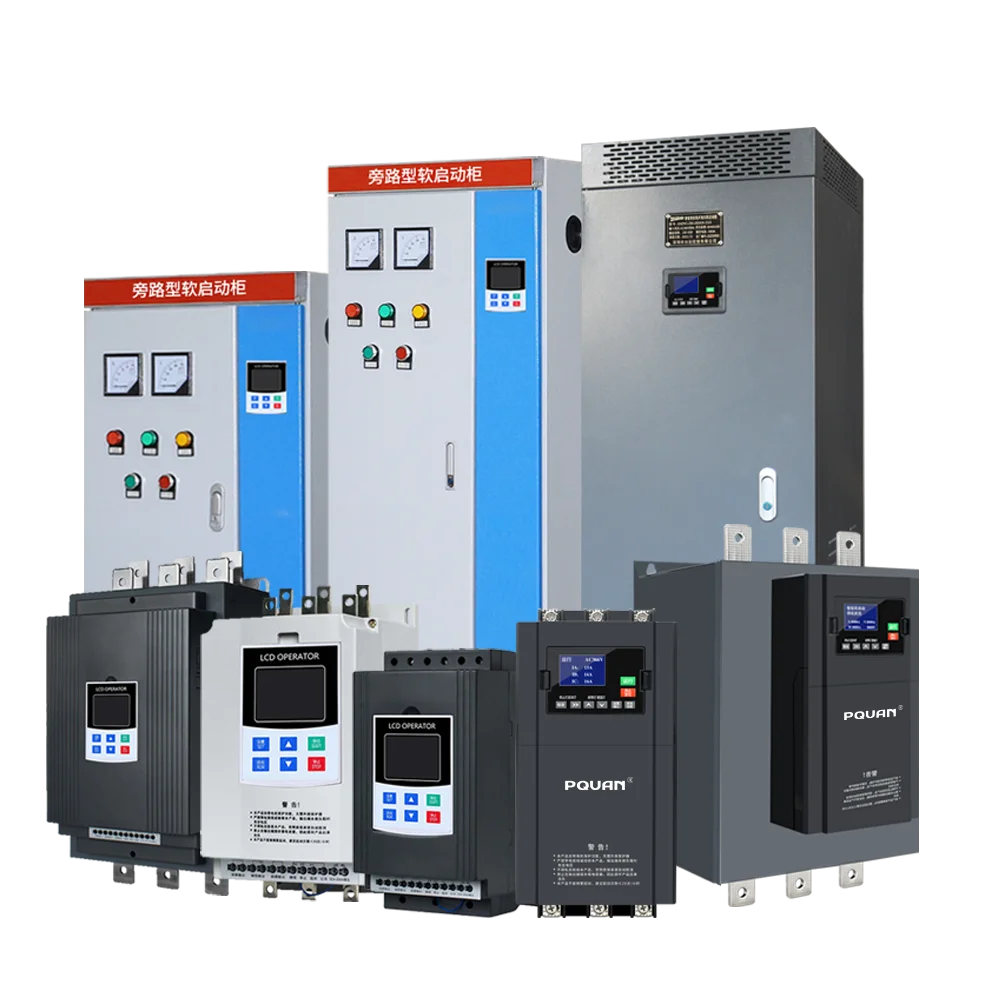
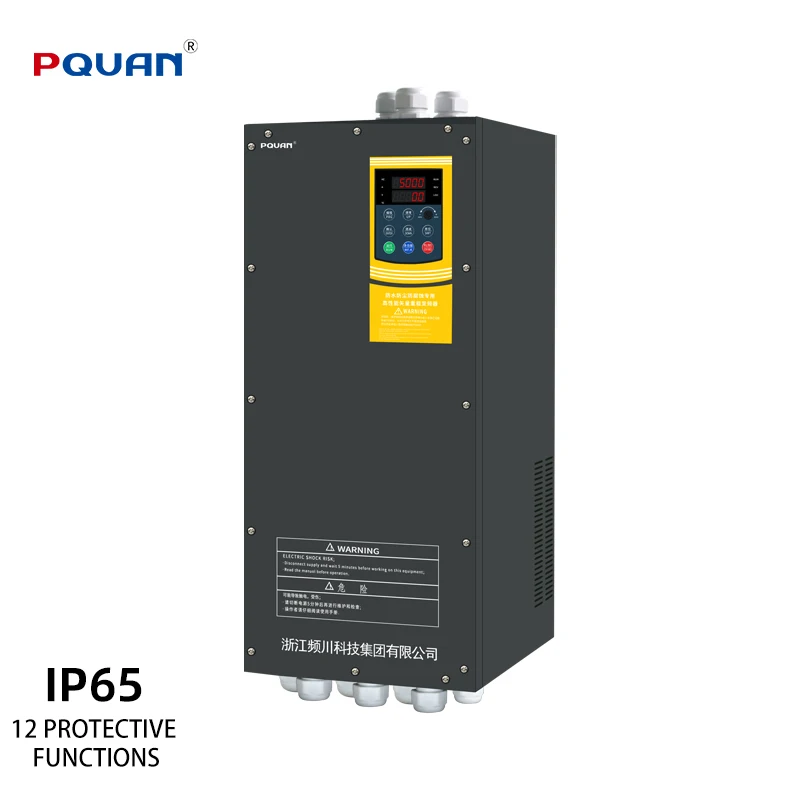
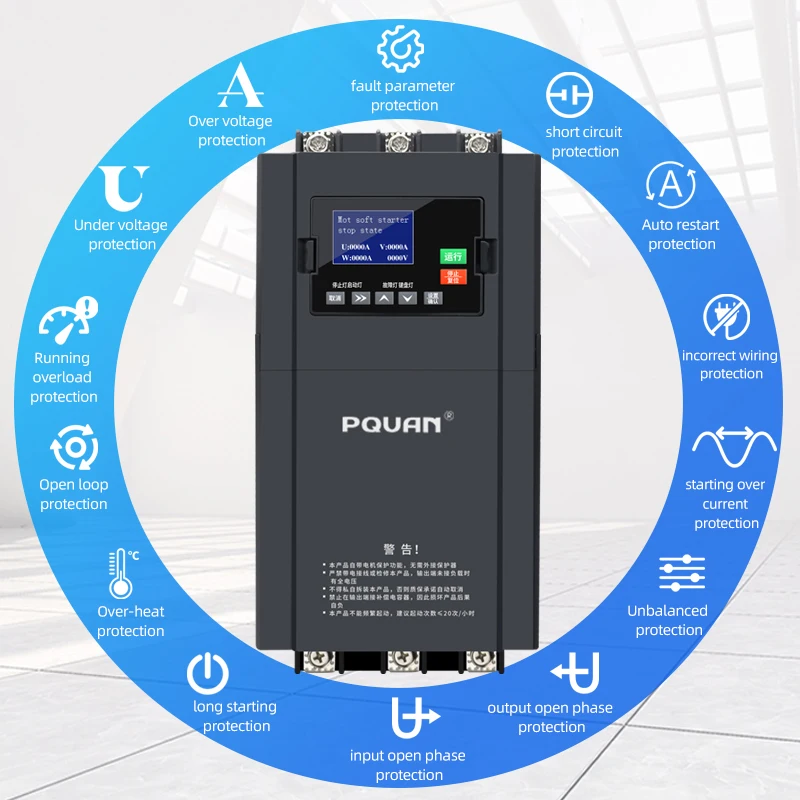
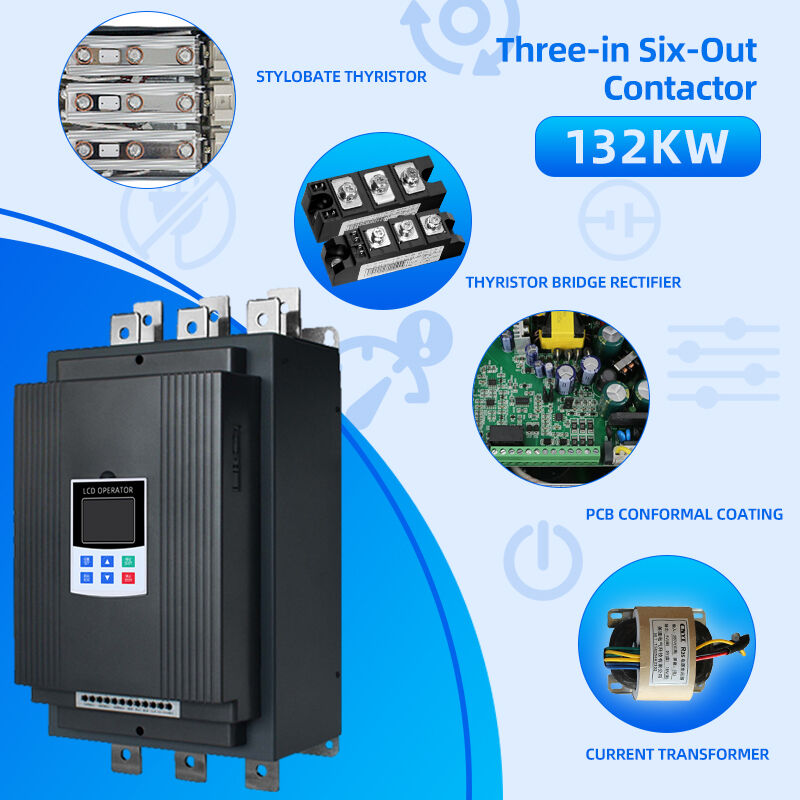
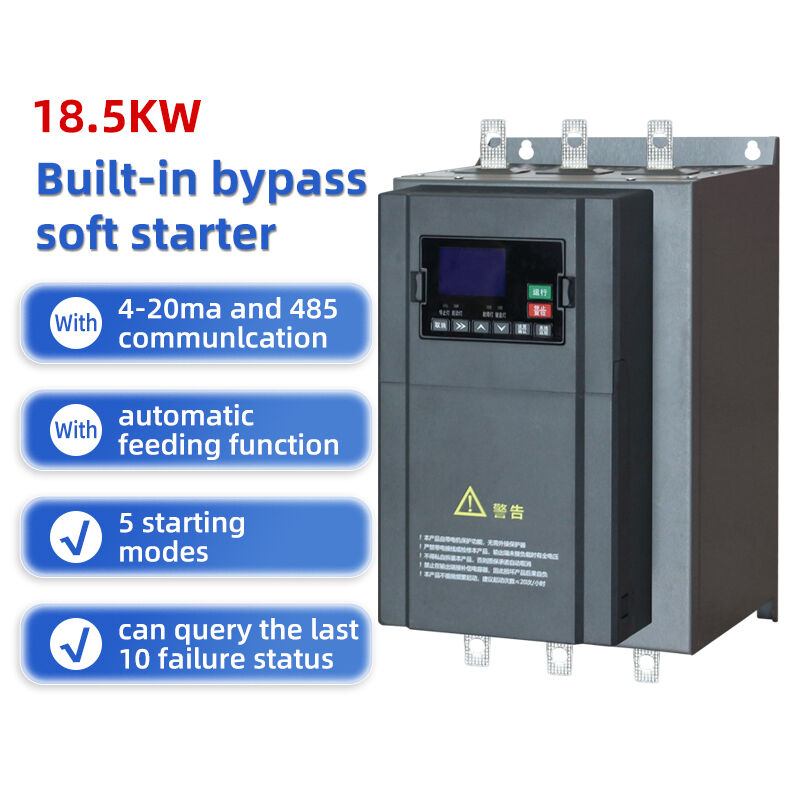
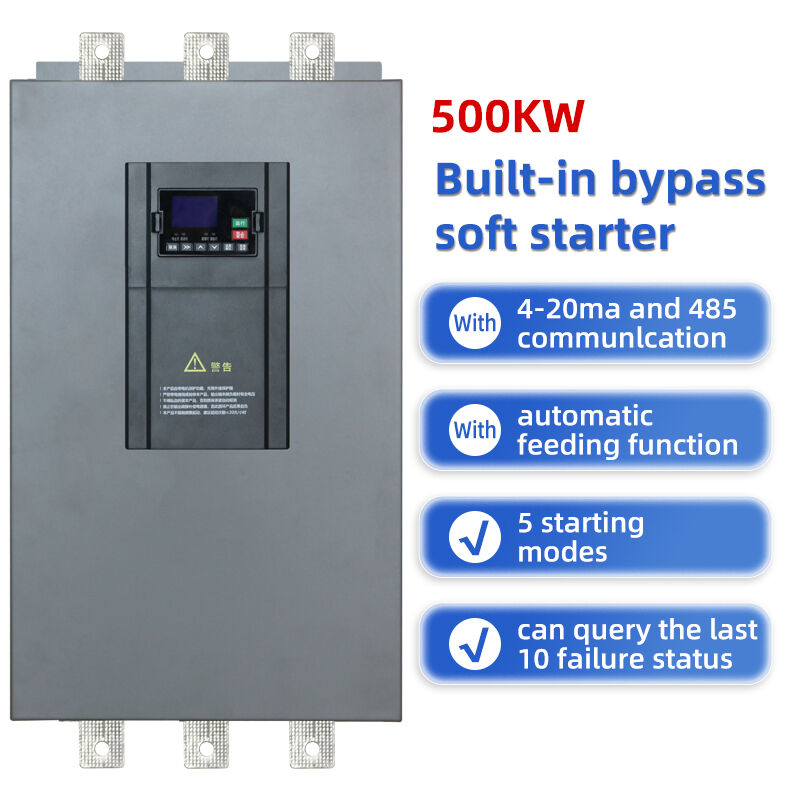
A soft starter for HVAC represents an essential electrical device designed to control and manage the starting process of heating, ventilation, and air conditioning system motors. This sophisticated component addresses one of the most critical challenges in HVAC operations by gradually increasing voltage to the motor during startup, rather than subjecting it to full voltage immediately. The soft starter for HVAC systems operates by reducing mechanical stress and electrical surges that typically occur when motors begin operation. When a standard motor starts, it can draw up to eight times its normal operating current, creating significant strain on both the equipment and the building's electrical infrastructure. By implementing a soft starter for HVAC applications, facility managers can extend equipment lifespan while improving overall system reliability. The technology behind these devices involves power electronics that precisely control the voltage ramp-up rate, allowing motors to reach full speed smoothly over a predetermined timeframe. Modern soft starter for HVAC units incorporate microprocessor-based controls that enable customization of starting parameters to match specific motor requirements and load conditions. These intelligent devices monitor various operational parameters including current, voltage, and temperature to ensure optimal performance. The soft starter for HVAC equipment typically features multiple starting methods such as voltage ramp, current limiting, and torque control, providing flexibility for different application scenarios. Installation of a soft starter for HVAC systems proves relatively straightforward, fitting between the power supply and the motor contactor. The device communicates with building management systems through standard protocols, enabling remote monitoring and diagnostics. For commercial buildings, industrial facilities, and residential complexes with substantial climate control needs, the soft starter for HVAC technology delivers measurable improvements in energy efficiency, equipment protection, and operational smoothness, making it an increasingly popular choice among engineers and facility operators seeking to optimize their climate control infrastructure while reducing maintenance costs and unexpected downtime.

New Products

Investing in a soft starter for HVAC systems brings numerous practical benefits that directly impact your bottom line and operational efficiency. First and foremost, these devices dramatically reduce wear and tear on your equipment. When motors start abruptly with full power, the sudden mechanical shock stresses bearings, couplings, belts, and other moving components. A soft starter for HVAC applications eliminates this harsh treatment by bringing motors up to speed gently, which means fewer breakdowns and longer equipment life. You will notice fewer emergency repair calls and reduced replacement costs over time. Energy savings represent another significant advantage. During startup, motors without soft starters draw enormous amounts of electricity, causing demand spikes that utility companies charge premium rates for. The soft starter for HVAC systems smooths out these power demands, helping you avoid expensive peak demand charges on your electricity bills. Over months and years, these savings add up substantially. Your electrical infrastructure benefits greatly as well. The reduced starting current means less stress on circuit breakers, wiring, transformers, and other electrical components. Buildings with older electrical systems particularly benefit from installing a soft starter for HVAC equipment, as it prevents voltage dips that can affect other sensitive equipment operating simultaneously. Lighting no longer flickers when your air conditioning kicks on, and computers and electronics remain unaffected by motor starts. Comfort improvements should not be overlooked either. The smooth acceleration provided by a soft starter for HVAC motors eliminates the jarring sensation and noise associated with abrupt motor starts. Occupants experience more pleasant environmental conditions without sudden temperature fluctuations or disruptive sounds. From a maintenance perspective, soft starters provide valuable diagnostic information. Many models monitor motor performance and alert you to developing problems before they cause failures. This predictive capability lets you schedule maintenance during convenient times rather than dealing with unexpected shutdowns. The soft starter for HVAC technology also offers adjustable parameters, allowing technicians to fine-tune starting characteristics for optimal performance in your specific application. Installation proves straightforward for qualified electricians, and the devices require minimal ongoing attention. Your return on investment typically occurs within two to three years through combined energy savings and reduced maintenance expenses. For building owners, property managers, and facility directors looking to improve reliability while controlling costs, a soft starter for HVAC systems represents a smart upgrade that pays dividends throughout its service life.

Tips And Tricks

Automatic Voltage Regulator (AVR): How It Ensures Stable Electrical Supply

05

Mar

Automatic Voltage Regulator (AVR): How It Ensures Stable Electrical Supply

In today’s highly industrialized and digitized world, the stability of electrical power is paramount. Industrial manufacturing plants, data centers, healthcare facilities, and laboratories all rely on a continuous flow of clean, predictable ele...
View More
Voltage Stabilizer: Reliable Protection for Your Low-Voltage Electrical System

30

Apr

Voltage Stabilizer: Reliable Protection for Your Low-Voltage Electrical System

Maintaining stable power quality within low-voltage distribution networks is one of the most critical challenges faced by modern industrial facilities. Fluctuations in grid voltage, such as sudden voltage sags or high-energy surges, can severely comp...
View More
Top Features to Look for in a High-Quality VFD Drive

06

May

Top Features to Look for in a High-Quality VFD Drive

Selecting the right industrial automation components is crucial for maintaining operational efficiency, minimizing energy expenditure, and extending the lifespan of your mechanical systems. A Variable Frequency Drive (VFD) serves as the core controll...
View More
Frequency Inverter: How It Works to Control Motor Speed and Energy Use

29

Jun

Frequency Inverter: How It Works to Control Motor Speed and Energy Use

A frequency inverter is one of the most important pieces of power control technology in modern industrial operations. Whether you are running a conveyor system, a pump, a compressor, or a fan, the ability to precisely regulate motor speed directly de...
View More

Get a Free Quote

Our representative will contact you soon.
Email
Mobile/WhatsApp
Name
Message
0/1000

soft starter for hvac

Enhanced Equipment Protection and Extended Lifespan

Enhanced Equipment Protection and Extended Lifespan

The soft starter for HVAC systems provides unparalleled protection for your valuable climate control equipment through intelligent motor control technology. Traditional direct-on-line motor starting subjects compressors, fans, and pumps to brutal mechanical forces that accumulate damage over thousands of start cycles. Each time a motor receives full voltage instantly, the torque surge can be several times higher than normal operating torque, creating tremendous stress on mechanical components including shafts, bearings, pulleys, and connected load equipment. This repetitive shock loading leads to premature wear, misalignment, and eventual failure of critical components. The soft starter for HVAC applications fundamentally changes this destructive pattern by controlling voltage delivery during the acceleration phase. The device gradually increases voltage from a reduced starting level up to full operating voltage over a configurable time period, typically ranging from five to thirty seconds depending on application requirements. This controlled acceleration allows the motor to develop torque progressively, eliminating the harmful shock loads that shorten equipment life. Bearings experience significantly less stress, lasting considerably longer before requiring replacement. Belt-driven systems benefit enormously because the soft starter for HVAC motors prevents the belt slippage and stretching that occurs during hard starts, reducing belt replacement frequency and eliminating the squealing noise associated with sudden acceleration. Couplings and drive components similarly experience gentler treatment, maintaining proper alignment and reducing vibration-related failures. For HVAC compressors specifically, the soft starter for HVAC technology proves invaluable by preventing liquid slugging and reducing refrigerant pressure spikes during startup. The gradual acceleration gives refrigerant time to properly distribute throughout the system before reaching full operating conditions. This protection extends compressor life substantially, delaying the need for expensive compressor replacement. Facility managers report significant reductions in unplanned maintenance events after installing soft starters, with some documenting equipment lifespan extensions of thirty to fifty percent. The financial implications prove substantial when you consider that replacing a large commercial HVAC motor or compressor can cost thousands or even tens of thousands of dollars. By investing in a soft starter for HVAC systems, you effectively insure your equipment against premature failure while simultaneously improving reliability and reducing the total cost of ownership throughout the equipment's operational life.
Significant Energy Savings and Reduced Electrical Demand Costs

Significant Energy Savings and Reduced Electrical Demand Costs

The soft starter for HVAC equipment delivers measurable energy and cost savings that directly improve your facility's operating budget. Understanding how utility companies charge for electricity reveals why this technology proves so valuable financially. Most commercial and industrial customers pay not only for the total energy consumed but also for peak demand, which represents the highest rate of electricity usage during any measurement period, typically fifteen or thirty minutes. When a large HVAC motor starts without a soft starter, it momentarily draws six to eight times its normal running current. This enormous surge creates a demand spike that utility companies record and charge for throughout the entire billing period, even though the high consumption lasted only seconds. A soft starter for HVAC applications eliminates these costly demand spikes by limiting starting current to two or three times normal operating levels, substantially reducing your peak demand charges. For facilities with multiple HVAC units, the cumulative savings become even more impressive. The soft starter for HVAC systems also improves power quality throughout your electrical distribution system. The high inrush currents from conventional motor starts create voltage sags that propagate through building wiring, potentially affecting other equipment and reducing overall electrical efficiency. By implementing soft starting technology, you maintain more stable voltage levels, allowing all electrical equipment to operate more efficiently. The soft starter for HVAC motors contributes to energy conservation through another mechanism as well. Many modern units incorporate energy optimization algorithms that adjust motor operation based on actual load requirements rather than running at full capacity continuously. This intelligent control reduces unnecessary energy consumption during periods of lower cooling or heating demand. Building automation system integration allows the soft starter for HVAC equipment to coordinate with overall facility energy management strategies, participating in demand response programs that provide additional financial incentives. Some utility companies offer rebates specifically for installing soft starters because they recognize the grid-wide benefits of reduced demand spikes and improved power quality. When calculating return on investment, facility managers should consider both direct energy savings and demand charge reductions. Documentation from numerous installations shows payback periods ranging from eighteen months to three years, depending on electricity rates, motor sizes, and duty cycles. The soft starter for HVAC technology continues delivering savings year after year, making it one of the most cost-effective upgrades available for climate control systems.
Improved Operational Reliability and Building Comfort

Improved Operational Reliability and Building Comfort

The soft starter for HVAC systems transforms building operation by enhancing reliability and creating more comfortable environments for occupants. Reliability begins with the fundamental principle that equipment experiencing less stress operates more consistently with fewer unexpected failures. When motors start smoothly without mechanical shocks or electrical surges, all system components function within their design parameters rather than being pushed beyond normal limits during each startup. This gentler operation means fewer surprise breakdowns that disrupt building operations and require emergency service calls. The soft starter for HVAC applications provides real-time monitoring capabilities that further enhance reliability through early problem detection. Advanced models continuously measure motor current, voltage, temperature, and other critical parameters, comparing actual performance against expected values. When deviations occur that might indicate developing problems such as bearing wear, winding deterioration, or mechanical binding, the system alerts maintenance personnel before catastrophic failure occurs. This predictive maintenance approach allows you to address issues during scheduled downtime rather than dealing with disruptive emergency repairs. For building occupants, the soft starter for HVAC equipment creates noticeable comfort improvements. Traditional hard motor starts produce jarring mechanical noises, vibrations, and sometimes even building tremors when large equipment suddenly engages. These disturbances prove particularly problematic in office environments, healthcare facilities, hotels, and other occupied spaces where comfort and quiet operation matter. The gradual acceleration provided by soft starting technology eliminates these disruptive events, creating a more pleasant environment. Temperature stability improves as well because the soft starter for HVAC motors enables more frequent starts without the concerns associated with repeated hard starting. HVAC systems can cycle more appropriately to maintain precise temperature control rather than being forced into longer run cycles to avoid excessive mechanical stress. This improved cycling capability delivers better humidity control and more consistent comfort conditions throughout occupied spaces. Integration with building management systems allows the soft starter for HVAC technology to participate in sophisticated control strategies that optimize comfort while minimizing energy consumption. Facility managers gain remote visibility into HVAC motor operation, receiving alerts about performance issues and accessing historical data that supports informed maintenance decisions. The combination of enhanced reliability, reduced noise and vibration, improved comfort control, and intelligent monitoring makes the soft starter for HVAC systems an essential component of modern building infrastructure that delivers value to both operators and occupants throughout the equipment's service life.
Soft Starter for HVAC Systems: Complete Guide to Benefits, Features and Applications

Get a Free Quote

Our representative will contact you soon.
Email
Mobile/WhatsApp
Name
Message
0/1000