3 Phase Soft Start Motor Controls: Advanced Protection, Energy Efficiency & Seamless Integration

All Categories
Get a Quote
%}

Get a Free Quote

Our representative will contact you soon.
Email
Name
Company Name
Message
0/1000

3 phase soft start motor controls

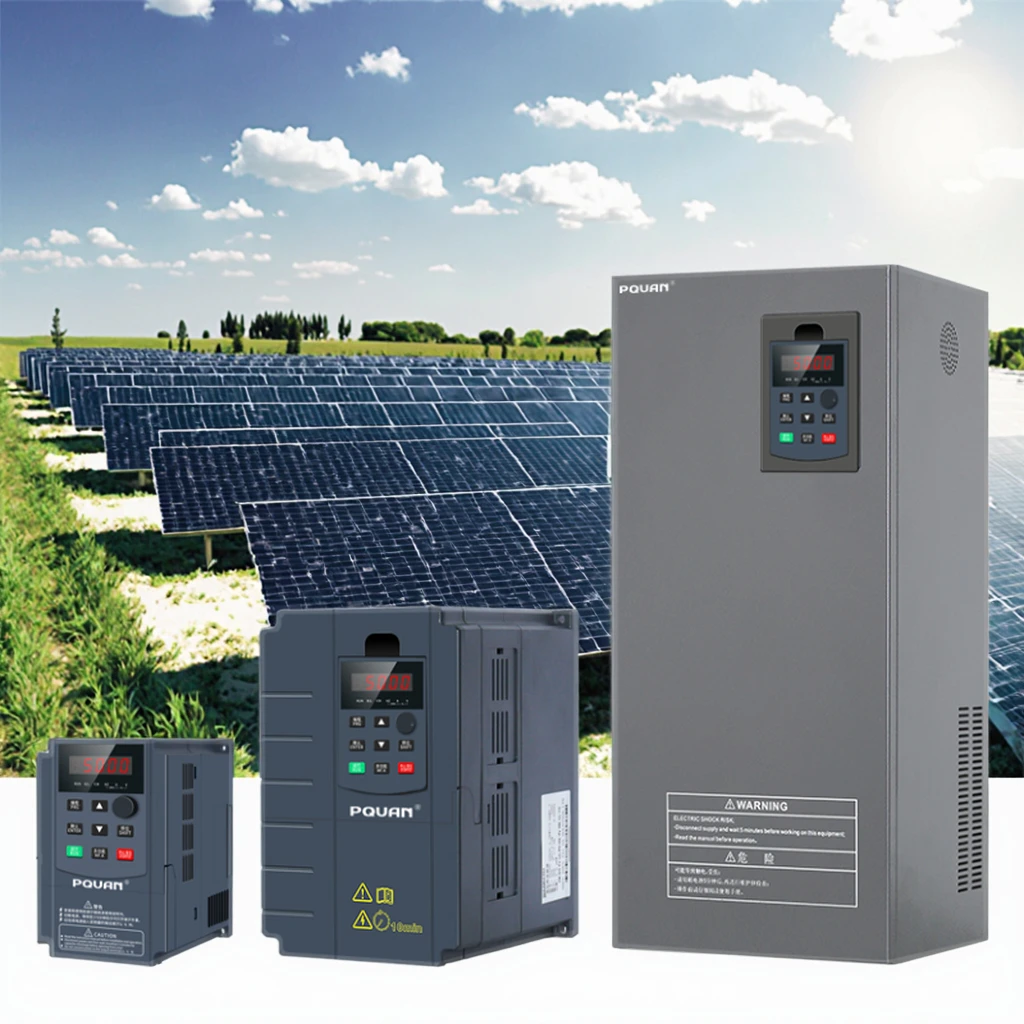
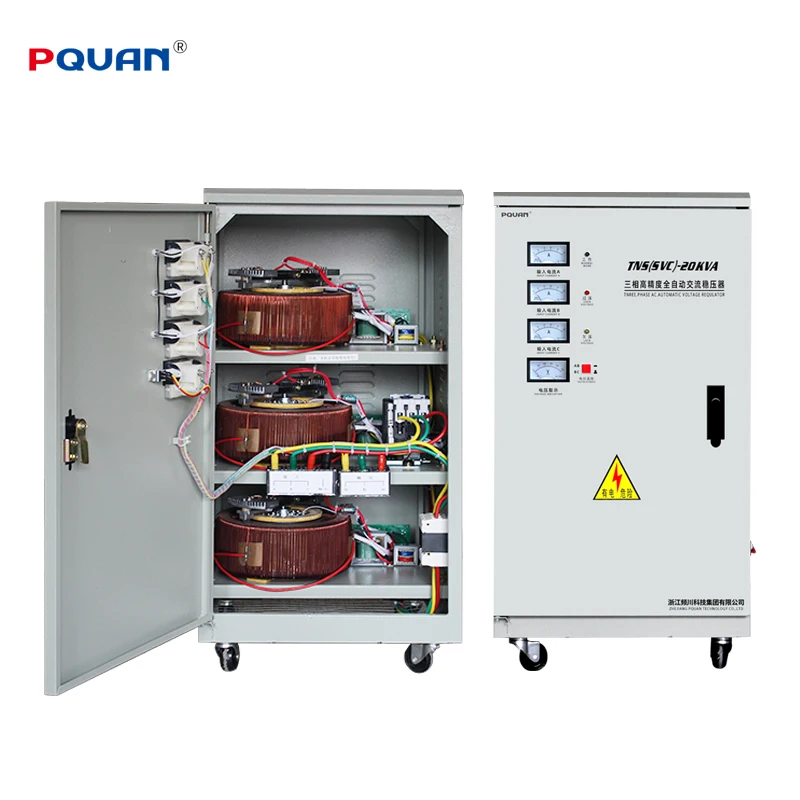
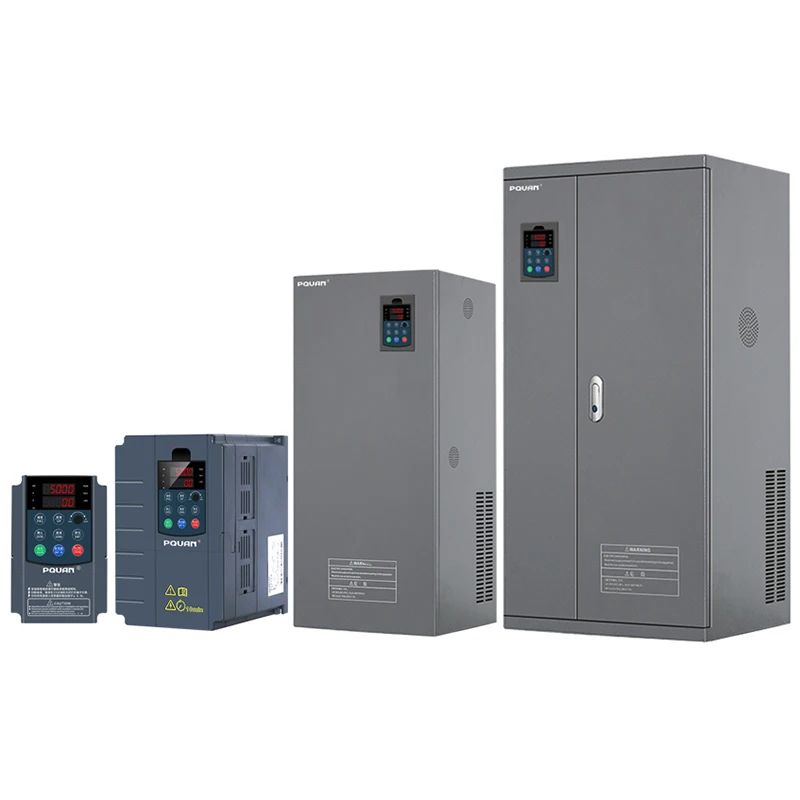
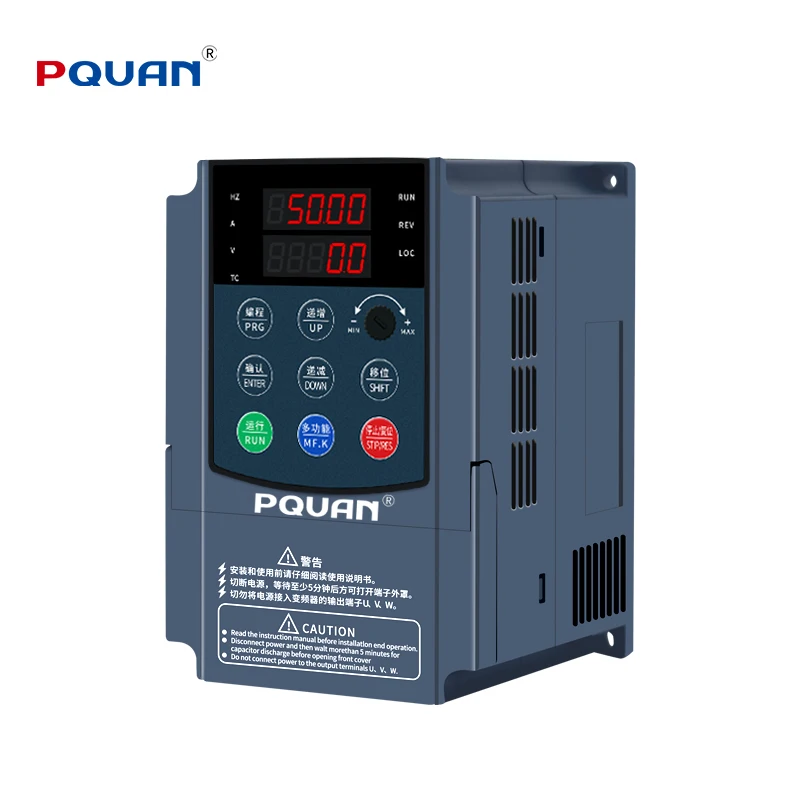
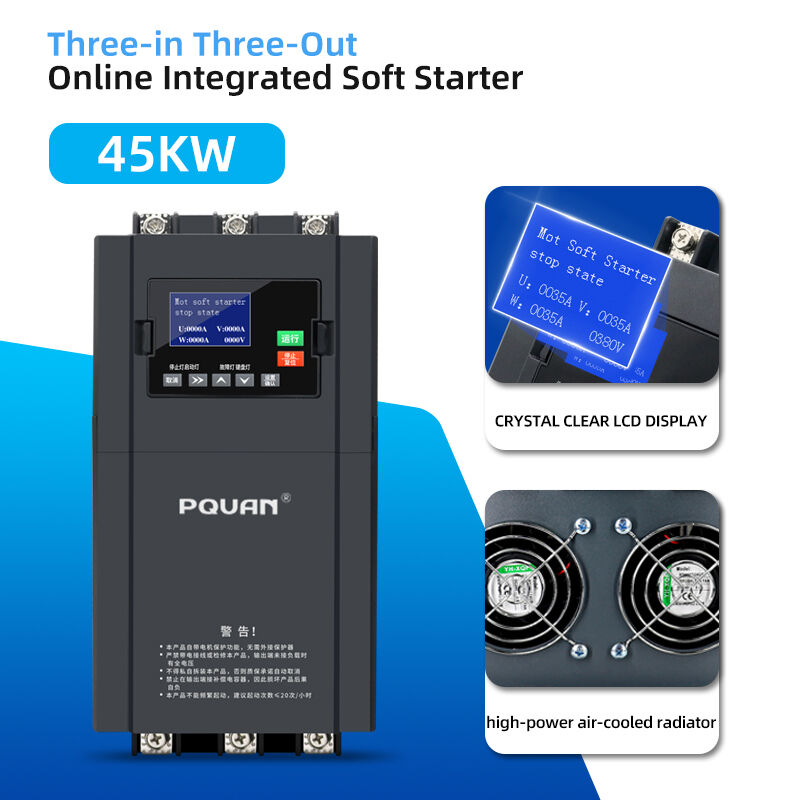
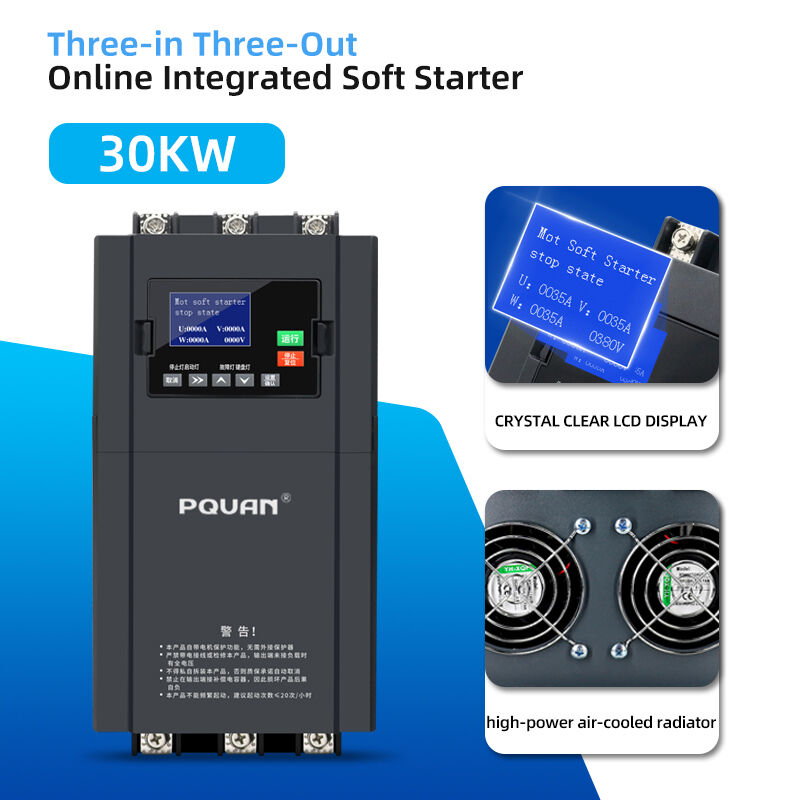
Three phase soft start motor controls represent an advanced electrical solution designed to manage the starting process of industrial motors with precision and efficiency. These sophisticated devices control the initial voltage supplied to motors during startup, gradually increasing power delivery to achieve smooth acceleration without the harsh mechanical and electrical stresses associated with direct-on-line starting methods. The primary function of 3 phase soft start motor controls involves reducing inrush current, minimizing mechanical shock, and extending equipment lifespan through controlled acceleration profiles. Modern soft starters incorporate microprocessor-based technology that monitors motor parameters continuously, adjusting voltage ramp rates according to load requirements and operational conditions. The technological features include adjustable starting torque settings, customizable acceleration times, built-in motor protection functions, and advanced diagnostic capabilities. These systems utilize solid-state switching components, typically silicon-controlled rectifiers or thyristors, to provide precise voltage control throughout the starting sequence. Communication interfaces such as Modbus, Profibus, and Ethernet connectivity enable seamless integration with industrial automation systems and building management platforms. The versatility of 3 phase soft start motor controls makes them suitable for diverse applications including HVAC systems, pump stations, conveyor systems, compressors, and manufacturing equipment. Industries such as water treatment facilities, mining operations, oil and gas processing plants, and commercial buildings benefit significantly from implementing these control systems. The devices feature comprehensive protection mechanisms including overload protection, phase loss detection, ground fault monitoring, and thermal protection to safeguard both the motor and connected equipment from potential damage or operational failures.

Popular Products

Installing 3 phase soft start motor controls delivers substantial operational benefits that directly impact your facility's efficiency and bottom line. These systems dramatically reduce energy consumption during motor startup by eliminating the massive current spikes that occur with conventional starting methods. Your electrical infrastructure experiences less stress, reducing the likelihood of voltage dips that can affect other connected equipment and processes. The controlled acceleration provided by soft starters protects your mechanical systems from sudden torque surges that cause premature wear on belts, couplings, gearboxes, and driven equipment. This protection translates into fewer maintenance requirements, reduced downtime, and lower replacement costs over the equipment's operational lifetime. Your facility benefits from improved power quality as soft start technology minimizes harmonic distortion and power factor issues commonly associated with direct motor starting. The gradual acceleration process reduces water hammer effects in pumping applications, preventing pipe damage and extending system longevity. Operators appreciate the smooth, quiet operation that eliminates the jarring mechanical shock typically experienced during motor startup. The advanced diagnostic features built into modern 3 phase soft start motor controls provide valuable insights into motor performance, enabling predictive maintenance strategies that prevent unexpected failures. Energy savings accumulate significantly over time, as reduced starting current draws result in lower utility demand charges and improved overall electrical efficiency. Your maintenance teams benefit from the comprehensive protection features that automatically shut down motors when abnormal conditions are detected, preventing costly damage to expensive equipment. The ability to adjust starting parameters allows optimization for specific applications, ensuring optimal performance across varying load conditions. Remote monitoring capabilities enable facility managers to track motor performance from centralized control rooms, improving response times to potential issues. Integration with building automation systems streamlines facility management operations and provides comprehensive data logging for energy management initiatives. The robust construction of quality soft starters ensures reliable operation in harsh industrial environments, providing long-term value and consistent performance.

Practical Tips

Pakistani Customers Visit PQUAN for Inspection and Exchange

09

Feb

Pakistani Customers Visit PQUAN for Inspection and Exchange

View More
How to Choose Voltage Regulator Power: A Concise Guide for Industrial & Commercial Users

23

Jan

How to Choose Voltage Regulator Power: A Concise Guide for Industrial & Commercial Users

View More
A Complete Guide to Selecting the Right Variable Frequency Drive (VFD) Model

03

Mar

A Complete Guide to Selecting the Right Variable Frequency Drive (VFD) Model

View More

Get a Free Quote

Our representative will contact you soon.
Email
Name
Company Name
Message
0/1000

3 phase soft start motor controls

Advanced Motor Protection and Longevity Enhancement

Advanced Motor Protection and Longevity Enhancement

The comprehensive protection capabilities of 3 phase soft start motor controls represent a revolutionary approach to motor management that extends equipment lifespan while preventing costly failures. These intelligent systems continuously monitor critical motor parameters including current levels, voltage fluctuations, temperature variations, and phase balance to identify potential issues before they escalate into serious problems. The integrated protection algorithms automatically respond to abnormal conditions by adjusting operating parameters or safely shutting down the motor to prevent damage. Overload protection functions monitor current draw patterns and provide time-delay characteristics that accommodate normal starting transients while protecting against sustained overcurrent conditions that could damage motor windings. Phase loss detection immediately identifies when one or more power phases are interrupted, preventing the motor from operating under dangerous single-phase conditions that can cause catastrophic winding failure. Ground fault monitoring detects insulation breakdown and electrical leakage paths that pose safety hazards and equipment damage risks. The thermal protection features track motor temperature through embedded sensors or algorithmic calculations based on current and time relationships, preventing overheating that degrades insulation and shortens motor life. Motor jam detection recognizes when the rotor becomes mechanically locked, immediately stopping power delivery to prevent winding burnout. Undervoltage and overvoltage protection ensures motors operate within safe electrical parameters, automatically disconnecting power when supply voltage falls outside acceptable ranges. The soft starting process itself provides significant protection benefits by eliminating the mechanical shock associated with across-the-line starting, reducing stress on motor bearings, shaft couplings, and connected mechanical components. This gentle acceleration extends the operational life of pumps, fans, compressors, and other driven equipment by preventing sudden torque impulses that can cause bearing damage, shaft misalignment, and coupling failures. The cumulative effect of these protection features results in dramatically improved equipment reliability, reduced maintenance costs, and minimized unplanned downtime that disrupts production schedules and generates expensive emergency repair situations.
Energy Efficiency and Power Quality Optimization

Energy Efficiency and Power Quality Optimization

Three phase soft start motor controls deliver exceptional energy efficiency improvements and power quality enhancements that provide immediate and long-term financial benefits for industrial facilities. The controlled voltage ramp feature eliminates the massive inrush current typically six to eight times normal running current that occurs during direct-on-line motor starting, reducing peak demand charges imposed by utility companies and minimizing strain on electrical distribution systems. This current limitation capability prevents voltage dips throughout the facility that can cause sensitive electronic equipment to malfunction, production lines to stumble, and lighting systems to flicker, maintaining stable operating conditions for all connected loads. The gradual acceleration process optimizes energy consumption by matching motor torque output to actual load requirements, preventing the energy waste associated with excessive starting torque that serves no productive purpose. Power factor correction features built into advanced soft start systems improve the relationship between real and reactive power, reducing utility penalties and improving overall electrical system efficiency. Harmonic mitigation technology minimizes distortion introduced into the electrical supply, protecting other equipment from interference and improving power quality throughout the facility. The ability to program custom starting profiles allows optimization for specific applications, ensuring motors consume only the energy necessary to achieve desired performance levels. Regenerative braking capabilities in some models capture energy during motor deceleration, feeding power back into the electrical system for use by other equipment. Variable speed operation in hybrid soft start units provides continuous energy savings by allowing motors to operate at reduced speeds during periods of lower demand, significantly reducing power consumption compared to fixed-speed operation with mechanical throttling. The diagnostic capabilities provide detailed energy consumption data that enables facility managers to identify opportunities for further efficiency improvements and track the return on investment from soft start implementation. Load shedding functions automatically reduce motor power during peak demand periods, helping facilities avoid expensive utility demand charges while maintaining essential operations. The cumulative energy savings from reduced starting current, improved power factor, harmonic reduction, and optimized operation profiles typically result in payback periods of less than two years for most installations.
Seamless Integration and Advanced Control Capabilities

Seamless Integration and Advanced Control Capabilities

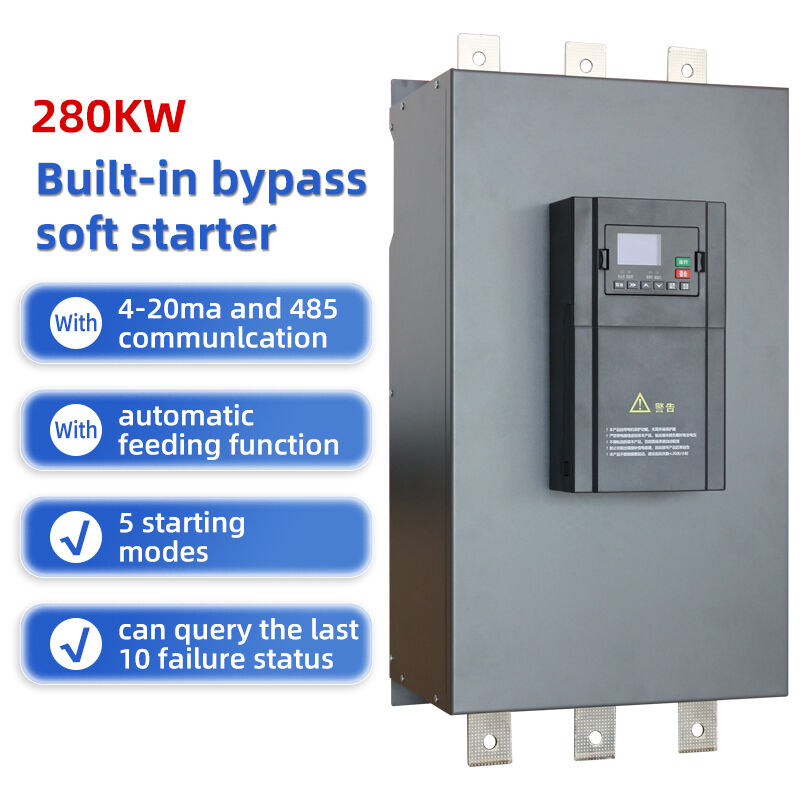
The sophisticated integration and control features of modern 3 phase soft start motor controls enable seamless incorporation into existing industrial automation systems while providing unprecedented operational flexibility and monitoring capabilities. Built-in communication protocols including Modbus RTU, Modbus TCP, Profibus, DeviceNet, and Ethernet IP facilitate direct connection to programmable logic controllers, distributed control systems, and building automation networks without requiring additional interface hardware. The standardized communication protocols enable real-time data exchange, allowing operators to monitor motor status, adjust operating parameters, and receive diagnostic information from centralized control rooms or remote locations. Advanced human-machine interfaces provide intuitive access to configuration settings, operational data, and troubleshooting information through color LCD displays with multilingual support and contextual help functions. Parameter programming capabilities allow customization of starting voltage, acceleration time, current limiting levels, and protection settings to optimize performance for specific applications and load characteristics. Multiple starting modes including voltage ramp, current limit, torque control, and pump control provide flexibility to address diverse application requirements from light-duty fans to heavy-duty crushers and conveyors. The built-in data logging functions record operational history, fault events, and performance trends, enabling predictive maintenance strategies and providing valuable information for troubleshooting and system optimization. Remote monitoring capabilities through web-based interfaces allow facility managers and service technicians to access motor status and diagnostic information from any location with internet connectivity, improving response times and enabling proactive maintenance interventions. Load monitoring features continuously track motor performance against baseline parameters, automatically alerting operators when performance deviates from normal patterns that could indicate developing mechanical problems or process variations. The expandable I/O capabilities enable connection of external sensors, control devices, and auxiliary equipment to create comprehensive motor control solutions that address complex application requirements. Advanced scheduling functions allow automatic motor starting and stopping based on time-of-day programs, process conditions, or external control signals, optimizing energy consumption and operational efficiency. The robust cybersecurity features protect against unauthorized access and malicious attacks while ensuring reliable communication with industrial networks and enterprise systems.
3 Phase Soft Start Motor Controls: Advanced Protection, Energy Efficiency & Seamless Integration

Get a Free Quote

Our representative will contact you soon.
Email
Name
Company Name
Message
0/1000