Soft Starter for HVAC: Complete Guide to Motor Control Solutions & Energy Savings

All Categories
Get a Quote
%}

Get a Free Quote

Our representative will contact you soon.
Email
Name
Company Name
Message
0/1000

soft starter for hvac

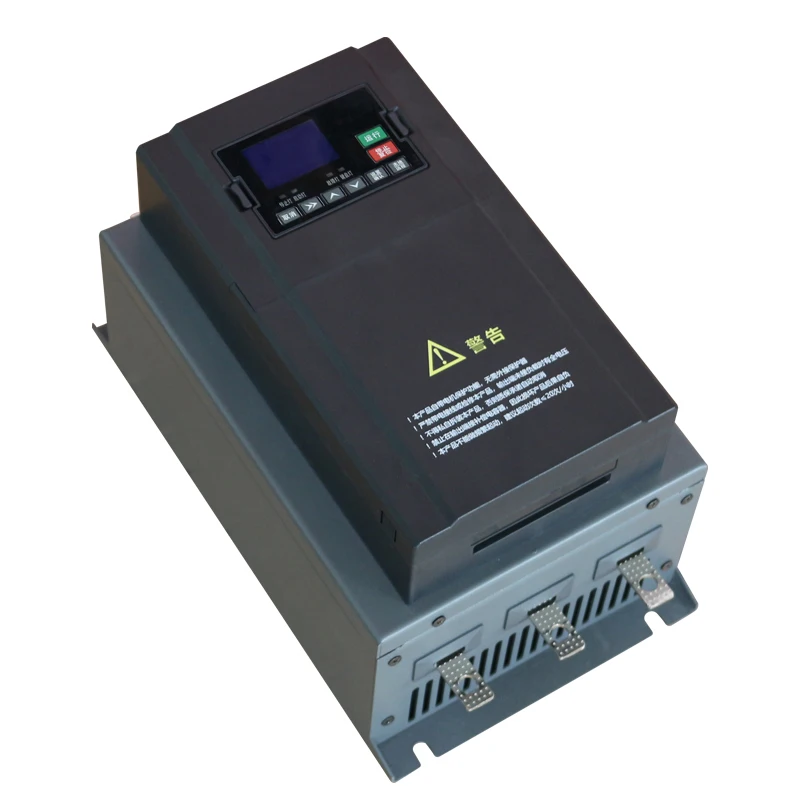
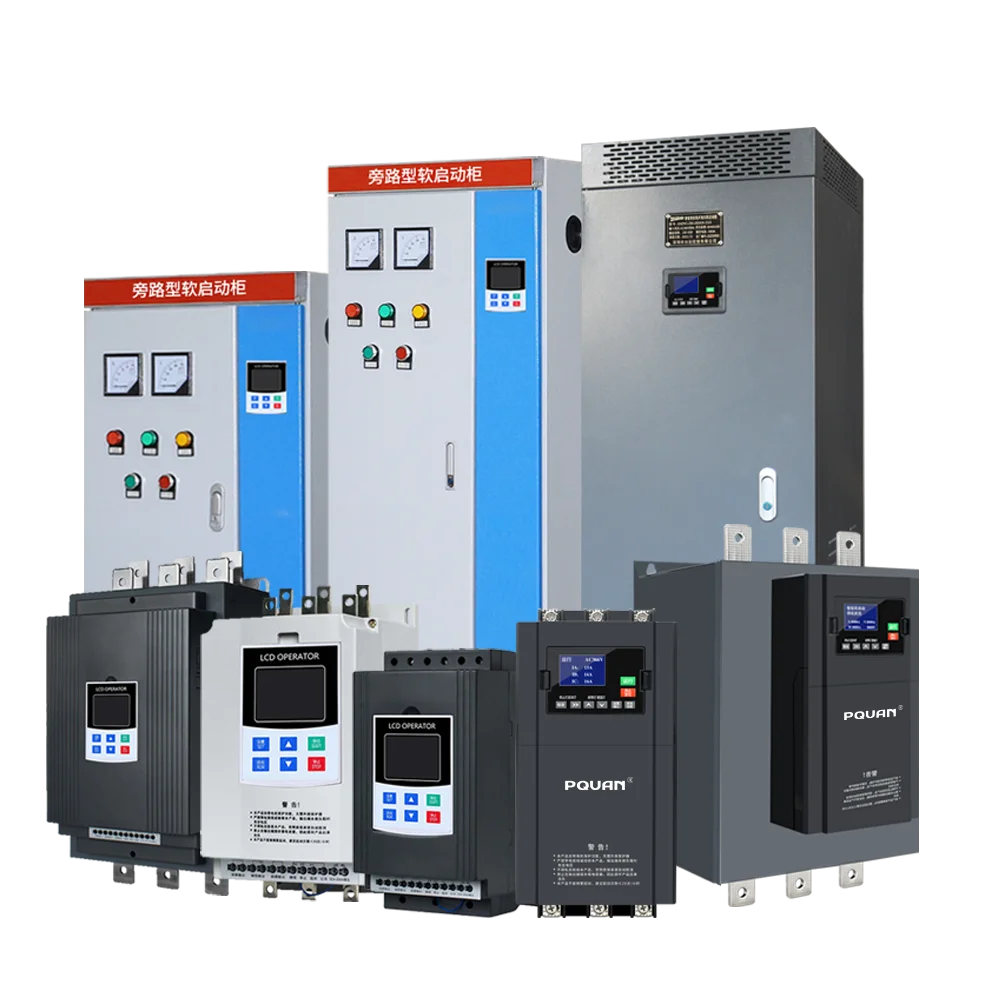
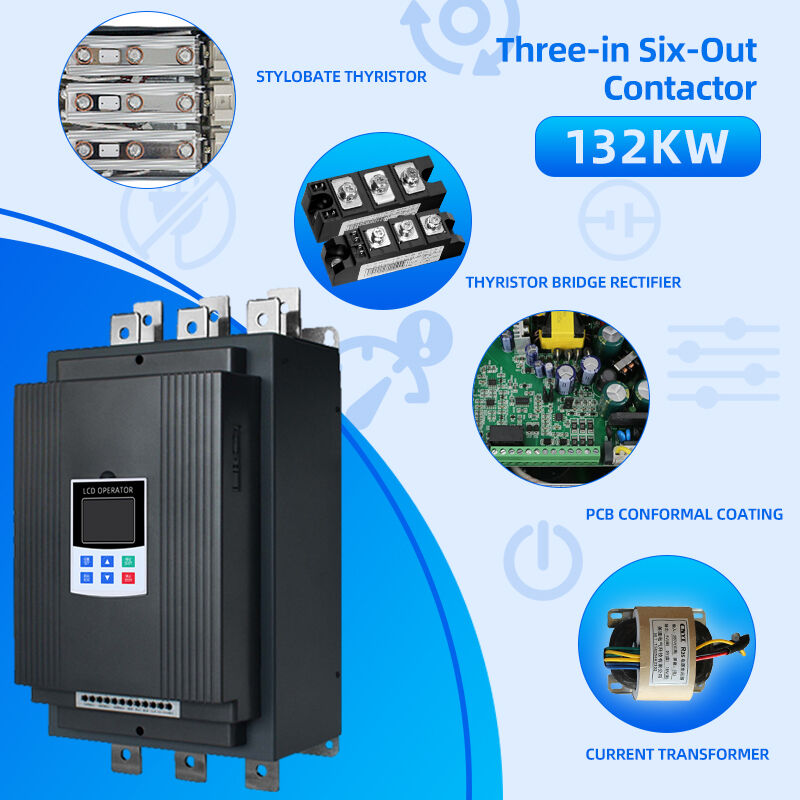
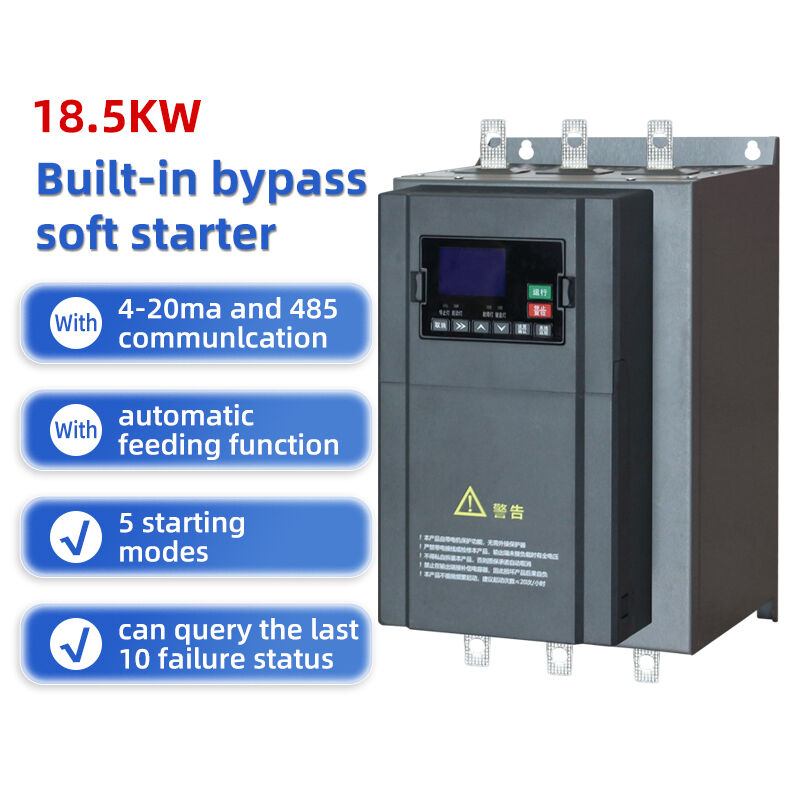
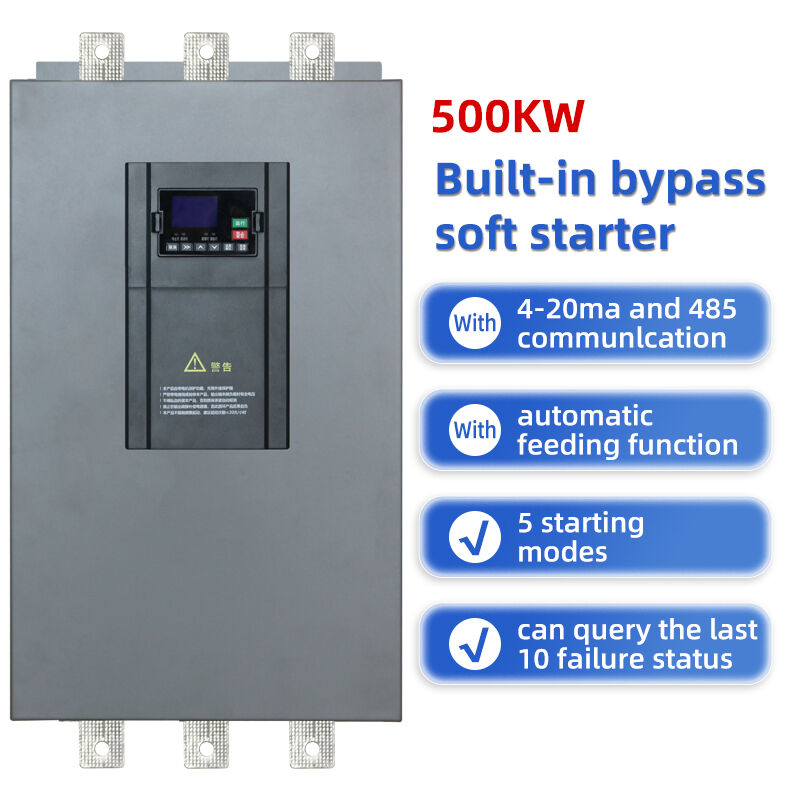
A soft starter for HVAC represents a crucial electrical control device designed to manage the starting process of HVAC motors, particularly those powering large compressors, fans, and pumps in commercial and industrial heating, ventilation, and air conditioning systems. This sophisticated technology addresses the inherent challenges associated with direct-on-line motor starting, which can cause significant electrical stress, mechanical strain, and operational inefficiencies. The soft starter for HVAC works by gradually increasing voltage supply to the motor during startup, creating a controlled acceleration that reduces initial current draw and mechanical shock. This controlled starting mechanism extends equipment lifespan while improving overall system reliability and performance. The primary functions of a soft starter for HVAC include current limitation during motor startup, voltage ramping control, torque management, and thermal protection. These devices incorporate advanced microprocessor-based controls that monitor motor parameters continuously, ensuring optimal performance under varying load conditions. The technological features of modern soft starter for HVAC units encompass programmable acceleration and deceleration curves, built-in bypass contactors for maximum efficiency during normal operation, comprehensive motor protection capabilities including overload, phase loss, and ground fault protection. Many units also feature communication interfaces for integration with building management systems, allowing remote monitoring and control capabilities. Applications for soft starter for HVAC systems span across various sectors including commercial buildings, manufacturing facilities, hospitals, schools, and data centers. These devices prove particularly valuable in applications involving large centrifugal fans, air handling units, cooling tower fans, chiller compressors, and circulation pumps where smooth starting operations are essential for maintaining system integrity and occupant comfort.

Popular Products

The implementation of a soft starter for HVAC systems delivers substantial benefits that directly impact operational efficiency, equipment longevity, and overall system performance. Energy savings represent one of the most compelling advantages, as the soft starter for HVAC reduces peak demand charges by eliminating high inrush currents that occur during motor startup. This controlled starting process can reduce starting current by up to seventy percent, translating to significant cost savings on utility bills, especially in facilities with multiple large HVAC motors. Equipment protection stands as another critical advantage, as the soft starter for HVAC prevents mechanical stress that typically occurs during abrupt motor starts. This protection extends motor life, reduces bearing wear, and minimizes maintenance requirements, resulting in lower total cost of ownership. The controlled acceleration and deceleration provided by the soft starter for HVAC also protects connected mechanical components such as belts, couplings, and driven equipment from sudden jolts and stress. Improved power factor represents an additional benefit, as the soft starter for HVAC helps maintain better electrical efficiency throughout the system, reducing reactive power consumption and potentially avoiding power factor penalties from utility companies. System reliability increases significantly with soft starter for HVAC installation, as these devices provide comprehensive motor protection features including thermal overload protection, phase monitoring, and fault diagnostics. This proactive protection prevents costly motor failures and reduces unplanned downtime. The soft starter for HVAC also enables smooth transitions during system operations, eliminating water hammer in pump applications and reducing mechanical vibrations that can affect building occupants and sensitive equipment. Furthermore, the ability to adjust starting parameters allows optimization for specific applications, ensuring that each soft starter for HVAC installation operates at peak efficiency while meeting the unique requirements of different mechanical systems. Integration capabilities with modern building automation systems provide facility managers with enhanced control and monitoring options, enabling predictive maintenance strategies and improved energy management. The soft starter for HVAC ultimately contributes to sustainable building operations by reducing energy consumption, extending equipment life, and minimizing environmental impact through improved efficiency.

Practical Tips

Pakistani Customers Visit PQUAN for Inspection and Exchange

09

Feb

Pakistani Customers Visit PQUAN for Inspection and Exchange

View More
How to Choose Voltage Regulator Power: A Concise Guide for Industrial & Commercial Users

23

Jan

How to Choose Voltage Regulator Power: A Concise Guide for Industrial & Commercial Users

View More
A Complete Guide to Selecting the Right Variable Frequency Drive (VFD) Model

03

Mar

A Complete Guide to Selecting the Right Variable Frequency Drive (VFD) Model

View More

Get a Free Quote

Our representative will contact you soon.
Email
Name
Company Name
Message
0/1000

soft starter for hvac

Advanced Motor Protection and Monitoring Capabilities

Advanced Motor Protection and Monitoring Capabilities

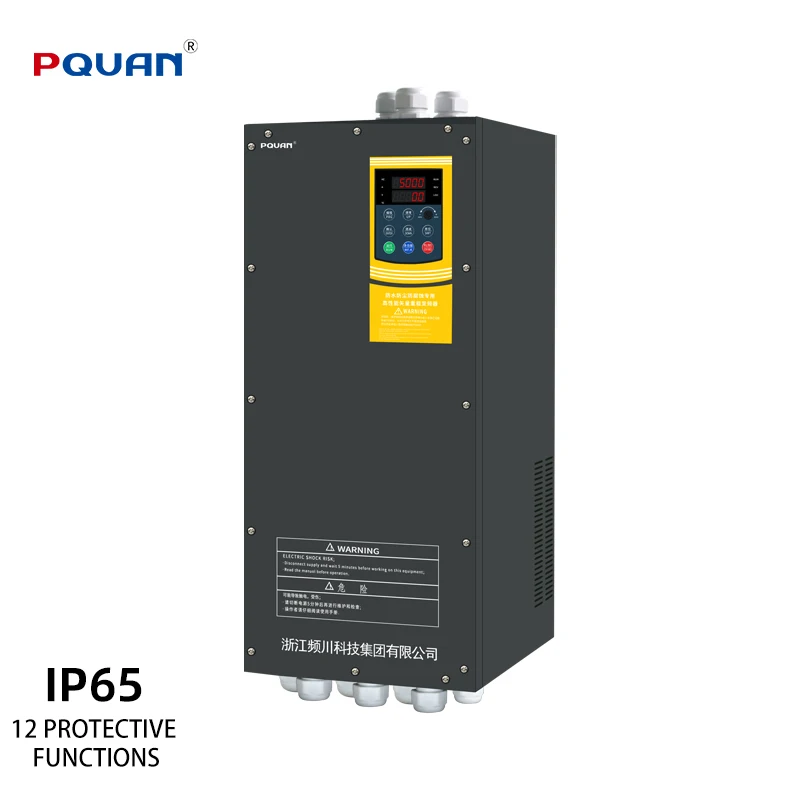
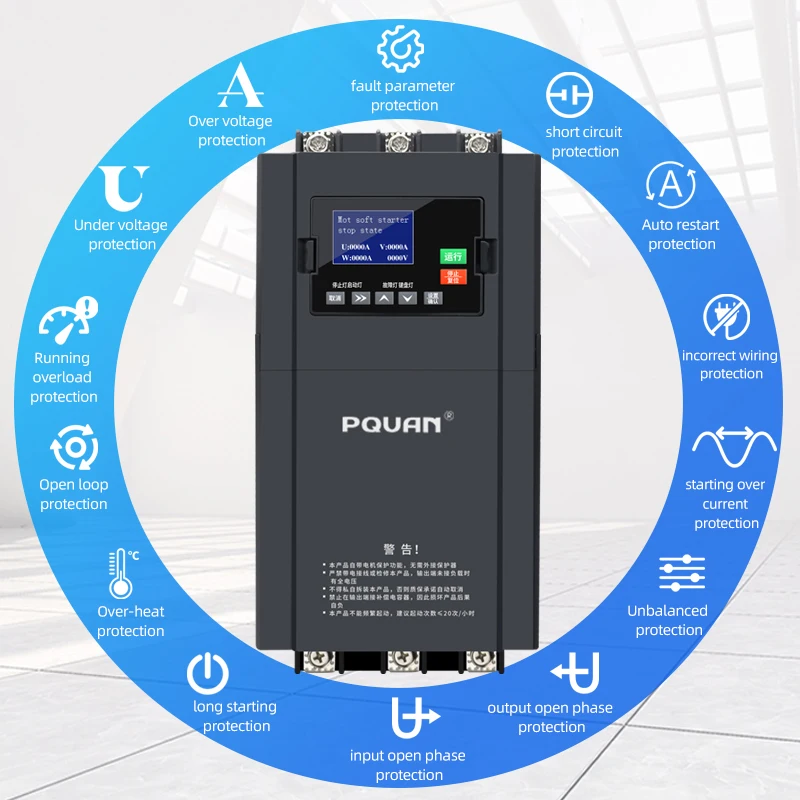
The soft starter for HVAC incorporates sophisticated protection and monitoring features that set it apart from conventional starting methods, providing comprehensive safeguards for valuable motor investments. These advanced protection capabilities include thermal overload monitoring that continuously tracks motor temperature and current levels, preventing damage from overheating conditions that commonly occur in demanding HVAC applications. The soft starter for HVAC also features phase loss detection, which immediately identifies when one phase of the three-phase power supply fails or becomes unbalanced, preventing single-phasing conditions that can quickly destroy motor windings. Ground fault protection represents another critical safety feature, as the soft starter for HVAC can detect insulation breakdown and ground faults before they cause significant damage or create safety hazards. The monitoring capabilities extend beyond basic protection to include real-time parameter tracking, allowing facility managers to observe motor performance trends and identify potential issues before they result in equipment failure. Many soft starter for HVAC models provide data logging capabilities that record operating parameters over time, enabling predictive maintenance strategies that can significantly reduce unexpected downtime and repair costs. The diagnostic features built into modern soft starter for HVAC units can identify specific fault conditions and provide detailed information about system status through integrated displays or communication interfaces. This level of monitoring capability allows maintenance teams to make informed decisions about equipment servicing and replacement, optimizing maintenance schedules and reducing overall operating costs. The protection features of the soft starter for HVAC also include adjustable trip settings that can be customized for specific motor and application requirements, ensuring optimal protection without unnecessary nuisance trips. Advanced models may include features such as motor learning algorithms that adapt protection settings based on actual motor characteristics and operating conditions, providing even more precise protection. The communication capabilities of the soft starter for HVAC enable integration with building management systems, allowing remote monitoring and control while providing valuable data for energy management and maintenance planning purposes.
Significant Energy Savings and Reduced Operating Costs

Significant Energy Savings and Reduced Operating Costs

The energy-saving capabilities of a soft starter for HVAC represent one of its most valuable attributes, delivering measurable cost reductions that improve the bottom line for facility owners and operators. The controlled starting process eliminates the massive current spikes associated with across-the-line motor starting, which can be six to eight times the normal operating current. By gradually ramping up voltage and current during startup, the soft starter for HVAC reduces peak demand charges that utility companies impose based on the highest power consumption during billing periods. This demand charge reduction can result in substantial monthly savings, particularly for facilities with multiple large HVAC motors that might start simultaneously. The soft starter for HVAC also contributes to improved power factor throughout the electrical system by managing the reactive power consumption during motor starting operations. Better power factor means more efficient use of electrical power and can help avoid penalty charges that utilities impose on facilities with poor power factor ratings. Beyond immediate energy savings, the soft starter for HVAC enables more sophisticated control strategies that can optimize motor operation based on actual system requirements rather than running motors at full speed continuously. Some advanced soft starter for HVAC models include built-in energy management features that can automatically adjust motor operation based on load conditions, further enhancing energy efficiency. The reduced mechanical stress provided by controlled starting and stopping also contributes to energy savings by maintaining optimal motor efficiency over the equipment's lifetime. Motors subjected to harsh starting conditions experience more wear and may operate less efficiently as internal components degrade. The smooth operation provided by the soft starter for HVAC helps maintain peak motor efficiency throughout its service life. Additionally, the thermal protection features prevent motor overheating, which not only protects the equipment but also maintains optimal efficiency by preventing the motor from operating in thermally stressed conditions. The long-term cost benefits extend to reduced maintenance requirements, as the gentle starting process minimizes wear on motor bearings, windings, and mechanical components, resulting in longer intervals between service requirements and lower maintenance costs.
Enhanced System Reliability and Extended Equipment Life

Enhanced System Reliability and Extended Equipment Life

The reliability improvements provided by a soft starter for HVAC extend far beyond simple motor protection, creating a comprehensive approach to system longevity that delivers substantial value over the equipment's operational lifetime. The controlled acceleration and deceleration capabilities eliminate the mechanical shock that occurs during abrupt motor starts, which can cause premature failure of bearings, couplings, belts, and other mechanical components throughout the HVAC system. This gentle starting process significantly extends the service life of not only the motor itself but also all connected mechanical equipment, including fans, pumps, compressors, and drive systems. The soft starter for HVAC prevents the sudden torque spikes that can cause shaft misalignment, bearing damage, and coupling failure, issues that often require expensive emergency repairs and cause unexpected system downtime. Vibration reduction represents another critical reliability benefit, as the smooth starting process minimizes mechanical vibrations that can propagate throughout building structures and affect sensitive equipment or occupant comfort. The controlled stopping capabilities of the soft starter for HVAC also prevent water hammer in pumping systems, protecting piping, valves, and connected equipment from pressure surges that can cause leaks or component failure. The comprehensive fault detection and diagnostic capabilities built into modern soft starter for HVAC units provide early warning of developing problems, allowing maintenance teams to address issues during planned maintenance windows rather than dealing with emergency failures. This proactive approach to maintenance reduces overall system downtime and helps maintain consistent environmental conditions in critical facilities such as hospitals, data centers, and manufacturing facilities. The bypass contactor feature found in most soft starter for HVAC models ensures that once the motor reaches full speed, the starting electronics are removed from the circuit, eliminating any potential failure points during normal operation while maintaining the protection and monitoring functions. The robust construction of industrial-grade soft starter for HVAC units, combined with their ability to operate in harsh environmental conditions, ensures reliable performance even in challenging applications. Many models include conformal coating on circuit boards and sealed enclosures to protect against moisture, dust, and corrosive atmospheres commonly found in HVAC equipment rooms and industrial environments.
Soft Starter for HVAC: Complete Guide to Motor Control Solutions & Energy Savings

Get a Free Quote

Our representative will contact you soon.
Email
Name
Company Name
Message
0/1000