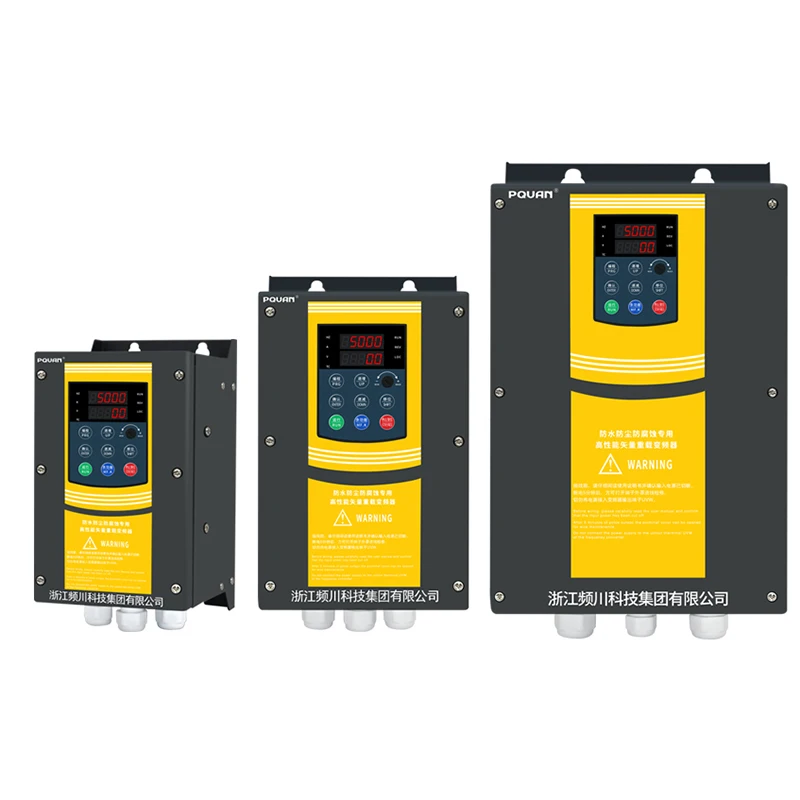
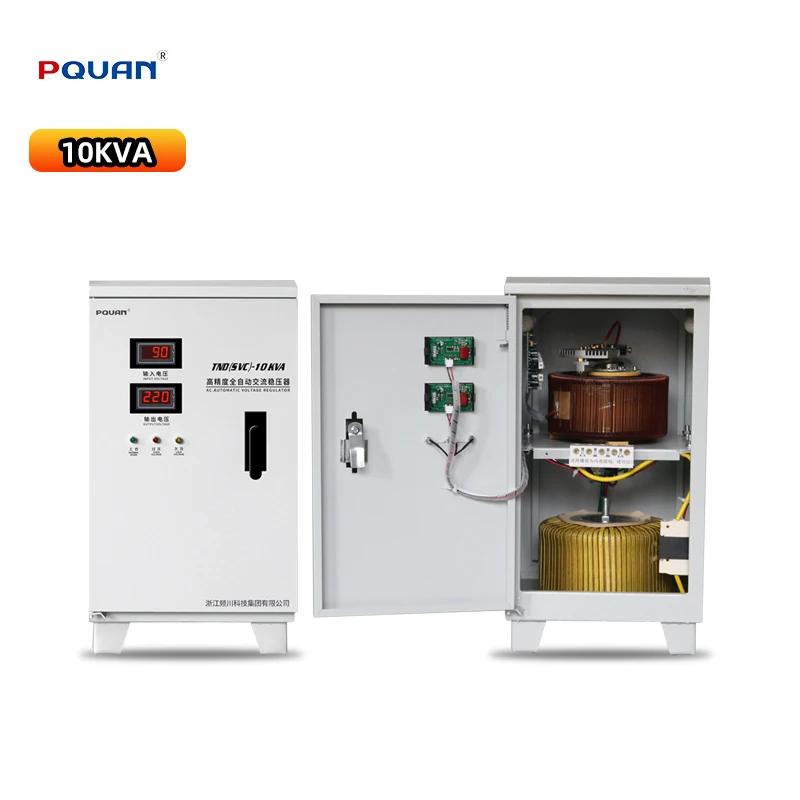
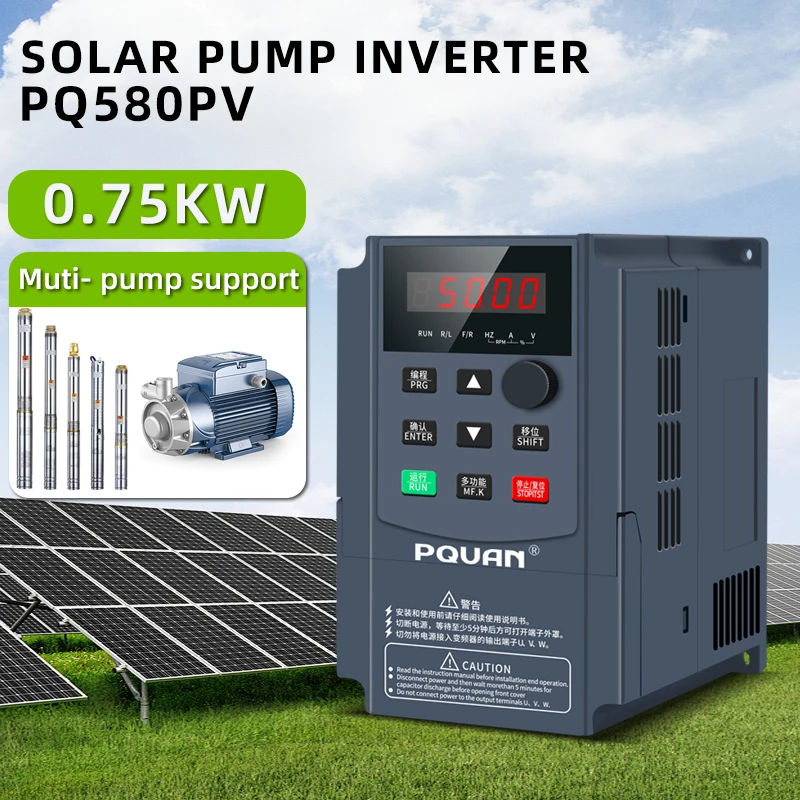
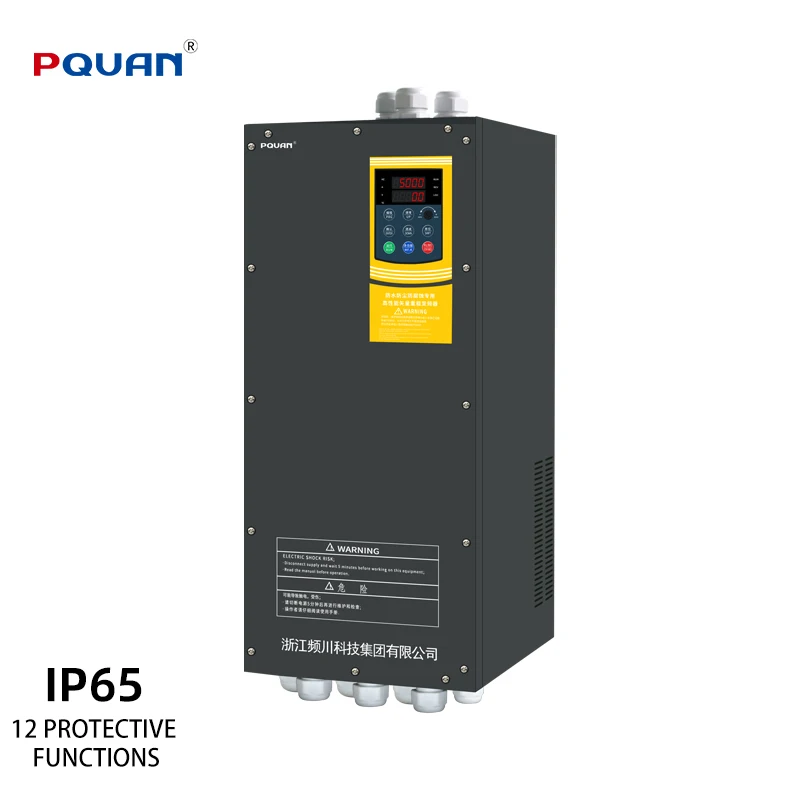
Industrial Soft Starter Solutions - Advanced Motor Control for Enhanced Efficiency and Protection

All Categories
Get a Quote
%}

Get a Free Quote

Our representative will contact you soon.
Email
Mobile/WhatsApp
Name
Message
0/1000

industrial soft starter

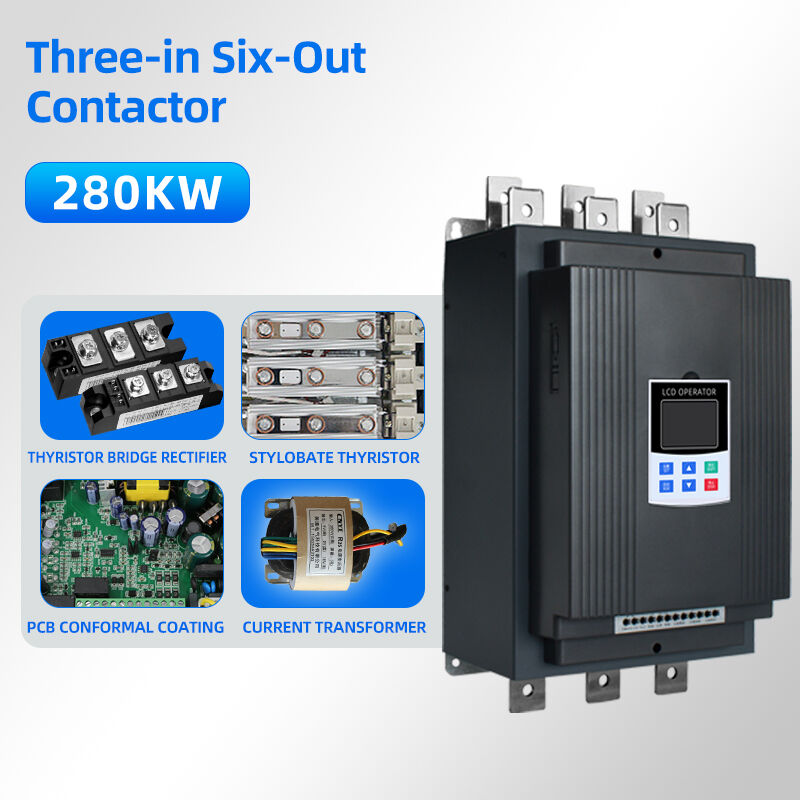
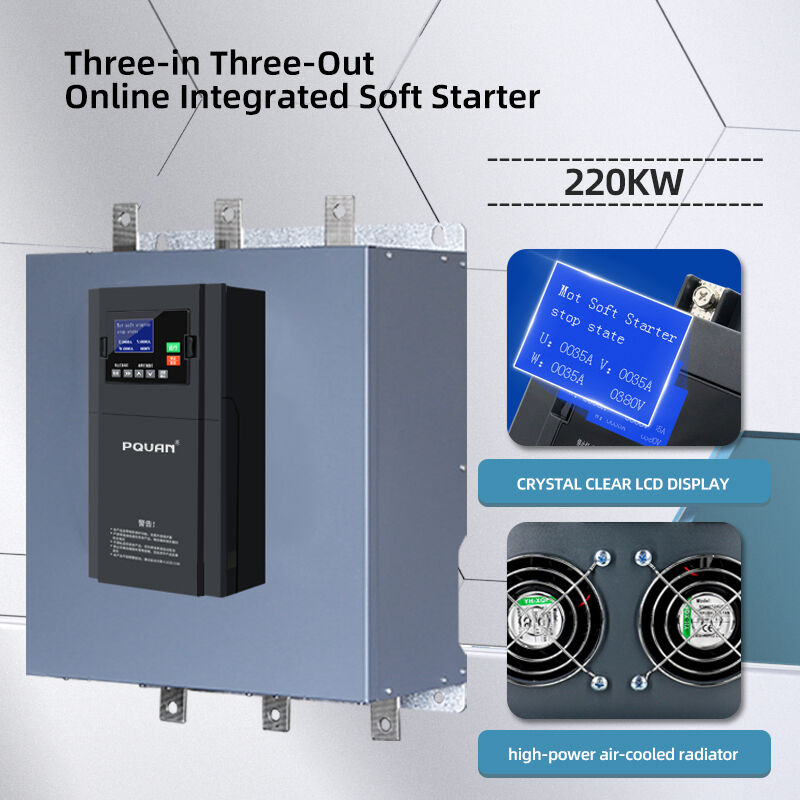
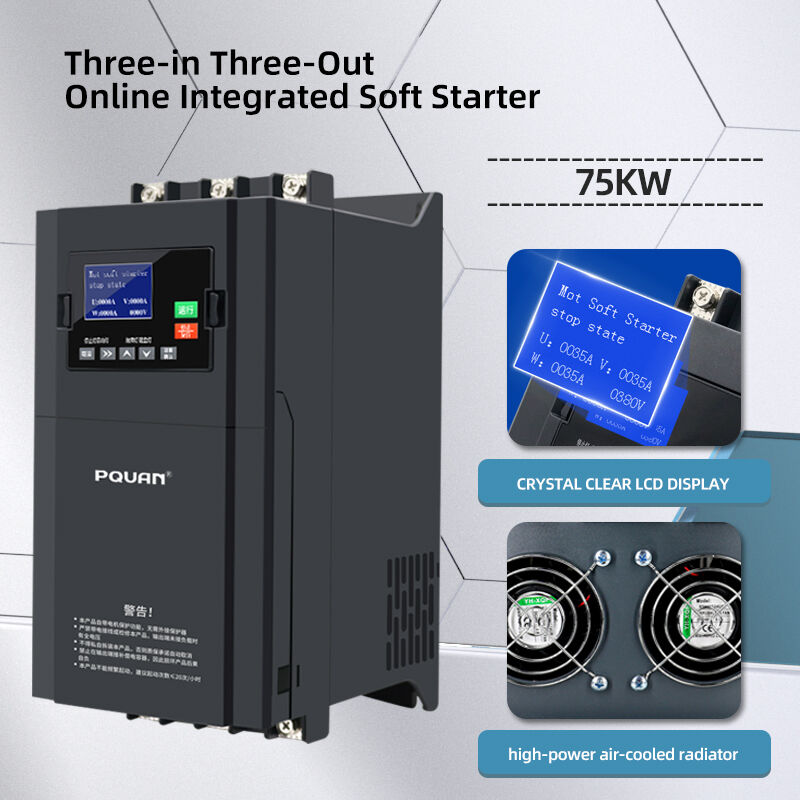
An industrial soft starter represents a sophisticated motor control device designed to manage the startup and shutdown processes of three-phase induction motors in industrial environments. This essential electrical equipment operates by gradually increasing voltage supplied to the motor during startup, creating a controlled acceleration that protects both the motor and connected machinery from sudden mechanical stress and electrical surges. The primary function of an industrial soft starter involves limiting inrush current that typically occurs when motors start at full voltage, which can reach up to eight times the normal operating current. By implementing advanced semiconductor technology, typically using silicon-controlled rectifiers or thyristors, these devices regulate voltage application through precise phase angle control. The technological features embedded within modern industrial soft starters include microprocessor-based control systems that monitor parameters such as current levels, voltage stability, temperature fluctuations, and torque requirements. These intelligent systems provide real-time adjustments to ensure optimal motor performance across varying load conditions. Industrial soft starters find extensive applications across diverse sectors including manufacturing facilities, water treatment plants, conveyor systems, pumping stations, HVAC installations, and material handling equipment. The versatility of these devices makes them suitable for motors ranging from small fractional horsepower units to large multi-megawatt installations. Their compact design allows for straightforward integration into existing electrical panels and motor control centers. Additional functionalities often include built-in motor protection features such as overload detection, phase loss monitoring, ground fault protection, and thermal overload prevention. Communication capabilities through protocols like Modbus, Profibus, or Ethernet enable seamless integration with supervisory control and data acquisition systems, facilitating remote monitoring and predictive maintenance strategies that enhance operational efficiency and reduce unplanned downtime in industrial operations.

New Products

Industrial soft starters deliver substantial cost savings by reducing mechanical wear on motors and connected equipment. When motors start abruptly with full voltage, they experience severe mechanical shock that damages bearings, couplings, belts, and gearboxes. By enabling gradual acceleration, these devices extend equipment lifespan significantly, often doubling or tripling the operational life of mechanical components. This translates directly into lower maintenance expenses and fewer replacement costs over time. Energy efficiency represents another compelling advantage, as controlled starting reduces peak demand charges on electricity bills. Utility companies often impose penalties for high demand spikes, and traditional direct-on-line motor starting creates massive current surges that trigger these costly charges. The smooth startup process eliminates these peaks, resulting in measurable monthly savings on energy costs. Facility managers appreciate the reduced strain on electrical infrastructure, as soft starters prevent voltage dips that affect other equipment operating on the same power supply. Lights no longer flicker during motor starts, and sensitive electronic devices remain protected from voltage fluctuations. The protection features built into industrial soft starters safeguard valuable motor investments by detecting abnormal operating conditions before damage occurs. This proactive approach prevents catastrophic failures that could halt production and require expensive emergency repairs. Operators gain precise control over acceleration and deceleration timing, allowing customization based on specific application requirements. Adjustable ramp times accommodate different load characteristics, whether starting empty conveyors that gradually fill or pumps that need gentle starts to prevent water hammer effects in piping systems. Installation simplicity offers practical benefits, as these devices require minimal space compared to alternative starting methods like autotransformers or resistor banks. Electricians can wire them quickly using standard connections, reducing installation labor costs and project timelines. The user-friendly interfaces found on modern units allow technicians to configure settings without specialized training or complex programming knowledge. Diagnostic capabilities provide valuable troubleshooting information through display screens or communication networks, enabling maintenance teams to identify and resolve issues rapidly. Production continuity improves because soft starters help prevent nuisance trips and false alarms that interrupt operations unnecessarily. The reliability of solid-state components means fewer moving parts that can fail, enhancing overall system dependability and reducing maintenance scheduling requirements throughout the year.

Latest News

Voltage Regulator Types: Which One Is Right for Your Application?

17

Mar

Voltage Regulator Types: Which One Is Right for Your Application?

In the industrial sector, maintaining a steady, reliable power supply is essential to safeguarding sophisticated automated machinery, high-precision laboratory instruments, and data infrastructures. A voltage regulator serves as a vital safeguard aga...
View More
Common Problems with Voltage Stabilizers and How to Troubleshoot Them

16

Apr

Common Problems with Voltage Stabilizers and How to Troubleshoot Them

In many industrial and commercial facilities, voltage stabilizers are the unsung heroes of electrical reliability. These devices work tirelessly behind the scenes to smooth out unpredictable grid fluctuations, protecting sensitive machinery from the ...
View More
Automatic Voltage Regulator vs. Manual Voltage Stabilizer: Which Is Better?

21

May

Automatic Voltage Regulator vs. Manual Voltage Stabilizer: Which Is Better?

Electrical grid instability is a constant challenge for modern industrial facilities and commercial infrastructure. Power fluctuations, ranging from sudden voltage sags during peak demand hours to high-energy transient spikes caused by lightning, can...
View More
How to Choose the Right AC Drive for Your Industrial Needs

01

Jun

How to Choose the Right AC Drive for Your Industrial Needs

In modern industrial automation, optimizing energy efficiency and maintaining precise control over motor speeds are critical for operational success. An AC Drive (Alternating Current Drive), also commonly known as a Variable Frequency Drive (VFD), pl...
View More

Get a Free Quote

Our representative will contact you soon.
Email
Mobile/WhatsApp
Name
Message
0/1000

industrial soft starter

Enhanced Motor Protection and Longevity

Enhanced Motor Protection and Longevity

The motor protection capabilities integrated within industrial soft starters provide comprehensive safeguarding that extends far beyond basic overload protection. These sophisticated devices continuously monitor multiple electrical parameters simultaneously, creating a protective envelope around the motor that responds instantly to abnormal conditions. Current monitoring functions detect overcurrent situations that might indicate mechanical binding, excessive load, or electrical faults within the motor windings. When current exceeds programmed thresholds, the soft starter responds according to configured protection curves, either limiting current or disconnecting power to prevent damage. Phase monitoring ensures all three phases remain balanced and present, as phase loss or severe imbalance causes motors to overheat rapidly and fail prematurely. Single-phasing conditions, where one phase is lost, force motors to operate on two phases, drawing excessive current that quickly destroys windings. The soft starter detects these conditions within milliseconds and removes power before thermal damage occurs. Temperature monitoring through embedded sensors or external inputs tracks motor heat levels, providing early warning of cooling system failures or excessive ambient temperatures. This thermal management prevents insulation breakdown that leads to ground faults and complete motor failure. Ground fault detection identifies current leakage paths that indicate insulation deterioration or moisture ingress, problems that worsen rapidly if unaddressed. By catching these issues early, maintenance teams can schedule repairs during planned downtime rather than facing emergency breakdowns during critical production periods. Undervoltage and overvoltage protection shields motors from utility power quality problems that damage windings through excessive magnetic saturation or insufficient cooling. The cumulative effect of these protection layers dramatically increases motor reliability and operational lifespan. Motors protected by soft starters routinely achieve twenty to twenty-five years of service life compared to ten to fifteen years for motors started with conventional methods. This longevity translates into substantial capital expense savings, as motor replacement projects can be deferred and maintenance budgets stretched further. The data logging capabilities present in advanced soft starters record fault events with timestamps and parameter values, creating a maintenance history that helps identify recurring problems and optimize preventive maintenance schedules for maximum efficiency and minimum cost.
Precise Control for Optimized Performance

Precise Control for Optimized Performance

The control precision offered by industrial soft starters empowers facility operators to fine-tune motor starting and stopping characteristics to match exact application requirements. This customization capability transforms motor control from a simple on-off function into a sophisticated process that optimizes performance, product quality, and energy consumption. Adjustable acceleration ramps allow operators to program how quickly motors reach full speed, with typical adjustment ranges from one second to several minutes. Applications involving high inertia loads, such as large fans or centrifuges, benefit from extended ramp times that gradually overcome rotational resistance without excessive current draw. Conversely, applications requiring rapid startup can utilize shorter ramps while still maintaining current limiting benefits. Torque control modes provide an alternative to voltage ramping by regulating the actual rotational force applied to the load. This advanced control method proves particularly valuable for belt-driven systems where excessive starting torque causes belt slippage or breakage. By limiting initial torque to just above the level needed to overcome static friction, the soft starter ensures smooth engagement without mechanical shock. Pump applications gain significant advantages from controlled starting that prevents water hammer, a destructive phenomenon where sudden fluid acceleration creates pressure waves that damage pipes, valves, and pump components. The gradual flow increase provided by soft starter control eliminates these damaging surges, extending piping system lifespan and preventing costly leak repairs. Deceleration control, often called soft stop, provides equally important benefits by gradually reducing motor speed rather than allowing abrupt coasting stops. This feature prevents reverse flow in pumping systems, reduces mechanical stress during shutdown, and enables controlled positioning in material handling applications. Programmable kick-start functions deliver brief full-voltage pulses to overcome high static friction in certain loads before transitioning to controlled acceleration. Multi-step acceleration profiles allow different ramp rates during various portions of the startup sequence, accommodating complex load characteristics that change as speed increases. Built-in bypass contactors automatically switch motors to direct line connection after successful startup, eliminating soft starter heat generation during normal running and improving overall energy efficiency for continuous duty applications across industrial facilities.
Simplified Integration and Operational Efficiency

Simplified Integration and Operational Efficiency

Modern industrial soft starters feature design characteristics that streamline installation processes and enhance operational efficiency throughout their service life. The compact footprint of these devices allows mounting in locations where space constraints would prohibit alternative starting methods. Single units can often replace bulky motor control center configurations that previously required multiple components including contactors, overload relays, and control transformers. This consolidation reduces panel space requirements, lowers material costs, and simplifies wiring complexity. Standardized mounting dimensions and connection points enable direct replacement of existing starters without extensive panel modifications, making retrofit projects economical and minimally disruptive. Power terminal arrangements accommodate various conductor sizes and termination preferences, whether using compression lugs, mechanical set screws, or busbar connections. Control wiring interfaces provide clearly labeled terminals for start and stop commands, external protection inputs, and status outputs that integrate with existing facility control systems. The plug-and-play nature of modern soft starters means electricians can complete installations quickly using familiar wiring practices without specialized training. Configuration interfaces range from simple rotary switches for basic applications to full-color touchscreen displays for complex installations requiring detailed parameter adjustment. Intuitive menu structures guide users through setup procedures, often providing application-specific templates that automatically configure appropriate settings for pumps, fans, compressors, or conveyors. Communication capabilities enable integration with programmable logic controllers, distributed control systems, and building automation networks. Standard industrial protocols ensure compatibility with diverse equipment from multiple manufacturers, preserving existing infrastructure investments. Remote monitoring through these communication links provides real-time visibility into motor operating conditions from centralized control rooms, enabling operators to identify performance degradation before failures occur. Email or text message alerts notify maintenance personnel immediately when faults occur, reducing response times and minimizing production interruptions. Historical data storage tracks operating hours, start counts, and fault frequencies, information that supports reliability-centered maintenance strategies and capital planning decisions. Energy monitoring functions quantify actual power consumption, enabling calculation of operating costs and identification of inefficient operating patterns. These insights support continuous improvement initiatives that reduce energy waste and lower utility expenses. The combination of simple installation, user-friendly operation, and comprehensive monitoring capabilities makes industrial soft starters an attractive investment that delivers both immediate and long-term value to facilities seeking to optimize motor control systems while reducing total cost of ownership.

Industrial Soft Starter Solutions - Advanced Motor Control for Enhanced Efficiency and Protection

Get a Free Quote

Our representative will contact you soon.
Email
Mobile/WhatsApp
Name
Message
0/1000