electronic soft starter
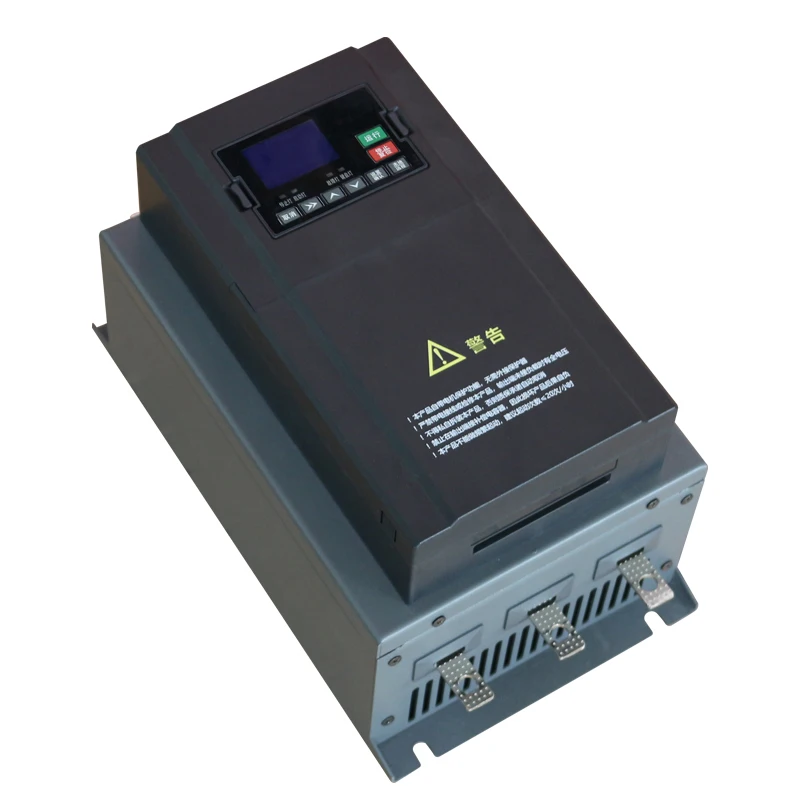
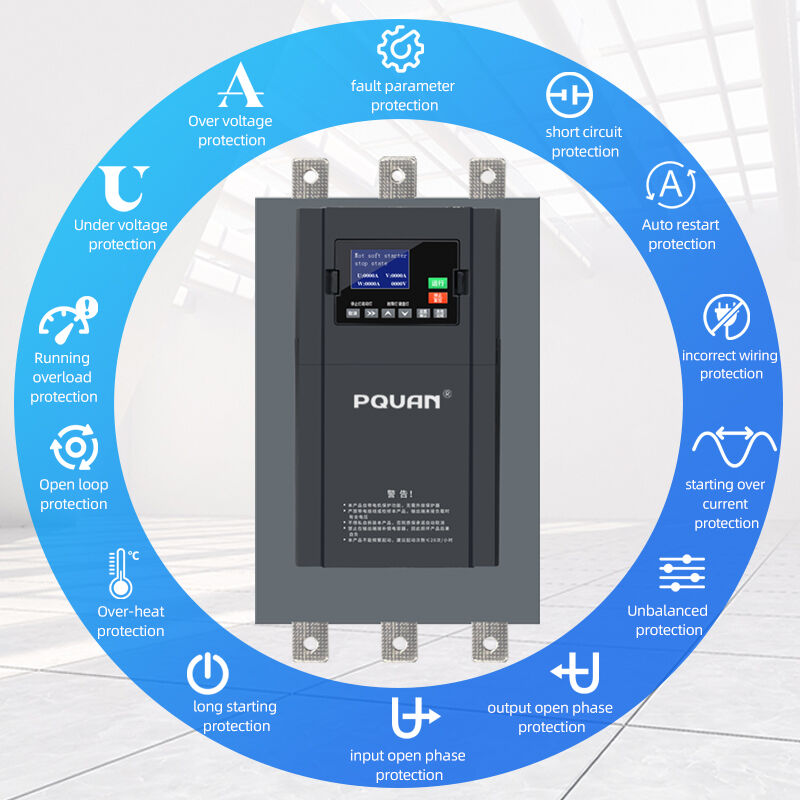
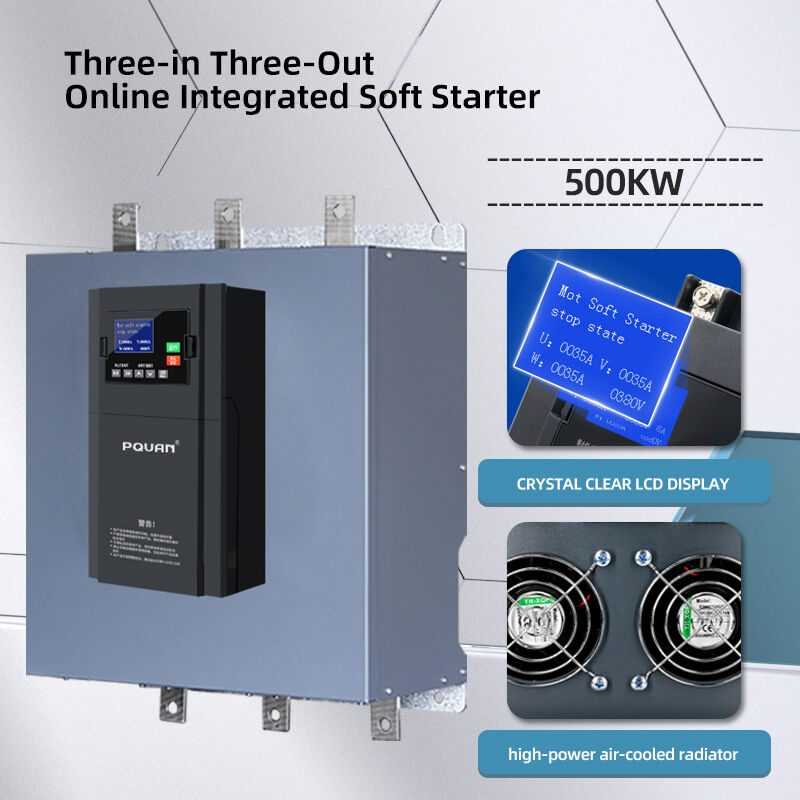
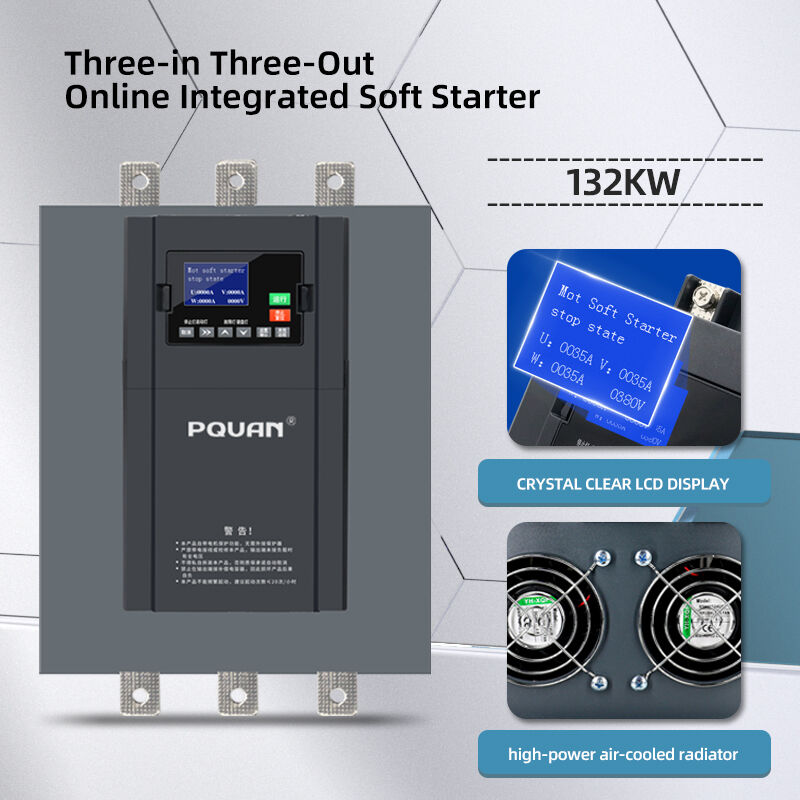
An electronic soft starter represents a sophisticated motor control device that manages the startup and shutdown phases of three-phase induction motors. This advanced equipment gradually increases voltage supplied to the motor during startup, ensuring a controlled acceleration process that protects both the motor and connected mechanical systems. Unlike traditional direct-on-line starters that apply full voltage immediately, an electronic soft starter employs solid-state components, typically thyristors or silicon-controlled rectifiers, to regulate the electrical current flow precisely. The primary function of this device centers on reducing mechanical stress during motor启动, extending equipment lifespan significantly. Modern electronic soft starters incorporate microprocessor-based control systems that monitor various parameters including current levels, voltage fluctuations, and thermal conditions in real-time. These intelligent systems adjust starting parameters automatically based on load requirements and operating conditions. The technology features multiple starting methods such as voltage ramp, current limiting, and kickstart functions, each designed for specific application requirements. Built-in protection mechanisms guard against overload conditions, phase loss, overheating, and short circuits, providing comprehensive motor protection. The compact design of electronic soft starters makes installation straightforward in existing electrical panels, often requiring less space than traditional starting methods. Communication capabilities allow integration with building management systems and industrial automation networks through standard protocols like Modbus, Profibus, or Ethernet/IP. Applications span across numerous industries including HVAC systems, water treatment facilities, conveyor systems, compressors, pumps, and fans. The versatility of electronic soft starters makes them suitable for motors ranging from small fractional horsepower units to large industrial motors exceeding several hundred kilowatts. Energy efficiency improvements result from optimized starting sequences that reduce power consumption during the critical startup phase. The gradual acceleration process eliminates voltage dips in the electrical supply network, preventing disruptions to other sensitive equipment operating on the same power system.
 EN
EN