Seamless Integration with Existing Manufacturing Infrastructure and Smart Monitoring
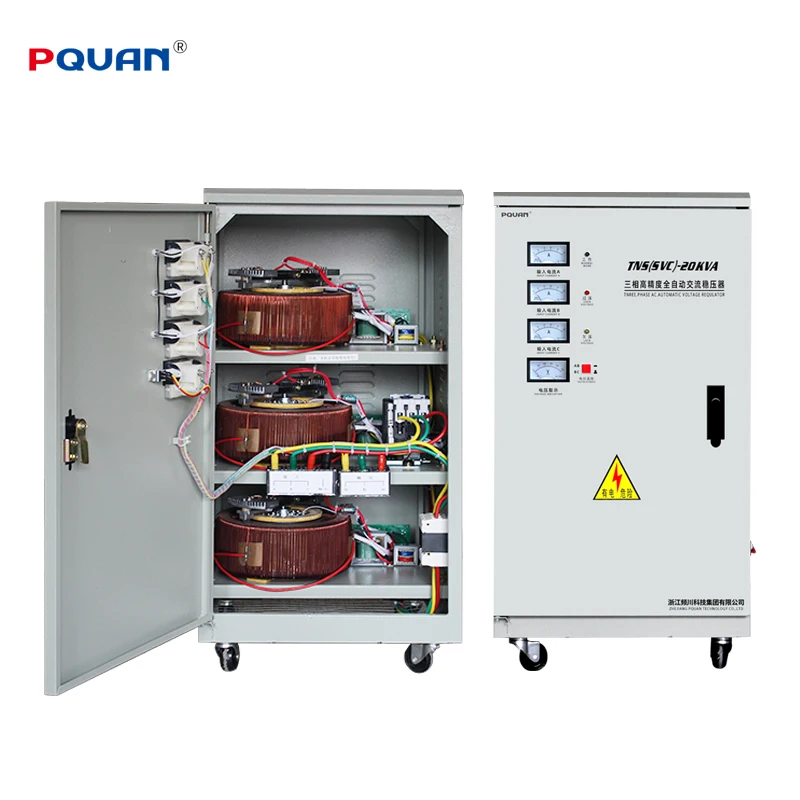
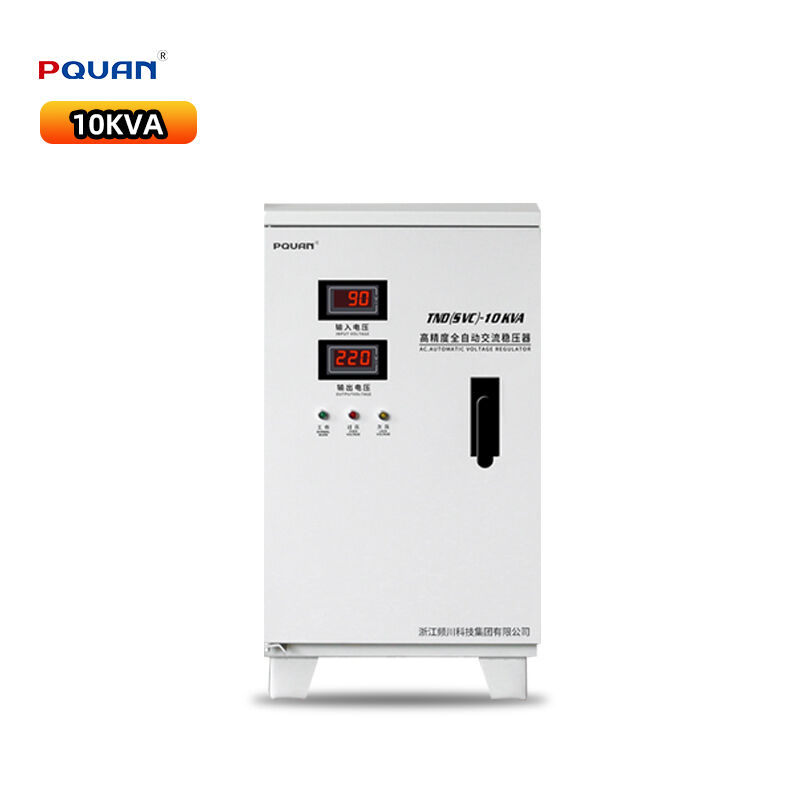
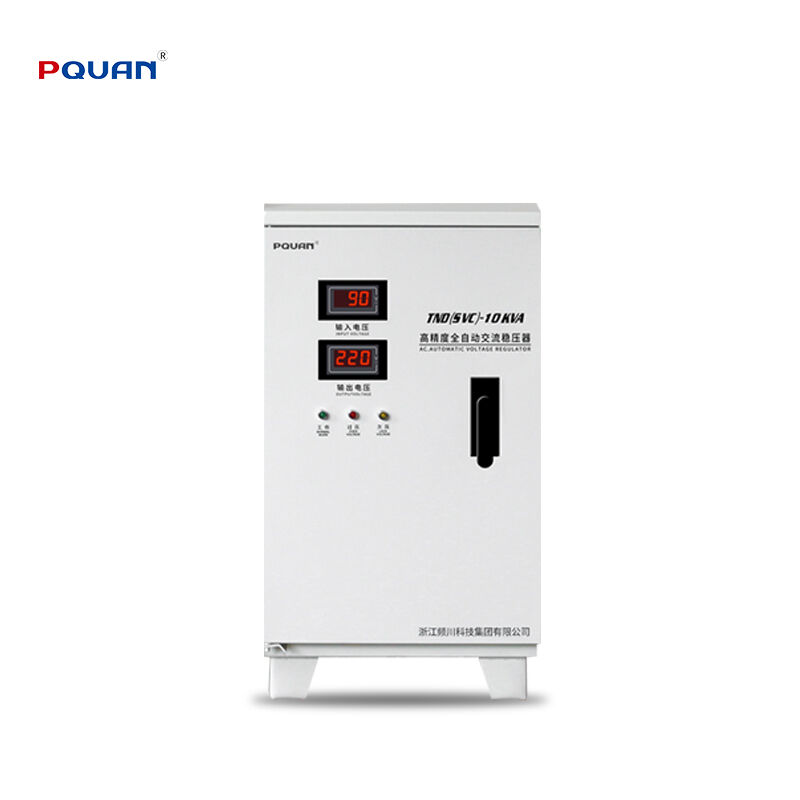
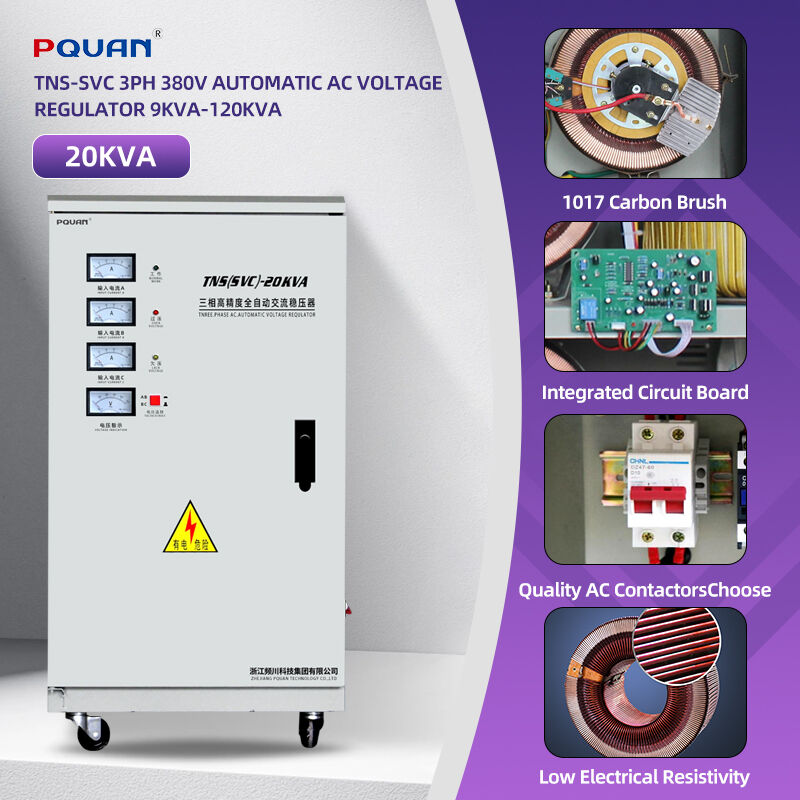
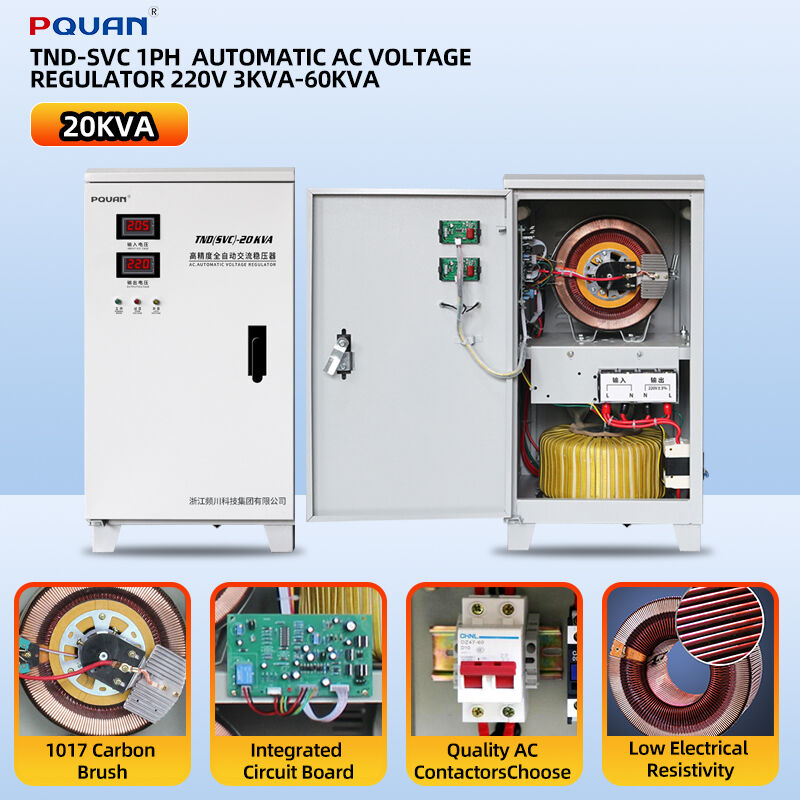
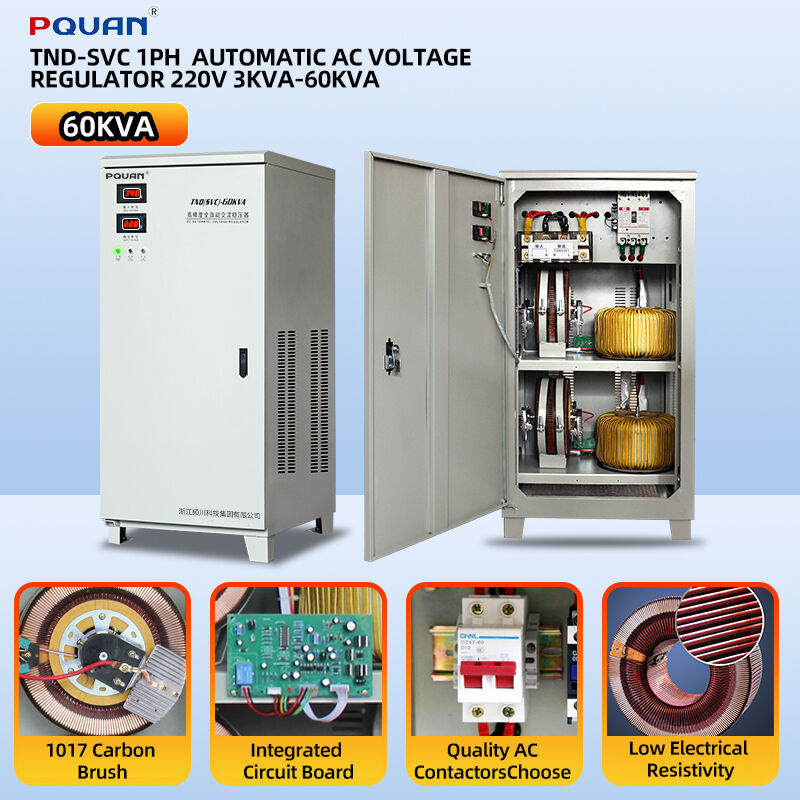
The automatic voltage regulator for manufacturing distinguishes itself through exceptional compatibility with diverse facility configurations and equipment types, eliminating the integration challenges that plague many industrial power solutions. Installation engineers appreciate the flexible input and output voltage ranges that accommodate various utility service configurations, whether facilities receive power at 208, 240, 380, 400, 415, 440, or 480 volts in single-phase or three-phase arrangements. This versatility means the same regulator platform adapts to different geographic regions and utility standards without requiring custom engineering. Physical mounting options include floor-standing cabinets for high-capacity units protecting entire manufacturing areas, wall-mounted enclosures for space-constrained environments, and rack-mount configurations that integrate with existing electrical distribution panels. The automatic voltage regulator for manufacturing connects inline between the power source and protected loads using standard electrical terminations, avoiding proprietary connectors or complicated wiring schemes that increase installation costs and limit service options. Commissioning procedures follow straightforward sequences that trained electricians complete without specialized factory training, reducing deployment time and expense. Once operational, the automatic voltage regulator for manufacturing provides comprehensive monitoring capabilities that transform power management from reactive troubleshooting to proactive optimization. Digital displays present real-time information including input voltage, output voltage, load current, power factor, and correction percentage, giving operators immediate visibility into electrical conditions and regulator performance. Historical data logging captures voltage trends, load patterns, and correction events, creating records that support root cause analysis when investigating equipment problems or quality issues. Communication interfaces supporting Modbus, Ethernet, and other industrial protocols enable integration with supervisory control and data acquisition systems, building management platforms, and enterprise monitoring solutions. This connectivity allows maintenance teams to observe voltage regulator performance alongside other facility systems, identifying correlations between power quality events and production outcomes. Alarm outputs trigger notifications when input voltage exceeds predefined thresholds, when correction capacity approaches limits, or when maintenance becomes due, supporting predictive maintenance strategies that address developing issues before they cause disruptions. Remote access capabilities let engineers monitor and adjust regulator settings from central control rooms or even off-site locations, reducing the need for personnel to physically visit electrical rooms for routine checks. The automatic voltage regulator for manufacturing becomes an intelligent node within the broader facility infrastructure rather than a standalone black box, contributing valuable operational data while reliably performing its voltage regulation mission.
 EN
EN